


编者按:
气候变化一直都与人类的生产活动息息相关,人们常常倡导要以组织合作的形式共同应对气候问题,然而没有个人的努力,又何谈“众人拾柴火焰高”?让我们来看看《大西洋月刊》的撰稿人安妮·劳瑞如何解读个体行为对环境的影响,我们具体又该怎么做呢?
一、“温室”愈严,何“人”为之?
刚搬到加州不久,这里又发生火灾了:高温和雷击已经在加州引发了数十起大火,烧毁的面积有一个罗得岛州那么大。同时,爱荷华州遭受了一场致命的德雷科风暴(一种威力巨大的风暴);西部山脉也在经受严重干旱的考验;全国所有的城镇正在度过史上最热的夏天;而不久前一场飓风还袭击了墨西哥湾海岸。
随着气候变化,极端天气变得越发严重也更加普遍了,而国会却继续忽视这种现存的威胁,面对这样的现状,我已经做了力所能及的事。搬到加州后,我开始了一段不购物的日子。我开始不坐短途飞机,尽可能步行或使用公共交通工具,我关掉空调,甚至开始随身带着水杯或梅森瓶(一种可以用来储存食物的密封容器)。
可是,我所做的环保决定是否毫无意义甚至是有害的呢?
作家S.E.史密斯在一篇言辞激烈的文章中表示,与其说“表演型环保主义”与地球保护有关,更不如说它与个人美德相关,它总关注一些琐碎和无意义的事情,而不在更宏观和更重要的方面发挥作用。环保活动家乔治·蒙比尔特说,污染者使我们相信气候变化是消费者的错。他还说,我们无法用钱来摆脱无节制消费带来的危机。许多其他的思想家也提出了同样的观点。
“Performative environmentalism” is more about personal virtue than saving the planet, says the writer s.e. smith in a searing essay, and puts the focus on the micro and futile rather than the macro and important. Polluters have convinced us that it is consumers’ fault, argues the activist George Monbiot, who also argues that we cannot buy our way out of a crisis caused by untrammeled consumption. Many other thinkers made a version of this same argument.
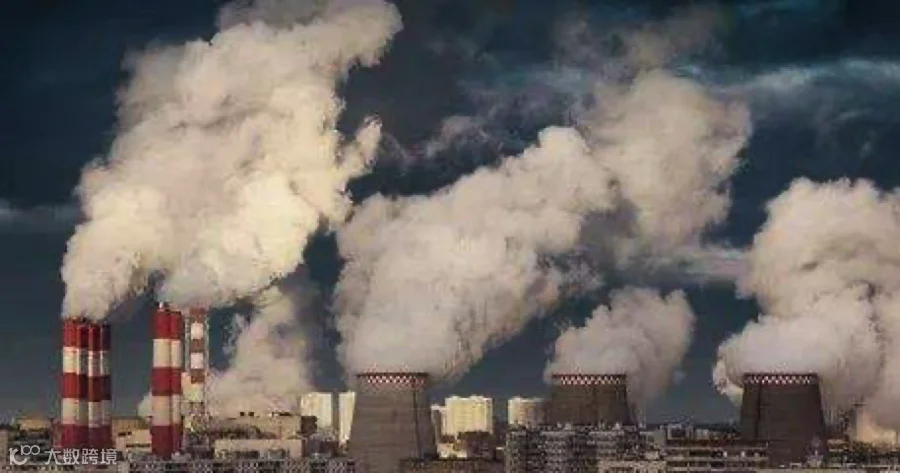
有一种观点认为,企业才是罪魁祸首。根据气候责任研究所人员——理查德·塞德做的一份报告,1965年以来,全世界碳排放总量的35%是由20家公司造成的。塞德在一次采访中说:“企业把责任归咎于消费者,他们说‘我们只是产品的制造者,我们一直致力于满足公众需求’。”但是,这些公司却在混淆公众,在人群中散布对气候科学的不信任信息,并阻碍政策的变化以便在世界‘发烧’之时继续盈利。
Companies are where the fault lies, the argument goes: Just 20 of them are responsible for 35 percent of global emissions since 1965, according to a report by Richard Heede of the Climate Accountability Institute. “The corporations blame the consumers,” Heede told me in an interview. “They say, ‘We’re just the producers. We’re satisfying public demand.’” But those companies confuse the public, sow distrust of climate science, and impede policy changes in order to keep profiting while the world burns.
该观点还认为政府才是气候变化真正的救星。在他们看来,如果不尽快提高碳能源价格、降低绿色能源价格、推动补贴和其他政策以使世界尽快适应和脱碳,实现控制全球变暖的目标希望渺茫。
Governments are where true salvation lies, the argument continues: There is no real hope for keeping global warming below those all-important targets without raising the price of carbon, lowering the price of green energy, and pushing subsidies and other policies to get the world to adapt and decarbonize as fast as possible.

二、个人行为与自然没有隔离带
我承认批评家说的没错:过于关注个人层面而忽略企业应付的责任、忽略系统的解决措施,必定会铸成大错,但即使如此,我也并不打算扔掉我的帆布包和梅森瓶,不打算再买一辆车,也不打算再次乘飞机短途出行。
The critics are right that focusing on individuals is a grave error if it obscures corporate culpability and systemic solutions. But I’m not about to get rid of my canvas bags and mason jars, buy a second car, or start taking short flights again.
与经济学家、气候学家和心理学家的交谈让我更加笃定,不考虑个体对气候变化的影响,只系统地看待这一问题本就是一个错误,社会变革是建立在个体行为之上的,而此类看法显然忽略了这一点。
Talking with economists, climate scientists, and psychologists convinced me that depersonalizing climate change, such that the only answers are systemic, is a mistake of its own. It misses how social change is built on a foundation of individual practice.
专家在一点上达成共识:通过回收利用、减少驾驶、使用节能灯泡,一个家庭每年能减少半吨的碳排放。就算有家庭能做到完全不开车、不乘飞机、奉行纯素食主义,它每年也只能减少四吨的排放,何况这种设想对许多家庭而言本就是不切实际的。而全球每年需要削减数百亿吨的碳排放,这显然离不开政府的投资和监管。但我认为,在家庭层面为地球未来作出的努力并不像一道死板的复杂除法运算一样非此即彼,个体的积累也会变成集体。
On one point, the experts agree: Recycling, cutting back on driving, and changing out old light bulbs for energy-efficient ones might save half a ton of carbon a year. A household going car-free, flight-free, and vegan—changes impractical, if not outright impossible, for many families to make—might reduce emissions by four tons a year. The world needs to slash emissions by tens of billions of tons annually, which categorically requires government investment and government regulations. But (I think) the case for doing something, anything, everything for the future of the planet at a household level is not about long division.

独星羸羸黯,群星莹莹辉,集体以及由集体产生的消费文化意义重大。个人习惯和规范的改变将有助于减少碳的排放,这种改变也更可能引发重大的政治行动。
Each individual may not matter. But individuals collectively matter, and consumer culture matters. Shifting mores and norms would help curb emissions, and would make drastic political action more likely.
01.个人到集体,缔造无限的可能
行为科学文献清楚地表明,人类更像是那些处在非正式场合里的中学生,而不是正规法庭上的亚里士多德式法官。我们并不能按绝对理性行事。我们对周围人的所做、所想、所言高度敏感,并会据此做出反应。在人类的世界里,几乎所有的东西都能像病毒一样传播。
The behavioral-science literature makes clear that human beings are more like middle schoolers at a semiformal than Aristotelian judges in chambers. We do not act according to pure reason. We are highly sensitive to what the people around us are doing or thinking or talking about, and behave accordingly. Among humans, just about everything goes viral.
社会科学家笃定这一观点在改善环境和遏制气候变化方面同样适用。如果跟风消费会损害环境,那么它同样能改善环境。在房子上装太阳能板能促使邻居也产生这种想法,而节约用水和循环用水的行为同样具有感染力。
Social scientists do not just think that the same is true when it comes to helping the environment and stemming climate change. They know that it is true. If viral buying can hurt the environment, it can help it, too. Putting solar panels on your house is infectious, and the propensity to conserve water and recycle is social too.
维多利亚大学专研环境行为的心理学家,罗伯特·吉福德告诉我:“当人们看到他们的邻居在使用回收垃圾桶时,他们很有可能会模仿这一举动。朋友和邻居的所作所为往往会对人们的行为产生巨大的影响。”
“People see that their neighbors are putting their [recycling bins] out, and they become more likely to do that,” Robert Gifford, a psychologist who studies environmental behaviors at the University of Victoria, told me. “Seeing what your friends and neighbors are doing can make a big difference in people’s behavior.”
研究者认为,尽管政府和企业的行动更加重要,但大众的举动也有其积极意义。全球环保非营利组织“Rare”的主席布雷特·詹克斯对我说,“如果5%的美国人购买碳补偿或改变其他(碳密集型)行为,每年将减少6亿吨二氧化碳排放。”(注:碳补偿是指个人或组织向二氧化碳减排事业提供相应资金,以充抵自己的二氧化碳排放量。碳补偿是一种交易,购买碳补偿,就是在向温室气体减排项目投资。)
Researchers believe that community practices really do count, even if government and corporate actions are far more important. “If 5 percent of Americans bought carbon offsets or changed other [carbon-intensive] behaviors, that would add up to a reduction of 600 million tons of carbon dioxide a year,” Brett Jenks, the president of Rare, a global conservation nonprofit, told me.
(2)法律为群体行为助力
公众的行为有时会影响立法,这是我们迫切需要采取行动应对气候变化的另一个原因。许多气候活动人士相信,改变与碳排放密集型行为相关的社会规范,会让大量关于气候变化的立法在未来出现,这种可能性只增不减。
What communities do, laws reflect—this is another reason to act on climate change, and urgently. Many climate activists believe that changing social norms around carbon-intensive behaviors makes the likelihood of dramatic climate-change legislation in the future more likely, not less.
事实上,不断变化的社会习俗往往会逐渐演变成法律法规,为了使气候的相关法律制度发挥作用,我们需在一开始采取改变社会规范的行动,因为这有助于政府逐渐缩紧法律政策,也能让人们更好地按法律期望的方式行事。例如,如果在一开始就有更多的人使用太阳能、骑电动车以及少买肉,那么要求人们使用太阳能、鼓励骑电动车、以及向肉类征税等一系列法规将会更容易通过,人们适应它的过程也不会那么痛苦。
Indeed, changing social mores often wend their ways into laws. To make a climate legal regime work, it might help to tighten laws gradually. It also might help for individuals to start acting in anticipation of those laws. Rules requiring solar power, regulations encouraging electric cars, taxes on meat—they would be easier to pass and less painful to adhere to if more people were using solar power, driving electric cars, and buying less meat to begin with.
未完结
下接推送:应对气候变化,在大家更在小家(下)
编译| 张璐瑶 王思雨 李家蕊 陈淑娟 刘海燕 王庶同 高语阳 储志阳 李翱
排版| 刘海燕
审核| 赵寒旭
指导老师| 刘佳