


全文共3600个字,阅读需约12分钟
Are you a parent who dreads having to help with maths homework? In a restaurant, do you hate having to calculate the tip on a bill? Does understanding your mortgage interest payments seem like an unsurmountable task?
你是那种一帮孩子辅导数学作业就头疼的家长吗?你讨厌在饭店里结账时计算小费吗?你是否觉得弄明白自己的贷款利息比登天还难?

If so, you’re definitely not alone. Research has shown that in the US, 93% of adults say they have some level of maths anxiety. And it’s not just adults: some 31% of 15- and 16-year-olds across 34 countries say they get very nervous doing maths problems, 33% say they get tense doing maths homework and nearly 60% say they worry maths classes will be difficult, the Programme for International Student Assessment reports.
如果是的话,那么,你绝对不是一个人。一项研究表明,在美国,有93%的成年人表示自己有某种程度上的数学焦虑。这种现象不仅仅限于成年人。国际学生评估项目的报告显示,在34个国家的15至16岁的人群中,有31%的人说他们在解决数学问题时非常紧张,33%的人说他们写数学作业时会紧张,将近60%的人说他们担心数学课的难度。
Sian Beilock, a cognitive scientist and president of Barnard College in New York, says the idea that you are either innately good or bad at maths persists in western countries, and it seems to be socially acceptable to be bad at maths. “You don’t hear adults bragging about not being a reading person, but you do hear them brag about not being a math person,” she says.
纽约巴纳德学院校长、认知科学家西恩•贝洛克表示,很多人认为是否能学好数学是天生的。这种观念在西方国家还是根深蒂固,而且数学不好的人似乎也都被社会所接纳了。她说:“我们很少听到成年人到处吹嘘自己阅读很渣,但确实有人会为自己是个数学渣而不以为耻反以为荣。”
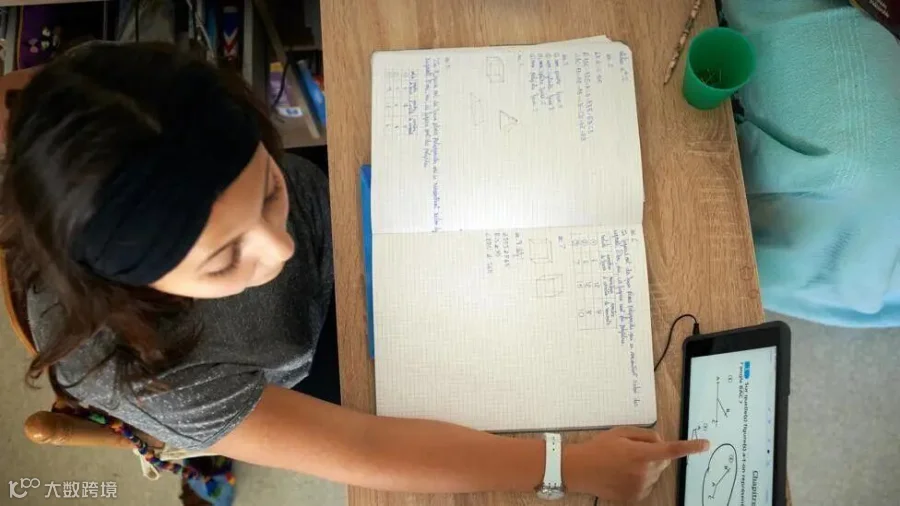
研究表明,女孩可能比男孩更容易产生数学焦虑。
But many of us who fear maths or believe we’re bad at it may be trying to avoid problems that we are perfectly capable of solving with a little effort. So what is maths anxiety and where does it come from?
但是,许多害怕数学或者认为自己不擅长数学的人,可能回避的都是那些做一点点努力就可以解决的问题。那么,数学焦虑到底是什么?它又从何而来呢?
从小恐惧
半生噩梦
The term ‘Mathephobia’ was coined by mathematician Mary de Lellis Gough in 1953 after observing her struggling students; she described it as a “disease that proves fatal before its presence is detected”. Other experts have defined it as “the panic, helplessness, paralysis and mental disorganization that arises among some people when they are required to solve a mathematical problem” and “a general fear of contact with mathematics”.
数学家玛丽·德利斯·高夫通过观察她那些为学业苦苦挣扎的学生,在1953年首次提出“数学恐惧症”一词。她将其描述为:“在人们意识到患病之前,这种疾病就可以展现出它的威力。”其他专家将其定义为 "当需要解答数学问题时,部分人会变得恐慌、无助、麻木、精神错乱 "以及 "害怕与数学的一切接触"。

Beilock and her colleagues have shown that maths anxiety can start as soon as we enter formal schooling. Girls may be more prone to it than boy. Primary school teachers often have high levels of maths anxiety, says Beilock, and in the US and elsewhere, they are mostly female. Since young children tend to identify with adults of the same gender, this means girls are more susceptible to picking up maths anxiety from their female teachers. And having a female teacher with maths anxiety, Beilock’s research shows, makes girls more likely to believe gendered stereotypes about maths, leading to poorer achievement.
贝洛克等人的研究表明,数学焦虑早在我们开始接受正式教育的时候就可能开始了。女孩相比于男孩更容易产生数学焦虑。贝洛克称,小学教师的数学焦虑症更为严重,在美国等地,小学教师大多是女性。儿童倾向于对同性的成年人产生认同感,这意味着女孩更容易受女老师的影响而出现数学焦虑。贝洛克的研究显示,如果女性数学老师自身对数学感到焦虑,女学生则更可能相信女性不擅长数学的刻板性别印象,从而导致数学学习表现不佳。
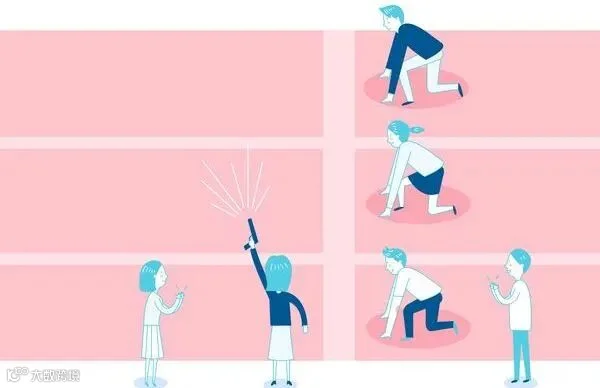
Research by Darcy Hallett, a psychologist at the Memorial University of Newfoundland in Canada who studies maths anxiety, also suggests that early experiences like having unapproachable, angry or frustrated teachers or feeling that the material is moving too quickly are associated with maths anxiety.
加拿大纽芬兰纪念大学心理学家达西·哈雷特致力研究数学焦虑症。其研究表明,在年幼时遇到难以接近并且暴躁易怒的数学老师、或是感觉课程进度过快之类的经历,与数学焦虑的产生有很大关系。
Once you have it, it can be self-perpetuating. Worrying about it can make it worse, says Beilock, whose study of children between the ages of five and eight suggests maths anxiety might impede performance by taxing working memory.
一旦形成了数学焦虑,它可能会伴随终身。贝洛克关于5到8岁儿童的研究表明,数学焦虑会让你的工作记忆产生更大的负担,从而导致数学表现不佳。她称,担心自己的数学焦虑可能会让情况更糟。
But since maths builds on itself, avoiding it makes it harder to catch up. “Math is foundational. If you miss a certain idea, it’s harder to learn the next one,” says Darcy Hallett. “And then you can fall behind, which might make math more of a targeted anxiety compared to other topics.”
因为数学是一门自成一体、环环相扣的学科,越是逃避它就越难以补上落下的知识。达西·哈雷特说:“数学是基础性学科。如果你错过了一个概念,你就更难理解下一个概念,导致逐渐落后于人。这就是为什么相比于其他学科,数学更容易使人焦虑。”
言传身教
春风化雨

Avoiding maths at school might work for those choosing to specialise in other subjects. But society loses out if too many people, including some who could actually be good at maths, avoid taking maths-related university courses or pursuing maths-related careers.
对于那些选择专攻其他学科的人来说,逃避在校学习数学或许是可行的。但如果有太多人(包括那些本可以学好数学的人)都避开与之有关的大学课程或不去从事数学相关的工作,我们的社会将会蒙受损失。
In the US, both the private and government sectors are suffering from a lack of STEM workers, while other countries are also struggling to fill shortages.
在美国,无论是私人企业还是政府部门,都在蒙受着科学、技术、工程以及数学领域的人才短缺。与此同时,其他的国家也在极力弥补此类人才的缺失。
Beilock posits that addressing the issue can begin in the home. But research by Beilock and her colleagues suggests that greater exposure to maths in the home – in this case children who regularly played maths games on an app with their parents – helps children perform better at school. Beilock believes doing maths with their children would also give parents more confidence in their own abilities, making them less likely to perpetuate the idea that maths can’t be learned.
贝洛克认为解决这个问题可以从家庭开始。她与同事们的研究表明,在家中更多地接触数学有助于孩子在学校表现得更好,比如那些常常和家长一起在手机上玩数学游戏的孩子。贝洛克认为,和孩子一起做数学题也会让父母对自己的能力更有信心,从而减少传递“人是学不会数学的”这一执念。
Shulamit Kahn, an associate professor at Boston University’s Questrom School of Business who has written about the gender gap in STEM, believes giving students, particularly girls, good role models “is critical, especially at a young age”. She thinks the key is to get people, especially women, who love maths teaching younger children. That might mean more specific recruitment of people who have maths experience or more on-the-job maths-related training, she says.
舒拉米特·卡恩是波士顿大学奎斯特罗姆商学院的一位副教授,她曾写过文章,探讨关于科学、技术、工程、数学这四个领域中的性别差异。她认为给学生(尤其是女孩)树立良好的榜样“至关重要,尤其在童年时期”。她认为关键是让热爱数学的人(尤其是女性),去教小孩子数学,这可能意味着要专门招聘有数学经验或受过更多数学方面在职培训的人。
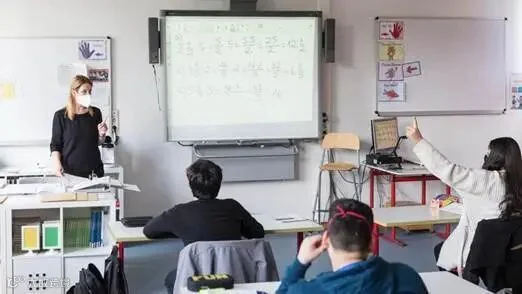
专家表示,学生需要对在数学课上发言感到足够安全。
Helping students feel secure enough to speak up in class is also important, says Einar Skaalvik, who studies maths anxiety at the Norwegian University of Science and Technology. “My research shows that students with math anxiety are scared of looking bad in front of others and won’t ask questions. Teachers need to emphasise that mistakes are part of the learning process.”
挪威科技大学研究数学焦虑的艾纳·斯卡维克称,让学生有足够的安全感来进行课堂发言同样重要。“我的研究表明,有数学焦虑的学生害怕在课上出丑,也不敢问问题。因此老师需要强调,犯错是学习过程的一部分。”
上有焦虑
下有规律
At the higher education level too, there is evidence that addressing the anxiety itself can help older students. Beilock was part of a study from 2014 that showed giving university students with maths anxiety a short expressive writing exercise ahead of a maths tests helped improve their performance.
在高等教育层面也是如此。有证据表明让高年级的学生直面焦虑会对他们有帮助。贝洛克参与的一项2014年的研究发现,在数学考试之前,让患有数学焦虑的大学生们写一篇小作文来抒发心中对数学的恐惧,有助于改善他们的考试表现。

Some higher education providers offer classes to address maths anxiety. Montgomery College, a public community college in Maryland, has offered a class dedicated to overcoming maths phobia and building confidence for several years.
一些高等教育机构开设了解决学生们数学焦虑的课程。蒙哥马利学院,马里兰州的一所公立社区大学,在多年前就开始专设一门克服数学恐惧、塑造数学自信的课程。
Research carried out at the college also showed that more autonomy when studying reduced students’ anxiety and improved performance. In response, the college introduced more self-paced learning; students solve problems online using an AI programme that fits questions to performance, with an instructor on hand to answer questions. Students are less likely to feel the pressure of falling behind the rest of the class or embarrassed to ask questions, and the instructor becomes less intimidating.
这所社区大学的研究也表明,增强学习的自主性有助于减少学生的焦虑感,并提升他们的表现。为此,高校引进了更适合个人进度的学习方式。学生用AI程序在线解决难题,程序会根据学生的表现调整问题,并配有一位讲师负责答疑。这样,学生们就不太会因为自己落后于同班同学而感到压力山大,或是羞于提问,而且老师也变得不那么令人害怕了。
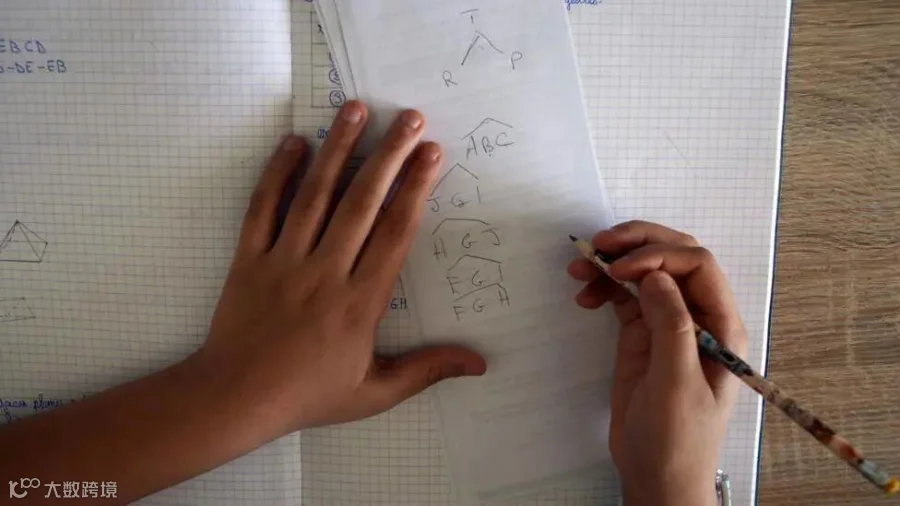
研究表明,更多的去接触数学(包括在家学习)对学生有益。
Of course, there will always be people who will want to avoid maths at all cost. But those people might benefit the most from tackling the anxiety caused by numbers, according to Beilock. “Math is part of everyday life,” she says. “If we aren't helping those who are most math anxious best tackle activities involving math, it’s hard to see how folks can live up to their potential.”
当然,总会有人无论如何都想逃避数学。然而根据贝洛克所言,现在有了完美应对数字焦虑的机会,或许这些人就是最大受益者。她说:“我们的生活离不开数学。如果我们不去帮助那些最对数学感到焦虑的人,让他们以最佳状态去应对有关数学的活动,那么想要看见普通人们发挥潜能,就很难了。”

用心智的全部力量,来选择我们应遵循的道路。——笛卡儿
原文链接:
https://www.bbc.com/worklife/article/20200506-how-to-tackle-your-anxiety-about-maths
编译: 戴怡安 王夏雯 王姝 祖芃芃 吕适言
审核: 周雨旸
排版: 吕适言
指导教师: 刘佳