

编者按:
最近,“种族偏见”这一话题被再次顶上热榜。你可知道,歧视无处不在?美发店带有种族色彩是一个没有人谈论的肮脏秘密,除非亲身经历过,否则你可能不知道它的存在。
全文约5000字,阅读需15分钟
Not all stylists are trained to do Black hair, which has created segregation in salons.
并非所有发型师都受过为黑人做发型的培训,这就导致了美发沙龙的种族隔离现象。
Salon segregation is a dirty secret no one talks about, and unless you’ve experienced it, you might not know it exists.
美发店带有种族色彩是一个没有人谈论的肮脏秘密,除非亲身经历过,否则你可能不知道它的存在。
Although the beauty industry professes inclusiveness, stylists aren’t being trained in all hair types, including textured hair common among Black women. As a result, Black women cannot be expertly serviced in all salons. This is problematic, especially as the salon is a place dedicated to self-care, a place to be pampered and feel beautiful.
尽管美容行业自称具有包容性,但却并未对美发师进行所有发型的培训,包括黑人女性常见的质感粗糙的头发。因此,不是所有的美发店都能为黑人女性提供专业的服务。这种现象是有问题的,尤其是在美发店,这样一个致力于自我护理的地方,一个可以宠爱自己、感受美丽的地方。
“Hair is a microcosm of different issues in America today,” said beauty entrepreneur Myka Harris of Highbrow Hippie, a holistic salon in Los Angeles.
洛杉矶一家名为嬉皮士沙龙的全线美容院的美容企业家米卡·哈里斯说:“头发是当今美国各种问题的缩影。”
As an extension of identity, hair is deeply tied to ritual and memory. Perhaps your mother pressed the locks from your first haircut in a keepsake book, or you have hazy recollections of a parent combing your hair in a bath. For African-American women especially, hair is culturally laden with significance and collective memory.
作为身份的延伸,头发与仪式和记忆紧密相连。也许你的母亲把你第一次理发时的头发夹在了一本纪念册里,也许你对父母在洗澡时为你梳头有着模糊的记忆。尤其是对非裔美国女性来说,头发在文化上承载着重要意义和集体记忆。
Authors Ayana D. Byrd and Lori L. Tharps explain in their seminal book “Hair Story” that before the African diaspora, hair functioned as part of a complex language system, indicating geographic origin, community rank and marital status, among other cultural markers. Slave owners would systematically shave the heads of enslaved Africans, thus severing any connection with Africa. So today, when people refer to natural Black hair as “untamed” or “kinky,” they are being more than insensitive ― they’re enforcing centuries of colonial oppression.
作者阿亚娜·D·伯德和洛里·L·塔尔普斯在她们具有深远意义的著作《头发的故事》中解释说,在非裔遍布世界各地之前,头发是一个复杂语言系统的一部分,表明地域来源、社会地位和婚姻状况,以及其他文化标志。奴隶主会系统地剃掉非洲奴隶的头发,从而切断他们与非洲的一切联系。所以今天,当人们把黑人自然的头发称为“未驯服的”或“古怪的”,他们不仅仅是无情刻薄——他们是在实施延续几个世纪的殖民压迫。
But it’s 2020, and most people know better. The thing is, institutional racism is so entrenched in the fabric of cultural ethos that when it comes to the beauty industry — at the intersection of the personal, political and profitable — remnants of cultural hegemony can be insidious. Rarely do we have an honest discussion about the types of salons we choose as it pertains to race and why it has been accepted for beauty professionals to not be knowledgeable about all types of hair. But how can you dismantle something you can’t put your finger on?
但如今是2020年了,大多数人都更为清楚这一点。事实就是,由来已久的种族主义在文化道德观的架构中根深蒂固。因此,当涉及到美容这个站在个人、政治和盈利交叉点上的行业时,文化霸权的残余可能更为隐匿而难以察觉。我们很少坦诚的讨论我们选择的美发店,因为它可能会与种族有关,还会引发“为什么人们能接受美发师不了解所有类型的头发”的疑问。但是,如果不能着手处理,又谈何拆解这个问题呢?
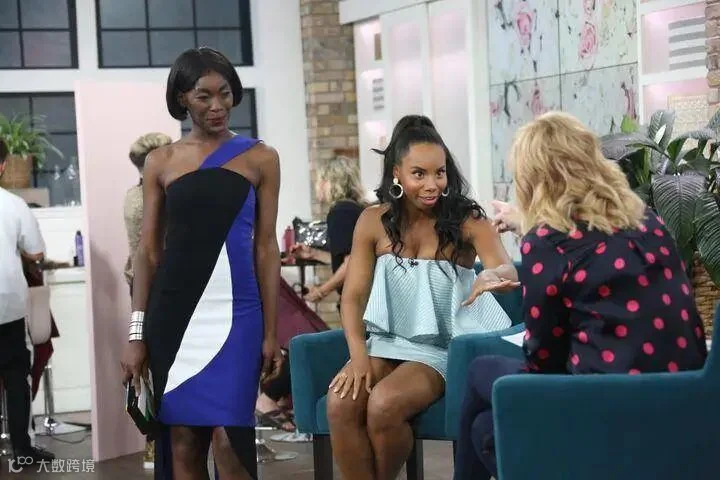
Cindy Conroy (center) taping a TV segment.
辛迪·康罗伊(中间)录制电视节目片段
The salon is still one of the last institutions that still stand as being unofficially segregated by race. Michelle O’Connor, the artistic director for Matrix and creative director for the Salon by Instyle, explains salon segregation as “Black and brown women going to salons that cater to this hair type specifically, a Black salon.” She told HuffPost that racial bias in the salon “starts with and ends with the beauty professional,” but adds that cosmetology school is complicit in the bias.
美发店仍然是最后一批大家都心知肚明有强烈种族色彩的行业之一。美奇丝(美国专业美发品牌)的艺术总监、兼英斯特尔美发沙龙的创意总监米歇尔·奥康纳将美发沙龙的种族偏见解释为“黑人和棕色人种的女性会去那种专门为她们那类头发做发型设计的沙龙,也就是‘黑人发廊’”,她告诉《赫芬顿邮报》说,美发店的种族偏见“始于美发专业人士,止于美发专业人士”,但她还补充说,美发学院与这种偏见的产生脱不了干系。
“The standard in Milady [the cornerstone beauty industry textbook], up until recently, has failed to properly address the unique needs of hair that has texture,” O’Connor said. “It’s not an expectation to pass the cosmetology board. If you wanted to learn Black hair, you had to go to a Black cosmetology school such as Dudley’s or you had to learn it from your mother, grandmother and so forth.”
奥康纳说:“直到近年,米拉迪(基础美容行业教科书)的标准还未能正确处理这类(在黑人中常见的)发质的独特需求。如果你想学习怎样处理黑人的头发,你在美容协会是学不到的,你只能去达德利这样的黑人美发学校,或者是向你的母亲、祖母她们学习。”
In the current zeitgeist, there’s a movement for people to be educated in cultures other than their own, and for stylists in particular to be adequately educated in all types of hair. However, this isn’t always the case.
在当前的时代潮流下,人们往往需要学习其它文化。发型师尤其需要充分学习如何处理各种类型的头发。然而,情况并非总是如此。
“As a Black woman, and someone who goes on TV regularly, I’m hypersensitive about who touches my hair,” said Cindy Conroy, a TV personality and stylist. “My hair needs an expert and gentle touch to keep it healthy,” she explained. “I feared [an inexperienced stylist] might not know how to gently coax my locks into bouncy curls.”
“作为一名经常上电视的黑人女性,我非常在意给我做头发的是谁,”电视明星兼造型师辛迪•康罗伊说。“我的头发需要专业人士轻轻地打理才能保持健康,”她解释道。“我担心(没有经验的造型师)可能不知道怎么柔和地把我打结的头发理顺成富有弹性的卷发。”
This fear is rooted in what was a traumatic salon encounter Conroy experienced as a teenager. “I went to a regular chain to get my hair done. All the stylists in the salon were white. The woman who was servicing me said, ‘Your hair would be easier for me to do if it was relaxed.’ My hair was relaxed.
This comment made me feel less than. It scarred me a bit.” Deepening the insult, the stylist had no idea she was being offensive. “That stung,” Conroy said.
这种恐惧源于康罗伊青少年时期去过的一个糟糕的发廊。“我去了一个普通的连锁店做头发,那个发廊里的所有造型师都是白人。给我服务的那位女性说’要是你的头发做过软化我就省事多了。’于是我的头发就做了软化。她的话让我觉得很难过。我有点被伤到了。“更糟的是,那个造型师并不知道她的话在冒犯人。“那句话刺痛了我的心”康罗伊说道。
“Look, this was a long time ago. It’s 2020 now and things have changed. Recently, I was traveling in Paris and wanted to get my hair done.” A white stylist pleasantly surprised Conroy. “The whole process was seamless and positive. She knew how to wash, detangle, and flatiron. I even agreed to a trim. Typically I would never do that – but it just felt right. I felt at ease and pampered. So I let her do her thing.”
“看,这是很久以前的事了。现在已经到了2020年,一切都不同以往。最近,我去巴黎旅游的时候想做一下头发。”一位白人造型师给了康罗伊一个惊喜。“整个过程都完美又令人愉快。她懂得如何清洗、理顺、拉直。我甚至同意修一修头发。一般情况下,我是不会这么做的,但那时我觉得自己就该这么办。我非常放松,感受到了她对头发的细心照料。所以我就由她自己忙了。“
01.These styles represent a push back
黑人造型代表着一种倒退
The dynamic of white women servicing Black women is, according to O’Connor, “something that’s rare.” When you add in the intimate element of touching someone’s hair, and “understanding another’s culture, their pain, and appreciating that their beauty is expansive,” she said, matters get complicated. “We wear Bantu knots, cornrows, locs, big Afro curls and twists. We still live in a culture where there is discomfort surrounding these styles. These styles represent a push back.”
奥康纳认为,白人女性为黑人女性服务的动力是,“这是一件稀奇事”。“当你在触碰别人头发时加入了亲密的元素,并去理解其它地区的文化与伤痛、欣赏他们豪爽的美时,事情就会变得更为复杂。”她说。“我们留班图结,垄沟辫,脏辫,还有黑人爆炸头与麻花辫。我们仍旧处于不接受这些发型的文化中。它们代表着一种倒退。”
注释:
班图结:将头上的编发盘绕成若干个小发髻。
垄沟辫:非洲传统发型,类似于脏辫,有时用珠子或贝壳装饰。
Demi Grace, a model, singer, songwriter, and beauty influencer who appeared in a 2017 Pantene ad, making history as the first woman with locs to score a major beauty campaign, told HuffPost that it’s not uncommon for stylists who aren’t Black to come to set without the skills needed to service Black models.
黛米·格蕾丝是一位偶像歌手、歌曲作家,同时也是一位美容方面的意见领袖,曾出现在2017年的潘婷广告中,是历史上第一个以脏辫的形象出现在大型的美容广告活动中的女性。她对赫芬顿邮报表示,对于不是黑人的造型师来说,不具备服务黑人模特应有的技术就上阵是常有的事。
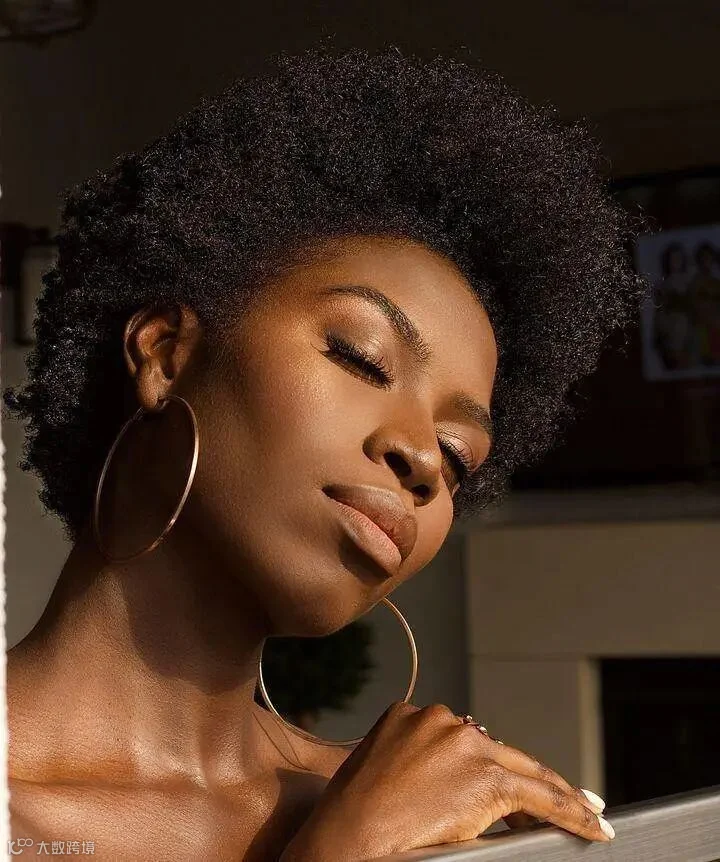
Demi Grace, who starred in a 2017 Pantene campaign.
黛米·格蕾丝在2017年潘婷的广告活动中出演。
02.“No one flat-out says it”
没人承认这一点
“Stylists on set are prepared,” Grace told HuffPost. “Before coming to work they’ve already seen photos of the models. So when you go on set and you don’t see a cadre of products very popular within the Black hair community, products that every Black girl has at home like, edge control, heat protectant, sheen spray, or any kind of Black Girl Magic hair product, it becomes obvious that the stylist doesn’t do Black hair.”
“现场的造型师都准备就绪,”格蕾丝告诉赫芬顿邮报,“在开始工作之前,他们已经看过了模特的照片。因此,当你到达现场,却没有看到黑人美发市场上流行的,深受每一个黑人女孩喜爱的产品都没有时——压平碎发的定型发胶,热保护剂,光泽喷雾,任何一种黑人女孩的魔法美发产品——就能明显看出来,造型师们没有为黑人做过发型。”
White stylists are loath to admit they don’t know how to service textured hair. (Although we spoke informally to a handful of white stylists, we couldn’t get any to go on record for this story.) “No one flat-out says it,” Grace explained. “‘It looks fine as-is’ is a popular cop-out.”
白人造型师不愿承认他们不懂如何处理质地粗糙的头发。(尽管我们私下与一些白人造型师谈过,但这些信息没有办法拿到明面上来。)“没人直接承认这点。“格蕾丝解释道。“他们总是说着‘这类头发看起来挺好的’,避重就轻。”
What happens on set has a direct relation to what happens inside the salon, as the proliferation of images literally puts bodies in chairs. “There’s not enough knowledge about how healthy Black hair is supposed to look,” Grace said. However, following such a positive experience working with Pantene, Grace is optimistic about the direction beauty brands and media are headed. “Pantene had a huge hand in changing the game [with my commercial]. Now you’ll see braids and Afros.” Grace said more beauty brands are hip to marketing products specifically to women who wear these styles.
拍摄片场的情景和美容沙龙里的情景紧密相关,可以说是对号入座、如出一辙。格雷斯说:“人们很少知道健康的黑人头发究竟是什么样子的。”然而,在与潘婷合作后,格蕾丝对美容品牌和媒体的发展方向有了乐观态度。“潘婷利用我的广告,在改变市场规律方面发挥了重大作用。现在,你可以在广告中看到编发和爆炸头了。”她说,更多的美容品牌都开始推销专门为留这些发型的女性打造的产品。
Women like Harris ― who partnered with her longtime friend and celebrity colorist Kadi Lee to open a holistic wellness salon in Los Angeles ― are invested in making sure the salon stays sacred. And that means being inclusive of everyone.
哈里斯与她的老朋友、著名色彩师卡迪·李合作,在洛杉矶开设了一家全身健康沙龙。哈里斯做这样的投资,是为了确保沙龙保持神圣,并意味着她要包容所有人。
03.Hippie Salon
嬉皮士沙龙

The Highbrow Hippie Salon in Los Angeles.
洛杉矶时髦的嬉皮士沙龙。
Highbrow Hippie, Harris and Lee’s atelier space that offers yoga and meditation in addition to a full range of clean beauty services, is a salon in the historical sense of the word, built to nourish community as a space where people go to practice self-care and connect with others.
哈里斯和李的工作室嬉皮士沙龙,除了提供全方位的清洁美容服务外,还提供瑜伽和冥想(课程),这是一个具有历史意义的沙龙,旨在滋养社区,使人们能够去进行自我护理并与他人建立联系。
As a colorist at Highbrow Hippie, Lee works with many women outside her race. And to move the dial in a more positive direction, Harris and Lee oversee the training of Highbrow Hippie stylists, making sure they’re all trained to do Black hair.
作为嬉皮士沙龙的色彩师,李与许多与她的种族不同的女性共事。为了朝着更积极的方向迈进,哈里斯和李负责监督店里造型师的培训,确保他们都受过处理黑人头发的培训。
“When you get out in the world, the people who succeed the most take on all types of hair,” Harris said. “Our stylists practice on us,” Lee added.
哈里斯说:“当你到外面的世界时,最成功的人有各种各样的发型。”李补充说:“我们的造型师拿我们来练手。”
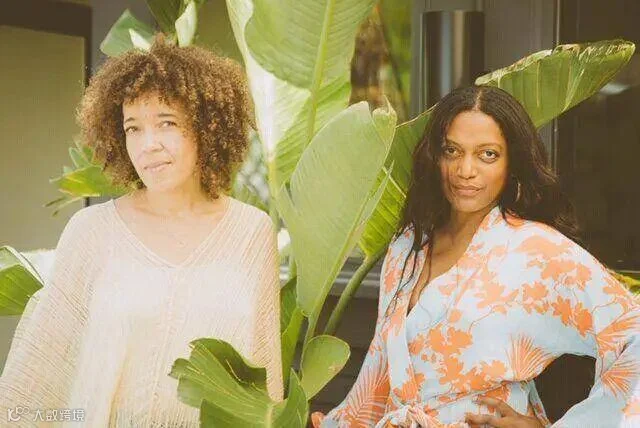
Myka Harris (left) and Kadi Lee (right), founders of Highbrow Hippie.
嬉皮士沙龙的创始人:米卡·哈里斯(左)和卡迪·李(右)
Likewise, at Matrix, O’Connor trains thousands of hairdressers on crossing ethnicities as it pertains to hair. “I teach them that hair is similar to fabric,” she said. “Saying ‘I don’t do Black hair’ becomes the equivalent to a designer saying ‘I refuse to work with silk or wool.’ It sounds asinine.”
同样,在美奇丝,奥康娜培训了数千名美发师,让他们在做发型时跨越种族界限。她说:“我告诉他们,头发和布料很像。说‘我不做黑人的头发’就相当于设计师说‘我拒绝用丝绸或羊毛面料’,这听起来很荒谬。”
Sho, a blogger and stylist we spoke with, urges Black women to speak up if they’re not satisfied with any personal care service. “As a hairstylist, you should be educated on how to deal with every hair type.” In the event that a stylist doesn’t have the necessary skill set, “You need to politely find a solution,” she said. “As a [wardrobe] stylist, if I give a client a look that doesn’t work, my client is going to speak up. It has nothing to do with race. People have different preferences and looks. If this is your passion and you’ve studied your craft, race shouldn’t play a factor. It’s hair.”
Sho是我们采访过的一位博主兼造型师,她敦促黑人女性如果对个人护理服务不满意,就大声说出来。她说:“作为一名发型师,你应该学习如何处理每种发型。如果造型师没有掌握必要的技能,则需要礼貌地找到解决方案。作为一名造型师,如果我给客户做的造型不怎么样,我的客户会说出来。这与种族无关。人们有不同的喜好和长相。如果这是你热爱的事业,你已经学习了手艺,客人的种族不应该成为影响造型的因素,你做的发型才是。”
Lee echoed this sentiment. “Why are we focusing on physical attributes? There’s so many deeper things to focus on.”
李赞同这种观点:“为什么我们要关注身体特征?有很多更深层的东西需要我们去关注。”
点击下方“阅读原文”,收获原汁原味英语新闻~
编译 | 穆沁阳 靳晓乐 赵寒旭 罗青婳 李汪悦 杨林姗
排版 | 赵寒旭
审核 | 戴怡安
指导教师 | 刘佳