


编者按:
你也许认为,浏览新闻仅仅是一种消磨时间的方式,看过便如过眼云烟,不复记忆。但你是否记得疫情最初爆发时,浏览大量新闻所带来的信息过载与心理焦虑?其实新闻无孔不入,正在悄悄改变着我们的方方面面,小到改变我们对某件事的态度,大到影响心脏病发作的几率。
2013年,美国波士顿马拉松遭恐怖袭击,两颗炸弹在终点爆炸,上百人伤亡。加利福尼亚大学教授霍尔曼及其同事就此次恐怖袭击对人们心理的影响进行研究。毫无疑问,事件的亲历者心理受到了创伤。
但另一群人遭受的心理创伤更大,这群人虽然没有亲眼目睹爆炸现场的惨状,但在悲剧发生之后每天花六小时以上的时间浏览新闻报道。奇怪的是,那些亲历者和在恐袭中失去亲友的人反而没有表先出预期的严重焦虑感。
事实上,新闻报道远不止是一种信息的良性来源。从我们对于移民的态度到我们梦境的内容,新闻报道能够以一种“润物细无声”的方式潜入我们的生活并改变其轨迹。它可能引导我们进行错误的风险评估,改变我们对外国的看法,甚至可能影响整个经济的健康发展。
It turns out that news coverage is far more than a benign source of facts. From our attitudes to immigrants to the content of our dreams, it can sneak into our subconscious and meddle with our lives in surprising ways. It can lead us to miscalculate certain risks, shape our views of foreign countries,and possibly influence the health of entire economies.
它会增加我们患上创伤后压力、焦虑和抑郁的风险。当下的研究表示,新闻报道所导致的心理问题甚至会影响我们的生理健康——增加我们在数年后心脏病发作或出现健康问题的几率。
It can increase our risk of developing post-traumatic stress, anxiety and depression. Now there’s emerging evidence that the emotional fallout of news coverage can even affect our physical health – increasing our chances of having a heart attack or developing health problems years later.
尤其是疫情的爆发,让我们意识到了被新闻包围的威力。除了收看官方渠道一直在播报的疫情相关数据,我们还会从流媒体、社交软件、广播、网页新闻等各种渠道不断获取信息。
每天浏览几个小时新闻对人的影响远比你想象的大。
关键是,为什么呢?
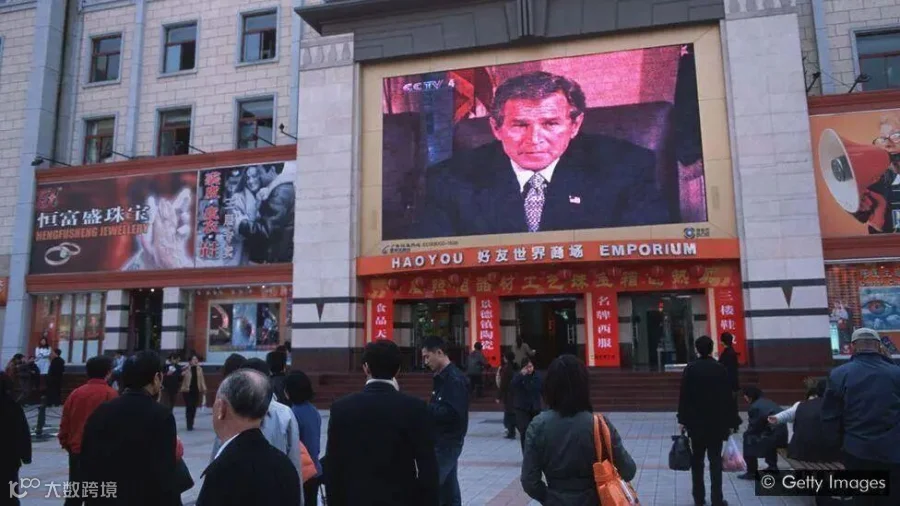
新闻对人的影响还是心理学上的谜团,因为新闻中涉及的事件并不会直接影响我们的生活。
为何新闻能对人产生这么大影响?
至于为什么新闻能够对人产生如此大的影响,一个潜在原因就是所谓的“消极偏见”——一种众所周知的心理怪癖,它意味着我们更关注发生在我们周围的糟糕的事情。
One potential reason the news affects us so much is the so-called “negativity bias”, a well-known psychological quirk which means we pay more attention to all the worst things happening around us.
有人认为这种偏见是为了保护我们远离危险而进化出来的。这有助于解释为什么一个人的缺陷往往比他优势更显而易见,为什么失去比得到更让我们难以忘怀,为什么恐惧比机会更有激励作用。
新闻报道的内容沉重也需要归咎于“消极偏见”。2014年某天,俄罗斯新闻网站City Reporter决定全天报道正面性新闻,但却流失了二分之三的读者。正如科幻作者Arthur C Clarke所说,乌托邦社会里的新闻会十分乏味。
The bias may also be responsible for the fact that the news is rarely a light-hearted affair. When one website – the City Reporter, based in Russia – decided to report exclusively good news for a day in 2014, they lost two-thirds of their readership. As the science fiction writer Arthur C Clarke put it, the newspapers of Utopia would be terribly dull.
那么这些额外剂量的负面消息会影响我们的观念吗?
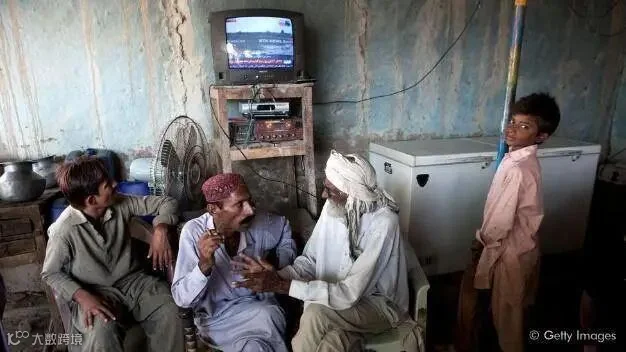
人们往往担心危机会给他们的未来带来什么影响,这可能会导致他们浏览更多的新闻。
未来一定会更差这个预言本身就是错误的,它还具有潜在的破坏性。如果人们认为未来五年他们会没有工作和收入的话,相应地他们就不会去投资,这对于经济来说百害而无一利。如果将这种情况极端化,我们集体的悲观主义很可能导致预言成真。
The view that the future is always worse is plainly wrong. It’s also potentially damaging. If people think they won’t have a job or any money in five years, they aren’t going to invest, and this is harmful for the economy. Taken to the extreme, our collective pessimism could become a self-fulfilling prophecy.
新闻会在无意间歪曲我们对事实的认识——且并不一定朝更好的方向。我们对风险的认知可以印证这一点。
以环球旅行为例。如你所料,人们假期时一般不想去政局动荡、有战争或是恐怖活动高发的地方旅行。在某些情况下,新闻是了解这些信息的直接来源——因为新闻常常传达政府的指令。

新闻可以改变我们对国外安全问题的看法。
新闻改变观念的方法之一便是“框架效应”,即某件事情(例如事实或选择)的呈现方式会影响你对它看法。例如,一种治疗疾病“95%有效”的药物,听起来比“5%失败”的药物更有吸引力。结果是相同的,但正如七八十年代两位经济学家发现的那样,我们并不总能理性思考。
One way this is thought to happen is through “framing effects”, in which the way something – such as a fact or choice – is presented affects the way you think about it. For example, a drug which is “95% effective” in treating a disease sounds more appealing than one which “fails 5% of the time”. The outcome is the same, but – as a pair of economists discovered in the 70s and the 80s – we don’t always think rationally.
一则研究中,当科学家们向参与者展示的新闻故事中包含了相同的政治动荡或恐怖主义事件,但措辞不同时,参与者们对这个国家是否安全的看法会有所不同。例如,说“基地组织和相关的激进伊斯兰组织”组织了此次恐怖袭击,比说“国内反叛分离主义组织”更让人害怕——尽管两者的含义相同。
In one study, when scientists presented participants with news stories containing equivalent, but differently phrased, statements about political instability or terrorist incidents, they were able to manipulate their perception of how risky that country seemed. For example, saying a terrorist attack was caused by “al-Qaeda and associated radical Islamic groups” was considerably more concerning than saying “Domestic rebel separatist group” – though both have the same meaning.
有时,这些微妙的影响可能会带来生死攸关的后果。
2014年的一项研究表明,那些在新闻报道中曝光率过高的事物——比如脑癌,人们对其发病率的估计常常远高于它实际的发病率;反之,那些不常被提及的——例如男性生殖性癌症,在人们眼中的发病率则远低于它的实际发病率。
A 2014 study found that the public generally view cancers which are overrepresented in the news – such as brain cancer – as far more common than they really are, while those which aren’t often discussed – such as male reproductive cancers – are seen as occurring much less frequently than they do.
人们是否低估了自己患某些癌症的风险,从而错过了早期预警信号?
有趣的是,新闻报道可能会影响公众的看法,进而影响政府资源的分配。
Intriguingly, news coverage might be shaping public perception, which, in turn, could be influencing the allocation of government resources.
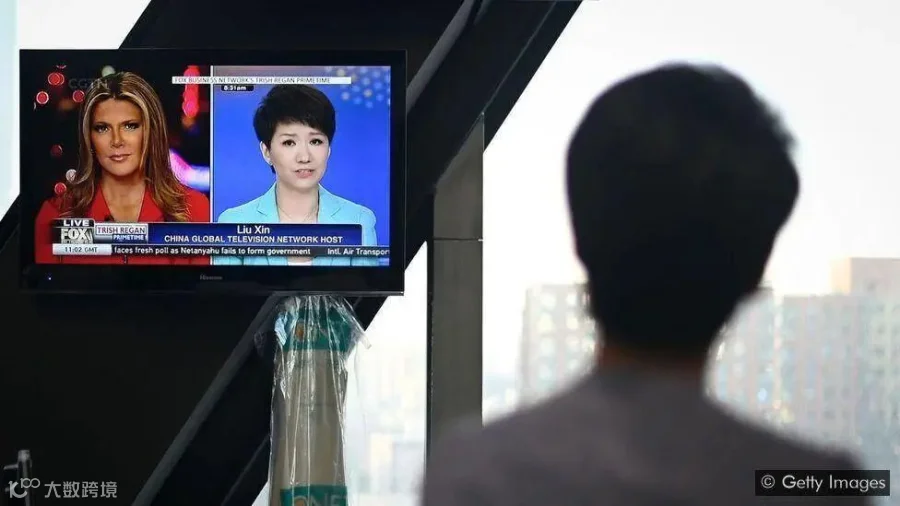
新闻可能导致人们对风险的错误评估。
最后,有越来越多的证据证明,新闻可能渗透进我们的梦里。
Finally, there’s growing evidence that the news might even infiltrate our dreams.
在目前的全球封锁中,很多人——至少是轶事——都说他们的梦境异常生动和可怕。一种解释是,这些梦境是我们的想象力变得疯狂的结果,另一个原因是我们对梦的记忆比平时好。但这也可能与新闻对疫情的描述有关,梦的改变和电视上的事件有着密切的联系。
新闻对我们有多少坏处?
在连续数月报道关于新冠疫情的头条新闻之后,有迹象表明一场冠状病毒焦虑危机即将来临。
心理学家们早已知晓新闻本身会增加额外的负面影响。这在危机之后尤为明显。例如,在2014年埃博拉疫情、9/11袭击、2001年炭疽大流行和2008年四川地震之后,一个人接触的相关的新闻报道越多,他们就越有可能感到压力、焦虑,越容易出现创伤后应激障碍等症状。
Psychologists have known for years that the news itself can add an extra dose of toxicity. This is particularly apparent following a crisis. After the 2014 Ebola crisis, the 9/11 attacks, the 2001 anthrax attacks, and the 2008 Sichuan Earthquake, for example, the more news coverage a person was exposed to, the more likely they were to develop symptoms such as stress, anxiety and PTSD.
新闻对人的影响是一个心理学上的谜团,因为大多数新闻实际上并没有直接影响到我们。
The impact of news is something of a psychological mystery, because most of it doesn’t actually affect us directly.
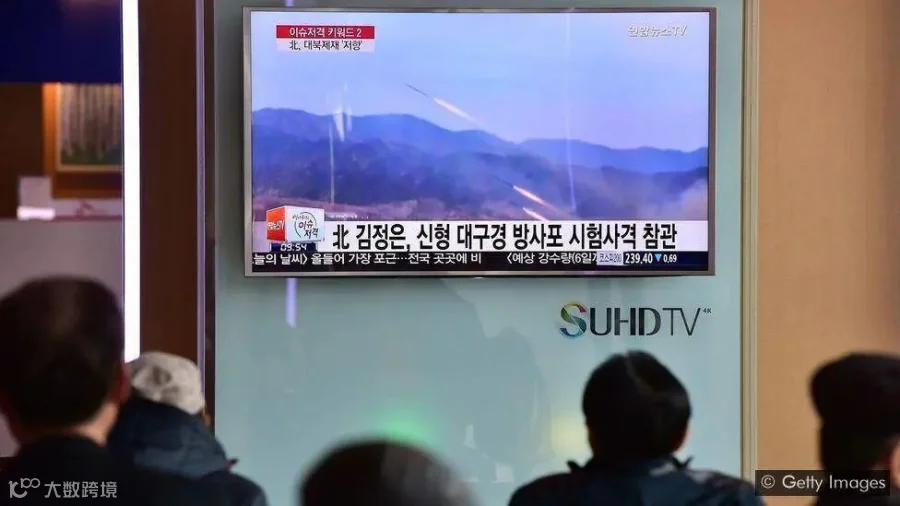
当某条新闻让我们感到焦虑时,有新的证据表明它会在未来数年影响我们的健康。
对此,一种可能的解释是“情绪预测”。顾名思义,这是我们对于未来将要发生的事情的情绪上的预测。据欧文大学的心理学家丽贝卡·汤普森说,大多数人对自己的能力相当有信心,“就像你想象明天会中彩票一样,你就会感到很开心。”
One possible explanation involves “affective forecasting”, which is the attempt to predict how we will feel about something in the future. According to Rebecca Thompson, a psychologist at the University of Irvine, most people feel fairly confident in their ability to do this. “Like if you were to imagine winning the lottery tomorrow, you would think you would feel great,” she says.
奇怪的是,当你问人们在这些会改变人生的关键事件之后的真实感受时,结果往往是这些事件对我们情绪的影响远远小于我们的预期。
汤普森说:“如果你在生活中遇到了真正让你担心的重大威胁,那么尽可能多地收集有关它的信息以便了解情况是很正常的。”可这使我们陷入信息过载的陷阱。
“If you have a really big threat in your life that you're really concerned about, it’s normal to gather as much information about it as possible so that you can understand what's going on,” says Thompson. This leads us into the trap of overloading on news.
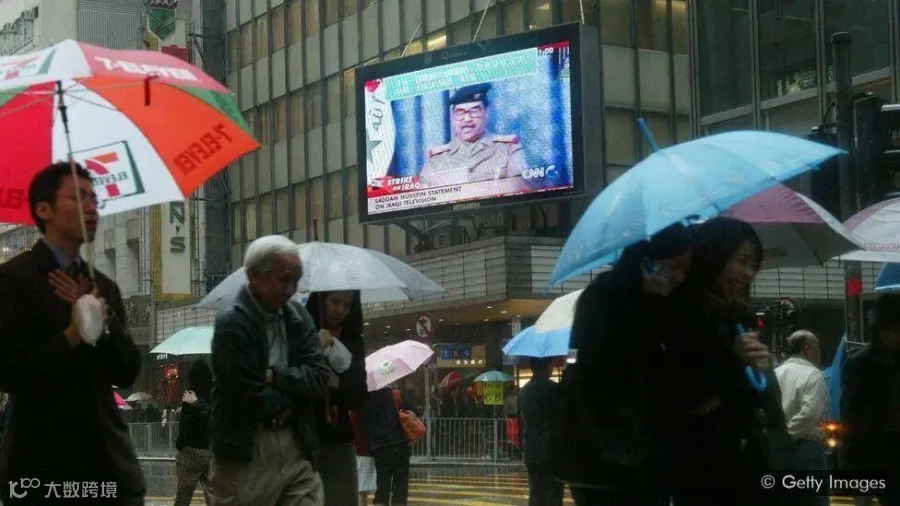
新闻报道能够以一种“润物细无声”的方式溜进我们的潜意识并影响我们梦境的内容。
事实上,负面新闻报道不仅会让我们对于报道本身产生负面情绪,还会影响我们生活中的其它方面——从财务状况到恋爱关系。2012年的一项研究发现,读过较多负面新闻的女性更容易在挑战面前感到压力。
In fact, not only can news coverage of crises lead us to catastrophise about them specifically, but also everything else in our lives – from our finances to our romantic relationships. A 2012 study found that women who had been primed by reading negative news stories tended to become more stressed by other challenges.
负面新闻还能提高一个人的心率。有迹象表明,负面新闻可能会对我们的长期健康产生更严重的影响。一个研究小组发现,浏览4个小时或更长时间的”911“事件报道,数年后出现心率加快和心血管问题的可能性更大。
Negative news also has the power to raise a person's heart rate – and there are worrying signs that it might have more serious implications for our long-term health. A team found that exposure to four or more hours of early 9/11 coverage was linked to a greater likelihood of faster heart rate and cardiovascular problems years later.
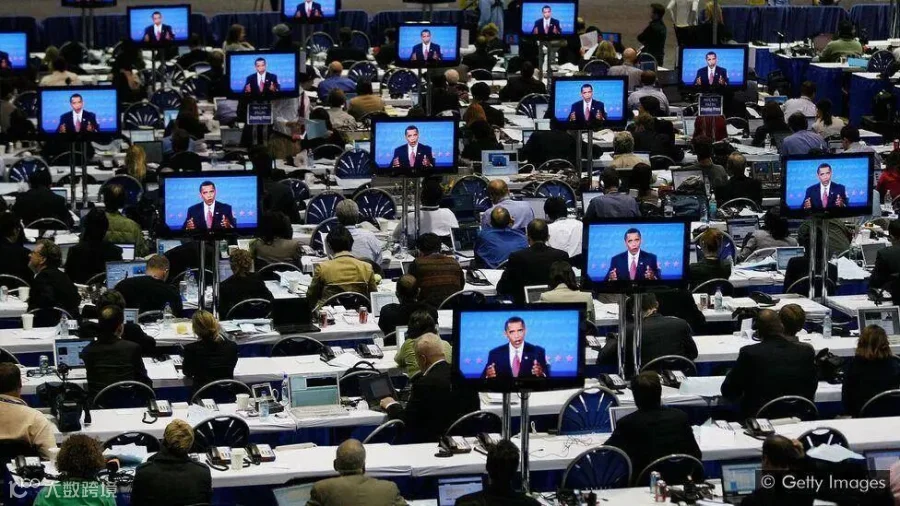
每天浏览几个小时新闻对人的影响远比你想象的要大。
为什么发生在陌生人身上的那些有时远在千里之外的事情,会对我们产生如此大的影响呢?
电视媒体中生动的画面是罪魁祸首之一。有时新闻是在画面背景中播报的,新闻播报员讲述着一个故事,在此过程中同样的画面一遍又一遍地重复。重复性也是它们产生如此巨大影响的原因。
One reason is that the vivid depictions found in televised media are to blame. Sometimes the news is on in the background and for the whole time the reporter is telling a story, they’ll have the same images repeating over and over. The repetitiveness is also why they have such an impact.”
霍尔曼指出,新闻并非也从未曾仅仅是忠实地报道一个接一个的事件。它还是一种娱乐形式,媒体利用它来争夺我们宝贵的时间。许多新闻组织都依赖于广告收入,所以他们通过夸张来吸引观众以期他们继续观看。
Holman points out that the news is not – and has never been – just about faithfully reporting one event after another. It’s a form of entertainment, that the media uses to compete for our precious time. Many of these organisations are dependent on advertising revenue, so they add a sense of drama to hook in viewers and keep them watching.
霍尔曼认为问题的部分在于——我们从未像今天这样容易接触到全球性大事件,以至于我们有可能与世界上任何地方的集体创伤产生共情,就像它就发生在隔壁一样。这对我们的心理健康是个挑战。
Part of the problem, Holman suggests, is that global dramas have never been so accessible to us – today it’s possible to partake in a collective trauma from anywhere in the world, as though it were happening next door. And this is a challenge for our mental health.
所以,当你下次发现自己在哪天第无数次查看新闻头条,或者焦急地浏览社交媒体时,请记住:这些新闻对你的影响可能比你预想的要大。
原文链接:
https://www.bbc.com/future/article/20200512-how-the-news-changes-the-way-we-think-and-behave
编译 | 祖芃芃 陈语姝 庄雯怡
排版 | 祖芃芃
审核 | 赵寒旭