


在肯尼亚,婴儿成为一种“商品”正明码标价地在黑市流。
黑市的触须已经伸至街头、非法诊所,甚至是公立医院。
非法暴利的背后,是根深蒂固的文化糟粕、难以消弭的贫富差距、藏形匿影的医疗腐败,更是生存与人性的博弈。
牺牲品却是街头流浪的母亲,和不知所踪的孩子。
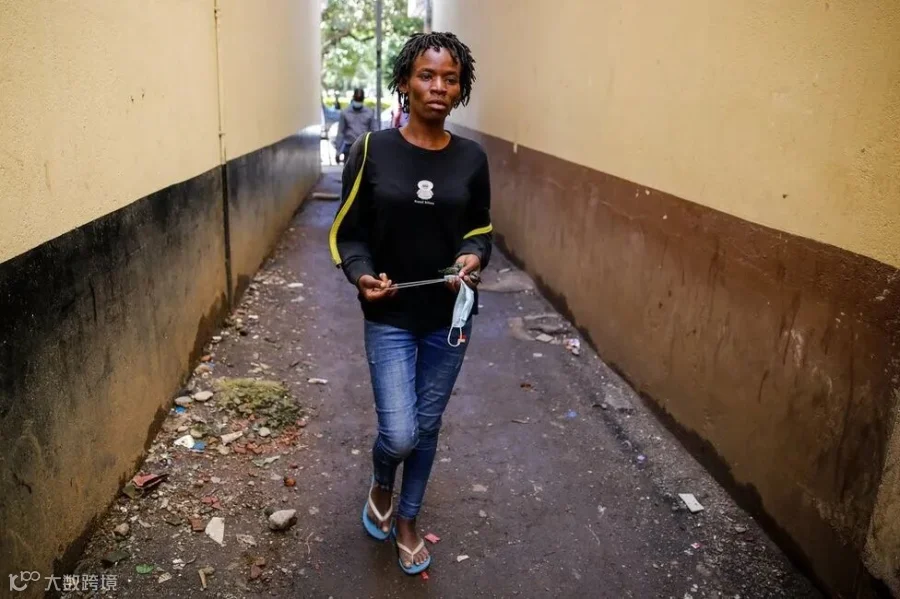
(Rebecca的长子被拐走:“我希望有一天他能回到我身边。”)
Somewhere, Rebecca's son is 10. He could, she knows in her heart, be dead. The last time she saw him, Lawrence Josiah, her firstborn son, he was one. She was 16. It was about 2am one night in March 2011 and Rebecca was drowsy from sniffing a handkerchief doused in jet fuel — a cheap high on the city's streets.
Rebecca的儿子今年应该已经十岁了,但没人知道他在哪里。Rebecca明白,他有可能已经夭折了。她最后一次见到长子Lawrence Josiah时,他才刚刚1岁,Rebecca自己也只有16岁。那是2011年三月的某一天凌晨两点,Rebecca正闻着一块沾满喷气式燃料的手帕昏昏欲睡——这是当地最廉价的毒品。
She sniffed jet fuel because it gave her the confidence to go up to strangers and beg. By the time she was 15, Rebecca's mother could no longer support her, and she dropped out and slid into life on the street. She met an older man who promised to marry her but instead made her pregnant and left. The following year Lawrence Josiah was born.
为了让自己鼓起勇气向陌生人乞讨,Rebecca开始吸喷气式燃料。当时她15岁,母亲已无力抚养她,于是她辍学、流浪街头。后来她遇到一个许诺和她结婚的年长男人,但那人却抛下未婚先孕的她消失了。第二年,Lawrence Josiah出生。
"Even though I have other kids, he was my firstborn, he made me a mother," she said, fighting back tears. "I have searched in every children's centre, in Kiambu, Kayole, and I have never found him."
Rebecca忍着泪说:“尽管我还有其他孩子,但他是我的长子,他让我成为了一位母亲。我找遍了基安布、卡约莱的儿童中心,但仍然一无所获。”
Rebecca现在仍然住在孩子失踪的那条街上,不过她已经另有了三个孩子——分别是八岁、六岁和四岁的三个女儿。小女儿曾被一个在街上徘徊的男人拐走,他胡诌说当时刚满一岁的女孩请他帮忙买杯饮料。
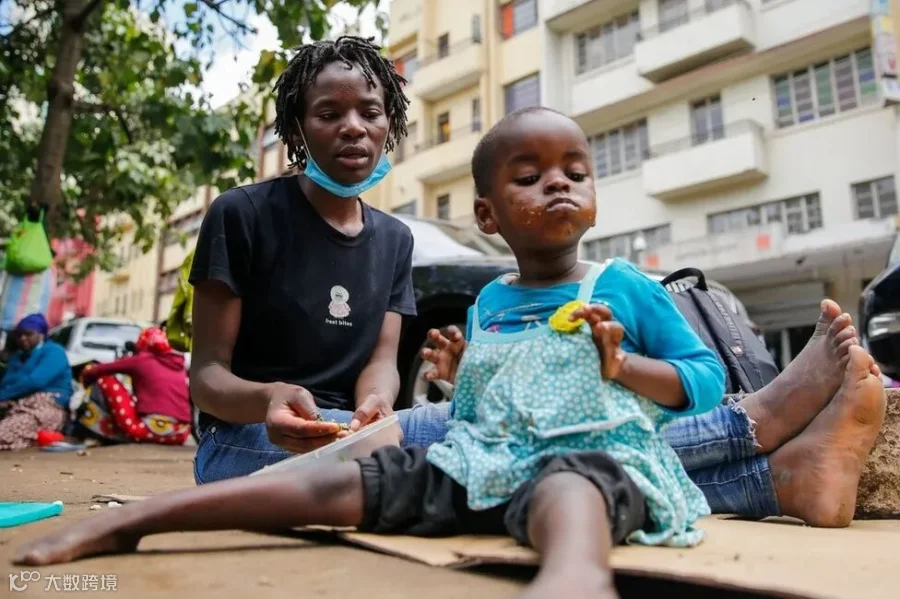
(Rebecca和小女儿:“你要时刻警惕,那些有钱人会趁你睡着时拐走孩子。”)
//
“不过是领养”
“不过是领养”
Vulnerable women are being preyed on in Nairobi to feed a thriving black market for babies. Over the course of a year-long investigation, Africa Eye has found evidence of children being snatched from homeless mothers and sold for massive profits.
在内罗毕,弱势女性成为猎物,滋养日益繁荣的婴儿交易黑市。在长达一年的调查过程中,《非洲之眼》节目组已经掌握证据,证实有团伙从无家可归的母亲身边拐走婴儿并获得巨额利润。
We uncovered illegal child trafficking in street clinics and babies being stolen to order at a major government-run hospital. And in an effort to expose those abusing government positions, we arranged to purchase an abandoned child from a hospital official, who used legitimate paperwork to take custody of a two-week old boy before selling him directly to us.
节目组揭露了在街头诊所非法贩卖儿童的现象,甚至在一家大型公立医院里,被偷来的婴儿成为“订单”。为了揭露那些滥用政府职权的人,记者计划从一名医院官员手中购买一名弃婴,最终该官员凭借一份合法文件获取了一名两周大男孩的监护权,然后直接把他转卖给了记者。
The baby-stealers range from opportunists to organised criminals. Among the opportunists are women like Anita, a heavy drinker and drug user who herself lives on and off the street, and makes money stealing children from women like Rebecca — targeting mothers with infants under the age of three.
婴儿盗窃者中既有临时起意者,也有有组织的犯罪分子。在临时起意犯罪的人中,就有像Anita一样的人。她酗酒、吸毒、流落街头,从像Rebecca一样的母亲身边拐来3岁以下孩子,以此赚钱。
"Sometimes she will speak to the mother first, to try and see if the mother knows what she plans to do. Sometimes she will drug the mother, give her sleeping pills or glue. Sometimes she will play with the kid.
"Anita has a lot of ways to get kids."
"有时她会先和母亲聊天,来试探她是否知道自己的意图。有时她会给母亲下药,安眠药或胶水。有时她会和孩子玩耍。
"Anita有很多方法能偷到婴儿。"
Anita said her boss was a local businesswoman who bought stolen babies from petty criminals and sold them for a profit. Some of the customers were "women who are barren, so for them this is a kind of adoption," she said, but "some use them for sacrifices".
Anita说她的老板是当地一位女商人,她从无组织的人贩子手里买下被偷来的婴儿,再转手卖出以赚取利润。一些“顾客”是“不孕不育的妇女,所以对她们来说,这不过是一种领养行为,”Anita解释道,但“有些人把他们当成祭品。”
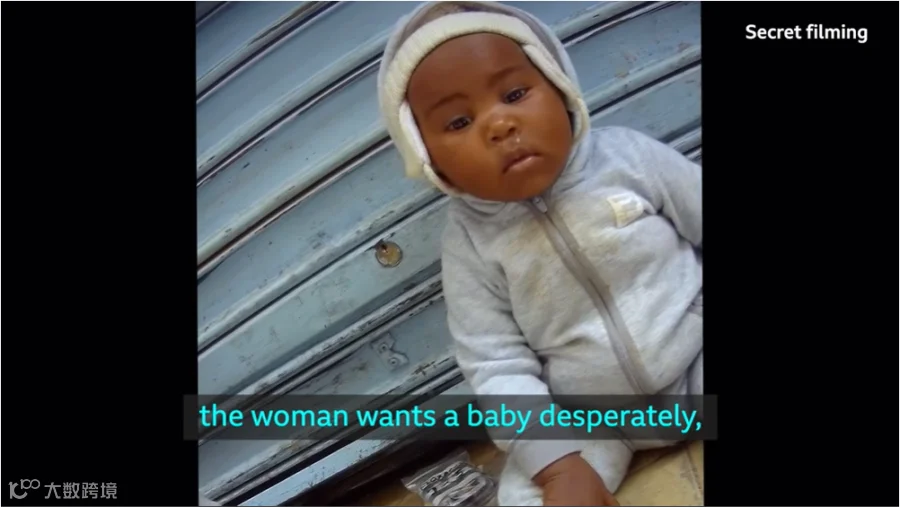
(Anita从一位信任她能暂看一下孩子的母亲那里偷来这个五个月大的女婴,要价8万先令)
In reality, once Anita has sold a child on, she knows little about its fate. She charges the businesswoman 50,000 shillings for a girl or 80,000 shillings for a boy, she said — £350 or £550. That is roughly the going rate in Nairobi to steal a child from a woman on the street.
事实上,Anita一旦卖出了孩子,对他们之后的命运就知之甚少了。每“出手”一个女孩,她就能从老板手中拿到5万先令(约3000元人民币),男孩则是8万先令(约4800元人民币)。这大约是目前从内罗毕街头妇女那里拐一个孩子的价格。
There are no reliable statistics on child trafficking in Kenya — no government reports, no comprehensive national surveys. The agencies responsible for finding missing children and tracking the black market are under-resourced and under-staffed. One of the few safeguards for mothers whose children are taken is Missing Child Kenya. In its four years in operation, the organisation has worked on about 600 cases.
肯尼亚并没有可靠数字来统计拐卖儿童的情况-- --因为没有政府报告,也没有全国调查。负责寻找失踪儿童和追踪黑市的组织资源不足,人手不够。为孩子被拐走的母亲提供帮助的组织并不多,Missing Child Kenya是其中之一。该组织成立四年来,已处理了约600起案件。
"This is a very big issue in Kenya but it is under-reported. At Missing Child Kenya we have barely scratched the surface." The issue had "not been prioritised in action response plans for social welfare," said Maryana Munyendo, founder of Missing Child Kenya.
组织创始人Maryana Munyendo说:"这在肯尼亚是个严峻的问题,但媒体报道不足。我们的努力仅仅停留在表面。在社会福利层面,拐卖儿童这一问题没有被优先考虑解决”。
That is partly because this is a crime whose victims tend to be vulnerable, voiceless women like Rebecca, who do not have the resources or social capital to draw media attention or drive action from the authorities.
部分原因是,犯罪受害者往往是像Rebecca这样弱势、没有话语权的妇女,她们没有资源或社会资本来吸引媒体关注,抑或是推动当局采取行动。
//
“你能怎么办?偷个孩子”
“你能怎么办?偷个孩子”
The driving force behind the black market is a cultural stigma around infertility. "Infertility is not a good thing for a woman in an African marriage," Munyendo said. "You are expected to have a child and it should be a boy. If you can't, you might get kicked out of your home. So what do you do? You steal a child."
非洲文化中,不孕不育的耻辱在源源不断地驱动黑市。Munyendo说:"不孕不育对非洲的已婚女性来说不是一件好事。人人都希望你能生个孩子,最好还是个男孩。如果你不能生育,就可能会被赶出家门。所以你会怎么做?偷个孩子。"
处于窘境的妇女很可能会被人安排与像Anita老板这样的人贩子联系,他们利用Anita这样的弱势群体在街上直接拐走婴儿,或是联系能获得医院婴儿渠道的人。
According to Africa Eye's research, child-trafficking rings are operating within the walls of some of Nairobi's biggest government-run hospitals. Through a source, we approached Fred Leparan, a clinical social worker at Mama Lucy hospital. It is Leparan's job to protect the wellbeing of vulnerable children born at Mama Lucy. But our source said Leparan was directly involved in trafficking.
根据《非洲之眼》节目组的调查,在内罗毕最大的一些公立医院中,拐卖儿童的团伙也在活动。我们通过一位线人联系上了Mama Lucy医院的一位临床社工Fred Leparan,他的工作是保护在该医院出生的弱势儿童。但线人说Leparan也是犯罪团伙的一员。
The source arranged to meet Leparan, and told him he knew of a woman desperate to purchase a child after failing to conceive. "I have this baby boy in the hospital," Leparan replied. "They dropped him off two weeks ago and never came back."
线人假称有个女人一直怀不上孕,急需买个孩子。Leparan 回复:“医院有个男婴,两周前有人把他送来后就走了。”
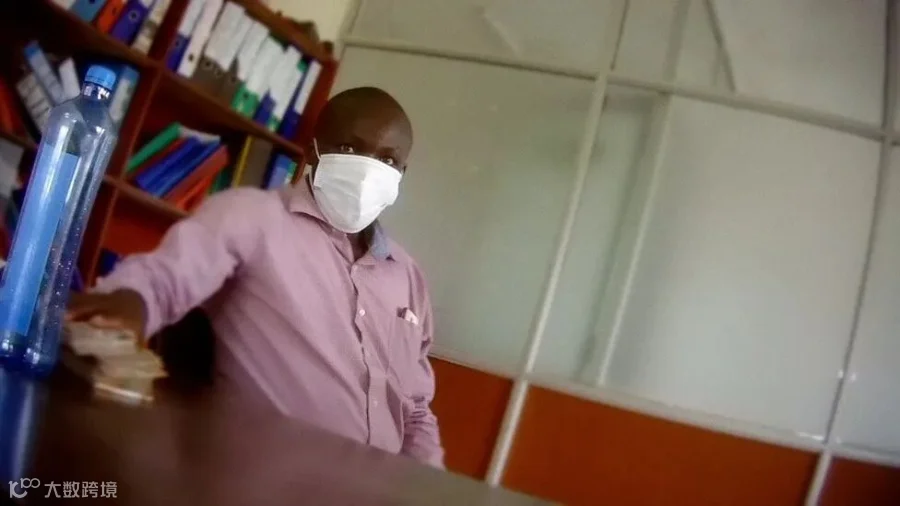
(Fred Leparan 以300,000肯尼亚先令(约7800元人民币)的报酬从Mama Lucy医院偷了个婴儿。)
像Leparan口中的弃婴本应被送到政府成立的儿童之家,再被已通过背景和福利调查的家庭收养。
//
“我很安心”
“我很安心”
Between the street snatchers like Anita and the corrupt officials like Leparan, there is another layer to Nairobi's child-trafficking business. Dotted around some of the city's slums you can find illegal street clinics with delivery rooms for expectant mothers. These makeshift clinics are a known location for the black-market trade in babies.
除了像Anita一样的街头抢孩子的人,以及Leparan这样的腐败官员之外,内罗毕的婴儿拐卖黑市产业链还有另一渠道。在一些贫民窟周边,你能找到为怀孕母亲准备好产房的非法诊所。这些临时诊所是婴儿拐卖黑市上众所周知的交易地点。
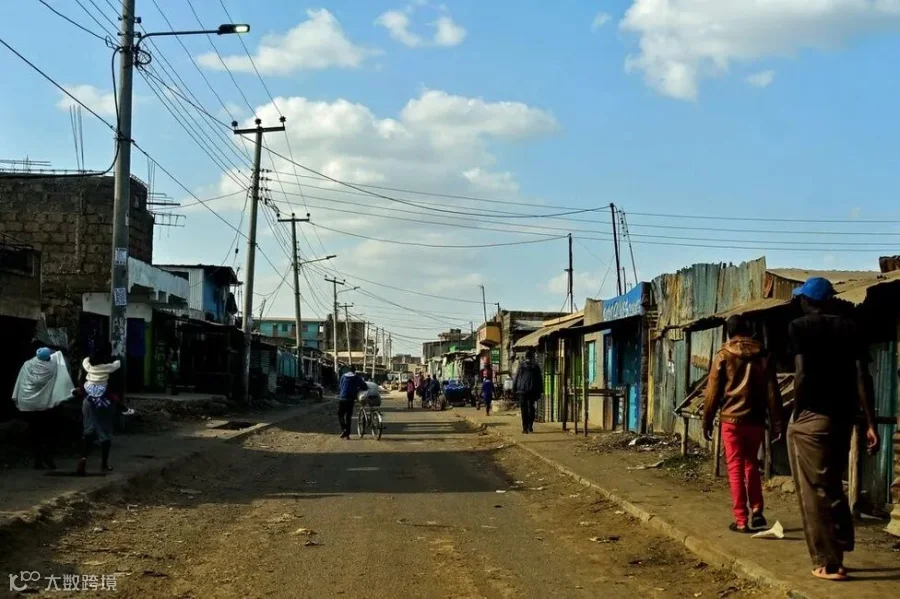
(内罗毕街头的非法诊所)
Mary Auma曾在内罗毕几家大医院当过护士,记者暗访了她开设的非法诊所。在这里,两位妇女正在分娩。
"This one, she is eight-and-a-half months pregnant, she is almost ready to deliver," Auma said, whispering. She offered to sell the unborn child to Kanaitha for 45,000 shillings — £315.
"这个,她已经怀孕八个半月,马上可以生产。"奥玛低声说。她提出以4.5万先令(约2700元人民币)的价格将这个尚未出生的孩子卖给我们。
Auma did not appear concerned for the mother's welfare after the birth. "As soon as she gets her money, she will go," she said, waving her hand. "We make it clear, they never come back."
Auma似乎并不关心孩子母亲产后的健康。"她拿到钱就会马上走。"她摆摆手说:"我们说得很清楚,她们不会再回来。"
Adama就是那天Auma在诊所商议出售的婴儿的母亲。
Adama was broke. Like Rebecca, she had been abandoned by the man who got her pregnant, and the pregnancy had cost her her job on a construction site when she could no longer carry heavy bags of cement. For three months, her landlord gave her grace, then he kicked her out.
Adama一贫如洗。和Rebecca一样,她也被孩子的父亲抛弃,而怀孕导致的虚弱也让她丢了在建筑工地搬水泥的工作。房东给了她三个月宽限房租的时间,而后把她赶了出来。
So Adama decided to sell her baby. Mary Auma was not offering her the 45,000 shillings she was attempting to charge us. She told Adama the deal was for just 10,000 — £70.
于是Adama决定卖掉她的孩子。Auma告诉她这笔交易的价格只有1万先令(约600元人民币),隐瞒了实际4.5万先令的价格。
"Her place was dirty, she would use a small container for blood, she had no basin, and the bed was not clean," Adama said later, in an interview in her village. "But I was desperate and I didn't have a choice."
"她的诊所很脏,她会用一个小容器装血,没有盆,床也不干净。"Adama后来在村里接受采访时说:"但我当时很绝望,我别无选择。"
分娩并不顺利。男婴患有胸部疾病,Auma让Adama带着孩子去Mama Lucy医院治疗。两周后,Adama带着孩子出院,给Auma发了短信。Auma随即通知了我们。
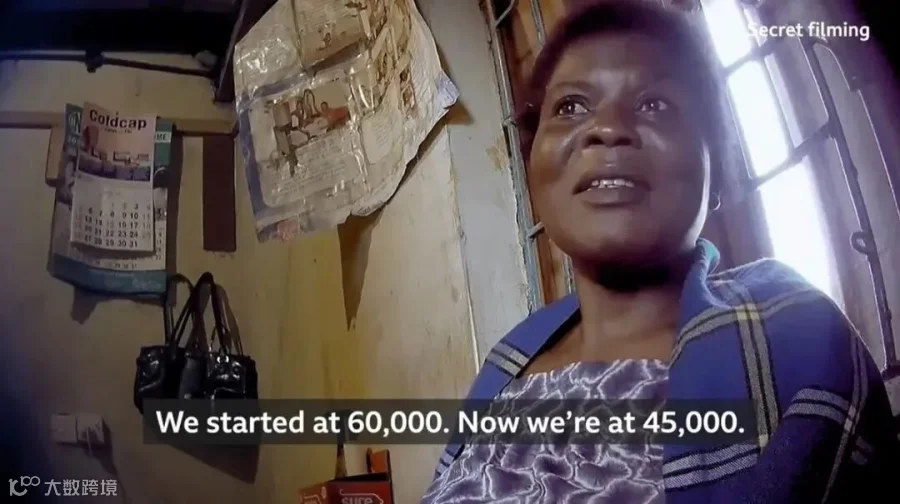
(一位人贩子正在讲价)
后来Adama回到诊所与Auma及其助手碰面。“他们说孩子看上去还不错,如果顾客有需求的话就会直接带走。”
Adama曾痛苦地选择卖掉孩子,但现在她在重新考虑这个决定。
"I did not want to sell my baby to someone who would not be able to take care of him, or someone who buys babies to go use them for other things," she said later.
后来她说:"我不想把我的孩子卖给一个不会照顾他的人,也不想让一个买了孩子的人利用他去做其他事情。"
So Adama left the clinic that day carrying her baby boy. She dropped him instead at the government-run children's hospital, where he would wait for foster parents and, she hoped, a better life. She never got the money she needed.
于是Adama当天就抱着孩子离开了诊所,把他留在一家公立儿童医院等待被收养,Adama希望孩子能过上更好的生活。最终她一分钱也没拿。
She lives alone now, away from Nairobi, and sometimes she dreams about her son and wakes in the early hours and thinks about him. Sometimes, if she can't get back to sleep, she walks down the road in the dark until she finds someone else awake. But she doesn't regret her choice.
现在,她已经离开内罗毕独自生活。有时她会梦见儿子,在凌晨时分转醒。如果有时睡不着,她就会深夜在街头徘徊直到破晓。但她并不后悔自己的选择。
"I feel at peace to have given my baby to the government," she said, "because I know he is safe."
"把孩子交给政府,我很安心,"她说,"我知道他很安全。"
//
“要小心,非常小心”
“要小心,非常小心”
Fred Leparan, the clinical social worker at the government hospital, called to say he had identified a baby boy given up by his mother that he wanted to steal for us. The boy was one of three children at the hospital waiting to be transferred to a nearby children's home. It was Leparan's job to ensure they got there safely.
公立医院的临床社工Fred Leparan打来电话说他找到了一个被母亲遗弃的男婴,他准备偷来卖给我们。这个男婴和另外两个孩子都将被转移到附近的儿童之家。Leparan的工作是保护他们的安全。
但Leparan明白,一旦孩子们被送出Mama Lucy医院,别人几乎不可能知道孩子们最终去了哪里。
At the hospital, Leparan filled out the necessary paperwork and made small talk with the staff, who had no idea that a child was being stolen on their watch. Rose, the undercover reporter, was waiting in a car outside. Leparan told the hospital nurses she worked for the children's home and asked them to take the babies out to her. He seemed increasingly anxious, but he assured our source that the nurses would not follow them.
在医院,Leparan填写了(收养)必要的材料,还和工作人员闲聊了一会儿。他们根本不知道有人在他们眼皮子底下偷孩子。卧底记者Rose等在外面的车里,Leparan告诉护士,Rose在儿童之家工作,请她们带着婴儿出去找她。他似乎越来越焦虑,但他向线人保证,护士们不会跟着他们。
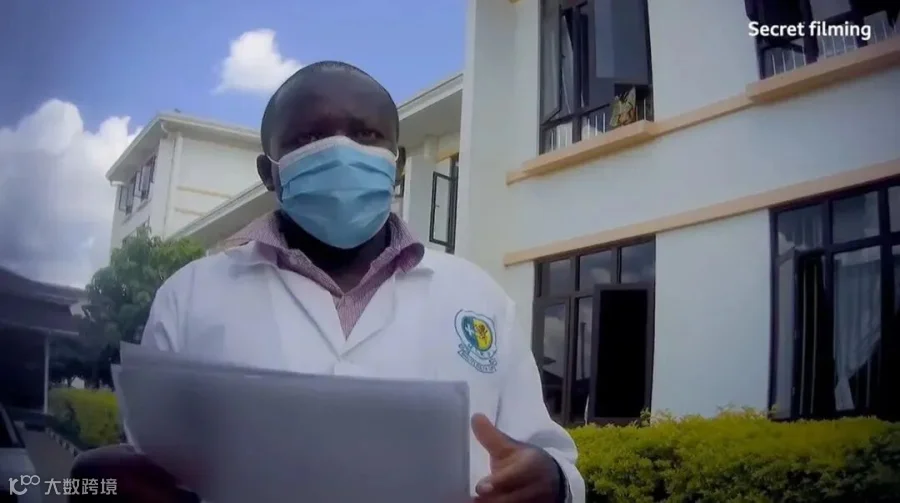
(在医院填写完收养材料的Leparan)
Moments later, the team drove out of Mama Lucy hospital with three infant children in the car and instructions to deliver just two of them to the children's home. From there, the third baby could have gone anywhere, to anyone.
几分钟后,卧底小组一行人驾车离开了Mama Lucy医院,车上共有三个婴儿,其中两个需要送到儿童之家,而第三个孩子可以去任意一个地方,送到任意一个人手上。
卧底小组将三个婴儿都安全地送到了儿童之家,直到被合法收养之前,他们都将在这里得到照顾。
Later that afternoon, Leparan called Rose to a meeting and instructed her to place the agreed 300,000 shillings on the table. He instructed her to see a nutritionist. "The only thing to keep an eye on is the boy's vaccine mark," he said.
当天下午,Leparan联系卧底记者Rose见面,让她把约定好的30万先令放在桌上。他还教她去找个营养师:“唯一要注意的是这孩子的疫苗标记。”
"Also, be careful. Be very careful."
"还有,要小心。非常小心。"
//
谁得到了惩罚?
谁得到了慰藉?
谁得到了惩罚?
谁得到了慰藉?
BBC就这一交易与Fred Leparan进行对质,但他本人和医院都拒绝评论。Leparan似乎还在继续工作。
节目组还向一个致力于保护儿童权利的非政府组织通报了Mary Auma在内罗毕街头开设非法诊所的情况。但Auma似乎仍在营业,而当我们向她提出指控时,她没有回应。
我们也试图指控Anita,但她似乎又一次消失在街角的阴影中。
For the mothers whose children were stolen, there will never be any real resolution. Most go on in limbo, hoping to see their child again, knowing that they probably won't. Rebecca would give "everything" to see her son, she said. "And if he died I would like to know too."
对于孩子被拐走的母亲们来说,永远没有实际的解决方法。大多数人都还在漂泊,期望着再见一次自己的孩子,但她们明白希望渺茫。Rebecca愿意付出"一切"来换见儿子一面,"即使他已经不在了,我也想知道。"
Last year, she heard that someone saw a boy in a distant neighbourhood of Nairobi that looked just like her eldest daughter. Rebecca knew it was probably nothing, and she had no way of getting to the neighbourhood and no idea where to look if she did. She did get as far as the local police station, but she couldn't get any help, she said, and eventually she gave up.
去年,她听说有人在内罗毕一个偏僻的郊区见到过一个长得很像自己大女儿的男孩。Rebecca知道估计只是一场空欢喜,她没有能力去到那附近,也不知道去哪里找。Rebecca确实走进了当地的警察局,但没人能帮她,最终只能放弃。
Sometimes Rebecca thinks about the wealthier women who paid for them — about what it takes to raise a child you know was stolen from someone else.
有时,Rebecca也在思考那些花钱买孩子的有钱人——他们怎样才能抚养一个明知是从别人身边偷来的孩子。
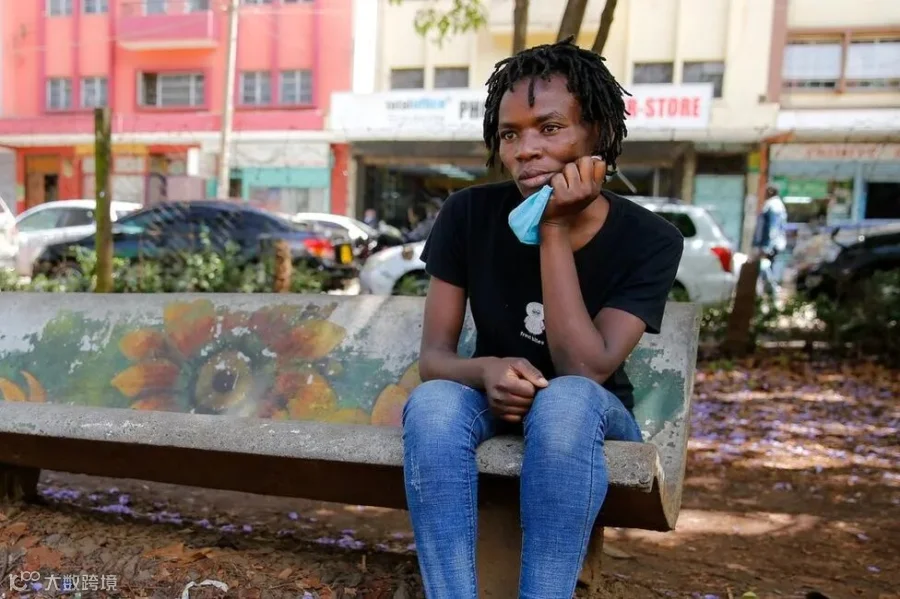
"What are they thinking?" she said. "How do they feel?"
“她们在想什么?她们有什么感受?”
因篇幅受限,编译时对原文进行了删减,读者可前往原文网址了解更多信息、观看记者暗访视频。
原文标题:The baby stealers
原文链接:https://www.bbc.com/news/world-africa-54892564
编译 | 曹金杰
排版 | 曹金杰