



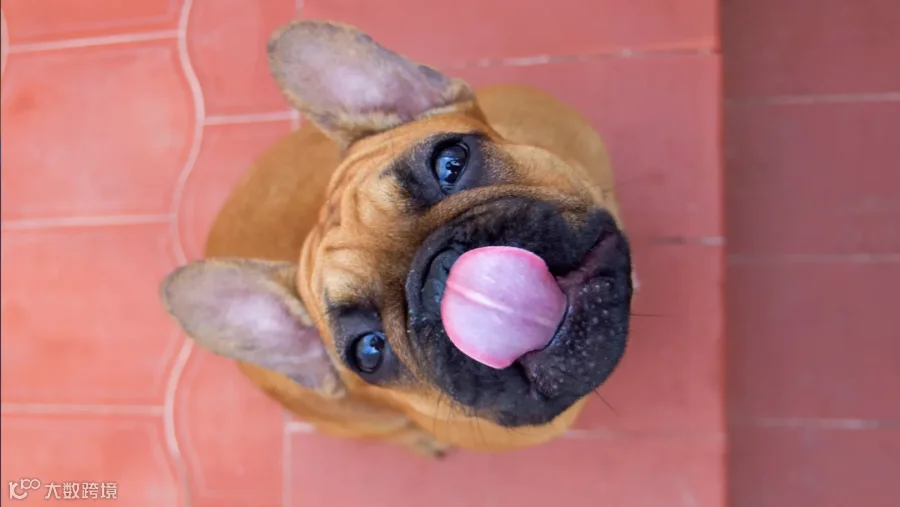

pet & food

The cue might be a hand in a pocket, the opening of a cupboard door, or even a word said carelessly aloud – "dinner".
Before you know it, you're tripping over a pet excitedly awaiting a portion of... dull-brown dried pellets.
What's in these mysterious morsels, that makes them as delectable as roasted chicken, wild salmon, or bundles of fresh herbs?
让你的宠物蠢蠢欲动的,可能是你揣在兜里的手,可能是敞着门的橱柜,也或许是你不经意间大声说出的“晚餐”二字。
它们正焦急地等待着那份“褐色的颗粒”。
到底是什么让这些神秘的宠物食品像烤鸡、野生三文鱼或一捆捆新鲜香草一样美味呢?


Take my flatmate, a small black rabbit. For a large part of every day, he can be found sitting attentively with his paws on his empty food bowl, awaiting his next portion of kibble – even though it looks like his droppings and smells equally unappetising.
就拿我的室友,一只小黑兔来说吧。每天大部分时间里,他都聚精会神地坐在那儿,爪子扒着空碗,等着吃下一份兔粮——尽管那玩意看起来像是他的粪便,闻起来也同样令人作呕。

这种情况并不罕见。关于宠物热衷吃饭的趣闻轶事比比皆是。比如,当猫吃光了所有猫粮时,它就会陷入恐慌;再比如,飓风哈维过后,人们在休斯顿的街道上发现一只务实的德国牧羊犬正背着一袋狗粮。

As it happens, this addictive quality is carefully engineered.
Big Pet Food is a multi-billion-dollar industry which invests heavily in research into "palatants" – ingredients that make our pets want to eat their products.
然而,这种令人上瘾的物质是经过精心设计的。Big Pet Food是一个价值数十亿美元的产业,它斥巨资研究“诱食剂”——一种让我们的宠物欲罢不能的成分。
"(Big pet food)companies have huge departments that make palatants," says Darren Logan, head of research at the Waltham Petcare Science Institute, part of the company Mars Petcare. "Just like we make them for humans, we make them for pets as well."
沃尔瑟姆宠物护理科学研究所的研究主管达伦·洛根说,“那些大型宠物食品公司都有大量研发食品添加剂的部门。就好比给人类制作添加剂,给宠物制作也是一样的。”

01
第一种宠物食品,是1860年由来自美国俄亥俄州的极具探索精神的推销员詹姆斯·斯普拉特发明的。据说他到英国出差,有一天在利物浦的码头上放眼望去,发现流浪狗在狼吞虎咽地吃着剩下的硬饼干。
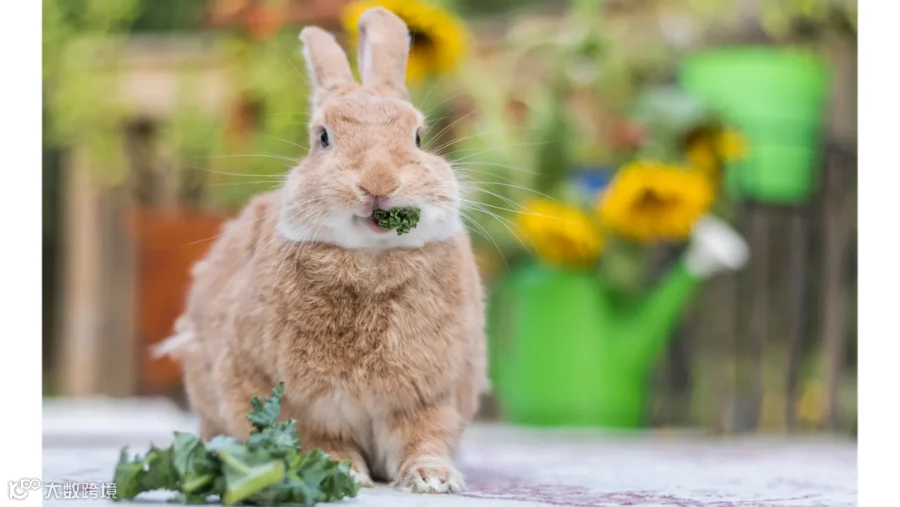
Rabbits eat fresh vegetables in the wild, but many kept as pets feast instead on processed pellets .
兔子在野外吃新鲜蔬菜,但许多被当作宠物饲养的兔子吃的是加工兔粮。


Meanwhille in Victorian London,dogs that were lucky enough to be looked after were either given table scraps or gruel.
Even specialist exotic animals were fed everyday human food – the 20,000 or tortoises imported from Morocco each year were mostly expected to survive on ordinary garden vegetables or bread soaked in water. Cats were considered street animals and rarely fed.
当时,在维多利亚时代的伦敦,幸运的狗狗会得到餐桌上的残羹剩饭。甚至那些特殊的外来动物也会吃人类的食物——每年从摩洛哥进口的 两万多只陆龟主要靠普通的蔬菜或浸泡在水中的面包生存。人们认为猫是街头动物,很少投喂它们。
02


But Spratt had hit upon something entirely new. Over the coming months he developed the "Meat Fibrine Dog Cake", a biscuit-like concoction of beetroot, vegetables, grains and beef of dubious origins that claimed to meet all the nutritional needs of his customers' hounds. (While its packaging implied that it was the finest prairie beef, what it was actually made from was a secret he took to his grave.)
但是斯普拉特发现了一些全新的东西。在接下来的几个月里,他开发了“肉纤维狗狗饼干”,这是一种由甜菜根、蔬菜、谷物和来源不明的牛肉混合而成的饼干状混合物,声称可以满足客户的猎犬需要的所有营养需求。(虽然它的包装暗示它是最好的草原牛肉,但它实际上是如何制成的,这是他到死也不能说的秘密。)
Spratt's innovation coincided with a cultural revolution in the way people saw their pets – dogs and cats went from being viewed as mere utility animals or borderline-vermin to beloved family members to be coddled.
当时人们看待宠物的方式正在经历一场文化革命。猫和狗从前被看作实用动物,或近乎有害动物的存在,而逐渐被当作了备受宠爱的家庭成员。斯普拉特的新发明正逢其时。
Consequently, the Meat Fibrine Dog Cake was marketed as a luxury food for aristocratic pets.
因此,肉纤维狗狗饼干被当作贵族宠物的奢侈食品销售。
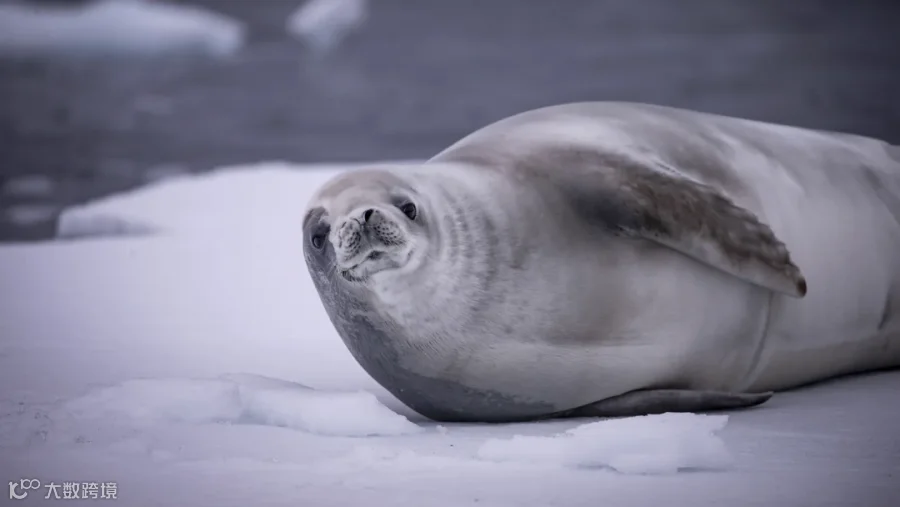
The husky dogs taken on early Antarctic voyages had to be fed with freshly killed seals
早期南极航行中的爱斯基摩犬必须用刚杀死的海豹喂食


The adverts labelled them "Dog's Delight" and included gushing testimonials from wealthy customers. Ironically, Spratt's also promoted the fact that they were chosen to feed the sled dogs on Captain Scott's 1901 trip to the Antarctic, though we now know they would much rather have eaten seal.
广告将它们标记为“狗狗最爱”,并得到了来自富有的客户的大力推荐。具有讽刺意味的是,斯普拉特还宣传了这样一个事实,即肉纤维狗狗饼干在斯科特船长 1901 年的南极之旅中被用来喂养雪橇犬,尽管我们现在知道这些雪橇犬更常吃海豹。
Eventually the company branched out into cat food – "Spratt's puts pussy into fine form!", they said – and the rest is history. However, the science of pet food palatants still had some way to go.
最终,该公司涉足猫粮领域——“斯普拉特牌 让猫变得更漂亮!”,他们说——剩下的就是人尽皆知的事了。然而,宠物食品的美味科学还有一段路要走。
今天几乎可以为任何种类的宠物购买专门的粗磨食物。大多数遵循基本相同的配方——它们通常含有某种基础碳水化合物、各种蛋白质和脂肪、糖、纤维来源、抗氧化剂或其他防腐剂、乳化剂(保持食物中的脂肪并防止其分离)、维生素和矿物质以及着色剂。

The first processed dog foods were luxury products which ushered in the idea of the "pampered pet"
第一批加工过的狗粮是奢侈品,提出了“娇养宠物”的概念


In the US, the EU and many other parts of the world, in order to describe one as "complete" – containing everything the body needs to be healthy – it must meet certain nutritional standards. These set out acceptable ranges for most ingredients, so manufacturers can't just load up on sugar and fat to make it compelling.
在美国、欧盟和世界其他许多地方,为了食物的“完整性”——包含身体健康所需的一切——它必须符合某些营养标准。这些规定了大多数成分的可接受范围,因此制造商不能通过大量增加糖和脂肪以使其诱人。
Many animals rely heavily on smell to navigate the world around them, and this is often the main sense that's targeted.
On the other hand, their sense of taste is generally less discriminating than ours – our relatively high density of taste receptors is thought to have evolved to help us cope with our diverse omnivorous diets.
许多动物在辨别四周方向时十分依赖嗅觉,这通常是定位的主要感官。。
另一方面,它们的味觉通常不如我们的具有辨别力——我们相对高密度的味觉受体被认为已经进化来帮助我们应对多样化的杂食性饮食。
03


"There is a slight paradox there, because the smells that cats particularly but also dogs seem to like are often the opposite of what humans like," says Logan.
“这里存在着一个小矛盾,因为猫、狗喜欢的气味往往与人类喜欢的相反,”洛根说。
Nestle更直白地说——“动物吃粪便”,她说。“它们喜欢强烈的动物气味,宠物食品制造商的日子真的很难过,因为他们必须把食品的气味做得足够恶心以吸引宠物,但又不能让主人因为太恶心而拒绝购买。”
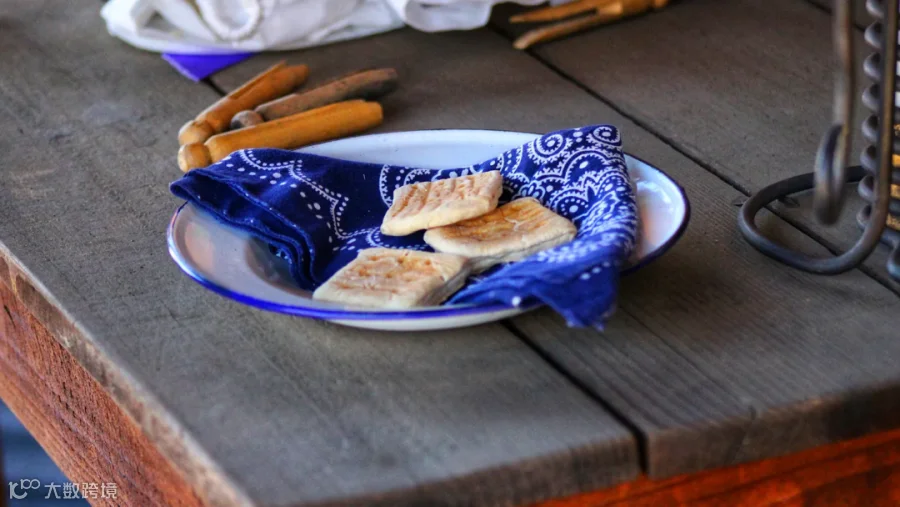
Early processed dog food resembled the tooth-challenging hard-tack biscuits often taken on long sea voyages
早期加工的狗粮类似于长途航海中经常吃到的对牙齿具有挑战性的硬饼干


"The understanding of cat palatability is very similar to Japanese or Asian cuisine, where there's a lot of focus on umami and another taste modality called kokumi," says Logan.
“猫咪喜欢的食物与日本或亚洲美食非常相似,日本或亚洲美食非常注重鲜味和'厚味',”Logan 说。
Kokumi was discovered in Japan in 1989, and has been proposed as the sixth taste in humans, after sweetness, saltiness, bitterness, sourness and umami.
Unlike the others, kokumi hasn't yet been linked to a specific set of compounds, but foods that conjure this sensory experience include scallops, soy sauce, shrimp paste, yeast and beer.
厚味于 1989 年在日本被发现,并被认为是人类继甜味、咸味、苦味、酸味和鲜味之后的能感知的第六种味道。
与其他的不同,厚味尚未与一组特定的化合物相关联,但能唤起这种感官体验的食物包括扇贝、酱油、虾酱、酵母和啤酒。
While cats are particularly drawn to Japanese food, which is rich in meat and seafood, you're unlikely to find them stealing ice-creams or doughnuts.
虽然猫特别喜欢富含肉类和海鲜的日本食物,但你不太可能发现它们偷吃冰淇淋或甜甜圈。
例如,大多数野生食肉动物缺乏品尝糖或碳水化合物的受体。与生活在人类周围并以我们的残羹剩饭为食长达 40,000 年的狗不同,家猫只存在了大约 4,300 年。在大部分时间里,它们被认为是一种可以独立生活的免费害虫防治动物。
因此,虽然猫特别喜欢富含肉类和海鲜的日本食物,但你不太可能发现它们会偷冰淇淋或甜甜圈——与狗不同,它们与人类相处的时间还不够长,无法进化出品尝糖的能力。
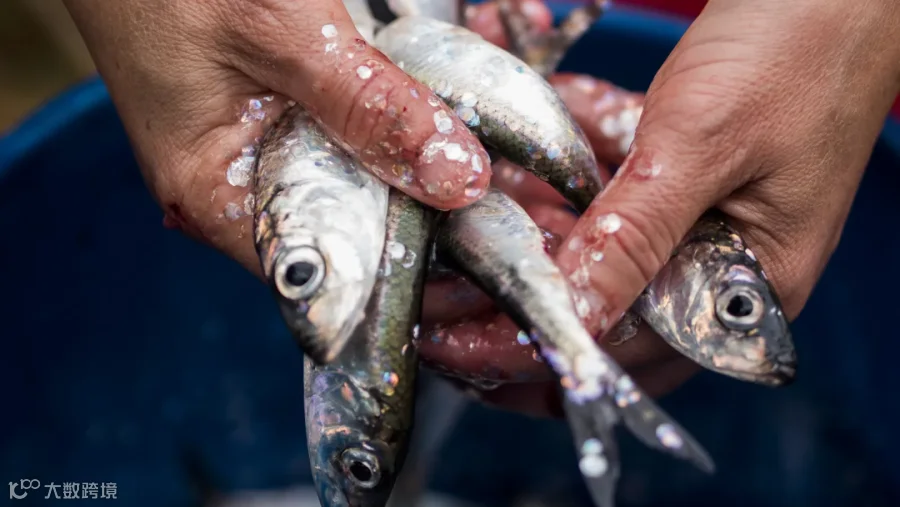
Cats are irresistibly drawn to the chemical compounds found in rotting fish
猫无法抗拒地被腐鱼中的化合物所吸引
04


"The danger for cats and dogs today is the same as for people, it's overconsumption," says Andrew Knight, a professor of animal welfare and ethics at the University of Winchester.
温彻斯特大学动物福利和伦理学教授安德鲁·奈特说:“如今,猫和狗的危险和人一样,那就是过度消费。”
Pet obesity is a growing problem in the developed world, with one survey of veterinary professionals at a vet show in London suggesting that around 51% of dogs, 44% of cats and 29% of small mammals are now overweight or obese.
宠物肥胖在发达国家是一个日益严重的问题,在伦敦的兽医展上,一项兽医专业人员的调查显示,目前约51%的狗、44%的猫和29%的小型哺乳动物超重或肥胖。
据洛根说,“这并不是因为宠物食品的配方,而是人类屈服于他们心爱的宠物恳求的目光。”我们让宠物食品可口的原因是,如果他们不吃我们给他们的所有食物,就不能满足他们所需要的营养需求。真正的问题是主人喂得太多了——宠物自己可打不开包装袋。”
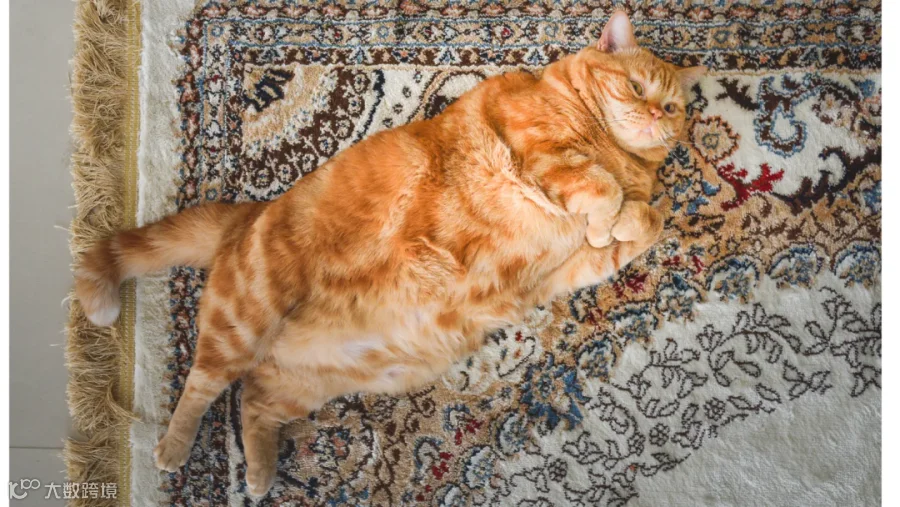
Pets given too much calorific processed food may, just like humans, put on extra weight
给宠物吃太多高热量的加工食品,就像人类一样,可能会增加额外的体重


There are mounting concerns about the environmental impact of pet food, too – in 2009, two New Zealand scientists estimated the planetary cost of keeping a dog as roughly twice that of having a medium-sized SUV.
人们也越来越担心宠物食品对环境的影响——2009年,两位新西兰科学家估计养狗的全球成本大约是养一辆中型SUV的两倍。
Because most pet foods comprise a fairly tasteless base that is spruced up with delicious flavourings and smells, pet foods made from more sustainable ingredients such as insects or soya are generally just as acceptable to carnivorous pets as the real deal. (Though cats cannot be fed a diet that is meat free.)
因为大多数宠物食品都含有一种相当无味的基础,即用美味的香料和气味装饰起来的,所以由昆虫或大豆等更可持续的成分制成的宠物食品通常和真正的宠物一样被食肉动物所接受(尽管猫的饮食不能不吃肉。)
奈特说:“根据我们刚刚完成的这项大规模研究,吃纯素宠物食品的动物似乎和吃肉食的动物一样快乐。”
“人们普遍认识到,更具可持续性的需求将对宠物食品业务产生重大影响,”洛根说,他解释说,他供职的宠物食品公司刚刚发布了自己的昆虫宠物食品品牌。
So, why do our pets find pet food so addictive? Well, because it's been made that way. Just like us, our pets find it hard to say no to the food we have designed to be tasty.
那么,为什么我们的宠物会对宠物食品如此上瘾呢?嗯,因为宠物食品的设计目的就在于此。就像我们一样,我们的宠物很难拒绝我们设计的美味食物。


vocabulary:
1. exclusively
adv. 排他地;独占地;专有地;完全地
2.sustainable
adj. (对自然资源和能源的利用)不破坏生态平衡的,合理利用的;可持续的
3.carnivorous
adj. (动物)食肉的;(人)爱吃肉的,肉食性的
4.vegan
n. 严格素食主义者(不吃肉、奶、蛋等,有的不用动物产品)
5. paradox n. 似非而是的论点;悖论,反论;自相矛盾的人或事
6. scrap n. 小块(纸、布匹等);丝毫;一丁点;残羹剩饭
v. 废弃;废除;取消;抛弃;报废
原文链接:https://www.bbc.com/future/article/20210519-the-hidden-reason-processed-pet-foods-are-so-addictive
编译 |王奕涵 马嘉琪 刘睿琪 陈语姝
排版 | 马嘉琪