

01
别再“偷”了
墨西哥怒怼Zara
Mexico has accused fashion brands Zara, Anthropologie and Patowl of cultural appropriation, claiming that they "made use" of designs created by the country's indigenous populations.
五月底,墨西哥指责时尚品牌Zara、Anthropologie和Patowl“利用”了该国土著居民的服饰设计,涉嫌文化盗用。
In a press release, the Ministry of Culture took issue with a blue embroidered midi dress by Zara. It claimed the Spanish brand had drawn on the ancestral symbols and traditional "huipil" dresses produced by the Mixtec people, adding that the dresses typically take craftspeople at least one month to make.
在新闻发布会上,墨西哥文化部对Zara的一件蓝色绣花中长裙提出异议,据称,该西班牙品牌抄袭了米斯特克人的古老纹案和传统“惠皮尔”裙的样式,而工匠至少要耗费一个月才能制出一件正宗惠皮尔。
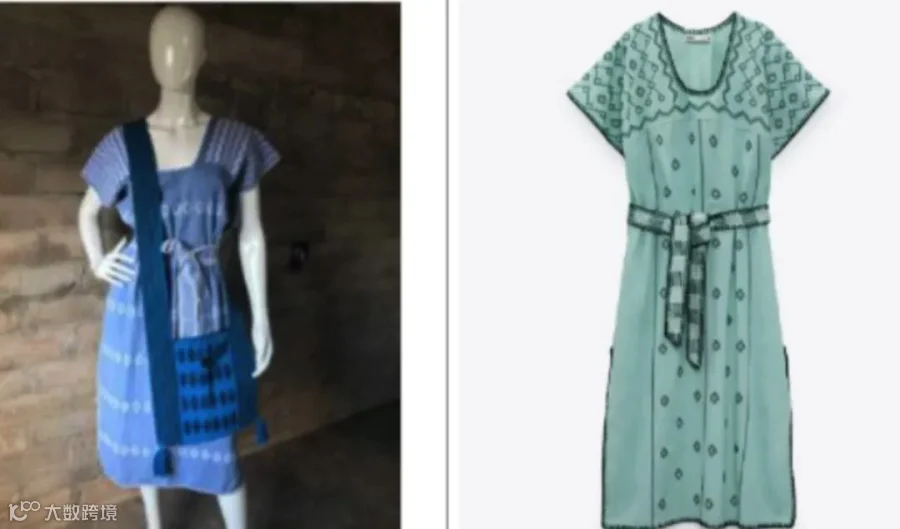
墨西哥传统服饰惠皮尔(左)和Zara的长裙(右)
A pair of embroidered shorts by Anthropologie were also highlighted as an alleged example of cultural appropriation. The Mexican government claimed that the item features symbols reminiscent of those used by the Mixe community.
Anthropologie的一条刺绣短裤也涉嫌文化挪用。墨西哥政府称,短裤上的纹样让人联想到本国米塞人的传统符号。
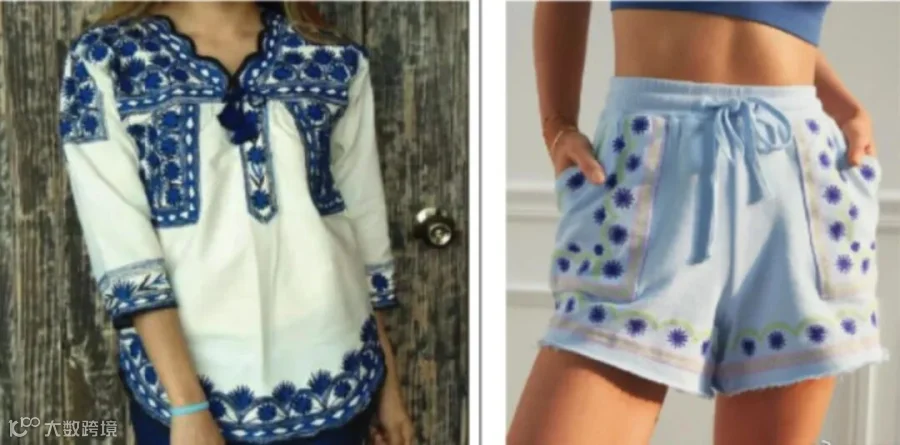
米塞人服饰纹样(左)和Anthropologie的短裤(右)
Patowl's "casual flowers" shirts were meanwhile said to have been inspired by the embroidery techniques of the Zapotec community in Mexico. The government alleged the handmade floral embroidery on Patowl's shirts was an imitation of a complex technique known as "hazme si puedes".
Patowl的问题则是一件刺绣花上衣。据品牌介绍,其设计灵感来自墨西哥的萨波特克刺绣文化。但在墨西哥看来,该上衣的手工花卉刺绣是在仿制波特克人的“hazme si puedes”技艺。
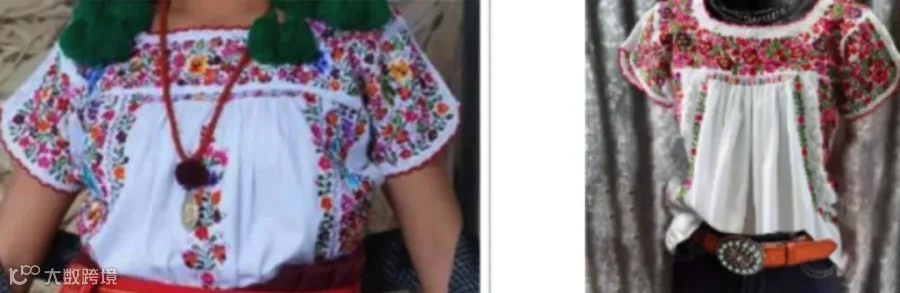
墨西哥萨波特克的“hazme si puedes”刺绣(左)
和Patowl的刺绣上衣(右)
The Ministry of Culture said that indigenous communities' "collective property" had been "privatized" by the brands, calling on them to create an "ethical framework" to work directly with its craftspeople.
墨西哥表示这三家品牌已将原住民社区的集体财产“私有化”,文化部呼吁时尚品牌建立“道德合作框架”,直接与本土手工艺人合作,而不是滥用传统和创意。
02
Vogue封面出炉
马拉拉从未停下
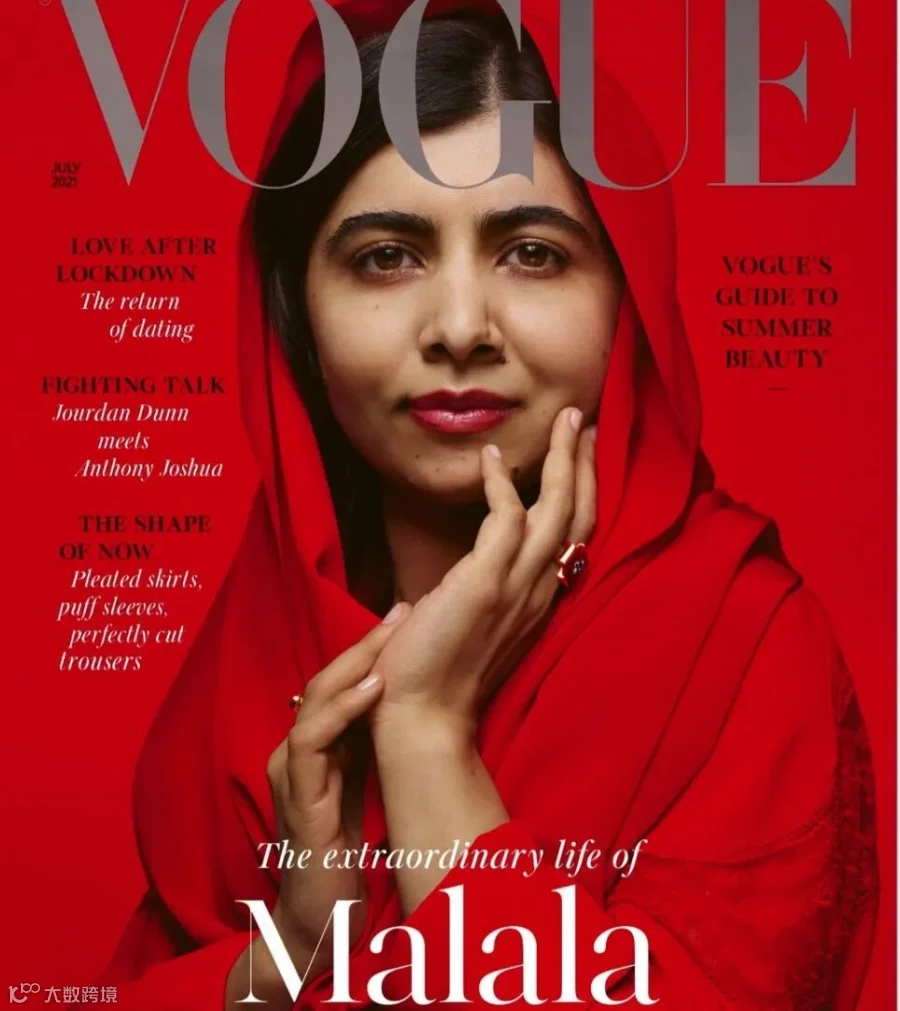
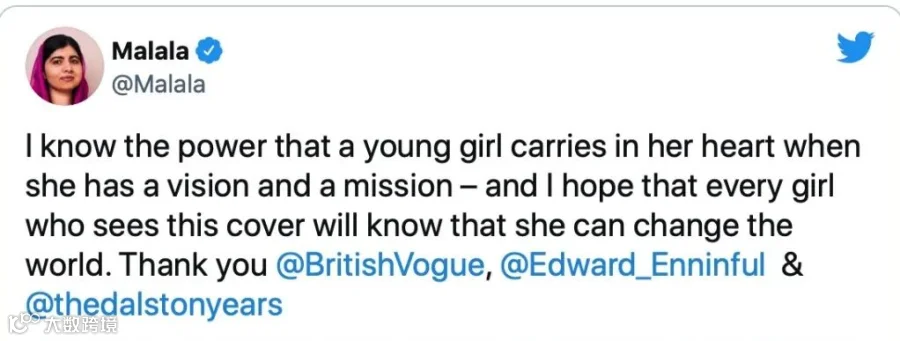

Pakistani activist Malala Yousafzai unveiled the July cover of British Vogue via Twitter on Tuesday.
巴基斯坦人权活动家马拉拉·优素福·扎伊,六月在推特上预先公布了英国时尚杂志《Vogue》的七月封面。
In an interview with British Vogue contributor, the 23-year-old Nobel Prize laureate opens up about wearing a headscarf on cover of a fashion magazine: "It's a cultural symbol for us Pashtuns, so it represents where I come from. And Muslim girls or Pashtun girls or Pakistani girls, when we follow our traditional dress, we're considered to be oppressed, or voiceless, or living under patriarchy. I want to tell everyone that you can have your own voice within your culture, and you can have equality in your culture."
在接受英国《Vogue》杂志撰稿人的采访时,这位23岁的诺贝尔奖得主谈及她在封面上戴头巾的形象。“对于我们普什图人(Pashtuns)来说,头巾是一种文化象征,代表着我们的家园。无论是穆斯林女孩,普什图女孩,还是巴基斯坦女孩,当我们遵循传统打扮,人们总默认我们饱受压迫,囿于父权,没有发言权。但我想告诉所有人,无论身处何种文化,你都可以为自由发声并享有平等。”
Malala was only 15 in 2012 when she was shot by the Taliban in Pakistan for campaigning for the education of girls. After the assassination attempt, She relocated with her family to England. Malala and her father established the Malala Fund in 2013, an organization dedicated to giving girls access to education.
2012年,15岁的马拉拉因呼吁女性教育,遭到塔利班持枪射杀。在那之后,她举家迁往英国。2013年,马拉拉和她的父亲创办了“马拉拉基金会”,致力于帮助女孩获得教育机会。
"I care a lot about my work and I worry about how long it would take to reach the goals we have set," she said. "People say, 'Malala, don't worry, it's not your responsibility, leaders should worry!' But if I have the capacity to do something to keep raising awareness, then I should."
她说:“我很在意我的工作,也很担心要多久才能达到预设的目标。人们说:‘马拉拉,别担心,这不是你的责任,这是国家领导人该操心的!’ 但如果我有能力做些事情来提高人们的意识,那我就应该尽一份力。”
03
海藻衣服
曲线救地球
Charlotte McCurdy, a New York designer, has created a sleek, transparent, carbon-negative raincoat made from algae bioplastic.
纽约设计师Charlotte McCurdy创造了一种由海藻类生物塑料制作的雨衣。这款雨衣面料丝滑透明,碳排放为负性。
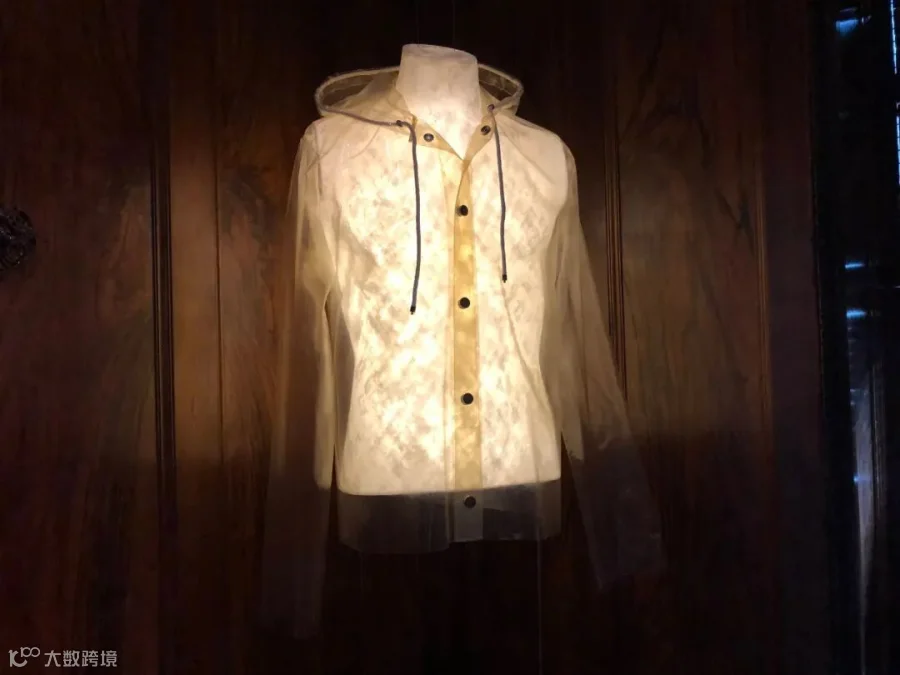

Creating and disposing of the plastic generates no emissions, and the material is biodegradable. Plus, cultivating the seaweed pulls carbon from the air and water, making the coat a model for how fashion manufacturing could one day go carbon-negative. The raincoat is a symbol of how biomaterials could eventually help shield us from climate changeitself.
制造以及处理这种塑料不会产生排放,这款材料可以通过微生物降解,养殖海藻还能吸收空气和水中的碳元素,因此这件雨衣成为了时装制造业走向碳负性的模范,也标志着生物材料最终可以帮助人类抵御气候变化。
Glamorous as it might seem, fashion is a pretty dirty business. More than half the clothing produced is made from petroleum-based plastic fibers that eventually pile up in landfills and pollute vital waterways. And the problem goes far beyond the pollution we can see—clothing production accounts for at least 5 percent of global greenhouse gas emissions.
时尚业表面光鲜,但实际上是个相当肮脏的行业。时尚业生产的衣服多半都由塑料纤维制成,而纤维的原料是石油。这些衣服最后在垃圾场堆积成山,污染重要水道。问题远不止视线所及的污染——服装制造业排放的废气至少达到全球排放的5%。

编译|张云杨 祖芃芃 张璐瑶 谢瞳 闫语格
排版|张璐瑶