
KITTY,
WHY?
喵星人为何这样?
专家带你探索
猫的行为背后的科学
Maybe you stare deep into your cat’s eyes, but it’s like being met with a blank wall. Or perhaps your cat is mysteriously swishing its tail or making strange clicking sounds. Regardless of the scenario, you’re probably dwelling on the same thought: “I have no idea what my cat is thinking.”
也许你深深地凝视着你的猫的眼睛,但仿佛只看到了一堵空白的墙。或者你的猫正在神秘地甩尾巴,或者发出奇怪的咔哒声。不管是什么情况,你可能一直在想:“我不明白我的猫在想什么。”
If you’ve considered this, you’re not alone.
“It can be hard to interpret cat behaviors as they can be relatively subtle to someone who doesn't have much experience with cats,” Kelly Hicks said, a medical oncology resident veterinarian at Oregon State University.
如果你曾经考虑过这一点,那你并不是一个人。
“对于没有太多养猫经验的人来说,由于猫的行为相对来说比较微妙,他们很难理解猫的行为。”俄勒冈州立大学肿瘤内科住院兽医Kelly Hicks说。
Inverse spoke with four pet experts to break down the science of your cat’s weirdest, most common behaviors. Ultimately, there are helpful signs you can look for to understand their various forms of communication — but it will also take some patience on the part of the owner.
Inverse(一家杂志)采访了4位宠物专家,他们分析了你的猫最奇怪但最常见的行为。由此,你可以通过一些有用的迹象来理解它们各种形式的交流——但这也需要主人的耐心。
“Each cat is different in how they display their emotions, so it may take some time to fully understand the behaviors that are unique to them,” Hicks says.
Hicks说:“每只猫表达情感的方式都不一样,所以完全理解它们独特的行为可能需要一些时间。”
怎样才能知道你的猫在想什么?
猫通过四种信号进行交流:
Visual(视觉)
Auditory(听觉)
Olfactory(嗅觉)
Tactile(触觉)
“Visual signals or postures — body language — is a form of communication signals that people can assess at near and far distances from the cat,” Katherine Pankratz said, who is a board-certified veterinary behaviorist.
认证兽医行为学家Katherine Pankratz说:“视觉信号或姿势——身体语言——是一种交流信号,人们可以在离猫不论远近的地方进行判断。”
Cats are very expressive animals, Hicks explains, and “will typically show you their mood through their actions.”
猫是非常善于表达的动物,Hicks解释道,“它们通常会用行为向你展示它们的情绪。”
“The cat’s tail and eyes are probably the two most communicative body parts,” Molly DeVoss, a certified feline training and behavior specialist who runs Cat Behavior Solutions, said this.
Molly DeVoss说:“猫的尾巴和眼睛可能是身体上最‘健谈’的两个部位。”她是一名经过认证的猫类训练和行为专家,运营着Cat Behavior Solutions(一个网站)。
For example, a “cat’s eyes will dilate when they are frightened or very excited,” DeVoss says, “You may notice that your cat will often lower their tail when crossing a room until it reaches you — and then the tail will pop up in a greeting of familiarity.”
例如,“在害怕或非常兴奋时,猫的眼睛就会睁大,”DeVoss说,“你可能会注意到,你的猫在穿过房间时,经常会降低尾巴,直到它走到你身边,然后尾巴会弹出以表示熟悉的问候。”
“We can use behavior to better understand how our cat is feeling,” Mikel Delgado said, who is a cat expert at Feline Minds and a postdoctoral fellow School of Veterinary Medicine at the University of California, Davis.
Mikel Delgado说:“我们可以通过行为来更好地了解我们的猫是如何感受的。”他是猫科思维方面的专家,是加州大学戴维斯分校兽医学院的博士后研究员。
————
猫想告诉你什么?
猫感到快乐时的行为
猫感到气愤时的行为
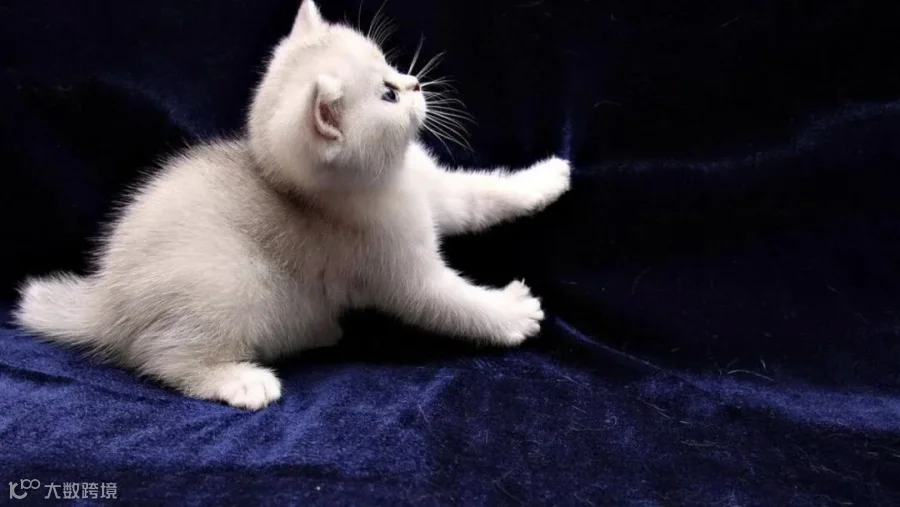
猫感到害怕时的行为
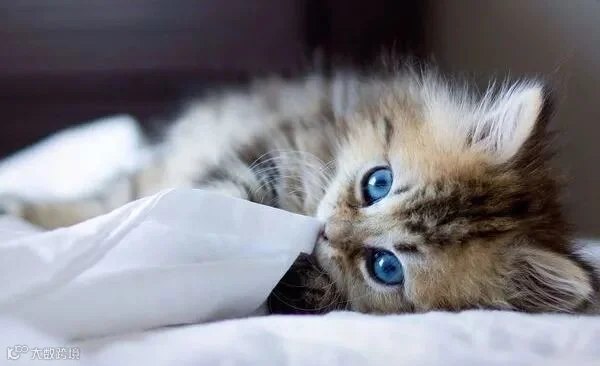
猫感到有压力时的行为
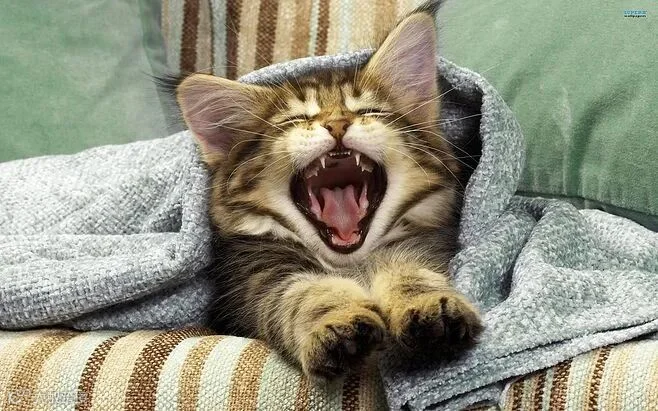
BUT REMEMBER THAT EACH CAT IS UNIQUE-
It’s important to keep in mind that these are all general guidelines, not hard-and-fast rulebooks to your cat’s mind. Each cat is individual, and a sign of happiness in one cat could be a sign of distress in another.
但请记住,每只猫都是独一无二的——记住,这些都只是了解猫的想法一般的指导方针,而不是硬性的规则书。每只猫都是独立的,一只猫快乐的迹象也可能是另一只猫痛苦的征兆。
There’s no cheat sheet for your cat, but if you pay attention to your pet’s normal behavior — what they like to do, how much they eat, and their level of play and interaction — you’ll generally notice when things are amiss.
对于你的猫来说,并没有什么小窍门,但如果你关注你的宠物的正常行为——它们喜欢做什么,它们吃多少,它们的玩耍和互动水平——你通常会注意到不对劲的时候。
————
原文链接:
https://www.inverse.com/science/how-do-you-know-what-your-cat-is-thinking
文案 | 徐倩倩
排版 | 徐倩倩