
Why makeup matters?
为什么化妆很重要?
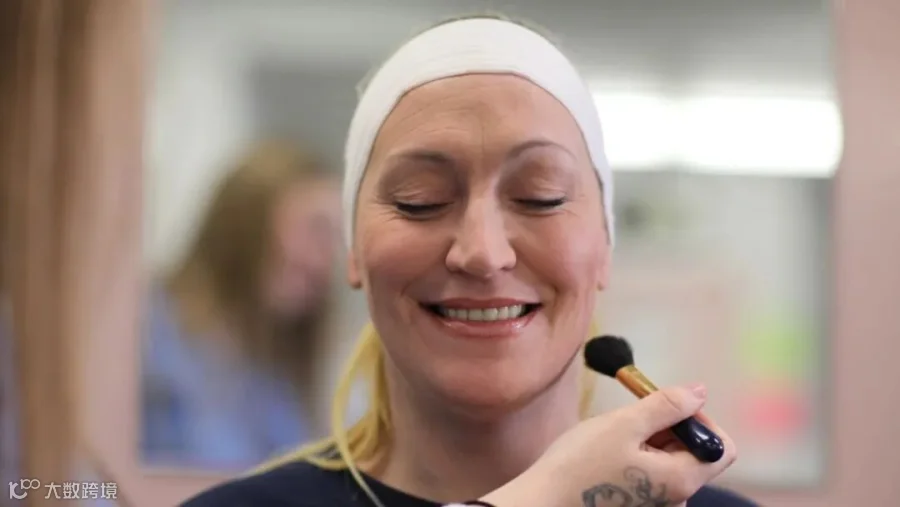
Last year was a rough one for Joyce Pequeno, a 28-year-old inmate.Her clemency hearing was postponed. Still, most days she dabbed on foundation, swirled eyeshadow across her lids and outlined her eyes with kohl. "It makes me feel good, like a real human being," she said over email.
对于28岁的囚犯乔伊斯·佩奎诺(Joyce Pequeno)来说,去年是艰难的一年。她的赦免听证会被推迟了。不过,大多数日子里,她还是会轻擦粉底,在眼睑上抹上眼影,用眼影粉描出眼睛轮廓。"这让我感觉很好,就像一个真正的人,"她通过电子邮件说。
Many inmates find comfort in cosmetics. Stripped of freedom, friends and family, makeup can help inmate retains a sense of identity and present themselves in the manner they choose.
许多囚犯在化妆品中找到了安慰。在被剥夺自由、朋友和家人的情况下,化妆可以帮助囚犯保留一种身份感,有选择地展示自己。
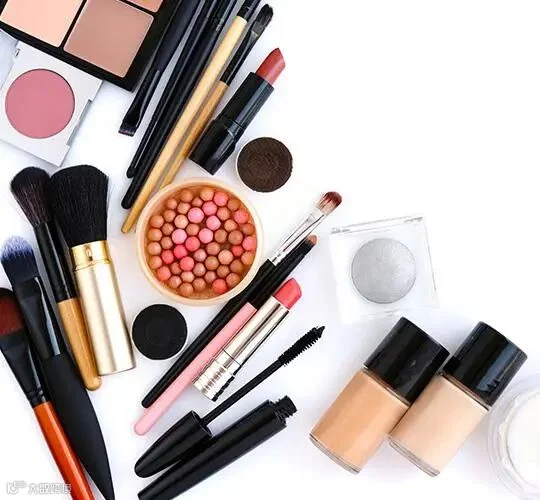
Despite the potential psychological benefits, access to makeup in prisons has always been politically fraught. Viewed as frivolous or a luxury, offenders have historically been considered undeserving of such rewards.
尽管有潜在的心理好处,但在监狱里获得化妆品一直是政治上的难题。在历史上,罪犯被认为是轻浮或奢侈的,不应该得到这种奖励。
In 1998, Virginia's department of corrections attempted to ban makeup, citing its contraband potential. Patricia L. Huffman, warden of Fluvanna Correctional Center protested the ban. "We're providing an opportunity for women to become better at dealing with the world ... a piece of that is how we look," The cosmetic clampdown was rolled back.
1998年,维吉尼亚州的惩教署试图禁止化妆,理由是化妆品可能成为违禁物。帕特里夏·L·霍夫曼(Patricia L. Huffman)是弗卢万纳惩教中心的典狱长,对这项禁令表示抗议:“我们为女性提供一个更好地与世界打交道的机会……其中就包括女性的外表。”对化妆品的限制被取消了。
"Not giving people the opportunity to attend to their appearance is just another way of dehumanizing and making people feel as if they're worthless," said Vollen-Katz,executive director of the John Howard Association, a prison watchdog,who views restrictive cosmetic rules as another example of prisons overstepping their bounds. "We've moved away from rehabilitation and become far more about retribution."
监狱监管机构约翰·霍华德协会的执行董事沃伦·卡茨说:"不给人们机会去注意他们的外表,只是另一种非人化的方式,让人们觉得他们毫无价值。"她认为限制性的美容规则是监狱越界的另一个例子。"我们已经远离了改造的初衷,而更接近报复"。

Necessary innovation
必要的创新
Over the decades, frustrated prisoners have taken creative approaches to acquire cosmetics. In the 1920s, women inside England's Holloway Prison scraped paint chips off their cell walls to use as face powder and dampened red paper to use as rouge. In 1929, women inmates in New Jersey surreptitiously used pages torn from prison library books to twist and curl their hair and pencil(ed) their eyebrows with pieces of wood reduced to charcoal. In the 1950s, wax paper became a hot ticket item when it was discovered that it could be melted down and used to straighten hair or give it shine.
几十年来,沮丧的囚犯们获取化妆品的方法极富创意。在20世纪20年代,英国霍洛威监狱的女囚犯们从牢房墙上刮下油漆碎片做粉底,湿红纸做胭脂。据当地一家报纸报道,1929年,新泽西州的女囚犯偷偷地用从监狱图书馆的书中撕下的书页来卷头发,并用烧成木炭的木头画眉。20世纪50年代,人们发现蜡纸可以熔化后用来拉直头发或使头发光洁,于是蜡纸成了狱中的抢手货。
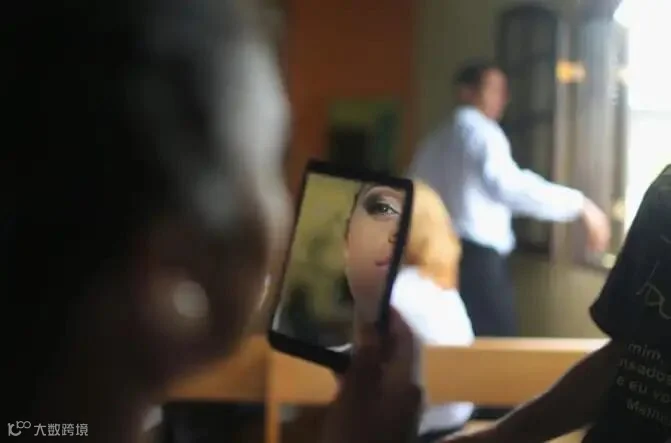
The dining hall provided other resources. Women pocketed sticks of butter and mixed them with pencil shavings to create homemade mascara and eye shadow. In the 1960s, women used lightbulb shards to trim their hair into prohibited bobs (so-called masculine haircuts were forbidden).
监狱食堂提供了其他资源。妇女们把黄油条装进袋子,与铅笔屑混合,自制睫毛膏和眼影。在20世纪60年代,妇女们用灯泡碎片将头发修剪成被禁止的波波头(所谓的男性发型是被禁止的)。
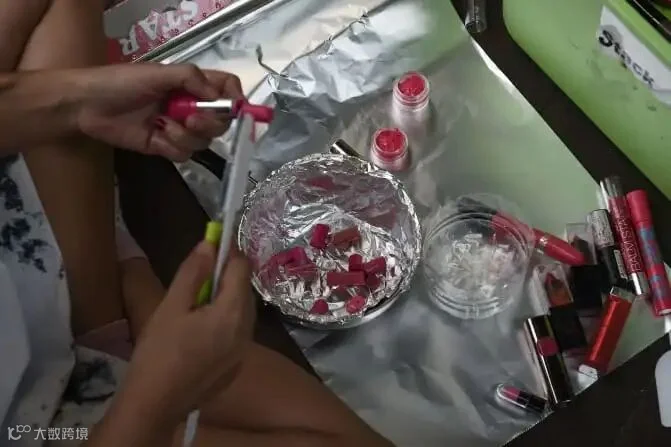
Today, permanent markers have replaced charcoal, Kool-Aid doubles as hair dye, clear deodorant for blush and M&M's are used in lieu of lip stain. Vollen-Katz is not surprised by these DIY hacks. "There is nothing quite like deprivation to cause one to innovate," she said.
如今,永久性记号笔已经取代了木炭,酷爱饮料可以作为染发剂,透明除臭剂可以作为腮红,M&M豆被用来代替唇膏。沃伦·卡茨对这些DIY小技巧并不感到惊讶。她说:"没有什么比匮乏更能促使人创新的了,"她说。
Research suggests that access to cosmetics reduces violence among inmates, a phenomenon credited to the heightened sense of self-esteem that attending to one's appearance can bring. Studies find that inmates with a greater sense of self-worth also reintegrate better after serving their sentences. Even without this data, many penal reformers have seen access to cosmetics as beneficial.
研究表明,获得化妆品可以减少囚犯的暴力行为,这一现象归功于关注自己的外表可以带来更高的自尊感。研究发现,有更多自我价值感的囚犯在服刑后也能更好地重新融入社会。即使没有这些数据,许多刑法改革者也认为获得化妆品是有益的。

Cosmetology classes
美容课程
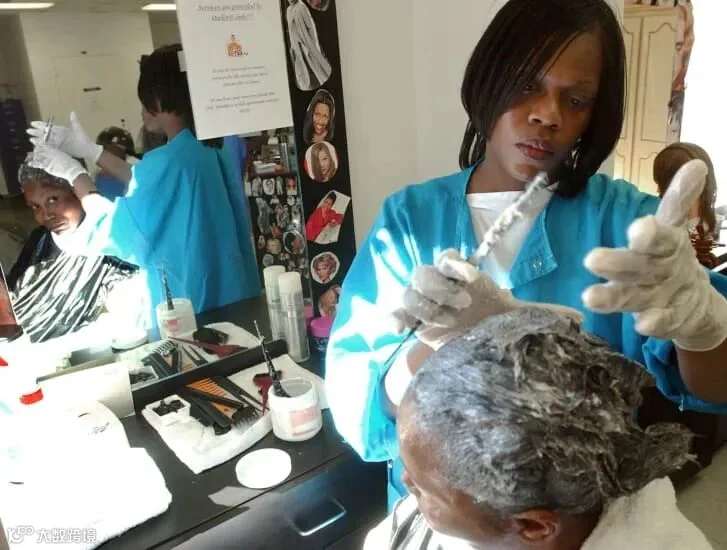
The beauty program opened inside the Women's House of Detention in 1956, outfitted with curling irons, dryers and electric stoves where Black inmates learned to wash and wax their hair. This was the first time in the New York City Department of Correction's history that funds were allotted to women's education courses (typing, sewing and culinary arts followed).
美容课程于1956年在妇女拘留所内开设,配备了卷发器、烘干机和电炉,黑人囚犯在那里学习洗发和给头发上蜡。这是纽约市惩教署历史上第一次为妇女教育课程拨款(随后是打字、缝纫和烹饪艺术)。
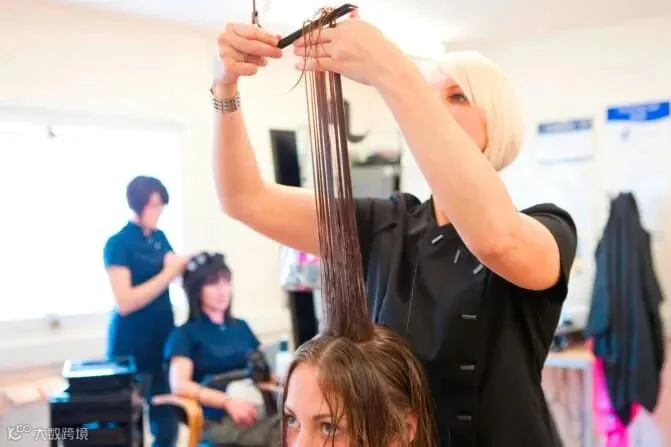
Outside influences have often played a role in getting cosmetics to prisoners. In 1970 in Chicago, philanthropic millionaire W. Clement Stone developed a prison charm school. "We are going to get these women to think they have outer charm, (then) they can work on their inner charm themselves," he told Sepia magazine at the time. This push was international. In 1973, a German social worker told Reuters lipstick and nail varnish helped prisoners "overcome a feeling of indifference and resignation."
外界的影响经常在为囚犯提供化妆品方面发挥作用。1970年,芝加哥的百万富翁慈善家W-克莱门特-斯通(W. Clement Stone)开了一所监狱魅力学校。"我们要让这些女囚认为她们有外在的魅力,(然后)她们可以自己努力提高内在的魅力,"他当时告诉《Sepia》杂志。这种推动是国际性的。1973年,一位德国社会工作者告诉路透社,口红和指甲油有助于囚犯 "克服冷漠和无奈的感觉"。
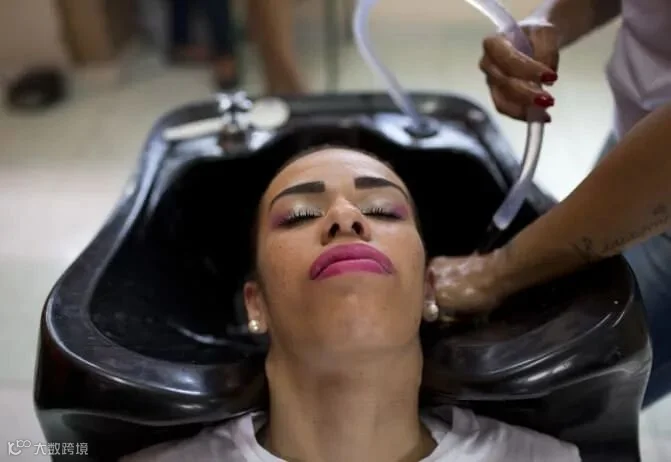
The growth of prison beauty schools also reshaped the narrative around cosmetics. The schools' purpose was twofold: They aimed to improve inmates' self-esteem and equip them with marketable skills. The beautification business was a viable path to employment.It has been shown that formerly incarcerated people who land jobs with growth potential find it easier to rejoin society and have significantly lower recidivism rates.
监狱美容学校的发展也重塑了人们对化妆品的看法。这些学校的目的有两个: 一是提高囚犯的自尊,二是让她们具备市场需要的技能。做美容生意是一条可行的就业之路。有研究表明,曾经的囚犯找到了具有发展潜力的工作,她们更容易重新融入社会,而且再犯罪率明显较低。
Today cosmetology schools are a familiar presence in women's prisons. "We have a zero recidivism rate," said Christie Luther, who founded the R.I.S.E cosmetology school over the phone. "Eighty-five percent of our graduates are working right now -- in hair salons, many in management roles."
今天,美容学校在女子监狱中很常见。"创办R.I.S.E美容学校的克里斯蒂·卢瑟在电话中说:"我们的重犯率为零。"我们85%的毕业生现在正在美发店里工作,许多人担任管理职务。"
重点字词:
1、frivolous:adj. 轻浮、轻佻
例:Toad ceased his frivolous antics at once.
托德立刻停止了他那轻浮的滑稽动作。
2、clampdown:n. 压制;取缔;严禁
例:A police clampdown on car thieves hit a snag when villains stole one of their cars.
匪徒偷走了警方一辆汽车后,警方打击盗车贼的行动遇到了一点儿小挫折。
3、surreptitiously:adv. 偷偷地;秘密地;不正当地
例:Surreptitiously Mark looked at his watch.
马克偷偷看了看表。
4、deprivation:n. 贫困,匮乏
例:Millions more suffer from serious sleep deprivation caused by long work hours.
还有数百万人由于工作时数长导致他们严重睡眠不足。
5、allot:v. 分配,分派,划拨
例:Allot regular funding to most departments.
给大多数部门分配固定的资金。
原文链接:https://edition.cnn.com/style/article/prisoners-makeup-pandemic/index.html
文案 | 毛彦文
排版 | 毛彦文