疫情
死亡
灾难
全文约4000字,阅读约15分钟
Pandamic
一场可以预见又难以预见的国际性灾难正初步展开。
我们希望能够预测疫情后的生活,但未来永远都是未知的。一战后世界重建时,经济学家约翰•梅纳德•凯恩斯就提出了以上观点。他写道:未来是“波动的、模糊的、不确定的”。当时正值20世纪30年代,大规模的失业击垮了人们的信心,一场可以预见又难以预见的国际性灾难正初步展开。
疫情已带着这一事实不容分说地闯入了我们的生活,进而威胁会粉碎我们心中最美好的希望,因为希望总是超越现在而存在,而我们已经被剥夺了能够预测未来一秒、一分钟、一小时或一天会发生什么的能力。每时每刻,疫情似乎随时都会拿任何人开刀。
The pandemic has brought this truth so brutally into our lives that it threatens to crush the best hopes of the heart, which always look beyond the present. We are being robbed of the illusion that we can predict what will happen in the space of a second, a minute, an hour or a day. From one moment to the next, the pandemic seems to turn and point its finger at anyone.
20世纪最致命的流行病——于一战末期爆发的西班牙流感,在将近四年的疫期中,周而复始、循环往复地肆虐。纵观当时的世界,人们常常会深信自己已经渡过了难关,胜利在望;然而,他们预期的未来却似乎在步步后退,如地平线般若有若无,如一朵疑云般翻覆不定,如一片朦胧般虚无缥缈。没有人能确信将来会是何种景象。
The most deadly pandemic of the 20th century, the Spanish flu at the end of the first world war, went through wave after wave and lasted for nearly four years. Across the world, people are desperate to feel they have turned a corner, that an end is in sight, only to be faced with a future that seems to be retreating like a vanishing horizon, a shadow, a blur. Nobody knows, with any degree of confidence, what will happen next.
如果说“群体免疫”这一概念让人们惶惶不安,并不只是因为它暗含风险,可能导致病毒更加泛滥,乃至变异得对疫苗具有抵抗力;也并非因为它暗怀鬼胎,意欲神不知鬼不觉地让人们以为,死更多人也是无可厚非的。也许更令人痛心的是,它似乎批准了人类雪崩式的死亡,提醒我们:死亡随时会发生,而且最终会降临到所有人身上。
If the idea of “herd immunity”has been so disturbing, it is not just because it runs the risk of a virus run rampant and mutating into vaccine-resistant variants, or because of the sinister undercover calculations of the acceptable level of the dead that it entails. Perhaps even more distressing, the avalanche of deaths that it appeared to sanction reminds us of the reality that death can happen at any time and eventually comes for us all.
弗洛伊德曾说过,没有人愿意相信自己的死亡。在人们的潜意识中,对于死亡这件必然发生的事情,始终留有空白。如果说新冠流行病永远地改变了人们的生活,那也许是因为它推翻了人们无法接受自己死亡的错觉。至少在现代的西方文化中,作为人类,就是要尽可能地远离与死亡相关的知识。马克思主义文学评论家沃尔特·本雅明写道:“几乎没有一座房子、一间屋子里没有人去世过。”另一方面,他认为,在现代生活中,死亡已经超出了人们的感知领域。当然,他的判断并不包括贫困国家,也没有预见到即将发生的战争。
Sigmund Freud once stated that no one believes in their own death. In the unconscious, there is a blank space where knowledge of this one sure thing about our futures should be. If the pandemic has changed life for ever, it might therefore be because that inability to countenance death has been revealed for the delusion it always is. To be human, in modern western cultures at least, is to push the knowledge of death away for as long as we can. “There used to be no house,” the Marxist critic Walter Benjamin wrote, “hardly a room, in which someone had not once died.” In modern life, on the other hand, he argued, dying had been pushed beyond the perceptual realm of the living, although his diagnosis did not of course include the destitute nations or anticipate the impending war.
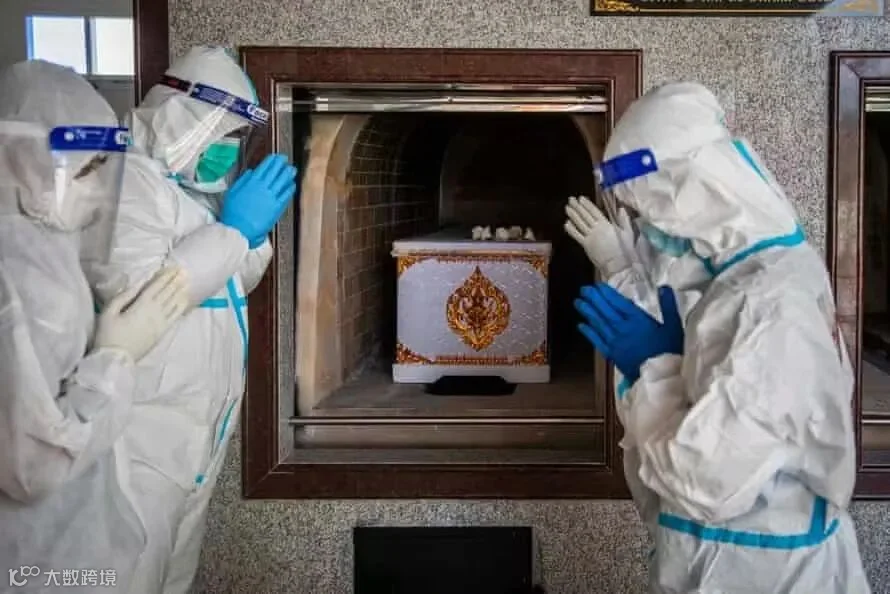
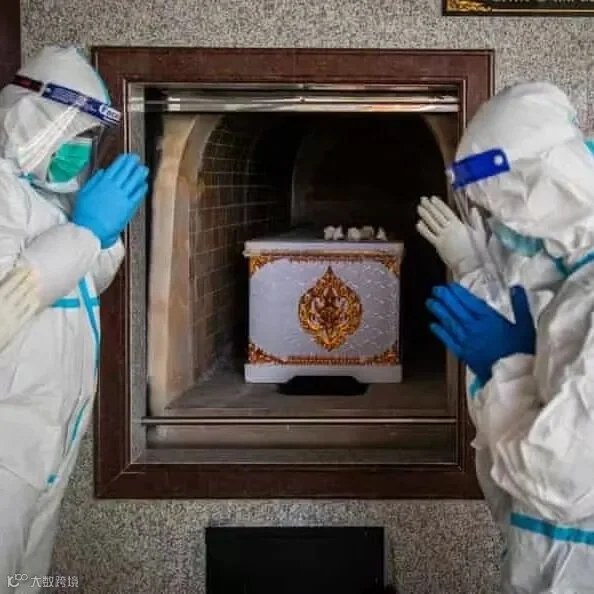
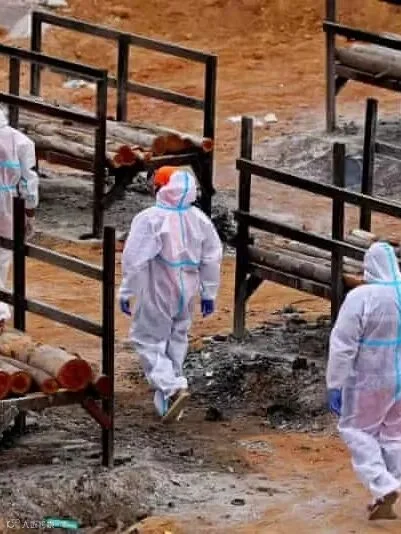
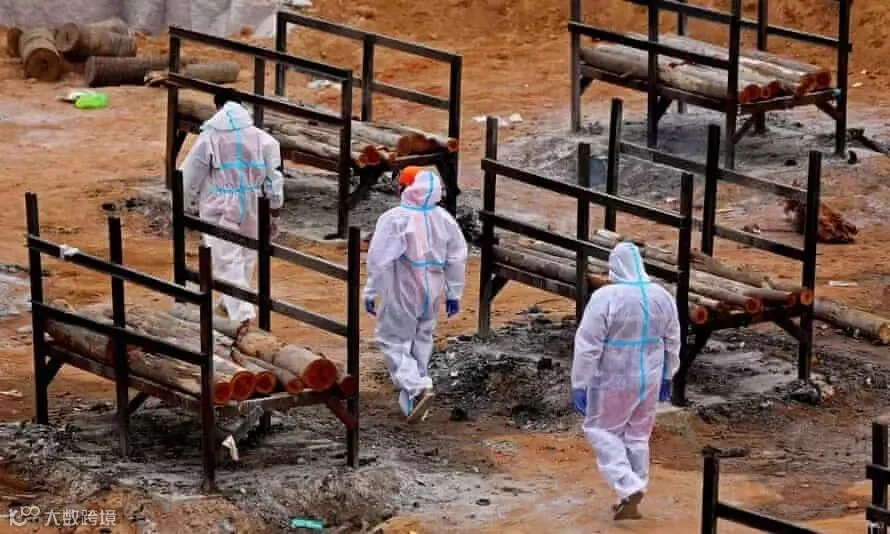
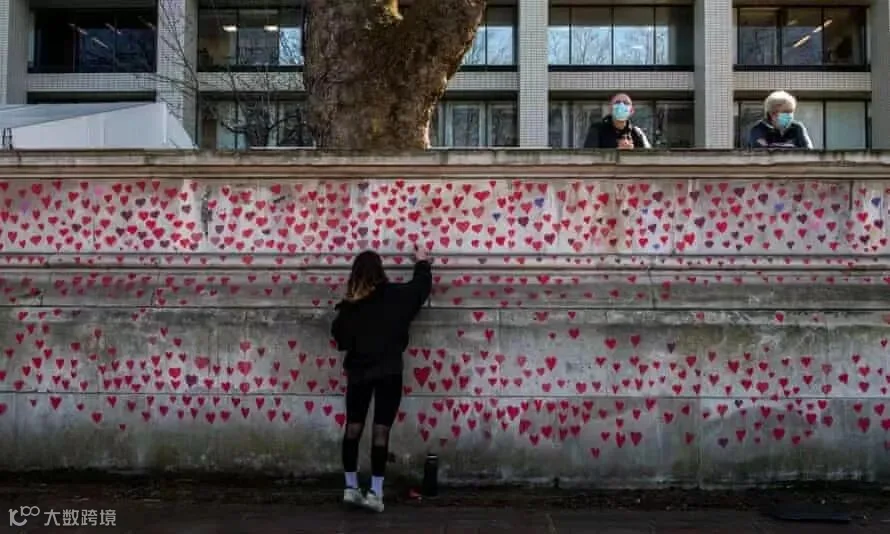
疫情期间,死亡无法被驱逐到生存的边缘,反而从一个病房到另一个病房,阴魂不散。目前一个未解之谜是,普及疫苗多久后,医院才能彻底恢复治疗和护理生命的常态,而非准备迎接死亡,而非让医护人员面临治疗癌症还是新冠这样不人道的选择。
In the midst of a pandemic, death cannot be exiled to the outskirts of existence. Instead, it is an unremitting presence that seems to trail from room to room. One of the as yet unanswered questions of the present moment is how soon the vaccine rollout will allow hospitals to return once and for all to curing and caring for life rather than preparing for death, so that doctors and nurses will no longer be faced with the inhuman choice between cancer and Covid.
一旦死亡的意识突破了特定边界,进入我们清醒的梦,未来究竟会包含些什么?那我们此时此刻的心理时间是什么?我们该如何为将要来到的事做准备?如果这种不确定性影响到了我们生活的中心,那么它也上升到了政治维度。所有正义的主张都需要建立在一个可能存在的未来图景之上,即便是,或者说尤其是在我们感到这个星球正面临没落的时刻。自从这个传染病导致了现代社会中种族,性和经济的不平等,这种创伤残忍地上升到了我们社会的表层安排,不可避免地让每个人都意识到,这一切变得更显眼了。
What on earth does the future consist of once the awareness of death passes a certain threshold and breaks into our waking dreams? What, then, is the psychic time we are living? How can we prepare for what is to come? If the uncertainty strikes at the core of inner life, it also has a political dimension. Every claim for justice relies on belief in a possible future, even when – or rather especially when – we feel the planet might be facing its demise. This is all the more visibly the case since the pandemic has allowed the bruises of racial, sexual and economic inequality in the modern world to rise mercilessly to the surface of our social arrangements for everyone, unavoidably, to see.
贫困人口的痛苦,黑人男子在街头被警察枪杀,妇女困在家中被伴侣殴打和谋杀。这些现实都在更加强烈地浮现在公众意识上,就像他们从头经历一样心理领域也开始发生明显的变化。除了恐怖之外,依赖于长期抗议的传统已经进入了舞台。这是一种新的大胆形式也是对未来的新主张。
The misery of impoverished peoples, black men gunned down by police on the streets, women trapped in their homes during lockdown, assaulted and murdered by their partners – all these realities are pressing harder on public consciousness, as they move from the sidelines on to the front page. The psychological terrain is starting to shift. Alongside the terror, a renewed form of boldness, itself relying on longstanding traditions of protest, has entered the stage – a new claim on the future.
人们逐渐开始呼吁关注被视作常态的系统性的歧视,人们不愿再接受对现存问题的否认,也不愿再容忍对不公正现象的刻意无视。有人面对不公而无动于衷,袖手旁观,还认为世界原本如此,就该如此。
One by one, people are calling out the systemic forms of discrimination that are so often passed off as the norm. People will no longer accept denials that the problem exists, or leave unchallenged the studied indifference towards injustice that makes people turn aside and casually assume that this is just how the world is and always will be.
与此同时,一个显而易见的事实是:财富的无休止增长和积累所造成的对人类自身的损耗和对资源的榨取正在摧毁地球。首先,这体现在大流行病中,病毒能够打破人类与其他动物之间的屏障,导致疾病互相传播,许多科学家认为这是由食物链中的干扰引起的。第二,体现在战争难民的遗体被冲上了所谓“发达”国家的海岸。其次体现在干旱、洪水、野火、超级风暴、热浪、地震和飓风中,在气候灾难的压力下,地球上的生命仿佛已经面临末日。
Meanwhile, it becomes more and more obvious that endless growth and accumulation of wealth involves an exploitation of humans and resources that is destroying the planet. First, in the pandemic, caused by the virus crossing the barrier between humans and other animals, which many scientists believe was caused by interference in the food chain. Second, in the bodies of people in flight from war zones, washing up on the shores of the so-called “developed” nations. Then, in the droughts, floods, wildfires, superstorms, heatwaves, earthquakes and hurricanes, under pressure of climate disaster, as if life on the planet had already reached the end of days.
当下,一切都在告诉我们:我们不能再打着进步的名义继续做出错误的决定了。在驱使之下越来越努力工作、赚越来越多的钱,不是一种美德或某种需要坚守的道德守则,而是贪婪、恐慌和腐朽的标志。像理查德·布兰森和杰夫·贝佐斯一样,把自己发射至外太空,是一个由顶层富人上演的自恋杂耍秀。
无论哪种方式,管理原则和无限殖民宇宙的幻想都一直存在。NASA科学任务的副主管在2015年表示:“我们知道火星上有生命,因为是我们把生命安置于此。”这个过程被称为“提前污染”——在让某物生长的同时摧毁它。
签署这份“浮士德式契约”时,正值地球上的生命最为脆弱的时刻。这绝非偶然。据说,贝佐斯将向正致力于探索永生的秘密的硅谷基因重编程公司Altos Labs投资数百万美元。 他们认为有钱人可以自救,而没有特权的人会崩溃和失败(已经花在这些太空大项目的上总钱额可以支付全世界所有人的疫苗费用)。 这一点似乎很清楚。 如果我们想有一个更好、更公平的生活,如果我们想能应对任何一种未来,我们必须放慢节奏,改变我们与时间的关系。
注:浮士德是德国16世纪民间传说中一个神秘性人物。据说他用自己的血和魔鬼签订契约,出卖灵魂给魔鬼,以换取世间的权利、知识和享受。
It is surely no coincidence that such Faustian pacts are being struck when the fragility of life on earth has never been more glaring. Bezos is said to be pouring millions into Altos Labs, a Silicon Valley gene reprogramming company searching for the secrets of eternal life. They think their money will save them, while the bodies of the less privileged crumble and fail (the sums already spent on these space extravaganzas would pay for vaccines across the world for everyone). This much seems clear. If we want to prepare for a better, fairer, life – if we want to prepare for any kind of future at all – we must slow the pace and change our relationship to time.
如果我们进入心理时间的领域会怎样?我们的思绪不断地在那些藏于记忆深处的压抑的片段中反复横跳。这种对人类主体性方面的设想完全击溃了任何将进步视为在时光洪流中前进的想法。从这个角度看,人类无情地鞭策自己不断向前进,似乎惟其如此才能生存 -- 实则更有可能走向自我毁灭。事实已经证明,试图以不断前进的方式来回避内心的痛苦,注定是徒劳之举。
So what happens if we enter the realm of psychic time, the inner world of the unconscious where the mind, which we can never fully know or master, constantly flickers back and forth between the different moments of a partly remembered, partly repressed life? This is a vision of human subjectivity that completely scuppers any idea of progress as a forward march through time. Seen in this light, the relentless drive to push ourselves on and on, as if our lives depended on it – killing us, more likely – reveals itself as a doomed effort to bypass inner pain.
弗洛伊德的同事约瑟夫·布鲁尔曾研究过精神分析史上第一个歇斯底里的病人。她在照顾临终的父亲时病倒了,压倒她的是对父亲难以忍受的怨恨和悲伤。生活中的种种限制令她窒息,使她愤怒。作为一名维也纳的年轻女性,她不允许自己清醒时去享乐。即使没有这场新冠大流行,对我们所爱之人和已逝之人产生这般痛苦又矛盾的心理也是很难说出口的。我们心理上的容忍能力确实是有限度的,我们从未像如今此般需要这精神分析的基本洞察力。
The first hysterical patient in the history of psychoanalysis – analysed by Freud’s colleague Josef Breuer – fell ill as she sat nursing her dying father, overwhelmed by an inadmissible combination of resentment and sorrow. Her anger at the suffocating restrictions of her life was a feeling that, as a young Viennese daughter, she could not allow herself, at least consciously, to entertain. Even without a pandemic, it is rare for such agonising ambivalence towards those we love and lose to be spoken. There is a limit to how much we can psychically tolerate. This remains the fundamental insight of psychoanalysis, never more needed than today.
诗人丹尼斯-莱利在其儿子去世后说,在那段时间里,她的时间仿佛静止了一般。当你悲伤的时候,除了悲伤,你没有别的选择,因为你的头脑在与悲伤的记忆作斗争,没有人愿意拥有这些记忆。甚至 "丧亲者 "这个词也有误导性,因为它暗示着一个群体的分离,暗指这些事情已经结束了,好像你可以把它放在一边,结束无休止的痛苦。
As beautifully rendered by poet Denise Riley after the death of her son, it is time lived without its flow. When you are grieving, there is nothing else to do but grieve, as the mind battles against a knowledge that no one ever wishes to own. Even the term “the bereaved” is misleading, as it suggests a group apart, and something over and done with, as if you can neatly place to one side and sign off on something that feels, for the one afflicted, like an interminable process .
任何苦恼都必须不惜一切代价避免,任何事情都能够并且必须加以管理,一切都会好起来的——这句咒语的不真实性从未如此鲜明。重要的是无休止地推迟对美好未来的承诺。因此,我认为,从气候变化到社会关怀,所有话题都存在着回避和混淆视听的问题——似乎都没有足够的雄心壮志或充足的资源来用"计划 "一词形容它们。我们忽略了当下的政治现实,因为直面这种困境所需的精神生活的复杂形式被压制了。
What must be avoided at all cost is any glimmer of anguish. Anything can and must be managed. Everything is going to be all right – a mantra of which the irreality has never been more glaring. All that matters is the endlessly deferred promise of good times ahead. Hence too, I would suggest, the evasions and obfuscations on everything from climate breakdown to social care – for none of which there appears to be anything sufficiently ambitious or well-resourced to be dignified with the word “plan”. The political reality of the moment is ignored by subduing the difficult forms of mental life that would be needed in order to face it.
弗洛伊德流传最广的名言称歇斯底里症病人遭受的痛苦“主要来自回忆”的痛苦。在这一论断下,精神分析学开始致力于理解逃离过去的渴望如何将人们冻结在无限重复的时间中,如何剥夺了人们过上自由生活的所有机会。一旦你有了一点希望可以踏入新阶段,你就必须回首往事,无论这会带来多大的痛苦,即便违背内心深处的冲动也必须这么做。随着人们开始在公共领域分享故事,而不是将记忆埋藏在自己的亲密空间或私人空间,这个论断也被证明是非常正确的。
In one of his most famous statements, Freud described the hysterical patient as suffering “mainly from reminiscences”. From that moment on, psychoanalytic thought has committed itself to understanding how flight from the past freezes people in endlessly repeating time, robbing them of any chance for a life that might be lived with a modicum of freedom. You have to look back, however agonising, even if it goes against all your deepest impulses, if you are to have the slightest hope of getting to a new stage. This, too, has become more obviously true as people are crossing over from the space of intimacy and privately stored memories to tell their stories in the public domain.
为了使疫情期间受到性虐待的女性走出暴力的记忆困扰,让她们站出来去讲述疫情几年里发生的痛苦的性虐待事件是很有必要的,也是唯一的治愈办法。精神分析学家们的报告显示,在疫情封闭期间,病人们纷纷倾诉了以往没有说出口的往事;似乎虚拟会议让病人和医生之间产生了物理距离,也让他们之间的亲密感下降,而且在疫情的压迫感之下,病人们终于有勇气说出那些记忆。
When women step up to recount harrowing tales of sexual abuse from bygone years, it is part of a bid to claim the past as the only way of allowing a future to emerge no longer blocked by violent memory. During lockdown, psychoanalysts reported a flood of untold memories from their patients, as if the physical distance and reduced intimacy of the virtual session, combined with the sheer urgency of the moment, were finally giving them the courage to speak.
看一眼当今的文化战争,就会发现这种估计对于我们理解当前政治紧迫性的能力是多么重要。引起最大麻烦的是受损者、弱势者和被剥夺者的无畏精神,他们将过去的遗产作为通往可行未来的通道。他们打击历史性和根深蒂固的不公正的决心无疑是典范。在废除奴隶制时,英国奴隶主被政府以 170 亿美元的补偿金收买。数百年来,这些资金大量增加,让下一代享受他们不愿接受的繁荣水平。
有没有可能,遗忘的背面不是记忆,而是正义?我在这里要回答的是它们“两者”实际上是不可分割的。只要我们不忘却最糟糕的过去,就不会为一个没有愿景的未来而争取正义。我们都需要成为我们公共世界和私人世界的历史学家。可以从为人类思想的复杂遗产留出空间开始做起,而不要将清算推到一边。让心理诊所的洞察力心渗入我们的公共和政治生活。
Is it possible, that the opposite of forgetting is not memory, but justice? My point here has been to answer “both”, that they are in fact inseparable. There can be no struggle for justice without a vision of the future, so long as we do not lose sight of the worst of the past. We all need to become the historians of our public and private worlds. One place to begin would be to make room for the complex legacies of the human mind, without the need to push reckoning aside. Let the insights of the analytic couch percolate into our public and political lives.
我们不该认为社会创伤和不公平现象属于承载着最反复无常的恐惧和欲望的另一宇宙。相反,当我们试探性地画出一个更美好世界的轮廓时,谈判桌上将会出现对这些社会创伤和不公平现象的讨论。与此同时,为在疾病大流行期间工作的不足之处承担责任也会起到一定作用,尽管这一切都不会让成千上万个不应该死去的人复活。
Social trauma and injustice would not be seen as belonging to another universe from our most wayward fears and desires. Instead, they would both find their place at the negotiating table, as we tentatively begin to draw the outlines of a better world. Meanwhile, taking responsibility for failure in relation to the pandemic would help.Though none of this will bring back the thousands who should not have died.
精神分析认为,失败和脆弱是认清我们是谁的关键部分(只有了解这一点,我们才能使生活变得更好)。失败,在今天也有最强烈的政治共鸣,因为我们许多人正焦急地等待着看这个想法是否会被允许,以任何有意义的或持久的方式,进入集体政治头脑。关于美国是 "大 "国还是 "超级 "大国的争吵很难让人放心 -- 根据英国国防部长的说法,只有愿意施加全球力量影响的国家才有权利使用第二个称谓。
In psychoanalytic thought, failure and fragility are a crucial part of who we are (only by knowing this can we make the best of our lives). Failure, too, has the strongest political resonance today, as many of us now anxiously wait to see if the idea will be allowed, in any meaningful or lasting way, to enter the collective political mind. Squabbling over whether the US is a “big” or “super” power – according to the UK defence minister, only a country willing to exert global force has a right to the second epithet – is hardly reassuring.
那么,当新冠疫情不再是人们生活中有意识关注的重心时,它将如何存在?人们又将如何记住它?它将会是一个对疫苗取得胜利的叙述,而不提及全球分配不平等的致命不公吗?它会是一个关于政府的失职和问责的故事?还是关于人们逐渐适应了为逝者哀恸?我们面临的挑战将是抵制住诱惑——不要把所有的事情都掩盖起来,仿佛对未来最好的希望就是回到正常状态,无忧无虑地继续以前的事情:把死亡放在一边,把地球上的居民视为可有可无,再把地球推向末日。另一方面,一个为记忆和公正留出空间的世界将是另一回事,大局未定,还有转机。
So, how will the pandemic be lived when it is no longer at the forefront of people’s consciously lived lives? How will it be remembered? Will it be a tale of vaccine triumph, with no mention of the murderous injustice of unequal global distribution; a story of government negligence and accountability; or an acceptance of the ongoing grief for the dead? The challenge will be to resist the temptation to brush everything under the carpet, as if the best hope for the future were to go back to normal and blithely continue with matters as they were before: push death aside, treat swaths of the Earth’s inhabitants as dispensable, drive the planet to its end. On the other hand, a world that makes room for memory and justice would be something else. There is still everything to play for.
原文链接:
https://www.theguardian.com/society/2021/dec/07/life-after-death-pandemic-transformed-psychic-landscape-jacqueline-rose