


你一定见识过美颜app的神奇之处:瘦腰瘦脸,一键解决。然而,一键美颜也引发了年轻人们的身材焦虑,一些人甚至因此而饮食混乱。美,应该是怎样的?身材焦虑的背后,社交媒体又扮演者怎样的角色?
指尖上的烦恼与担忧
Body-editing apps advertised on social media platforms TikTok and Instagram are “triggering” young people with eating disorders, campaigners fear. Adverts show how the apps can be used to alter body parts, including making waists slimmer and adding muscles.
TikTok和Instagram这类社交平台上,美颜app的广告几乎无孔不入,只需动动手指,你就可以拥有令人羡慕的小蛮腰和壮实的肌肉。然而,有识之士担心,美颜app会引发年轻人的身材焦虑,进而导致饮食失调。
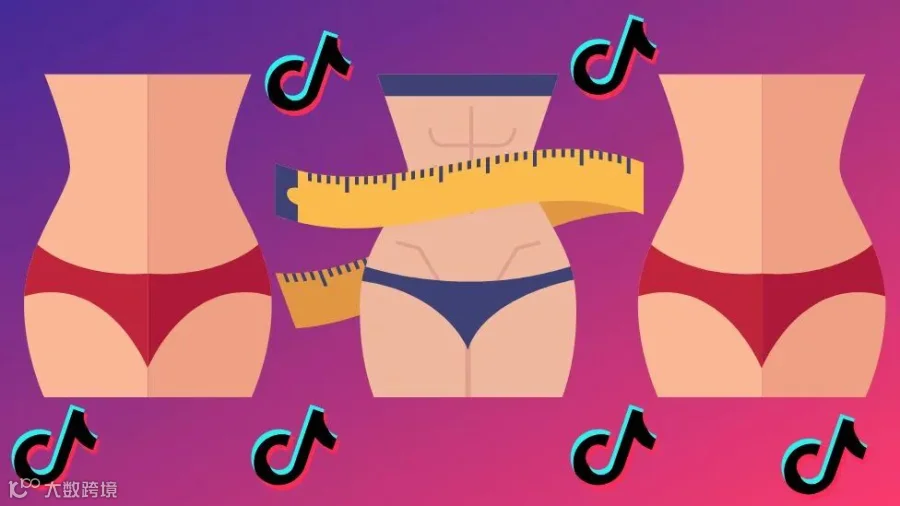
● ●● body-editing apps advertised on TikTok
Eating disorder charities have said technology firms should consider the impact on vulnerable people. The platforms said the apps did not break advertising guidance, but TikTok added it does reviews its policies. It said it is “continually looking to enhance” its framework to “support a body-positive environment”.
一些关注饮食失调现象的慈善机构表示,科技公司应该审慎考虑广告投放造成的后果,毕竟青少年很容易受到广告的影响。对此,各大社交平台表示,这些美颜app并没有违反广告投放的相关协议,但TikTok同时宣称,将会重新评估和审查既有的广告投放协议,“不断加强平台整体治理”,支持营造“正面看待身体”的网络环境。
●What is body positivity? ●
Body positivity refers to the assertion that all people deserve to have a positive body image, regardless of how society and popular culture view ideal shape, size, and appearance.
“正面看待身体”这项社会运动主张所有人都应该大胆做自己,对自己的身体保持积极的态度,无论社会流行审美怎么定义理想的身材外形。
Some of the goals of the body positivity movement include:
这项运动的主要目标包含以下几点:
♦challenging how society views the body
向社会审美对身体的评判提出质疑
♦promoting the acceptance of all bodies
推动社会审美接受外在形象的多元化
♦helping people build confidence and acceptance of their own bodies
帮助人们接纳自己建立自信
♦addressing unrealistic body standards
纠正不现实的身材评判标准
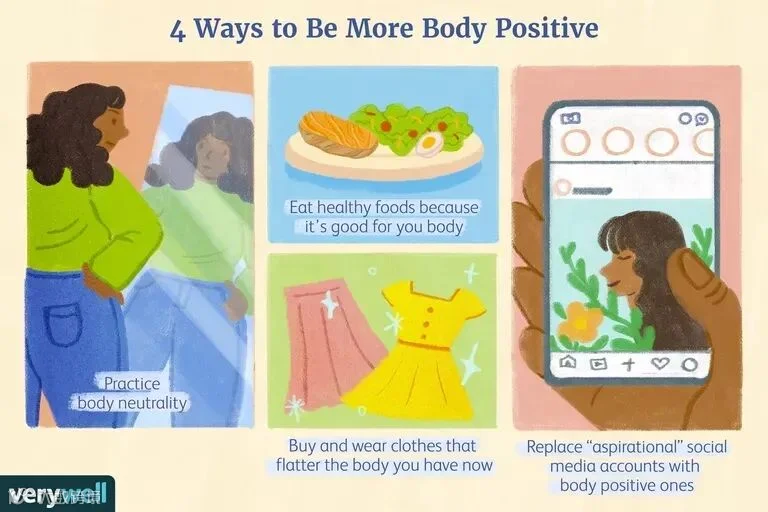
Body positivity aims to help people understand how popular media messages contribute to the relationship that people have with their bodies, including how they feel about food, exercise, clothing, health, identity, and self-care. By better understanding the effect that such influences have, the hope is that people can develop a healthier and more realistic relationship with their bodies.
“正面看待身体”旨在帮助人们理解社交媒体上的信息,是怎样影响人们对自己身体的认知和评价的,包括饮食、运动、衣着等其他各个方面。通过理清这些影响因素,人们有望能够从更科学、更理性的角度出发看待自己的身体。
美好幻想无法企及,青少年深陷身材焦虑
Social media companies need to be held to account and “stop this unhealthy and unhelpful messaging,” said eating disorder campaigner Hope Virgo.
Hope Virgo格外关注饮食失调现象,他为此四处奔走试图引起人们的重视,他认为社交媒体必须承担应有的责任,停止传播这种无益于健康的信息。
When they feel that they do not look good enough, their self-esteem and self-confidence get affected, hurting their interpersonal relationships in the process. Some would isolate themselves and give in to their eating disorders until they feel good. On the other hand, weaker patients tend to succumb to their disappointment and begin developing depression, anxiety, and suicidal ideations.
虽然饮食失调并非一定是由身材焦虑引起的,但的确有研究表明,当人们觉得自己外形不佳时,自尊心和自信心就会受损,进而会影响到人际关系。有些人开始抗拒与外界交往,饮食不规律,直到感觉良好为止。另一方面,一些更为脆弱的患者往往会对自己感到失望,甚至产生抑郁、焦虑和自杀的念头。
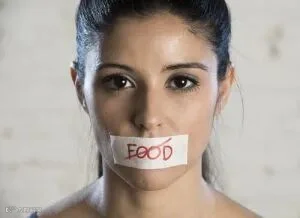
“The fact that Instagram and TikTok are currently advertising body-changing apps will fuel this epidemic of eating disorders further.” Eating disorder charity Seed said it has seen a 68% rise in children and teenagers aged between 10 and 19 seeking support since the pandemic.
事实上,美颜app的广告在社交媒体上大为盛行,这将进一步加剧饮食失调在青少年群体中的广泛流行。慈善机构Seed研究发现,自疫情发生以来,10至19岁青少年因饮食失调而寻求帮助的人数上升了68%。

● ●● Danae Mercer
Danae Mercer is a health journalist with a history of disordered eating. She regularly posts about body positivity on Instagram and Tiktok, filming “behind the curtain” videos of how bodies are edited.
Danae Mercer是一名健康领域的记者,她也曾患上饮食失调。最近,她开始在网上分享她对于身材和美的积极理解,同时也会揭秘美颜app的幕后秘密——这些app怎样创造出一个“不真实的自己”。
“The apps make me thinner and curvier than my body, even if I trained all the time, could ever be. They eliminate my pores in a way that’s not even possible in nature. They create a ‘me’ that is, quite simply, unachievable - and they do it all with a click of a button.
这些app能够让照片上的我更加苗条,更具曲线美,但事实上,就算我每天健身,我也没法变成照片里那样。开了美颜之后,我的脸光滑细腻,连毛孔都没了,这一点儿也不自然。按下美颜键的一刹那,它们创造出了一个连我自己也无法企及的“另一个我”。
“Teens and young girls don’t understand these things yet, not fully. In the same way, we wouldn’t allow weight loss products to be marketed at children, we need to really push for new regulation around what apps are allowed to target vulnerable audiences.”
青少年还不了解这些事情,至少是不完全了解。我们不允许针对儿童营销减肥产品,同理,我们应该付出实际行动,来推动对美颜app采取新的监管措施,从而确保弱势群体不会利益受损。
胖不是错,我本来就很美
“We are spending more time on these platforms than ever,” said Gemma Oaten, manager of Seed. “As we get back to normal life, we won’t be able to hide behind screens or apps.
“比起以前,现在我们花在社交媒体上的时间要多得多。”Seed组织的负责人Gemma Oaten说道,“就算回到了现实生活,我们也很难不受虚拟世界的影响。”
“People are being offered ways to distort their image online but that puts pressure on them in the real world.” Social media companies should accept a “duty of care” and signpost any adverts which could be detrimental to body image, she added.
“有了美颜app,人们可以随意调整自己的外貌,然而回到现实世界以后,看着自己一成不变的外表,他们反而会感到焦虑倍增。”社交媒体应该承担应有的责任,对于任何可能会导致青少年做出伤害身体举动的广告,社交媒体应该予以标注。
● ●●
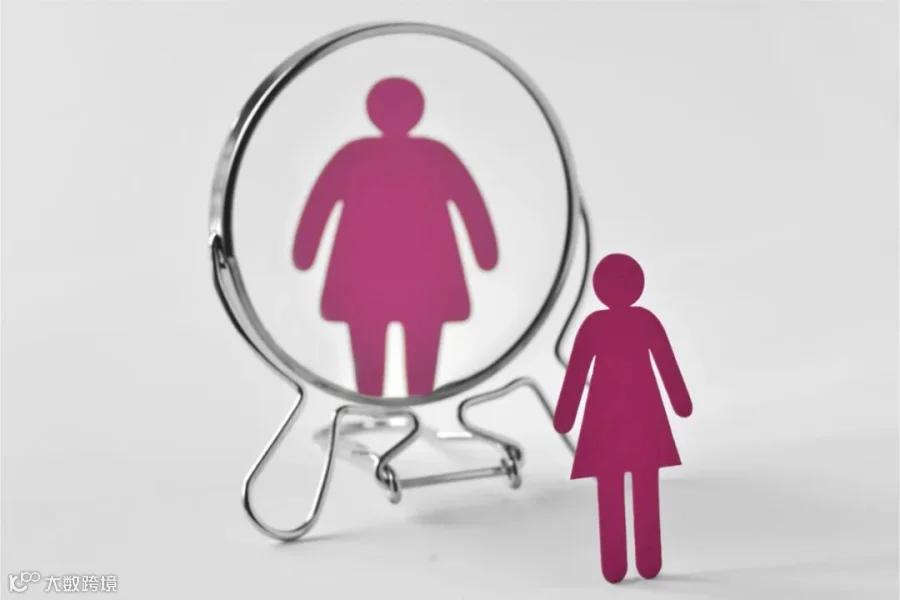
Body-changing apps that encourage the stigmatisation of weight, or promote the idealisation of thinness, could cause distress for people suffering from an eating disorder or vulnerable to one.
美颜app扭曲了人们对于美的理解,鼓吹越瘦越好,彷佛长胖是什么弥天大罪一样。有些人本就患上了饮食失调,又或有些人很容易受到这些观念的影响,于是乎他们只会感到越来越焦虑。
Beat, a UK eating disorder charity, said “We would also encourage anyone struggling to report triggering content wherever possible, but also consider taking a step away and instead focusing on other positive sources of support.”
Beat是一家位于英国的慈善组织,对于陷入身材焦虑而饮食失调的人们,Beat表示,如有可能建议第一时间向他人倾诉自己的遭遇,此外,Beat还建议转移一下注意力,通过一些积极渠道接触一些正面的影响,树立对美的正确理解。

● ●●
编译 | 王兆隆
排版 | 王兆隆