


Even if you consider yourself a die-hard skeptic, you've probably heard of one or two superstitions in your time — and perhaps even indulged in an occasional good luck ritual of your own.
即使你认为自己是一个顽固的怀疑论者,你可能也听说过一两个迷信,或者甚至偶尔沉迷于自己的祈祷好运小仪式。
Even though many superstitions have been refuted — or are just too strange to be believed —millions of people all over the world still follow them.
尽管许多迷信已经被驳斥,或者奇怪到难以置信,但世界各地仍有成千上万的人愿意相信它们。
以下是几个西方最常见的迷信:
01 不要室内撑伞
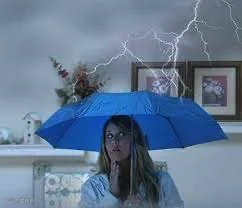
Some people believe the umbrella superstition comes from ancient Egypt, where the umbrella was primarily used for protection from the hot rays of the sun. Legend has it that ancient Egyptians believed that opening an umbrella indoors — away from the sun — was a disrespectful act that would anger the sun god, who would then take out his anger on everyone in the house in which the umbrella had been opened.
有些人认为室内不能撑伞的迷信来自古埃及,在那里伞主要是用来保护自己不受太阳的炙热光线的照射。传说古埃及人认为在没有太阳的室内撑伞是一种不敬的行为,会激怒太阳神,他会把怒气发泄在这间屋子里所有人身上。
02 不要从靠墙的梯子下穿过
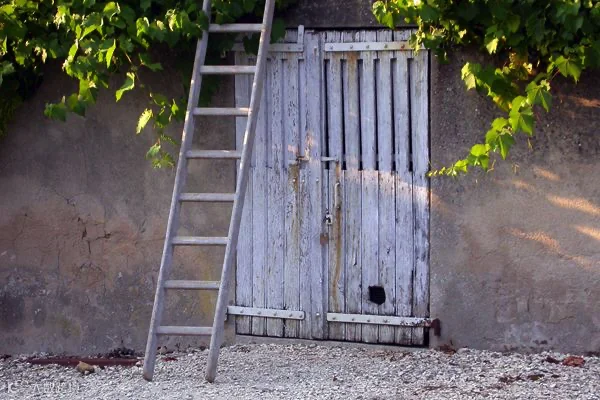
This superstition really does originate 5,000 years ago in ancient Egypt. A ladder leaning against a wall forms a triangle, and Egyptians regarded this shape as sacred (as exhibited, for example, by their pyramids). To them, triangles represented the trinity of the gods, and to pass through a triangle was to desecrate them.
该迷信起源于5000年前的古埃及,梯子靠在墙上构成了三角形,埃及人认为这个形状是神圣的,比如金字塔的三角外形。对他们来说,三角形代表着众神的三位一体,穿过三角形就是亵渎神明。
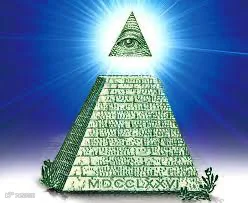
Centuries later, followers of Jesus Christ usurped the superstition, interpreting it in light of Christ's death. Because a ladder had rested against the crucifix, it became a symbol of wickedness, betrayal, and death. In England in the 160s, criminals were forced to walk under a ladder on their way to the gallows. Walking under a ladder courted misfortune.
几个世纪之后,耶稣基督徒用基督之死重新解释了这一迷信,因为梯子曾经靠在耶稣的十字架上,耶稣像这样被升上十字架受苦,它也成了邪恶、背叛和死亡的象征。而在17世纪的英国,罪犯在去绞刑架受刑的路上必须穿过支撑它的梯子,因此从梯下走过会带来不幸。

03 打碎镜子会带来7年不幸

Ancient Romans believed that mirrors contained fragments of our souls — so breaking a mirror signified a break in someone's health and well-being.
古罗马人认为照镜子时镜子中呈现的影像代表着你的灵魂,所以如果你打碎镜子,也就打破了灵魂,灵魂的破碎意味着身心健康也受到了破坏。
Luckily, they also believed that souls regenerated every seven years, the amount of time the mirror-breaker would be unlucky before they emerged new and whole again.
不过他们相信生命每七年是一个轮回。但在灵魂重生之前,打破镜子的人会霉运连连。
04 当盐撒了,把一些撒到左肩能避免厄运
Take a close look at Leonardo da Vinci's famous painting, "The Last Supper." Judas Iscariot is depicted knocking salt over on the table with his elbow.
若是仔细察看达·芬奇的名画《最后的晚餐》,你会发现画中的犹大用胳膊肘打翻了桌上的盐。
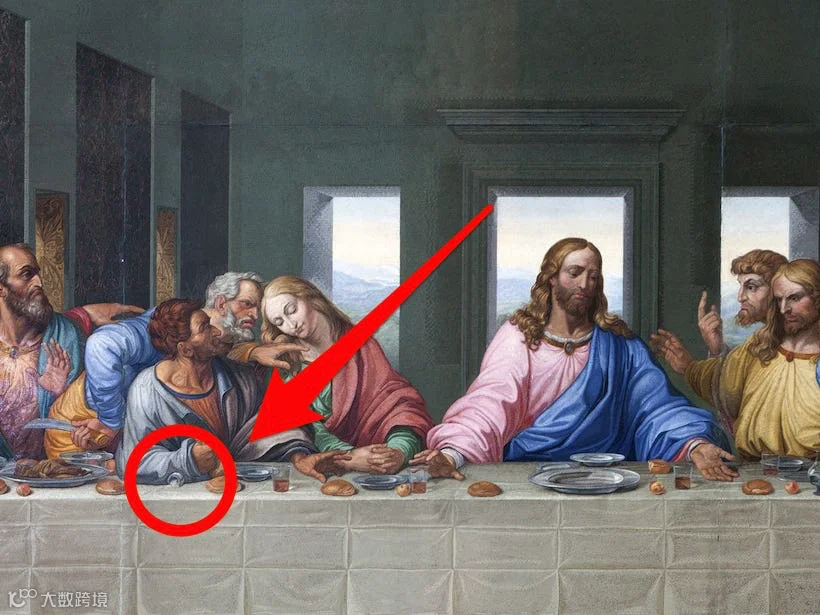
Because Judas betrayed Jesus, the salt he knocked over started getting associated with his misdeeds. Luckily, throwing salt over your left shoulder supposedly blinds the devil and counteracts any bad juju you incur for spilling it in the first place.
由于犹大背叛了耶稣,洒盐便成了背信弃义的代名词。但幸运的是,朝左肩后方丢一小撮盐能够让魔鬼失明,从而逢凶化吉。
05 别人打喷嚏,要说‘上帝保佑’回应

Yawning and sneezing were both considered high-risk activities in the time of the ancient Romans and Greeks. The ancient believe that one could sneeze out their soul.
在古希腊和古罗马时代,打哈欠和打喷嚏都是高危活动。这些古人认为打喷嚏会把自己的灵魂喷出来。
Concerned believers started saying "bless you" as a divine safeguard against wayward souls.
忧虑的信者便以“上帝保佑”作为神圣的灵魂卫士,防止灵魂出窍。
06 敲敲木头,祈求保佑

Some attribute it to the ancient religious rite of touching a crucifix when taking an oath. Alternatively, among the ignorant peasants of Europe it may have had its beginning in the habit of knocking loudly to keep out evil spirits.
有些人认为这个迷信来源于一个古代的宗教仪式,即手放在十字架上发誓。另一说法是,一些欧洲无知的农民认为这是起源于为了吓走鬼魂而大声敲门的习惯。
Some believe that spirits and gods resided in trees, so knocking on tree trunks was therefore an attempt to rouse the gods and call upon them for protection and good luck.
有些人认为灵魂和神明都栖居树上,所以敲击树干可以唤醒神,祈求他们的保护,给自己带来好运。
07 数字13不吉利
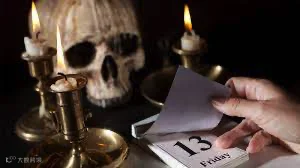
Fear of the number 13, known as "triskaidekaphobia," has its origins in Norse mythology. In a well-known tale, 12 gods were invited to dine at Valhalla, a magnificent banquet hall in Asgard, the city of the gods. Loki, the god of strife and evil, crashed the party, raising the number of attendees to 13. The other gods tried to kick Loki out, and in the struggle that ensued, Balder, the favorite among them, was killed.
人们对数字13的恐惧,被称为“恐十三症”,起源于挪威神话。在一个当地人熟知的故事中,12位神明受邀在瓦尔哈拉殿堂就餐。瓦尔哈拉殿堂位于神之城“仙宫”(Asgard),是一个金碧辉煌的宴会厅。冲突与邪恶之神洛基闯入了宴会,与会人数增加到了13个。其他诸神试图把洛基赶出去,然而在随后的混战中,他们中的宠儿——光明之神——被杀害了。
Scandinavian avoidance of 13-member dinner parties, and dislike of the number 13 itself, spread south to the rest of Europe. It was reinforced in the Christian era by the story of the Last Supper, at which Judas, the disciple who betrayed Jesus, was the thirteenth guest at the table.
北欧人回避13个人的聚餐,也讨厌“13”这个数字本身。这一习惯蔓延到了欧洲南部的其他国家。基督教时期这个迷信被再次加强,因为在最后的晚餐中,出卖耶稣的门徒犹大也是饭桌上的第十三位客人。
关于西方的迷信,你还听说过哪些呢?与中国传统迷信有什么相似之处或者区别呢?欢迎在下方留言与我们分享~
英语语言点
die-hard 顽固的
usurp 篡夺、盗用
in light of 根据、鉴于
counteract vt. 对抗;抵消
rite 礼节
take an oath 宣誓,发誓,立誓
kick out 赶出,解雇
相关链接:
https://www.livescience.com/33507-origins-of-superstitions.html
https://www.insider.com/history-origin-people-superstitions-2018-4#judas-can-also-be-blamed-for-the-notion-that-spilling-salt-is-bad-luck-8
编译:张璐瑶 祖芃芃 张云杨 闫语格 谢瞳
排版:闫语格