
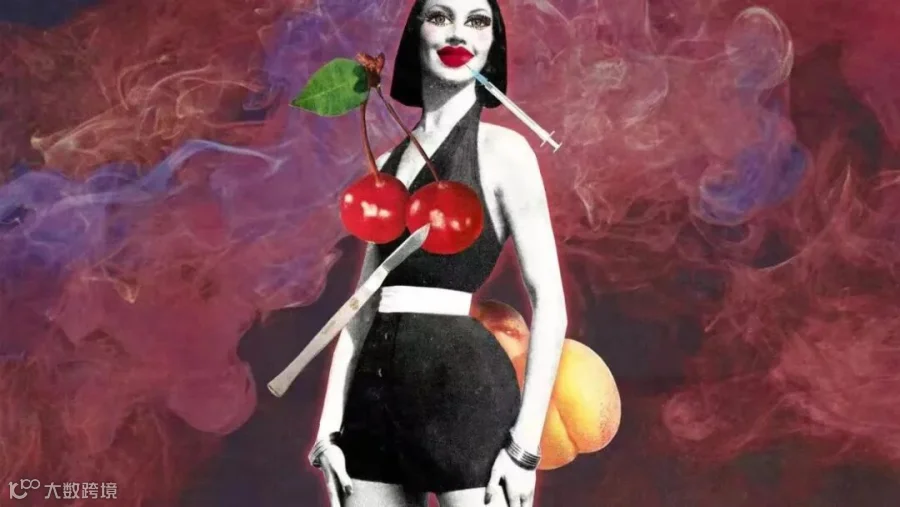
Cosmetic procedures are on the rise. So is our voyeuristic fascination with how they go wrong.
整容手术越来越多。我们对整容失败的窥探癖也在增加。
Haley Layne
海莉·莱恩
Haley Layne, who stars on the British internet documentary series Hooked On The Look, has spent about half a million dollars on plastic surgery. While she’s 32 procedures closer to achieving what she considers the “perfect body,” the 28-year-old needs, by her estimate, at least another 10. “Once you get to this level, there’s never any stopping,” Layne admitted on the show. “You have to maintain [this look] for the rest of your life.”
海莉·莱恩出演了英国网络纪录片系列《Hooked On The Look》,她已经在整容手术上花费了大约50万美元。这位28岁的姑娘已经做了32次整容手术来趋近自认为的”完美形体“,但据她估计,至少还需要10次手术才能达到她理想的效果。“一旦你走到了这一步,就永远停不下来了。”莱恩在节目中承认道,“你必须在余生中保持这种样貌。”
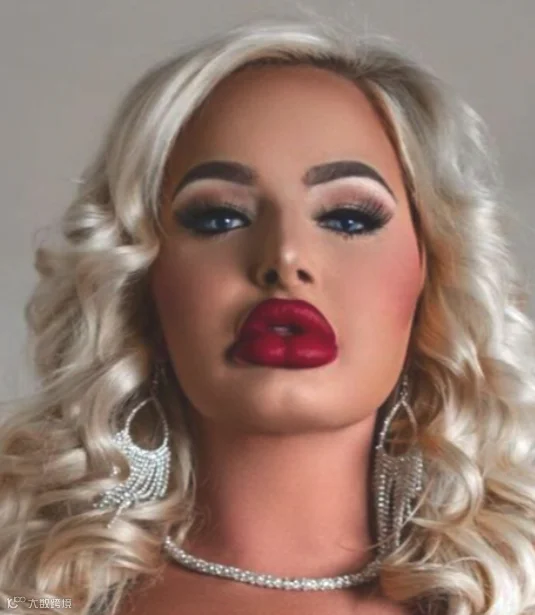
This maintenance has involved 13 breast operations over the past two years, and resulted in four trips to the emergency room. When Layne nearly doubled the size of her existing breast implants from 650 cubic centimeters to 1200 ccs. Still, Layne wasn’t deterred from trying to increase her cup size.
过去两年里,为了维持外形,她做了13次隆胸手术, 将现有的乳房填充物尺寸翻了一番,从650立方厘米增加到1200立方厘米,因此进了四次急诊室。但是,莱恩没有被吓倒,仍然试图增加胸围。
Layne is practically a caricature of Western standards of beauty, with long blond hair, bulging J-cup breasts, and a peach-shaped derrière that appears out of proportion to her petite waist. She is a real-life distortion of the “slim thick” body type sought by many American women today. In fact, Layne’s physique serves as an endorsement for some of the fastest-growing plastic surgery procedures in the country, as well as the most popular: liposuction, breast augmentation, lip injections, and the now-mainstream Brazilian butt lift (BBL).
莱恩简直成了一幅西方审美标准的夸张漫画:一头金色长发、隆起的J罩杯、与纤细腰部不成比例的蜜桃臀。她是当今许多美国女性追求的“苗条丰满”体形的失真现实形象。事实上,莱恩的体形是对该国一些最快发展、最受欢迎的整容手术的宣传:抽脂、隆胸、丰唇、和现在主流的巴西提臀术(BBL)。
Body Horrors
肉体恐惧
Why, then, has her appearance been subject to ridicule, morbid and voyeuristic fascination on plastic surgery forums, and, among a devoted group of fans, erotic observation? To her harshest critics, Layne’s surgical pursuits seem delusional. Her body is “too plastic,” “cartoonish,” or “botched” beyond repair. Commenters on social media, some of whom are rabidly fascinated by plastic surgery extremities and faults, bemoan the loss of her pre-surgery features, claiming she was “so cute and natural” before she went “too far.”
那么,为什么她的外形在整形论坛上会受到嘲笑和病态的迷恋、同时又会受到一群忠实粉丝的带有色情色彩的观察呢?在她的极端反对者看来,莱恩的手术诉求似乎是一种妄想。她的身体太“塑料”、“夸张”、“整残”了,将无法修复。一些社交媒体上的评论家们极端痴迷于极限整形和整形所致的缺陷,却又哀叹着莱恩失去了之前的特点,认为她在疯狂整形前“特别可爱、特别自然”。
In the early 2000s, “makeover” reality television shows like The Swan helped normalize the dystopian concept of a plastic surgery transformation for regular people while reinforcing Eurocentric standards of beauty.
在21世纪初,像《天鹅》(现名为美丽起义)这样的“改头换面”类真人秀节目促进了一个反乌托邦观念的正常化——普通人可以通过整形手术进行改造,同时加强了以欧洲为中心的对于美丽的标准。
These shows eventually gave way to media that sought to divulge the darker realities of these procedures. Perhaps the most culturally enduring show to date from this genre is Botched, a series that followed two Beverly Hills surgeons who consult with patients to try and reverse the damages from their botched procedures. (Layne was briefly featured in its sixth season.)
这些节目最终让步于试图揭露整容手术黑暗现实面的媒体。这类节目迄今为止最具持久性的是《Botched》,该系列节目讲述了两位比佛利山庄的外科医生与患者协商,试图扭转过度整形所造成的损害。(莱恩在第六季中曾短暂亮相)
This mix of revulsion and fascination with the human form has a name: body horror, a term generally used to describe works of fiction depicting grotesque images, intended to frighten and reveal social anxieties. What’s most revealing, and most similar to when we find ourselves drawn to horror movies, is our inability to look away.
这种对人类形体又厌恶又迷恋的混合体有一个名字:肉体恐惧,一个通常用来描述怪诞文学作品的术语,旨在警示和揭示社会焦虑。最能说明问题且最相似的是当我们被恐怖片吸引时,无法移开目光。
what’s “normal” or “natural”
什么是“正常”和“自然”
Sometime over the past two decades, the stigma attached to getting plastic surgery lessened dramatically. More celebrities opened up about the work they’ve had done. Influencers began filming their procedures and sharing in-depth information about their surgeries. Advances in plastic surgery and the popularity of minimally invasive procedures such as Botox and filler meant it was easier and more affordable for people to tweak their appearance without needing to fully go under the knife.
过去的二十年里,整形手术带来的耻辱感大大减少。越来越多的名人公开了他们所做的整形项目。红人们开始拍摄他们的手术过程,并分享有关他们手术的深入信息。整形外科的进步和微创手术的普及,如肉毒杆菌和填充物,意味着人们可以更容易、更实惠地调整自己的外表,而无需动刀。
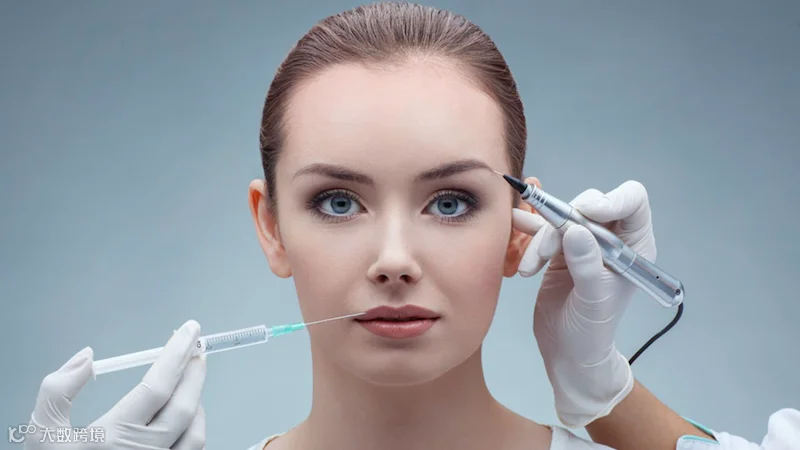
Part of this cosmetic procedure craze, which is attracting young and even teenage , has been attributed to social media — its ability to amplify certain physical traits and, through fillers and Facetune, disseminate beauty ideals to the masses. Tweaking one’s face is not only normalized but also driven by the internet’s accelerating trend cycles. That has greatly affected our understanding of what’s “normal” or “natural.”
这种整容手术的热潮吸引了年轻人甚至青少年,其中一部分被归因于社交媒体——它能够放大某些外在特征,并通过填充物和面部美化,向大众传播整容理想。整容脸不仅正常化,而且受到互联网加速潮流更迭的驱动。这极大地影响了我们对什么是“正常”和“自然”的理解。
“I think of it as the Kardashian-ization of our young people,” said Anthony Youn, a Michigan-based plastic surgeon. “The Kardashians have popularized a certain facial ideal that many people aspire to have: high cheekbones, slightly tilted eyes or arched eyebrows, hollow cheeks, plump lips, and a chiseled jawline.”
“我认为这是年轻人的卡戴珊化,”密歇根州整形外科医生安东尼·尤恩说,“卡戴珊姐妹已经普及了一种许多人都渴望拥有的某种理想面部:高颧骨,微微倾斜的眼睛或拱形的眉毛,凹陷的脸颊,丰满的嘴唇和轮廓分明的下巴。”

What passes for the norm today looks very different from the standards of the 2000s. Desirable traits — and the unnatural, funhouse-mirror versions of them — are more identifiable and more achievable than ever before, thanks to the influx of images and information on the internet.
以现在的眼光来看,审美标准和2000年代的有了很大的不同。由于互联网上的大量照片和信息,使得不自然的,复制黏贴般所谓的理想特征变得更容易识别和实现。
Botched
整残了
The word “botch” is frequently tossed around (often in a derogatory manner) by an online subculture of plastic surgery patients, enthusiasts, and voyeurs. In some cases, botched patients have shared videos of their follow-up procedures and recovery on social media to educate or build an audience after a surgical mishap.
“整残了”这个词经常被整形外科患者、爱好者和窥视者组成的线上亚文化群(通常以贬损的方式)大肆宣扬。在某些情况下,整形失败的患者会通过会通过在社交媒体分享他们后续的调整和恢复过程来教育、吸引粉丝。
“Botched can refer to surgical complications,” explained Youn. “It’s also used more subjectively to describe the appearance of a patient. This person might be happy with the result of their procedure, but others might dislike it and call it ‘botched’ because they think it’s too much.”
Youn解释说“整残了可以指手术的并发症”。也可以它也被用于更主观地描述患者的外貌。有些人会对整容的结果十分满意,但是另一些人会因为整的太过了而不喜欢并将其称之为“整残了”。
On subreddits like r/BotchedSurgeries, users share and discuss images of a person’s botched results, typically after they’ve healed from surgery. These screenshots are gleaned from the social media accounts of plastic surgery enthusiasts and labeled under various categories, such as “extreme plastic surgery,” “lip filler migration,” “too much filler,” “extreme body mods,” and “before and after”.
在社交网站论坛 r/BotchedSurgeries的分区中,用户会分享讨论某些人“整残了”的整容结果,特别是他们刚刚从手术中恢复的时候。这些截图都是从整形爱好者的社交媒体上获取,然后被贴上了各种标签,比如“极端整容手术”“唇部填充”“过度填充““夸张的身体”“前后对比”等。
Uncanny
怪诞
The focus on the human body — as a site for disfigurement, transmutation, or sexual violation — can be traced back at least to the 19th century. The genre ofbody horror began with works like Shelley’s Frankenstein and extended to films like The Fly (1986). Scholars have long speculated about society’s fascination with horror as it relates to the body in fictional settings.
人们开始关注躯体--作为损毁、改造或性侵犯的载体--至少可以追溯到19世纪。肉体恐惧的题材始于雪莱的《科学怪人》等作品,并延伸至《变蝇人》(1986)等电影。学者们长期以来一直在猜测,社会上对恐怖的迷恋,可能是因为它与虚构设定中的身体有关。
Many have claimed that this fear of body modification and disfigurement reflects our social anxieties: over the advancement of biological science and Western medicine, the perceived loss of agency over our bodies, algorithm-influenced beauty standards, or bodies that fall outside societal norms.
许多人认为,这种对身体改造和损毁的恐惧,反映了我们的社会焦虑:随生物科学和西方医学的发展,我们认为可能失去对身体的主动权,美丽的标准受到算法的影响,或不符合社会规范的身体。
In recent decades, the body horror genre has seen more works that spotlight surgical procedures, specifically cosmetic surgery. The patients in fictional films like Faceless are typically subject to horrific violence and pain inflicted upon them against their will by crazed surgeons or scientists. This kind of “surgical horror,” according to Gothic scholar Xavier Aldana Reyes, is “the logical conclusion to the postmodern subject’s fear of advances” in science and technology.
近几十年来,肉体恐惧题材出现了更多聚焦于外科手术的作品,特别是整容手术。像《无面者》这样的虚构电影中的病人,通常会受到疯狂的外科医生或科学家违背他们意愿的可怕的暴力和痛苦。研究哥特文学的哥特式学者Xavier Aldana Reyes认为,这种 "手术式恐怖 "是 "后现代主体对科学技术进步的恐惧的逻辑结果"。
Some modern fictional works, however, have begun to invert this dynamic by giving patients a sense of command over their physical alterations instead of portraying them as tragic freaks.
然而,一些现代小说作品已经开始颠覆这种动态,让病人对他们的身体改变有一种控制感,而不是把他们描绘成悲惨的怪胎。
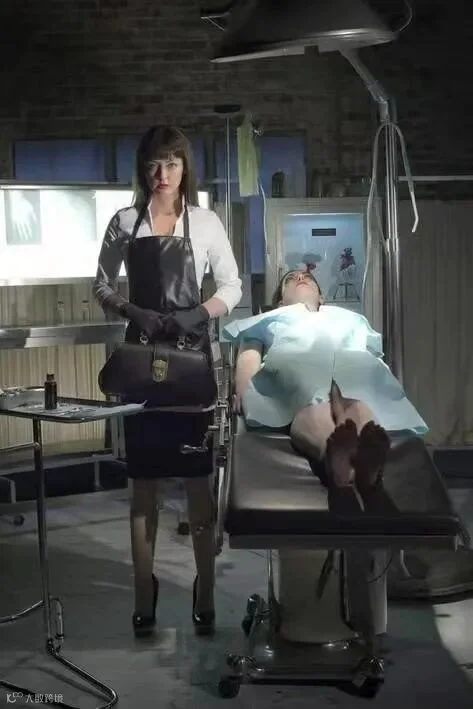
The 2012 film American Mary follows a medical school dropout who performs extreme body modification surgery on consenting patients. Rather than conform to the “mad doctor” trope, the surgeon is depicted as a likable, complex protagonist, while her patients are given backstories and agency over their surgical procedures.
2012年的电影《美国玛丽》讲述了一名医学院辍学人在征得病人同意后,在其身上实施极端的身体改造手术的故事。与“疯狂医生”的形象不同,这位外科医生被描绘成一个可爱但复杂的主角,为她的病人提供手术背景,促使她的病人接受整容手术。
the Eurocentric norm
以欧洲为中心的规范
Ultimately, this morbid fascination and disdain is just a cover for thatsame old set of fears: that people, particularly women, are subject to the harsh whims of a society that demands they look a certain way; that our bodies, despite our efforts, are at their core unruly and ungovernable; that we’re actually not so different from the people we gawk at after all..
归根结底,这种病态的迷恋和蔑视只是为了掩盖那一套老旧的恐惧: 人们,尤其是女性,受制于社会的残酷无常,被要求符合特定审美 ; 尽管我们努力了,但我们的身体还是难以控制的; 我们和那些被我们盯着看的人并没有什么不同。
Popular procedures like breast augmentations and facial fillers are marketed as tools for assimilation, for crafting a body and face to fit a certain standard of beauty. It’s an ideal that devalues anyone who falls outside the Eurocentric norm.
隆胸和面部填充等流行的整容手术被营销为同化、塑造身体和脸型来符合某种审美标准的工具。这种理想规范这是一种让任何不符合欧洲中心主义规范的人贬值的典范。
The real winner here is the plastic surgery industry, which has been touted as the solution to these anxieties. And the real villain is the very present danger of actual complications and risks that can afflict patients. Still, there is something perhaps a little transgressive, in the aesthetic of a “botched” body such as Layne’s. What we care about as a society isn’t the “natural,” it seems, but what can successfully be perceived as such while checking all the elusive boxes. With such an impossible standard to live up to, why not run all the way in the other direction?
真正的赢家是整形外科行业,它被吹捧为这些焦虑的解决方案。而真正的恶人是那些困扰病人的并发症和风险。尽管如此,在像莱恩这样的“botched”身材的审美下,还是有一些越界的地方。作为一个社群,我们所关心的似乎不是“自然”,而是在勾选难以捉摸的复选框时能够被当做标准的东西。在如此不可能达到的标准下,为什么不朝着相反的方向努力呢?
重点字词:
deter :v. 制止,阻止;使不敢;抑制
例句:It is time to go beyond the shibboleth that conventional forces cannot deter. 是时候摆脱那些传统力量无法阻止的旧观念了。
caricature:n. 人物漫画;夸张的描述;漫画艺术,漫画手法;讽刺描述法
例句:The second part: the summary of the caricature movement during the War.
第二部分:抗战漫画运动综述。
endorsement:n. 赞同,支持;宣传,代言
例句:We're pleased that the project has received your endorsement.
我们很高兴这个项目得到了你的认可。
delusional:adj. 妄想的
例句:Mental institutions may diagnose the victims as delusional.
精神病院可能把受害者诊断为妄想症。
revulsion:n. 厌恶;嫌恶;恶心;惊恐
例句:She was struck with revulsion at the sight of the dead animal.
她一看到那只死掉的动物就感到恶心。
stigma:n. 耻辱,污名;烙印;(病的)特征
例句:Still wary of social stigma, she did not want her full name used.
由于不想接受社会耻辱,她不想使用她的全名。
amplify:v. 放大;阐发
例句:Just as economic booms amplify a country's assets,so busts magnify their frailities.
正如经济繁荣会夸大一国的资产,衰退也会放大其脆弱。
screenshots:n. 截屏
例句:Take a screenshot or get the URL for one of the images on the site, preferably a product shot.
在网站上截屏或获取图片的URL,最好是产品照片。
modification:n. 修改的行为(过程); 修改,更改; 修饰
例句:The program can be used on all computers without modification.
这个程序可以在所有计算机上使用而不需要修改。
elusive:adj. 难懂的;易忘的;逃避的;难捉摸的
例句:In truth, the ideal of wholly disinterested scholarship—in any field of research—will probably remain an elusive one.
事实上,在任何研究领域,完全公正的学术理想可能仍然难以实现。
the genre of :流派,体裁
gawk at :呆呆地看着
原文链接:
https://www.vox.com/the-highlight/22724966/botched-plastic-surgery-body-horror
文案 | 陈俞彣 王柯琪 章鑫依 毛彦文 陈莲旖
排版 | 毛彦文