最近一项研究表明,深层社交关系不一定能帮你在求职上获得优势,泛泛之交反而更可能为你带来工作机会。
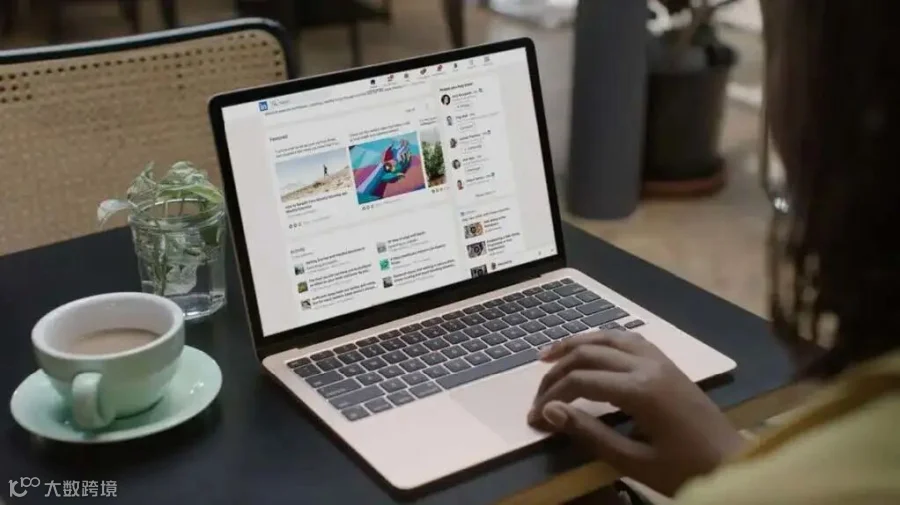
在2015-2019的五年试验期内,领英对其用户推荐算法“People You May Know”做出了一些调整,平台会随机调整算法中推荐的“强社交关系”用户和“弱社交关系”用户的比重。来自领英,麻省理工,斯坦福和哈佛商学院的研究人员于本月把相关数据的分析结论发表在了Science上。
Researchers examined changes that LinkedIn had made to its “People You May Know” algorithm to test what sociologists call the “strength of weak ties.”
研究人员研究了领英在其“People You May Know”算法上做出的改变后的一系列结果,以此检验社会学家们提出的理论:“弱社交关系的力量”。
The study maintains that people are more likely to gain employment and other opportunities through arms-length acquaintances than through close friends.
该研究认为,人们更容易从泛泛之交处得到工作或机会,而不是从密友那里。
The researchers analyzed how LinkedIn’s algorithmic changes had affected users’ job mobility. They found that relatively weak social ties on LinkedIn proved twice as effective in securing employment as stronger social ties.
研究人员分析了领英的算法变化如何影响用户的工作流动性。他们发现,相对较弱的社会关系在保障就业方面的效果是较强社会关系的两倍。
Sinan Aral, a management and data science professor at M.I.T. who was the lead author of the study, said LinkedIn’s experiments were an effort to ensure that users had equal access to employment opportunities.
麻省理工的管理和数据科学教授Sinan Aral是这项研究的主要作者,他说领英的试验是为了确保用户能够平等地获得就业机会。
“To do an experiment on 20 million people and to then roll out a better algorithm for everyone’s jobs prospects as a result of the knowledge that you learn from that is what they are trying to do,” Professor Aral said, “rather than anointing some people to have social mobility and others to not.”
Aral教授说:“对2000万人做试验,然后根据你从中学到的知识,为每个人的就业前景推出更好的算法,这就是领英要做的,这不意味着我们指定一些人有社会流动性,另一些人没有。”
For the experiments, LinkedIn adjusted its algorithm to randomly vary the prevalence of strong and weak ties that the system recommended. The first wave of tests, conducted in 2015, “had over four million experimental subjects,” the study reported. The second wave of tests, conducted in 2019, involved more than 16 million people.
在试验中,领英调整了算法,随机改变系统推荐强关系和弱关系的比重。研究报告称,2015年进行的第一波测试“有超过400万名试验对象”。2019年进行的第二波测试涉及1600多万人。
During the tests, people who clicked on the “People You May Know” tool and looked at recommendations were assigned to different algorithmic paths. Some of those “treatment variants,” as the study called them, caused LinkedIn users to form more connections to people with whom they had only weak social ties. Other tweaks caused people to form fewer connections with weak ties.
在试验期间,点击 "People You May Know "并查看推荐的用户会被分配到不同的算法路径。研究报告称,其中一些“路径变化”使用户与那些和他们关系疏远的人建立了更多联系。其他调整导致另一些用户与弱关系的人建立更少的联系。
The outside researchers analyzed aggregate data from LinkedIn. The study reported that people who received more recommendations for moderately weak contacts generally applied for and accepted more jobs — results that dovetailed with the weak-tie theory.
外部研究人员分析了来自领英的综合数据。该研究报告称,收到更多中等偏弱人脉推荐的人一般会申请并接受更多工作——这些结果与弱关系理论相吻合。
In fact, relatively weak contacts — that is, people with whom LinkedIn members shared only 10 mutual connections — proved much more productive for job hunting than stronger contacts with whom users shared more than 20 mutual connections, the study said.
该研究认为,数据证明偏弱的人脉关系在求职上比偏强的人脉关系更有效,比如,在领英上拥有十个互相关注比拥有二十个可能更容易找到工作。
Professor Aral of M.I.T. said the deeper significance of the study was that it showed the importance of powerful social networking algorithms — not just in amplifying problems like misinformation but also as fundamental indicators of economic conditions like employment and unemployment.
Aral教授说,这项研究更深层次的意义在于,它揭示了强大社交网络算法的重要性--不仅可以成为错误信息的放大器,也可以成为就业和失业等经济状况的基本指标。
LinkedIn’s algorithmic experiments may come as a surprise to millions of people because the company did not inform users that the tests were underway.
然而,对于数百万无意中参加了这项测试的用户来说,这可能是一个突兀的消息——因为领英在进行测试的时候并没有告知他们。
The changes made by LinkedIn are indicative of how such tweaks to widely used algorithms can become social engineering experiments with potentially life-altering consequences for many people. Experts who study the societal impacts of computing said conducting long, large-scale experiments on people that could affect their job prospects, in ways that are invisible to them, raised questions about industry transparency and research oversight.
领英进行的这项试验表明,对一套受众广泛的算法进行幕后调整有可能会变成一项社会工程学试验,这将在人们不知情的情况下影响许多人的生活。研究计算机对社会影响的专家表示,在对象不知情的情况下对如此大规模的人群进行长时间的试验,有可能影响他们的职业前景。这对行业透明度和研究道德提出了挑战。
Experiments on users by big internet companies have a checkered history. Eight years ago, a Facebook study describing how the social network had quietly manipulated what posts appeared in users’ News Feeds in order to analyze the spread of negative and positive emotions on its platform was published. The weeklong experiment, conducted on 689,003 users, quickly generated a backlash.
大型互联网公司对用户进行试验有一段不光彩的历史。八年前,Facebook发表了一项研究,描述了该平台如何悄悄地操纵在其用户的新闻提要中出现的帖子,以此分析其平台上消极和积极情绪的传播。这项在689,003名用户身上进行的为期一周的试验,很快引发了巨大的争议。
Critics disagreed, with some assailing Facebook for having invaded people’s privacy while exploiting their moods and causing them emotional distress. Others maintained that the project had used an academic co-author to lend credibility to problematic corporate research practices.
批评者们不同意,一些人指责Facebook侵犯了人们的隐私,同时操纵了他们的情绪,给他们带来了情感困扰。其他人则认为,该项目利用学术界的合著者为有问题的企业研究行为背书。
In a statement, Linkedin said during the study it had “acted consistently with” the company’s user agreement, privacy policy and member settings. The privacy policy notes that LinkedIn uses members’ personal data for research purposes. The statement added that the company used the latest, “non-invasive” social science techniques to answer important research questions “without any experimentation on members.”
领英在一份声明中表示,在研究期间,它们“遵循”了公司的用户协议、隐私政策和用户设置。隐私政策指出,领英可以将用户的个人数据用于研究目的。声明还说,该公司使用了最新的、“非侵入性”的社会科学技术来回答重要的研究问题,“没有对用户进行任何试验”。
Catherine Flick, a senior researcher in computing and social responsibility at De Montfort University in Leicester, England, described the study as more of a corporate marketing exercise.
De Montfort大学计算机和社会责任高级研究员Catherine Flick认为,这项研究更像是一种企业营销活动。
“The study has an inherent bias,” Dr. Flick said. “It shows that, if you want to get more jobs, you should be on LinkedIn more.”
“这项研究有一个固有的偏见,”Flick博士说。“整篇研究报告都一直在暗示,如果你想获得更多的工作机会,你应该多上领英。”
原文链接:
https://www.google.com/amp/s/www.nytimes.com/2022/09/24/business/linkedin-social-experiments.amp.html
编译丨高语阳
排版丨高语阳