
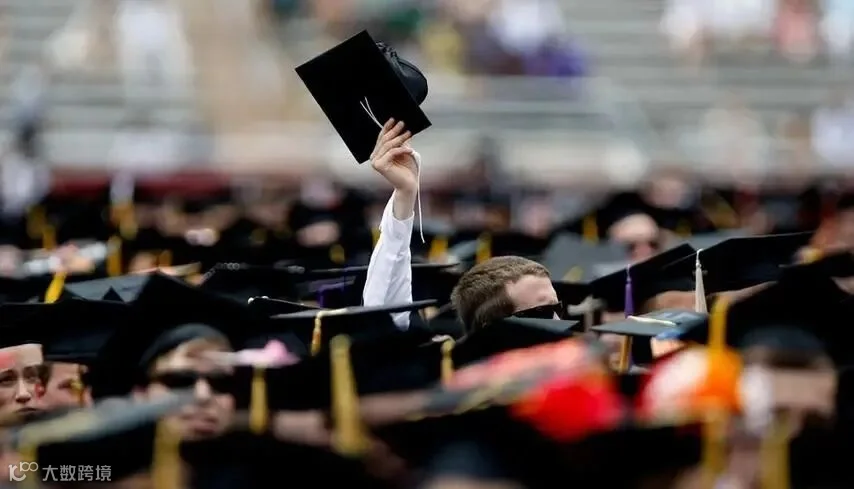
Driven largely by the global pandemic, the number of international students enrolled at U.S. colleges and universities fell by 15% – or 161,401 students – from 2019 to 2020. However, early data for 2021 indicate the number might bounce back soon. This is according to new data from the Institute of International Education and the U.S. State Department.
受疫情影响,2019年至2020年美国高校里的留学生人数减少了15%,即16万1401名学生。但是根据国际教育研究所和美国国务院2021年的早期数据显示,这一数据可能很快就会反弹。
1.创纪录的减少
While a drop was expected due to the disruptions caused by the COVID-19 global pandemic, which included international travel restrictions and suspension of U.S. visa services, the number of international students in the U.S. has actually been decliningsince 2016.
新冠疫情爆发限制了国际旅行并叫停了美国的签证服务,预计留学生人数会因此下降,但实际上自2016年以来,赴美留学生人数一直在下降。
The decrease in 2020, however, is the largest on record based on data dating back to 1948.
然而,根据1948年以来的数据,2020年的降幅是有史以来最大的。
2.赴美留学难以持续升温
While the overall number of international students dropped in fall 2020, a preliminary snapshot points to a 68% increase in the number of students beginning their studies in fall 2021 compared with a year earlier. This increase, which cannot be confirmed until a more comprehensive census is released in 2022, suggests a possible rebound is occurring.
尽管2020年秋季留学生总人数有所下降,但初步数据显示,2021年秋季赴美的学生人数同比增长了68%。在2022年发布更全面的人口普查数据之前,这一数据还不能得到证实,但这表明留学生人数可能正在出现反弹。
Nonetheless, it is important to understand that the rebound reflected in these data undoubtedly includes some of the nearly 40,000 international students who were admitted for fall 2020 but had to defer their studies due to the pandemic.
不可忽略的是,这些增长的数据中还包括了2020年秋季因疫情延迟入学的近40,000人。
Given that most admission offers may be deferred for only one year, it is reasonable to assume that fall 2020 deferrals helped fuel fall 2021 gains. So any increase in 2021 could be a temporary spike and not necessarily a sign that international student enrollments will reverse their downward trend.
考虑到大多数入学申请只推迟了一年,我们有理由假设2020年秋季推迟入学的留学生推动了2021年秋季入学人数的增长。因此,2021年的任何增长都可能是暂时的,并不一定意味着国际学生入学人数将扭转其下降趋势。

3.夹缝中“捡漏”
Another factor fueling the reported surge in new international enrollments within the U.S. for fall 2021 is that the U.S. experienced less competition from abroad.
2021年秋季美国新入境的留学生人数激增的另一个因素是国际竞争的减少。
In addition to a delayed vaccine rollout across countries in Europe, some nations have been entirely off-limits since the start of the pandemic. For instance, China and Australia, the world’s fourth- and fifth-most popular study destinations, respectively, have both remained closed to international students since the start of the pandemic, causing students who would otherwise have traveled to these countries to switch destinations in pursuit of in-person learning.
新冠疫苗在欧洲迟迟没有得到推广,一些国家在疫情爆发后甚至对留学生实施了熔断措施。例如,作为世界第四和第五大留学目的地,中国和澳大利亚自疫情爆发以来都拒绝了留学生入境,本来可能前往这些国家的学生为了线下学习而改变了留学目的地。
4.减少对STEM项目的资助
Many U.S. universities would find it difficult to maintain graduate programs in science, technology, engineering and mathematics, or STEM, without international students. This is made clear by a 2021 report showing that international students constitute the majority of full-time graduate students in many STEM fields.
许多美国大学发现,如果没有留学生,学校很难维持科学、技术、工程和数学学科(简称STEM)的研究生项目。2021年的一份报告清楚地表明,许多STEM学科的全日制研究生大多数都是留学生。
While some might think this means U.S. students are being crowded out, research reveals that international student enrollment actually helps increase U.S. enrollment. Consider that international students pay higher tuition than their U.S. classmates, which helps pay for enrolling more American students.
虽然有些人可能认为美国本土学生在这些学科中被排挤,但研究表明,留学生的入学实际上有助于增加美国学生的入学人数。留学生要支付更高的学费,这有助于学校招收更多的本土学生。
5.美国政府的担忧
Economics aside, international students make many other valuable contributions to the U.S. These include increasing cultural diversity on college campuses and promoting positive diplomatic relations with other countries. While the U.S. remains the world’s top choicefor international students, it continues to lose ground to other nations vying to attract foreign talent.
经济方面之外,留学生还为美国做出了许多其他有价值的贡献,包括增加大学校园文化的多样性,促进与其他国家积极的外交关系。尽管美国仍是全世界留学生的首选之地,但在与其他国家争夺留学生人才的竞争中,美国将逐渐失去优势。
Consider that from 2000 to 2020 the U.S. share of the world’s international students fell from 28% to 20%. How could this be? Unlike the next four most popular destinations, the United Kingdom, Canada, China and Australia, the U.S. lacks a national strategy for recruiting and retaining international students.
想想看,从2000年到2020年,赴美留学生占全球留学生的比例从28%下降到20%。这又是为何?与英国、加拿大、中国和澳大利亚这四个最受欢迎的留学目的地不同,美国缺乏招收和留住留学生的政策。
Earlier in 2021, the Biden-Harris administration signaled that may be changing. Specifically, the U.S. secretaries of education released a Joint Statement on Principles in Support of International Education. In that statement, they committed to a number of actions, such as implementing new policies and procedures aimed at ensuring the U.S. remains the top destination for global talent.
2021年早些时候,拜登政府表示这种情况可能正在改变。具体来说,美国教育部长发表了一项关于支持国际教育原则的联合声明。在声明中,他们承诺采取一系列行动,比如实施新的政策和程序,以确保美国仍然是全球人才的首选目的地。
More recently, several major U.S. higher education associations called for a national strategy to reverse the international enrollment decline.
最近,美国几个主要的高等教育协会呼吁制定国家政策来扭转留学生入学人数下降的趋势。
While it is still too early to predict if a strategy would actually reverse international student enrollment declines at U.S. colleges and universities, the idea of a coordinated national approach could help position the U.S. to compete for the world’s best and brightest minds.
尽管现在预测一项政策是否真的能扭转美国高校留学生入学人数的下降趋势还为时过早,但这项全国协调一致的政策可能有助于美国在争夺世界上最优秀和最聪明的人才方面占据有利地位。
原文链接:
https://theconversation.com/drop-in-students-who-come-to-the-us-to-study-could-affect-higher-education-and-jobs-172286
编译|陈宇昕
排版|陈宇昕