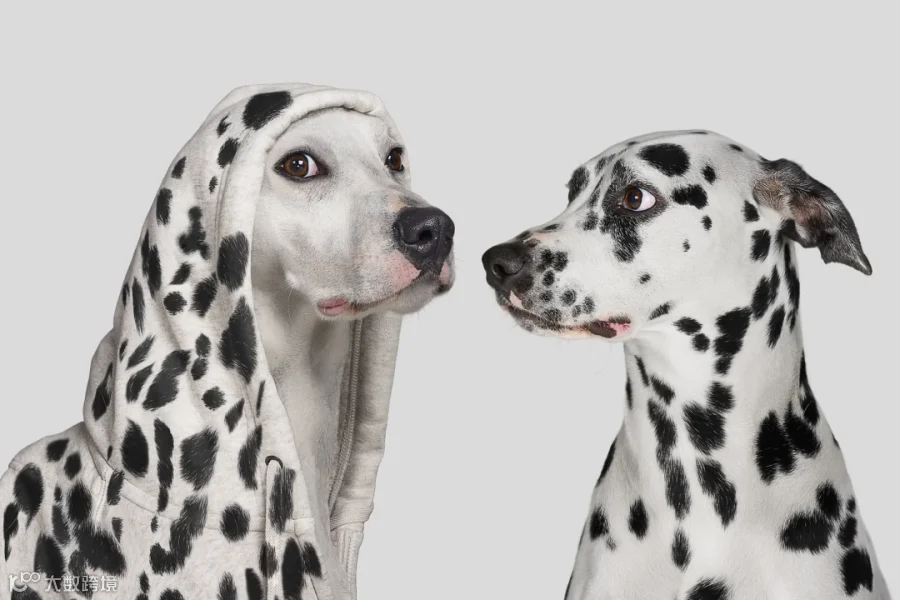
It should be noted that none of these dogs are guilty of plagiarism.
互联网“剽窃”
Here’s a practice that has plagued the internet since it’s existed: plagiarism, both the intentional kind and the kind you do when you’re making content in a system of increasingly lucrative rewards for stealing successful people’s stuff.
自互联网诞生以来,有一种做法一直在滋生:网络剽窃行为。有些剽窃是故意为之,也有些剽窃是因为互联网系统越来越鼓励人们照搬热门内容。
TikTok’s freakishly personalized algorithm gets better at knowing what you like the more you use it. An unsullied For You page will serve you a thing: advice on how to steal other people’s viral video ideas.
TikTok拥有惊人的个性化算法,你使用的越多,它越了解你喜欢什么。一个为你量身定制的推荐界面,会为你提供关于如何窃取他人热门视频创意的建议。
What they’re offering are “tips” on how to go viral on TikTok, which is embarrassing in itself but even worse in practice: titles range from “How to Grow Your Account to 1k Followers in 1 Week,” to “How to EASILY Produce Video Ideas for TikTok.” The later gives the following advice: “Find somebody else’s TikTok that inspires you and then literally copy it. You don’t need to copy it completely, but you can get pretty close.”
他们提供的是关于如何在TikTok上走红的“贴士”,此类标题包括“如何在1周内将你的账户增长到1千名粉丝”,"如何轻松获得制作TikTok视频的创意"等。这想法本身已经很尴尬了,在试图实践时会更糟。后一条给出的建议是:找到别人的TikTok,激发你的灵感,然后复制它。你不需要完全照抄,但可以和它非常相似。"
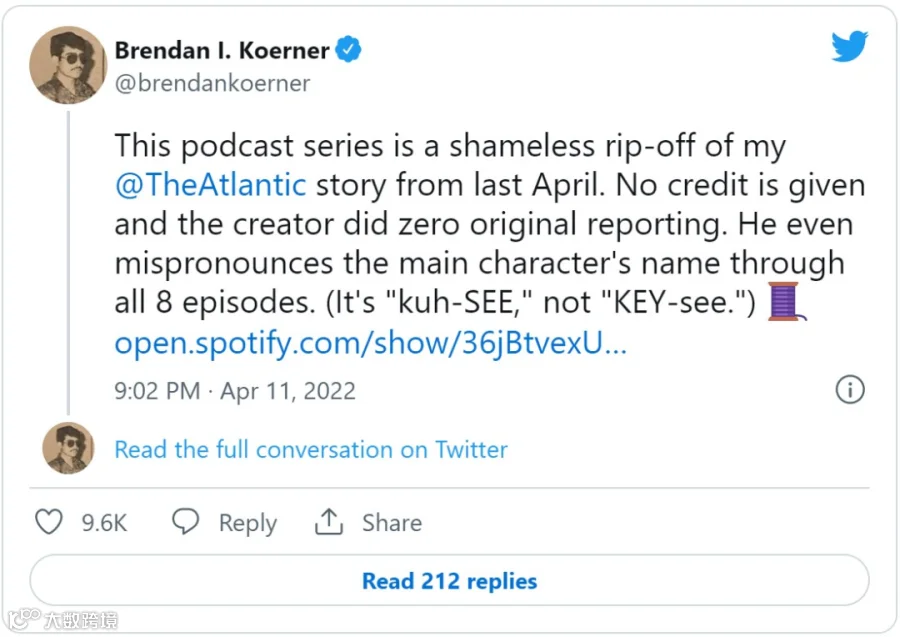
Amidst the growing thirst for captivating or sensationalist narratives, several podcasts have been accused of plagiarizing written articles without credit over the past few years. Brenden Koerner has had this happen to him several times. “If something’s easy or free to access, there’s maybe a general assumption that it’s free to use,” he says.
人们日益渴望引人入胜或耸人听闻的叙事,使一些播客在过去几年中被指控剽窃书面文章而不注明来源。博主布伦登·科尔纳曾多次遇到这种情况,他说:“如果某样东西很容易或可以免费获取,那么人们可能会普遍认为它是可以免费使用的。”
剽窃背后的知识产权漏洞
Plagiarism, it should be noted, is perfectly legal in the United States, provided it doesn’t cross the (often nebulous) definition of intellectual property theft. Movies, music, or works of fiction have robust legal protections against this, and in works where the originality or artistry of the author is sufficiently evident, courts will side with the creator, but it often isn’t worth the time and money to pursue legal action.
应该指出的是,“剽窃”在美国是完全合法的,只要它不超过盗窃知识产权的定义范围(通常是模糊的)。电影、音乐或小说作品都有强有力的法律保护来防止这种情况。在作者的原创性或艺术性足够明显的作品中,法院会支持创作者,但往往花大量时间和金钱来进行法律诉讼是不值得的。
Yet the definitions of what constitutes IP get murky quickly. You can’t copyright a dance or a recipe or a yoga pose, for instance, and it’s really hard to copyright a joke. You also, for obvious reasons, can’t copyright a fact, which means that in industries where IP law can only do so much, social and professional norms dictate your reputation.
构成知识产权的定义也模糊不清。例如,你不能为舞蹈、食谱、瑜伽姿势或笑话申请版权。显然,你也不能对一个事实申请版权保护,这意味着在不能被知识产权法完全覆盖的行业中,社会和职业规范决定了你的声誉。
Internet posts are, for the most part, not copyrightable intellectual property. Instead, they’re more like a hybrid of journalism and comedy, meaning that social media typically must police itself against thieves.
大多数互联网上的帖子是不受版权保护的知识。相反,它们更像是新闻和喜剧的混合体,这意味着社交媒体通常必须自己行使监管职责,防止被偷窃。
For the past decade, Jonathan Bailey has been focused on his blog Plagiarism Today, which tracks current events relating to the subject and advice for what to do if you’ve been plagiarized.
在过去的十年里,乔纳森·贝利一直专注于他的博客:“今日剽窃”,该博客追踪与该主题相关的时事,并就如何应对剽窃提出建议。
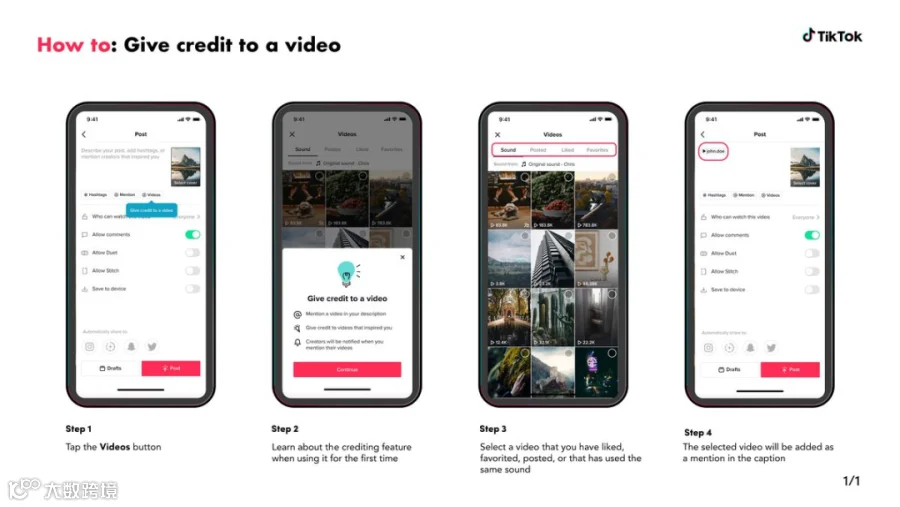
He posits that there are three main eras of internet plagiarism. The first was in the ’90s and early 2000s, when people stole each other’s work because they wanted to pass it off on their own, but didn’t necessarily have a profit motive. The second was in the mid-2000s, when search engine optimization became a widespread practice and sites could make money from crappy, AI-written work. The third era is made up of the kind that flourishes on social media, where users compete for the most attention-grabbing content in the hopes they might make ad revenue or score a brand deal.
他认为有三个主要的网络剽窃时代。第一个时代是在20世纪90年代和21世纪初,当时人们互相偷别人的作品,因为他们想把作品卖出去,但不一定有盈利动机。第二个时代是在2000年代中期,搜索引擎优化成为一种普遍的做法,网站可以从一些蹩脚的人工智能写作工作中获利。第三个时代是在社交媒体上蓬勃发展的时代,用户争相获取最吸引眼球的内容,希望借此获得广告收入或达成品牌协议。
It’s easy to argue that social media platforms practically beg their users to plagiarize each other. “The way that YouTube works is that [people] create trends, and those trends are meant to be followed by everyone else,” explains Faithe Day, a postdoctoral fellow at UC Santa Barbara’s Center for Black Studies Research. “But there’s a fine line between following a trend and copying what someone else is doing and saying it’s your own. A lot of people who plagiarize don’t know that they’re plagiarizing,they don’t know that the thing they’re talking about someone else has already discovered.”
人们很容易认为社交媒体平台实际上是在乞求它们的用户相互抄袭。加州大学圣巴巴拉分校黑人研究中心的博士后费伊特·戴解释说:“YouTube的运作方式是(人们)创造热点,并让其他人追随其后。但在追随潮流和模仿别人的做法并声称这是个人的做法之间有一条微妙的界线。很多抄袭的人并不知道自己在抄袭,他们不知道他们谈论的是别人已经发现了的。”
如何保护原创者
Day sees this most often in instances where popular TikTok creators hop on a trending dance or audio without knowing who the original creator is, thus spreading it to more people for whom the popular creator was the de facto origin. “Recommendation algorithms are engineered to ensure that people who have large followings are being recommended to other users, so there aren’t a lot of possibilities for smaller creators to get recognition,” Day explains.
戴经常看到这样一种情况:TikTok 创作者在不知道原创者是谁的情况下,搭配流行的音乐跳着流行的舞蹈,使其传播给了更多人。对受众来说,热度更高的创造者是事实上的起源。戴解释说:“推荐算法旨在确保拥有大量粉丝的人被推荐给其他用户,因此热度较小的创作者获得认可和推荐的可能性不大。”
While the technology to detect it has improved, it’s far more difficult to weed out plagiarism when it happens in different forms of media. Rather than relying on data systems to tell us when something is stolen, then, plagiarism experts acknowledge that the shift about proper idea attribution needs to happen culturally. “We have to answer that question as a collective society,” Bailey says.
虽然检测抄袭的技术已经得到改进,但当它发生在不同形式的媒体中时,要清除抄袭要困难得多。因此,抄袭专家不是依靠数据系统来告诉我们何时被剽窃,而是承认:关于正确思想归属需要文化上发生根本转变。贝利说:“我们必须作为一个社会统一体来回答这个问题。”
It has to be widely understood that plagiarism is loser behavior. And that begins with all of us.
我们必须广泛认识到剽窃是失败者行为。这种意识上的改变需要我们所有人的努力。
重点词汇
condone: v. 宽恕;赦免
例句:
No faith or culture should condone the outrages against them.
任何信仰或文化都不能宽恕对妇幼施加的暴行。
copyrightable: adj.受版权保护的
例句:
If APIs were held to be copyrightable, this would have repercussions across the entire tech industry.
如果API可受版权保护,将对整个科技行业产生影响。
plagiarize: v. 剽窃;抄袭
例句:It's not a viable option to plagiarize someone else's work.
剽窃他人作品的行为是不可取的。
原文链接:
https://www.vox.com/the-goods/23137820/plagiarism-growth-hacks-tiktok-instagram
编译 | 陈俞彣 李海璇 陈莲旖
排版 | 陈莲旖