

流量王者&WiFi版:浏览全文探索工业量产糖果之前,万圣节的熊孩子们讨的是什么?家长们为何被“糖果有毒”的恐慌所支配? 

省流版:滑至文末直接Get自己的星座对应的万圣节糖果 

全文字数:2787字 / 阅读时间:9分钟
NY Post Photo Composite
Today, Americans spend an estimated $3.1 billion on candy on Halloween, according to the National Retail Federation(NRF), and the day, itself, has become the nation’s second-largest commercial holiday.
万圣节是美国的第二大商业节日。美国零售联合会(NRF)的数据显示,今年美国公民在万圣节糖果上的花销预计达到31亿美元。
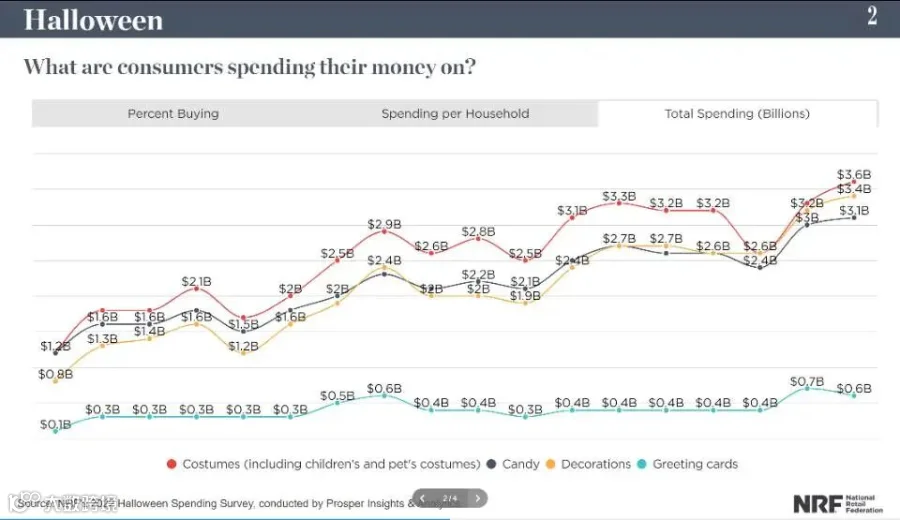
Consumers plan to spend $100 on average for Halloween candy, décor, cards and costumes. This amount is on par with last year’s record of $103 and is the second highest in the survey’s history.
消费者们人均计划为万圣节糖果,装饰品,卡片和服装消费100美元。这一数字与去年人均103美元的记录持平,在历年调查结果中位居第二。
One quarter of all the candy sold annually in the U.S. is purchased for Halloween.How Halloween candy enters the picture and takes off?
在万圣节售出的糖果占美国每年糖果销售总量的四分之一。那么万圣节糖果是如何进入人们的视野并迅速流行起来的呢?

糖果如何成为万圣节“标配”?

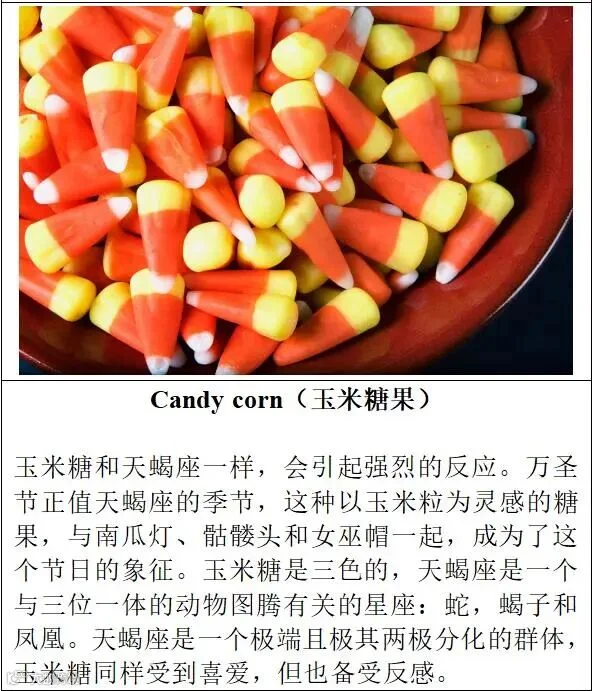
Candy corn is perhaps one of the oldest Halloween candies still eaten today, dating back to the 1880s. It was first supposedly invented by George Renninger, a candymaker at Philadelphia’s Wunderle Candy Company. In 1900, the Goelitz Candy Co. began making it in large quantities. Candy corn was designed to look like chicken feed, since at the time candy corn first emerged, about half of Americans worked on farms.
玉米糖可能是至今仍在食用的最古老的万圣节糖果之一,其历史可以追溯到19世纪80年代。据说它最早是由费城Wunderle糖果公司的制造商George Renninger发明的。1900年Goelitz糖果公司开始量产这种糖。玉米糖之所以被设计成鸡饲料的样子,是因为在其诞生之时,约一半的美国人都在农场工作。
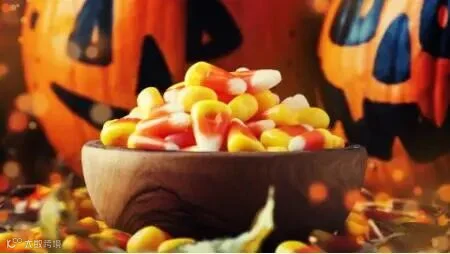
每个人最喜欢或最讨厌的万圣节零食——像鸡饲料的玉米糖。
Adobe Stock
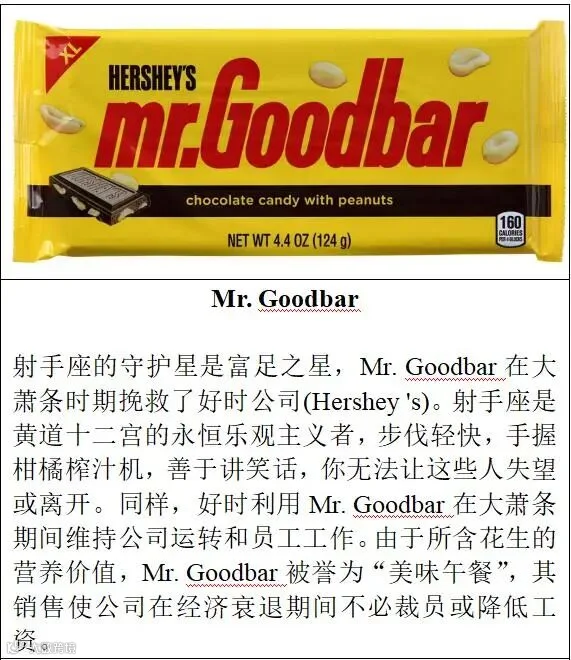
Halloween candy became quite popular around the turn of the 20th century. Hershey’s Milk Chocolate bar was first produced in 1900, with Hershey’s Kisses following seven years later. Chocolate was previously considered a luxury item rarely consumed by the average American, but Hershey’s chocolate factory in Pennsylvania allowed the chocolate to be mass produced for significantly cheaper prices.
大约在二十世纪之交,万圣节糖果火了起来。好时牛奶巧克力在1900年首次投产,七年后,好时之吻巧克力紧随其后。以前巧克力被美国中产阶级视作一种奢侈品,因此人们很少购买巧克力,但在宾夕法尼亚州的好时巧克力工厂使得量产巧克力不再是梦,巧克力的价格也因此大大降低。
好时公司(HERSHEY'S):北美地区最大的巧克力及巧克力类糖果制造商,也是世界上最大的巧克力制造商之一,其总部位于美国宾夕法尼亚州好时市。
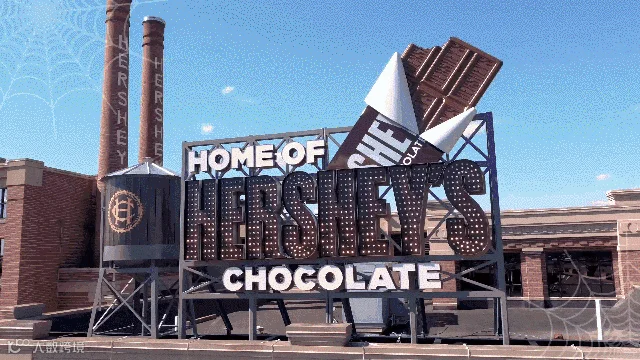
from Hershey’ s website
Although candy companies produced candy such as the Milky Way bar and Snickers bar in the 1920s and early 1930s, candy was not yet the definitive Halloween treat it is today. Sugar became more affordable around this time, which made candy cheaper to produce, but trick-or-treating often involved the distribution of cookies, fruit, nuts and even toys and money.
尽管众糖果公司早在20世纪20年代和30年代早期生产了例如银河巧克力棒和士力架巧克力棒这类糖果,但那时的糖果还没有像今天这样成为万圣节的“标配”。糖是生产糖果的原材料,该时期其价格变得更加亲民,也使得糖果的生产成本更低。但在面对“不给'糖'就捣蛋”活动时,人们发给小孩子的通常还是饼干、水果、坚果甚至是玩具和金钱。
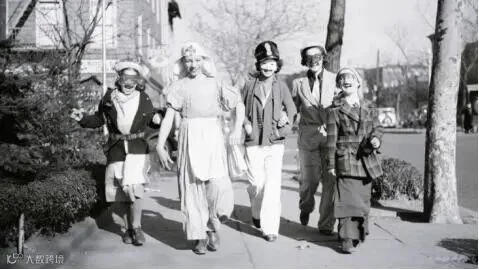
新泽西州泽西市的孩子们在万圣节的打扮
Bettmann Archive/Getty Images
Organized trick-or-treating grew in the 1930s partially in response to dangerous pranks on Halloween during the Great Depression, but this was suddenly halted when World War II broke out. Sugar rationing meant that only a few had access to candy, so people needed to get creative with Halloween food traditions. In the 1950s, candy manufacturers began to get in on the act and promote their products for Halloween, and as trick-or-treating became more popular, candy was increasingly regarded as an affordable, convenient offering.
大规模且有组织性的“不给糖就捣蛋”活动兴起于20世纪30年代,大多是为了应对大萧条时期万圣节危险的恶作剧,但是在第二次世界大战爆发后,这种活动突然停止了。战时糖果的定量配给制度意味着只有少数人才能吃到糖果,所以人们需要在如何获取限量的万圣节食物上多玩些花样。20世纪50年代,糖果制造商开始参与进这种活动并在万圣节宣传他们的产品,随着“不给糖就捣蛋”活动变得越来越受欢迎,糖果也逐渐被视为一种廉价又方便的物品。
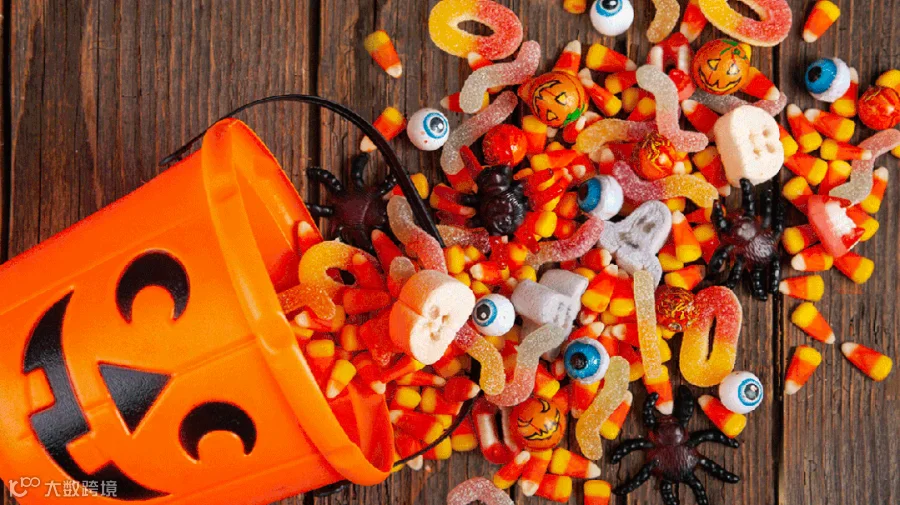
New York Post photo comp
It wasn’t until the 1970s, though, that wrapped, factory-made candy was viewed as the only acceptable thing to hand out to all the little ghosts and goblins that showed up on people’s doorsteps. A key reason for this was safety, as parents feared that real-life boogeymen might tamper with goodies that weren’t store-bought and sealed.
直到20世纪70年代,工厂化的包装糖果才被视为唯一可以被人们接受且可以分发给所有出现在门阶上的“小幽灵”和“小妖精”的糖果。这样做的一个关键原因是出于安全,因为家长们担心现实生活中的“坏人”可能会在那些不是从商店购买并密封的东西上动手脚。
家长们的噩梦:万圣节暗藏毒糖果?

Rumors of tainted, poisoned or otherwise murderous Halloween candy handed out to unsuspecting youngsters are as much a part of the Halloween tradition as costumes and sing-song pleas for sweets. The myth goes like this—no kid is safe on October 31 because psychotic murderers may hand out tainted treats to trick-or-treating children.
和万圣节的服装和乞求糖果的歌声一样,万圣节传统的一部分还包括将被污染的、有毒的或致命的万圣节糖果分发给天真无邪的小朋友的传言。在西方神话中10月31日这一天没有一个孩子是安全的,因为患有精神病的杀人犯可能会混入玩“不给糖就捣蛋”游戏的孩子们中发给他们被动过手脚的食物。
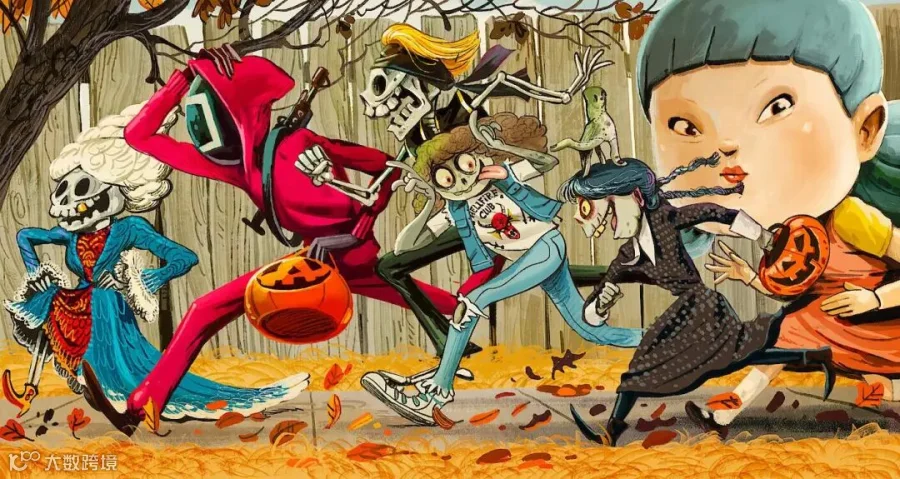
Illustration by Zohar Lazar
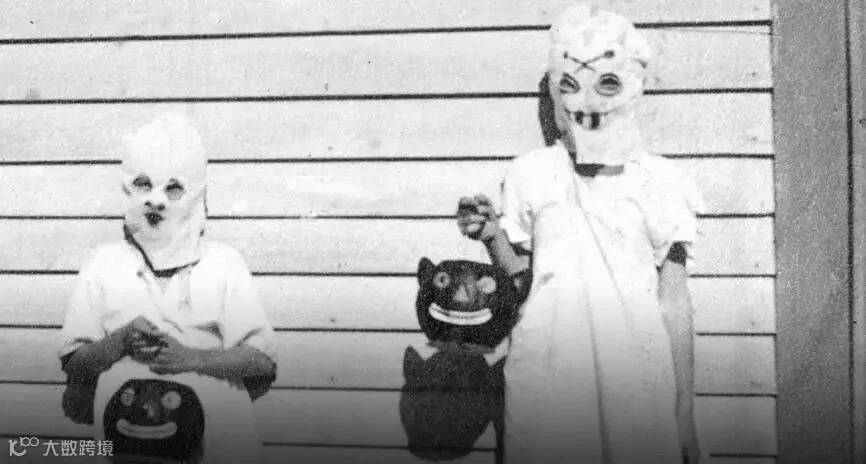
The Halloween candy scare likely began with a 1970 New York Times op-ed suggesting that strangers could use trick-or-treating as a way to poison children, citing two unconfirmed incidents in upstate New York speculating that an apple might have a razor blade hidden inside. Halloween candy sales in 1982 dropped by 20% to 50%, and 40 American cities canceled Halloween entirely, according to Eater’s “Gastropod” podcast.
万圣节糖果恐慌很可能始于1970年发表于《纽约时报》上的一篇专栏文章,该文章称陌生人可能利用“不给糖就捣蛋”的活动毒害儿童。文章引用了两例发生于纽约州北部的未经证实的故意伤害事件,并推测陌生人的苹果中很可能藏着伤人的剃须刀片。据Eater杂志的“Gastropod”专栏报道,1982年美国的万圣节糖果的销售额下降了20%至50%,且全美有40个城市完全取消了万圣节及相关活动。
Kirn Vintage Stock/Corbis/Getty Image
However, a comprehensive 1985 study of 30 years of alleged poisoning did not find even a single confirmed incident of a child’s death, or even serious injury.
然而1985年的一项综合性研究显示,在1958至1983年间所有涉及毒药的案件中,没有一起被证实存在儿童死亡或严重受伤的。
Joel Best who led the study, called it an “urban legend.” Most reports of poisoned Halloween candy that appeared in print were editorials written by authoritative voices in politics and media rather than actual events. However, police all over the country urged parents to accompany their children while trick-or-treating.
该研究的负责人Joel Best称万圣节施虐事件为“都市传说”。大多数印在报纸上的有关万圣节毒糖果的报道,都是政治或媒体领域的权威人士所杜撰的社论,而非真实发生的事件。但尽管如此,全美国的警察仍在“不给糖就捣蛋”活动期间敦促家长陪同自己的孩子,确保其安全。

穿得够“万圣”,糖袋才万盛?

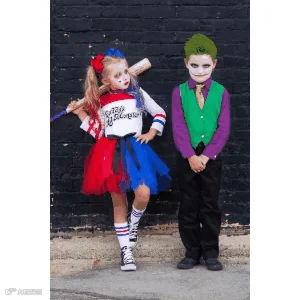
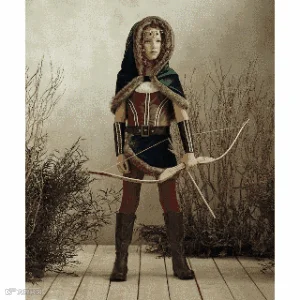
A new poll of 2,000 parents revealed that scary (15%) and pop culture-themed (13%) costume wearers also tend to fill up candy bags faster. It was conducted by OnePoll on behalf of HI-CHEW, the survey sought to uncover how parents are taking the spooky and sweet to create a memorable Halloween experience for their children
一项针对2000多名家长的最新民意调查显示,穿着恐怖(占15%)或流行文化主题(占13%)万圣节服装的孩子往往能更快地填满他们的糖果袋。这项调查由OnePoll团队代表HI-CHEW(糖果名)进行,力图揭示家长如何利用万圣节阴森或甜美的服饰特性为自己的孩子营造难忘的节日回忆。
ARCHZINER
Three in five (61%) believe that creative costumes garner more candy. So it’s no surprise that kids are asking for classic costumes such as pirates and vampires (41%), scary (41%), superheroes and villains (39%) and pop culture (39%).
五分之三(约61%)的人们认为创意服装可以帮助孩子获得更多糖果。所以孩子们要求打扮成经典的形象并不令人意外。万圣节经典的服饰有海盗和吸血鬼(41%),恐怖形象(41%),超级英雄或反派(39%)以及流行文化形象(39%)。
NY.POST
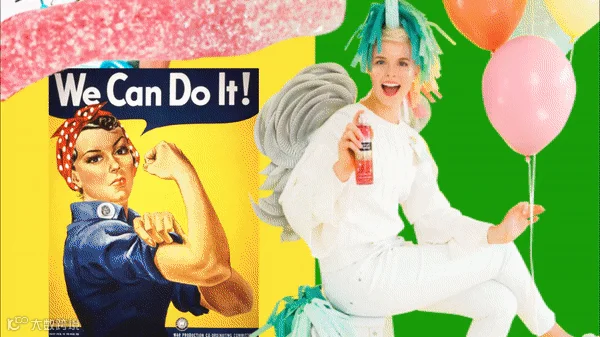
NFR shows costumes account for the biggest area of Halloween purchases. Spending on kids’ and adult costumes is expected to total $2.9 billion, the highest amount since 2017.
NFR显示,今年美国人的服装花费占万圣节开支的大头。儿童和成人服装的支出预计将达到29亿美元,高居2017年以来的榜首。
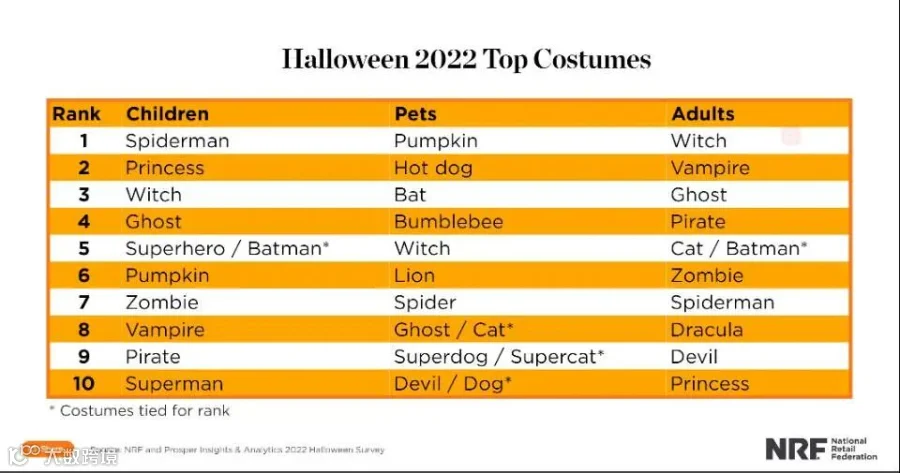
在万圣节,超过220万的男孩计划扮演成蜘蛛侠,超过190万的女孩将装扮成她们最喜欢的公主形象,160万女孩将打扮成女巫,130万孩子将变成鬼魂形象。120万孩子计划扮成蝙蝠侠及其他超级英雄,这两者并列第五。











原文链接:
https://edition.cnn.com/2021/10/31/us/halloween-food-candy-history-apple-peels-cec/index.html
https://edition.cnn.com/2019/10/30/health/halloween-candy-panic-conversation-wellness/index.html
https://www.history.com/news/the-haunted-history-of-halloween-candy
https://www.history.com/news/how-americans-became-convinced-their-halloween-candy-was-poisoned
https://www.history.com/news/halloween-trick-or-treating-origins
https://nrf.com/media-center/press-releases/halloween-participation-returns-pre-pandemic-levels-record-spending
https://academic.oup.com/socpro/article-abstract/32/5/488/1640225?redirectedFrom=PDF&login=false
https://archziner.com/holiday/halloween/halloween-costumes-for-kids-creative/
SVG互动图片及资料来源:
https://nypost.com/article/what-halloween-candy-are-you-based-on-your-zodiac-sign/
https://www.zodiacsign.com/

编译 | 索朗央宗 宋嘉硕 鲍宇鑫 李艳阳
排版 | 李艳阳