


Regions unknown
未知地区
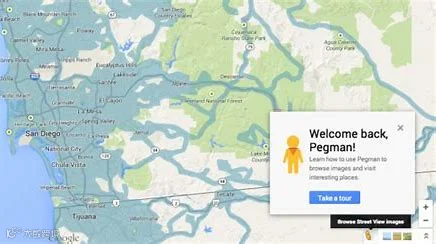
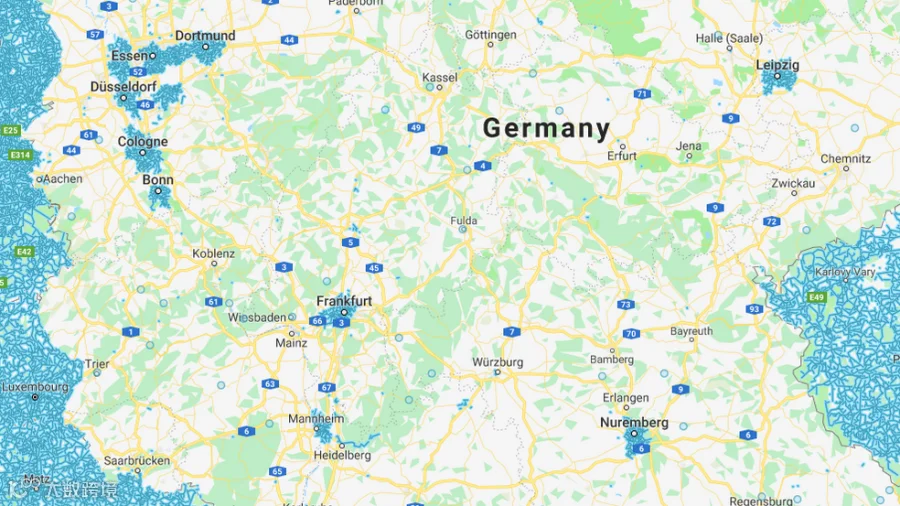
在谷歌地图中,将小黄人图标拖到欧洲上空,你会看到一幅奇怪的画面:几乎整个欧洲大陆都被蓝线覆盖,表明可以看到这些街景——但德国和奥地利几乎完全空白。
It's an image reminiscent of those late-19th-century maps of Africa with the center of the continent left empty, marked Regions Unknown. Germany and Austria are among the world's most advanced economies, so why do Google's camera cars find those countries as inaccessible and/or inhospitable as European explorers found Africa's interior?
这让人联想到19世纪末的非洲地图,非洲大陆的中心是空的,标注着“未知区域”。但德国和奥地利是世界上最先进的经济体之一,为什么会像欧洲探险家发现非洲内陆那时一样,谷歌的摄像车发现这些国家无法进入或是一片荒凉?
这是因为德国人重视隐私是出了名的——他们在文化上的近邻奥地利也是如此。不过隐私的概念完全取决于你对 "隐私 "的理解。例如,德国人并不觉得他们的私处是那么隐私的事。
Nie wieder
永不再犯(Never again)
While public nudity is a big no-no in the United States for example, Germany has a long tradition with what is known as FKK – short for Freikörperkultur, or "Free Body Culture." Certain beaches and areas of city parks are dedicated to nude sunbathing, and even Nacktwanderung ("nude rambling") is a thing.
虽然公开裸体在美国是大忌,但德国有一个长期的传统,即所谓的FKK--Freikörperkultur的缩写,或 "自由身体文化"。某些海滩和城市公园的区域专门用于裸体日光浴,甚至Nacktwanderung("裸体漫游")也可以。
On the other hand, Germans are extremely possessive of their personal data — and are shocked by the readiness with which Americans (and others) share their names, addresses, friends' lists, and purchase histories online.
而另一方面,德国人对他们的个人数据有极强的独占欲——他们对美国人(和其他国家的人)愿意在网上分享他们的姓名、地址、朋友名单和购买历史感到震惊。
根据《哈佛商业评论》的研究,德国人均愿意支付高达184美元来保护他们的个人健康数据。对于普通英国人来说,这些隐私信息只值59美元。对于美国人和中国人来说,这一价值下降到个位数。

As with many other aspects of the Nazi regime, post-war Germany resolved Nie wieder ("Never again") when it came to violations of privacy. That's one of the reasons why the very first article of (then still only West) Germany's post-war constitution reads:Human dignity shall be inviolable. To respect and protect it shall be the duty of all state authority.
与纳粹政权的许多其他方面一样,战后的德国在涉及侵犯隐私时,定下了Nie wieder("永不再犯")的原则。这就是为什么战后德国宪法的第一条(当时还只是西德)写道:"人的尊严不可侵犯,尊重和保护它应是所有国家当局的责任。"。

Informational self-determination
信息自决
Over the decades, Germany broadened and deepened its definition of privacy.
几十年来,德国扩大并深化了对隐私的定义。
-1970年,德国黑森州通过了世界上第一部数据保护法。
-1979年,西德为Bundesdatenschutzgesetz (BDSG),即联邦数据保护法奠定了基础,其主要目的是保护个人、隐私信息的不可侵犯性。
-20世纪80年代,公民成功地起诉了政府,因为人口普查调查表太过详细,使政府能够识别个人。法院承认德国公民的 "信息自决权",并阻止任何政府机构或公司分享任何个人信息。
-2010年3月,德国联邦宪法法院推翻了一项允许当局出于安全原因储存电话和电子邮件数据六个月的法律,认为这是对个人隐私权的 "严重侵犯"。
-2018年5月,欧盟通过了《一般数据保护条例》(GDPR),该条例沿用了德国的数据裁量模式,而不是较宽松的美国模式。

Missing the train
错过数字化列车
If there's one thing Germans value even more than efficiency, it's — you guessed it — privacy. Germany seems in no hurry to catch the digitization train, when other countries are stations ahead, and generating measurable benefits.
如果有一件事德国人比效率更看重,那就是——你猜对了——隐私。当其他国家处于领先地位并产生可衡量的利益时,德国似乎并不急于赶上数字化列车。
Foreign firms operating in Germany have to adjust to some of the strictest privacy laws in the world. But Nie wieder is difficult to maintain in a world that increasingly mines and monetises data. As a result, the inexorable advance of digitization is viewed with a mixture of fatalism and misgiving.
在德国运营的外国公司必须适应世界上最严格的隐私法。但在一个日益挖掘数据并将其货币化的世界里),“永不再犯”这一原则很难坚持下去。因此,人们带着宿命论和疑虑并存的眼光看待数字化的必然发展。

Example one: Germany's split personality when it comes to social media. Yes, Germans are instinctively distrustful of big tech companies such as Google and Facebook. Meanwhile, Google has cornered more than 90 percent of the search engine market in Germany, and close to half of all Germans have a Facebook account.
例一:德国人在社交媒体上的人格分裂。
德国人本能地不信任谷歌和脸书等大型科技公司。而与此同时,谷歌已经垄断了德国超过90%的搜索引擎市场,近一半的德国人拥有脸书账户。
Example two: privacy trumps efficiency. While Germany's macro-economy relies on high-tech to maintain its global pole position, on a micro-economic level, good old-fashioned cash is still king. In 2016, 80 percent of all point of sale transaction in Germany were made in notes and coins rather than via card. In the Netherlands, it was just 46 percent.
例二:隐私胜过效率。
虽然德国的宏观经济依赖高科技来维持其全球领先地位,但在微观经济层面,老式现金仍然是王道。2016年,德国80%的销售点交易是通过纸币和硬币,而不是通过银行卡进行的。在荷兰,这一比例仅为46%。
Brits, Danes or Swedes can go for months without handling cash. In Germany, you won't last a day. Why? Again, an intense desire for privacy and an instinctive distrust of surveillance. A cashless society would be more transparent and efficient, but also a lot less private.
英国人、丹麦人或瑞典人可以好几个月不带现金,但在德国,你连一天都撑不下去。为什么呢?这是德国人对隐私的强烈渴望和对监视本能的不信任。一个无现金的社会将会更加透明和高效,但也会少很多私密性。
"A million-fold violation"
“百万倍侵犯”
谷歌街景在德国的惨败就是一个典型例子。自2007年在美国推出以来,谷歌街景视图的交互式路边全景图地图已扩展到涵盖全球大部分地区。
In June 2012, it had mapped 5 million miles of roads in 39 countries; by its 10th anniversary in May 2017, the total was 10 million miles in 83 countries.
2012年6月,该公司绘制了39个国家500万英里的道路地图;到2017年5月成立10周年时,在全球83个国家的总里程已达到一千万英里。
Street View features places as far off the beaten path as the International Space Station, gas extraction platforms in the North Sea and the coral reefs of West Nusa Tenggara in Indonesia. But not the Weimarer Strasse in Fulda, or most other normal streets in Germany, or Austria for that matter.
谷歌街景展示了一些远离人烟的地方,比如国际空间站、北海的天然气开采平台和印度尼西亚西努沙登加拉(West Nusa Tenggara)的珊瑚礁。但却没有展示富尔达的魏玛大街(Weimarer Strasse),也没有德国或者奥地利的其他大多数普通街道。
Not for lack of trying. In August 2010, Google announced that it would map the streets of Germany's 20 biggest cities by the end of that year. The outrage was huge. Some of Google's camera cars were vandalised. A 70-year-old Austrian who didn't want his picture taken threatened the driver of one with a garden pick.
但这不是因为谷歌缺乏尝试。2010年8月,谷歌宣布将在当年年底绘制德国20个最大城市的街道地图。人们怒火中烧,故意破坏了谷歌的一些摄像车。一名70岁的奥地利老人不愿被收集图像,拿着一把花园镐威胁了司机。
Ilse Aigner, Germany's minister for Consumer Protection at the time, called Google's "comprehensive photo offensive" a "million-fold violation of the private sphere (…) There is not a secret service in existence that would collect photos so unabashedly."
当时的德国消费者保护部长伊尔丝·艾格纳称,谷歌的“全面照片攻势”是“对私人领域的百万倍侵犯……目前还没有哪个秘密机构会如此厚颜无耻地收集照片。”
Blurry Street
模糊的街
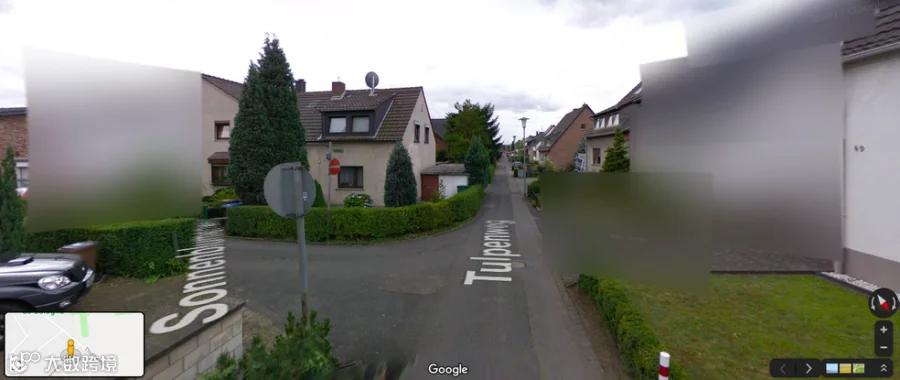
谷歌可以自动模糊人脸和车辆牌照,并根据要求模糊房屋的正面。在相关地区,足足有3%的家庭要求对自己的房屋进行模糊处理。面对前所未有的高度抵制,谷歌在2011年公布了已经收集到的数据,但仅此而已。此后,德国再也没有拍摄过新的街景图像。
Following the revelation in May 2010 that Google had used data from unencrypted wifi connections when collating its roadside panoramas, Street View was banned from Austria. From 2017, Google has resumed collecting imagery in Austria, and from 2018, it is available for selected localities.
2010年5月,谷歌被曝在整理路边全景照片时使用了未加密的wifi连接数据。此后,奥地利禁止使用“谷歌街景”。从2017年开始,谷歌恢复了在奥地利的图像采集,并从2018年开始,在部分地区可以使用。
随着年轻一代对个人数据交易方面越来越熟悉,也许德国人对数据隐私的态度将开始明显转向美国模式。
For now, the difference has one side of the argument at a distinct disadvantage. As one online commenter noted:
"It doesn't seem quite fair that anyone in the world including Germans can take a virtual stroll around my street and my city, but I can't do the same in their country."
就目前而言,这种差异使一方处于明显的劣势。正如一位网上评论者所说:
“世界上任何人,包括德国人在内,都可以在我的街道和城市里虚拟漫步,但我却不能在他们的国家这样做,这似乎不太公平。”
编译 | 陈雨昕 周诗嘉 王嘉誉 刘海燕
排版 | 刘海燕