


婚前犯怂为啥叫“cold feet”?
如果说爱情是一场高烧,那么
它的死敌恐怕就是cold feet : "冷脚"
这个奇怪的表达是如何产生的?
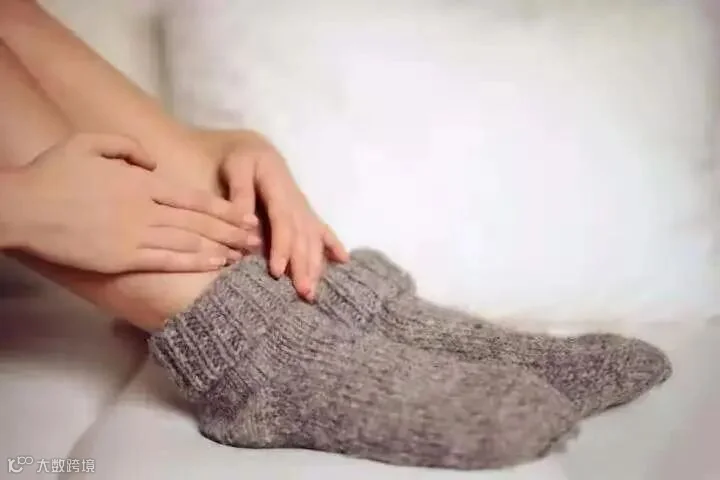
When any kind of joint project is imminent and seemingly a done deal, a participant pulling out is said to have gotten "cold feet.”
While it’s used in the context of business deals, the cold feet idiom is most often applied to pending wedding nuptials. A bride or groom thinking twice about spending eternity with their would-be spouse develops cold extremities.
当面对一件板上钉钉的大事时,那个企图临阵脱逃的人就会被称作"cold feet(冷脚族)"。
虽然"cold feet"这一表达常出现在商业活动中,但其最常见的用法还是被用来描述婚礼前的境况。当一个新郎或新娘再三考虑是否要和他们"可能的未来配偶”共度一生时,"cold"就会袭来。
Where did the phrase come from?
那么,这个表达究竟是从何而来呢?
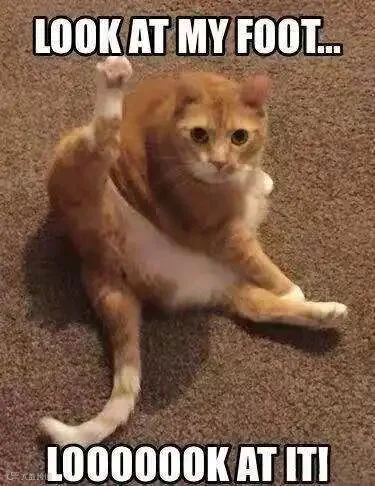
One theory has it that "cold feet” came into use when soldiers who developed frostbite on their toes were subsequently unable to serve.
有一种理论认为,这种说法是由于早期士兵脚趾冻伤后无法继续服役,只能退出得来。
The phrase was meant to be taken literally.While people who were reluctant to serve in World War II were said to be "cold-footers," the origin of "cold feet" actually predates the war by decades—and possibly centuries.
由此可见,"cold feet”其实是取了字面意思。虽然那些被迫参与二战的人被说成是"cold-footers”,但"cold feet”的起源实际上比二战早了几十年甚至几个世纪。
In 1805, a newspaper column appeared in The Republican-Journal in Darlington, Wisconsin, and was attributed to The Washington Post. It described a poker game in which the author planned to exit once he developed a case of "cold feet,” or an unwillingness to continue losing money if things weren’t going his way:
1805年,威斯康星州达灵顿的《共和党杂志》刊登了一篇专栏新闻,这篇新闻被认为出自《华盛顿邮报》之笔。它描述了一种纸牌游戏,游戏中玩家发现形势不利,不想继续输钱,即面临“cold feet",他就心生退意。
"I hastily made up my mind to stay long enough to lose one hundred dollars or so, and then suddenly grow ill and extricate myself. It was a happy thought. 'Cold feet' would pull me out, if my losses became too towering."
“我草率地决定,我要输够大概一百美元再离开,但我突然就不想继续玩了。这是一个好兆头。如果我损失太多,‘cold feet’能让我及时止损。”
While not necessarily the first published use of the phrase, it seems likely that "cold feet” was, for a time, synonymous with games of chance.
虽然不一定是第一次公开使用这种用法,但似乎"cold feet”在某一特定时期是"投机游戏”的代名词。
Later, author Fritz Reuter used the phrase in Seed Time and Harvest, a German-language novel published in 1862. In it, Reuter describes a card player and gambler who departs a game after developing a case of cold feet.
后来,作家Fritz Reuter在1862年出版的德语小说《种子时代与收获》中使用了这个短语。在这本书中,Reuter描述了一名牌手和赌徒,他们在发展出"cold feet"后离开了游戏。
It's hard to know what or who may have inspired the columnist and Reuter to use "cold feet” to describe a wary gambler, though there was precedent for it. In the 1605 play Volpone by Ben Jonson, the Lombard (an Italian dialect) proverb "cold on my feet” is used. In this context, it referred to someone with no money and presumably no resources for proper footwear. A gambler with dwindling cash may have gotten a case of cold feet, which eventually grew to describe anyone metaphorically walking away from the table.
尽管有先例,但人们很难知道是什么或者谁启发了专栏作家和Reuter使用"cold feet"来形容一个谨慎的赌徒。1605年,在本·琼森(Ben Jonson)的剧本《Volpone》中,伦巴底语(一种意大利方言)谚语"cold on my feet"被使用。在这种情况下,它指的是一个没有钱购买合适的鞋的人。一个赌徒的钱减少了,那么他的脚可能就会变得很冷,"cold feet"最终发展为对于离开赌桌的人的隐喻。
Reuter's novel was later published in English in 1870. In 1896, Artie: A Story of the Streets and Town by author George Ade contained the phrase. ("He's one of them boys that never has cold feet and there's nothing too good for a friend.”) So did a revised edition of Maggie: A Girl of the Streetsby Stephen Crane released that same year. ("I knew this was the way it would be. They got cold feet.”)
Reuter的小说后来在1870年以英文出版。1896年,作者乔治·阿德的《阿蒂:一个关于街道和城镇的故事》中有这样一句话。("他是一个从不退缩的男孩,对朋友来说没有什么太好的事。”)同年出版的《麦琪:街头女孩》的修订版也是如此。("我就知道会是这样。他们临终退缩了。”)
How "cold feet” moved from general apprehension to wedding woes is less clear. Perhaps it's because those with cold feet consider love to be as much of a gamble as poker.
"冷脚”是如何从普遍的忧虑转变为婚礼的悲哀的,目前还不太清楚。也许是因为那些冷冰冰的人认为爱情就像扑克一样是一场赌博。
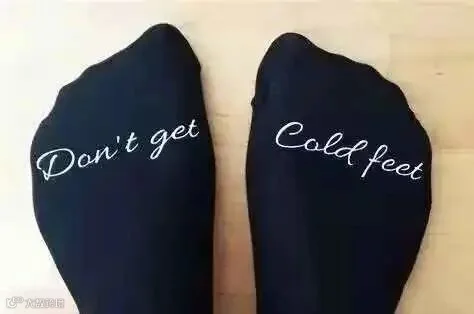
Slangs:
have two left feet 笨手笨脚
be back on your feet 恢复健康,痊愈
think on your feet 思维敏捷
vote with your feet 不再支持,不再使用某产品
编译 | 陈语姝 王奕涵 刘睿琪 马嘉祺
排版 | 刘睿琪