


ROMANTICISM
OF
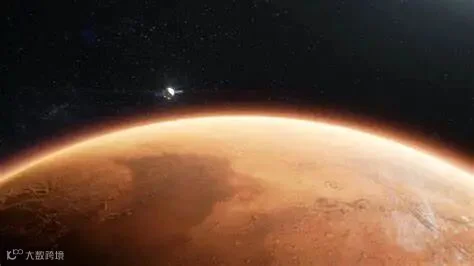
China has successfully landed its rover on Mars, becoming the second country in history to have a rover on the red planet. The Tianwen-1 spacecraft landed on a site on a vast plain known as Utopia Planitia, leaving a Chinese footprint on Mars for the first time.
随着"天问一号"安全降落在乌托邦平原,中国成功成为历史上第二个在火星上留下足迹的国家。
Over the past few years, China's aerospace industry has witnessed many landmark events. Apart from celebrating these scientific achievements and milestones, the public has also developed a growing interest in the missions' unique names, of which many are derived from China's myths and legends.
在过去的数十年里,中国航天见证了许多具有里程碑意义的事件。除了庆祝这些科学成就,公众也对航天工程中那些频繁出现的,源自中国传统神话与传说的独特名称产生了日渐浓厚的兴趣。
Mars Rover
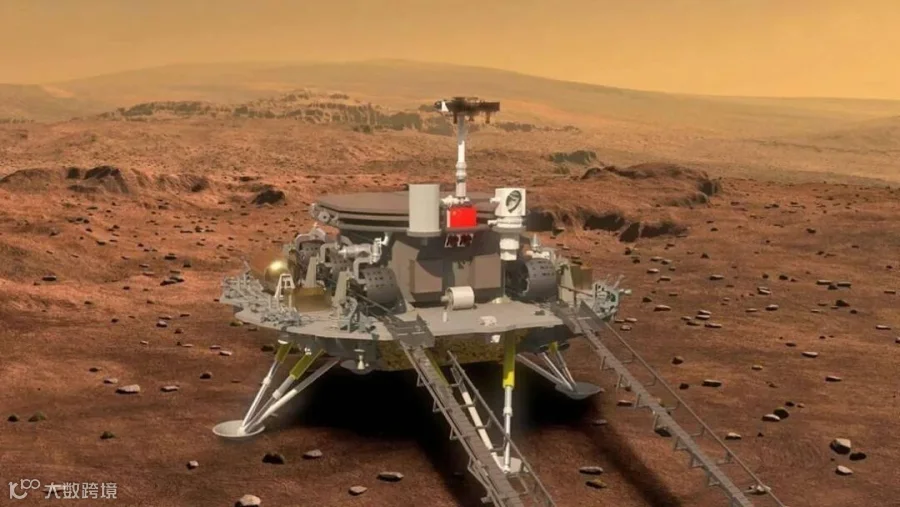
天问一号
Tianwen-1
2021
The name Tianwenis deeply rooted in traditional Chinese culture and has special significance. It comes from the long poem “Tianwen,” or “Questions to Heaven,” written by Qu Yuan, one of the greatest Chinese poets who lived during the Warring States Period (475-221 B.C.).
天问这个名字,深深根植于中国传统文化之中,有着特殊的意义。它出自于战国时期(公元前475-221年)最伟大的诗人之一屈原创作的长诗《天问》。
In over 1,500 Chinese characters, the poem raises more than a hundred questions concerning the origin of the universe, the structure of heaven and earth, the alternation of day and night, and the movement of stars. Qu Yuan even asks about myths and legends, as well as the rise and fall of dynasties. While many of the rhetorical questions about historical events reflect Qu Yuan’s political views, his imagination and questioning of the universe and heavenly bodies demonstrate ancient Chinese people’s pursuit of the unknown.
在1500余字中,屈原提出了100多个关于宇宙起源、天地结构、日夜交替、恒星运动、神话传说与朝代兴衰的问题。虽然一些关于历史事件的问题反映了屈原的政治观点,但他对宇宙与天体的想象和疑问却显示了中国古人对未知的追求。
Moon Exploration
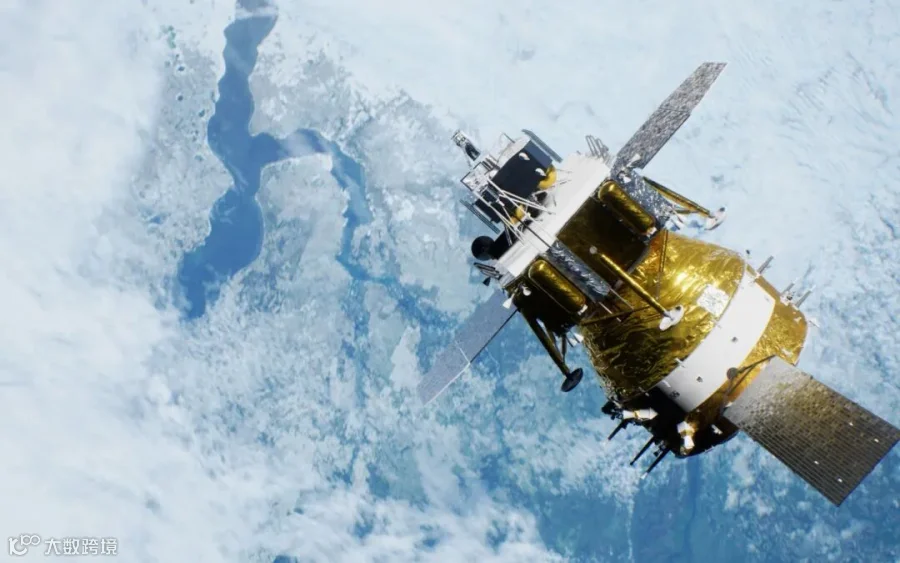
嫦娥三号
Chang'e-3 probe
2013
China's moon exploration project and its lunar probe, which made the first-ever soft landing on the far side of the moon, are both named after a Chinese goddess of the moon, Chang'e. According to ancient legends, the goddess lived in solitude on the moon with a rabbit, known as Yutu. In 2013, the Chang'e-3 lunar probe landed on the moon and was carried around by a lunar rover called Yutu. The two names perfectly match the legend of the moon fairy and her pet.
中国的探月项目和首次在月球的远端软着陆的月球探测器,它们的名字都来自月亮女神嫦娥。传说中,嫦娥与玉兔孤独地生活在月亮上。2013年,嫦娥三号月球探测器登陆月球,它由一辆名为"玉兔"的月球车运载,而这与传说中嫦娥与玉兔的故事完全吻合。
In another example, the relay satellite for the Chang'e-4 moon exploration mission is called Queqiao, or "magpie bridge." The magpie bridge, in a Chinese folk tale, was formed by millions of magpies, so that a separated couple could meet each other despite the Milky Way. Likewise, the Queqiao relay satellite serves as a "space-bridge" for communication between the moon and the earth.
嫦娥四号月球探测任务的中继卫星叫做"鹊桥"。在中国民间传说中,鹊桥是由数百万只喜鹊组成的桥,因为有它,牛郎和织女才得以跨越银河系相见。正如神话故事中的那样,"鹊桥"中继卫星也是月球和地球传递信息的"天桥"。
Dark Matter Detection
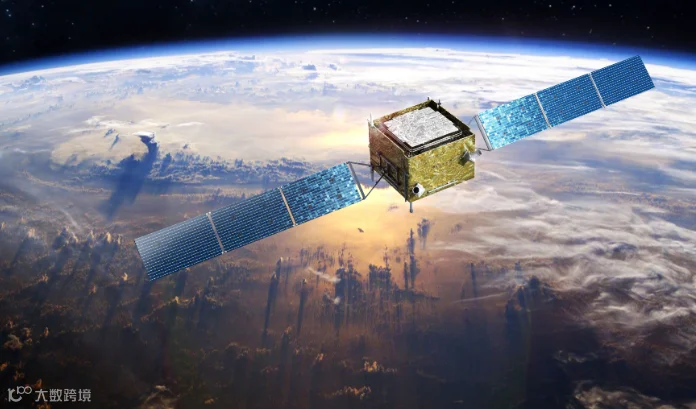
悟空暗物质探测器
Wukong
2015
China's dark matter probe satellite, Wukong got its name through public solicitation. It was named after the Monkey King (Wukong) from the classical Chinese novel "Journey to the West." This is because people hoped the probe could find dark matter in the vast reaches of space just like Wukong's "eyes of fire" from which nothing escapes.
经过公开征名,中国的暗物质探测卫星被命名为"悟空",即古典小说《西游记》中猴王的名字。人们希望探测器能拥有悟空的"火眼金睛",在广阔的太空中发现暗物质。
LOOK BACK
Chinese people's aspiration to the universe dated back to ancient times. Besides typical Chinese poetry demonstrating their curiosity for the great and beyond, some even tried to explore. Lu Ban, a great inventor living in the Eastern Zhou Dynasty (770 BC-256 BC), made a flying bamboo bird, and Wan Hu, a legendary official in the Ming Dynasty (1368-1644), tried to shoot himself into space with a crude rocket.
中国人民探索宇宙的志向可以追溯到远古时期。除了在诗歌中抒发好奇心,有些人甚至尝试自己去探索广阔无垠的外太空。生活在东周(公元前770-公元前256年)的伟大发明家鲁班制造了一只能飞的竹鸟,明代(1368-1644)的传奇官员万户试图用火箭将自己送上太空。
On the one hand, Chinese people spared no effort to explore the laws of planetary motions to develop their lunar calendar. On the other hand, the ancient Chinese were also perplexed by the mysteries of space so they created many myths and legends, such as "Kuafu Chases the Sun," to explain phenomena that they could not explain. These traditional stories have become the source of inspiration for Chinese scientists in the naming of major space missions.
一方面,中国人民不遗余力地探索行星运动规律以发展农历,另一方面,对太空神秘性的困惑,也激发他们创作了许多神话传说,比如"夸父逐日",来解释一些他们无法解释的现象。而这些神话故事也成为了科学家们命名重大太空任务的灵感源泉。
The famous spacecraft and rovers built by the United States include the Challenger, the Opportunity and the Spirit, whose names reflect a positive and enterprising spirit. This is quite unlike how the Chinese name their spacecraft, which reflects the Chinese people's sense of romance and awe for space as well as their efforts to pass down traditional culture and their ancestors' spirit of scientific discovery. Nevertheless, all these names, Chinese or foreign, showcase the dreams of humankind and our collective pursuit to discover the secrets of space.
美国的"挑战者号"、"机遇号"和"勇气号"反映了他们积极进取的精神,这与中国人蕴含着浪漫与敬畏的命名方式大相径庭。但是,所有的这些名字,无论是中国的还是外国的,都展示了人类探索太空的共同梦想。
When Apollo 11 prepared to land on the moon, the control center on earth told the astronauts onboard to "watch for a lovely girl with a big rabbit," which refers to Chang'e and her rabbit Yutu. With the stellar progress of China's aerospace industry, more and more Chinese stories embodying Chinese romanticism will be shown to the world.
当阿波罗11号即将登陆月球时,地面控制中心告诉宇航员们"注意那个可爱的小女孩和她的兔子",也就是嫦娥和玉兔。随着中国航天事业的飞速发展,越来越多体现浪漫主义的中国故事也将被展现给世界。
编译|刘睿琪
排版|刘睿琪