
图源:pexels.com
全文字数:2147字 / 阅读时间:7分钟
We love to mimic the routines and rituals of the rich and famous-but they may be no more insightful than random behaviours.
我们可能热衷于模仿富人和名人工作时的习惯和仪式——但其实,这些行为并不比我们日常的行为高明多少。
企业家成功的秘诀,你学废了吗?
HAPPY HALLOWEEN
Almost every week there’s a new article outlining a high-flying individual’s behaviours – with the implied promise that using the same techniques could deliver us fame and fortune, too.
网上几乎每周都会发布一篇新的文章,分享成功者的经验,仿佛在暗示我们效仿此法就能名利双收。
Thanks to media, when a billionaire, acclaimed author or world-class athlete tells us about their daily routine, we may then follow their advice as if it were the gospel truth.
由于媒体的传播,当亿万富翁、著名作家或世界级运动员向我们讲述日常生活时,他们的经验可能会被我们奉为圭臬。
Some of their advice is relatively common sense: you’ ll often hear how top CEOs like Elon Musk begin work early, skip breakfast and divide their time into small, manageable tasks. Bill Gates would reportedly rock backwards and forwards in his chair while brainstorming – a bodily means of focusing the mind that apparently spread across the Microsoft boardroom. Gates was also very particular in his choice of notebook: it had to be a yellow legal pad.
这些文章总会提供一些偏常识性的建议:比如,文章总会告诉我们马斯克习惯于早起工作、不吃早餐,并把时间分配给细碎易办的任务;比尔·盖茨在头脑风暴时会在椅子上前后摇晃,而微软的董事们认为这是一种集中注意力的方式,因此纷纷模仿;此外,盖茨对笔记本的选择也很有讲究——必须是黄色的记事本。

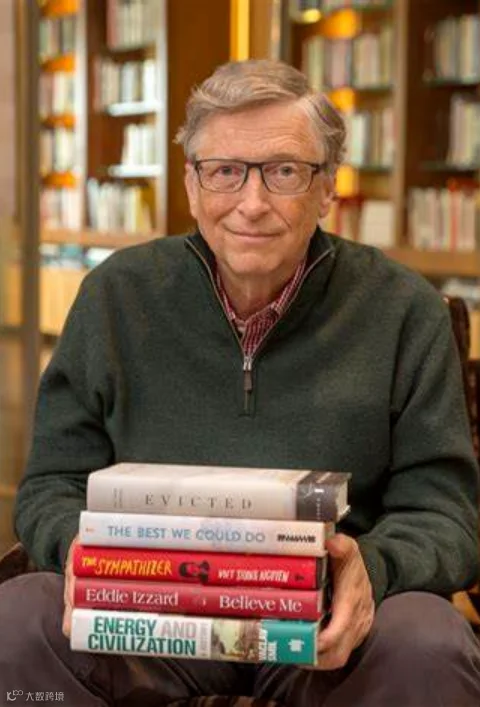
左为 Elon Musk 右为 Bill Gates 图源:cn.bing.com
Why do successful people follow such eccentrically specific habits? And why are we so keen to read about them and mimic them in our own lives?
为什么成功人士会有这些古怪的行为习惯呢?我们又为何热衷于了解并模仿它们呢?
为什么我们会陷入“迷信式学习”?
HAPPY HALLOWEEN
The answer lies in a powerful psychological process called "superstitious learning". The brain is constantly looking for associations between two events. While it is mostly correct, it sometimes mistakes coincidence for causality – leading us to attribute success to something as arbitrary as the colour of our notebook or the number of beans in our brew, rather than our own talent or hard work. Most of the time, correlation does not mean causation, although it may feel like it does.
这种强而有力地影响着我们的心理效应被称为“迷信式学习”。首先,大脑习惯于建立事物之间的联系。尽管大多数情况下它的判断是正确的,但有时它也会把机缘巧合误解为因果关系,这会导致我们将成功归因于一些随机的事物,比如笔记本的颜色,或是咖啡中豆子的数量,而不是我们自己的才能或者努力。大多数时候,尽管感觉很像,但相关关系并不等同于因果关系。



图源:pexels.com
YOUR COMPANY
And when we hear of other’s triumphs, we often end up copying their habits, too, including the knowledge that they had acquired through superstitious learning. A key reason for this is that humans are social creatures; we are primed to look to people of higher status for advice. Various studies over the past decade have shown that we have a tendency to “over-imitate” when we learn from others, even if there is no obvious logical reason for a particular deed.
其次,当听到其他人获得巨大成功时,我们也会想模仿他们的做法,包括他们在迷信式学习中获得的知识。关键原因之一是:人类是社会性生物,因而往往向地位更高的人征求建议。过去十年的各项研究显示,当向他人学习时,我们有“过度模仿”的倾向——即使那些被模仿的行为并不符合逻辑。



图源:pexels.com
Another factor is that as a social species, so much of what we know about the world comes from common wisdom. It would therefore seem safe to assume that if other people believe in the utility of a particular action, there might be something to it. If people around you say you should not eat those mushrooms, it’s probably a good idea to avoid them.
另外一个心理因素是:每个人都是社会的一部分,我们对于世界的了解大多来自于公认的常识,所以,如果有人相信某种特定行为是有效的,那么稳妥起见,我们最好相信它自有一定的道理。比方说,如果周围的人对你说某些蘑菇不能吃,那么我们最好还是离它们远点儿。



图源:pexels.com
This “better safe than sorry” attitude is one of the main reasons superstitions are so widespread.
这种“宁可信其有”的心态是造成迷信行为盛行的主要原因之一。
图源:pexels.com
小仪式也是生活的小确幸
HAPPY HALLOWEEN
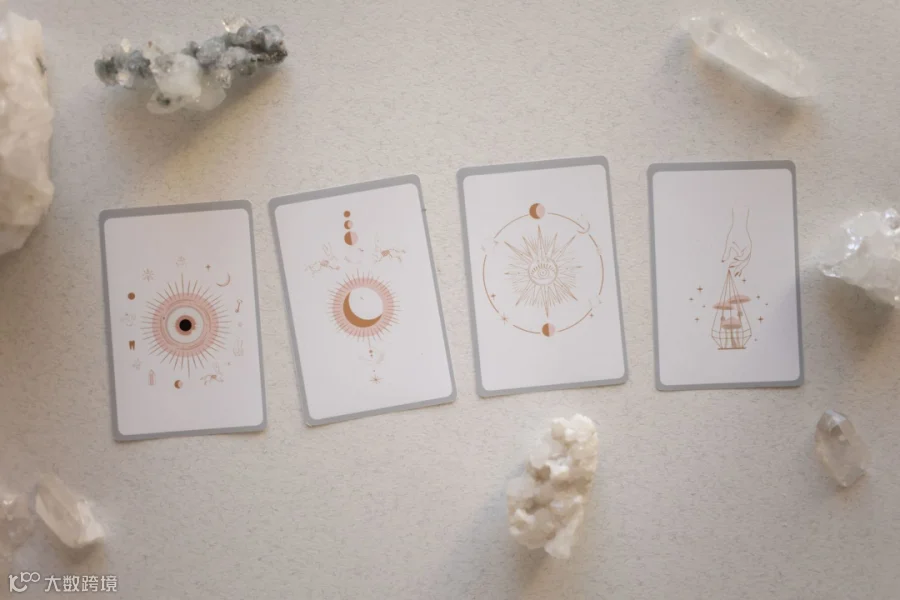
Although the initial association with success may have been illusory, the positive mindset that it produces really does improve our performance, so we do it again and again. Other studies have found that asking participants to perform small rituals can improve everything from academic performance to pitch accuracy in karaoke singing. In some ways, it’s a bit like the placebo effect in medicine – the sense that you are doing something positive can itself change the outcome.
尽管这些行为与成功的联系可能只是单纯的臆想,但我们在模仿中产生的积极心态确实能让自己表现地更好,因此我们会反复如此。另有研究发现,无论是在学业表现上,还是在K歌时,一些小小的仪式感都能够让人表现地更好。就像是安慰剂,这种积极的心理暗示本身就能影响最终结果。


图源:pexels.com
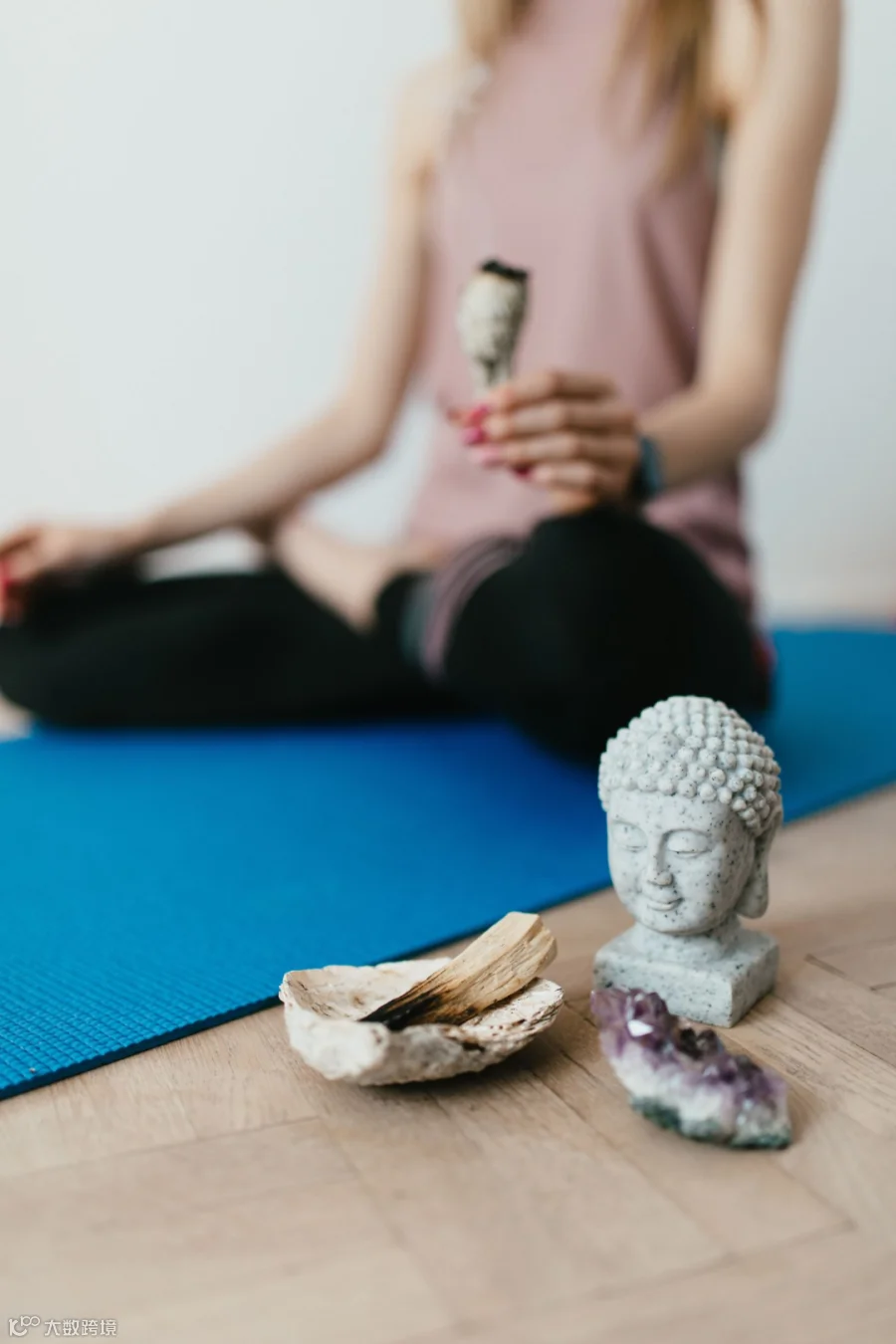
Research shows that rituals and superstitions spike during times of uncertainty, and performing them can help reduce anxiety and boost performance. When people feel powerless, turning to familiar actions provides a sense of control, which, even if illusory, can still be comforting.
研究表明,在对事情没有把握的时候,人们会强烈诉诸仪式感和迷信行为,而它们确实可以减少焦虑,提高绩效。当人们感到无能为力时,会从熟悉的事物中获得掌控感,即便这是虚幻的,也可以让人感到片刻安慰。


图源:pexels.com



图源:pexels.com
Given these findings, we need not be embarrassed by the little rituals that pepper our days; if the action costs nothing and helps you to feel a bit more in control of your day, it’s perfectly rational to continue. Whether you’ve been inspired by past experience or are mimicking your heroes, your arbitrary rituals may just push you a little a bit closer to the success you seek.
鉴于以上理由,我们不必为日常生活中进行的小迷信仪式感到尴尬——如果这件事不耗费你很多精力,并且能增强你对生活的掌控感,继续这样做也是完全合理的。不论是受到了过去经验的启发,还是在模仿你的偶像,你的小迷信可能真的会给你带来小确幸。
保持批判性质疑
HAPPY HALLOWEEN
In some cases, when spuriousassociations influence high-level decision-making, superstitious learning may be costly. One 2020 study of Swedish biotech companies found that two CEOs who had come to associate certain marketing strategies with success religiously repeated the same steps in their new start-ups – even though there was no logical reason to think that the specific approach could work again.
不过,有时候迷信式学习导致的漏洞百出的关联性意识,会让我们在高层决策时付出沉重的代价。2020年对瑞典生物科技公司的一项研究发现,两位首席执行官每次都在新公司重复之前的经营步骤,因为他们盲目地相信以前的营销策略一定会带来成功,但没有任何逻辑能够证明这一点。
Rovira Nordman, who was a co-author of the study,suggests that whenever we are making an important decision, we apply our critical thinking to question all the assumptions that we are making and the evidence for them.
这项研究的领队之一罗维拉·诺德曼建议我们,做任何重要决定时,都应该运用批判性思维质疑任何假设和证据。
/重点词汇/
high-flying:very successful 十分成功的;抱有雄心壮志的
例句:He seems to be a very pessimistic person, but actually he's a high-flying guy.
spurious:false, although seeming to be genuine 虚假的;伪造的;based on false ideas or ways of thinking 建立在错误的观念(或思想方法)之上的;谬误的
例句:He had managed to create the entirely spurious impression that the company was thriving. 他设法制造出一种彻头彻尾的假象,让人误以为公司一派兴旺。
原文链接:
https://www.medicalnewstoday.com/articles/magical-thinking#mental-health
https://www.bbc.com/worklife/article/20220708-superstitious-learning-can-lucky-rituals-bring-success
https://buffalonews.com/lifestyles/why-magical-thinking-is-so-widespread-a-look-at-the-psychological-roots-of-common-superstitions/article_a49d51de-45a4-5389-bfa1-c07344090208.html
编译 | 虞佳盟 吾丽巴丽亚 张若楠 玛迪娜
排版 | 玛迪娜