


“幸运乖乖”
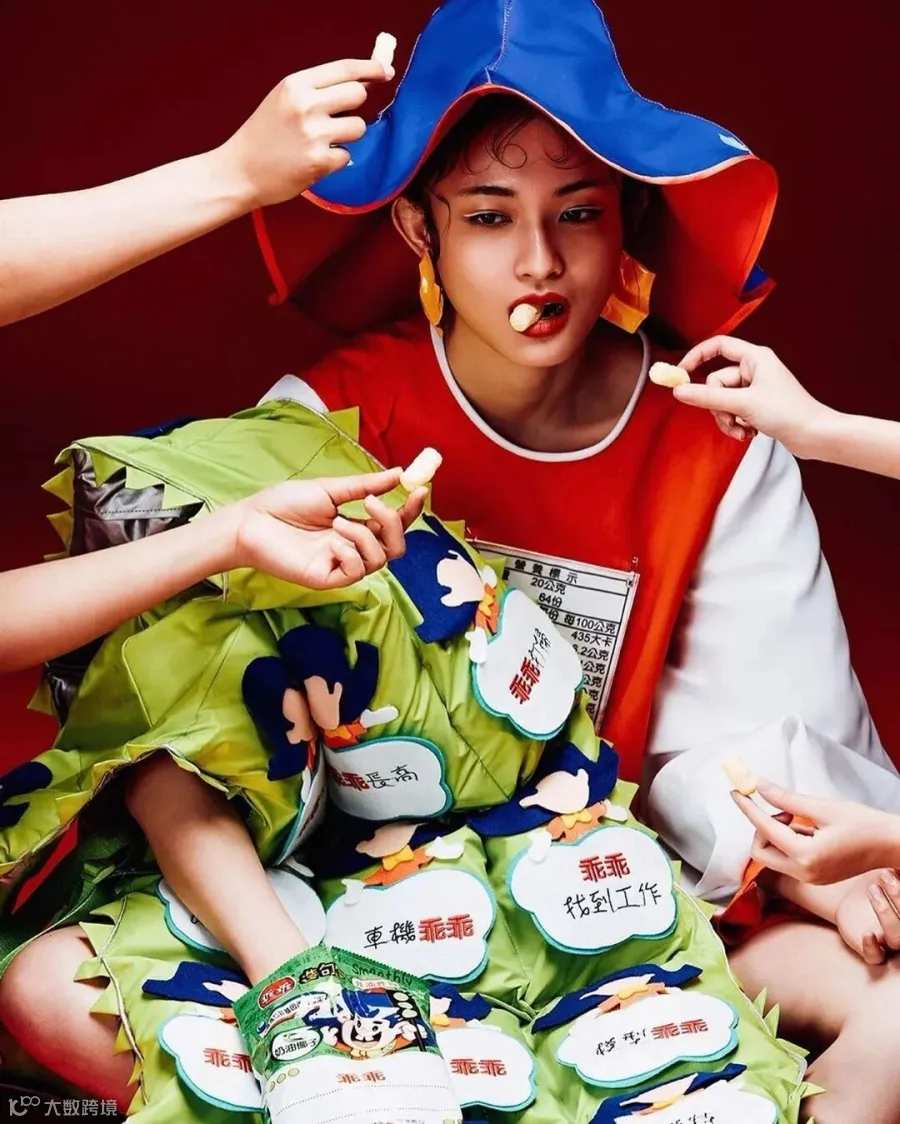
Crisps have a sacred role in office culture. They are the perfect mid-morning pick-me-up, the moreish side to a light sandwich lunch, or the fuel that keeps us going when meetings run past mealtimes.
薯片在办公室文化中扮演了一个神圣的角色。它们是理想的上午提神利器,是轻食三文治午餐令人回味无穷的部分,抑或者是在会议耽误了用餐时间时支撑我们继续前进的燃料。
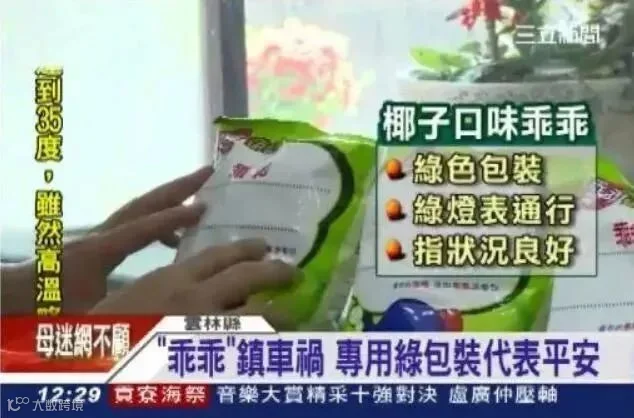
But in Taiwan, one particular brand of crisps does more than keep hunger pangs at bay. Many of the island’s machines – from cash machines to radio transmission towers – seem to rely on the presence of green bags of puffy, coconut-flavoured corn crisps to stay in tip-top condition.
但是在台湾,一个特殊的薯片品牌并不仅限于阻止饥饿感。从提款机到无线电发射塔,该岛上的许多机器似乎都依赖该膨化食品--椰子味玉米脆片的绿色包装来保持最佳状态。
Interviewees told the Taipei Times that they see these crisps as amulets – or good luck charms – that, if used properly, will ensure that technology behaves well and doesn’t break down. They place bags of this humble snack, known as ‘Kuai Kuai’ (or 'Guai Guai'), on or around vital machines in many of the island’s laboratories, banks and even hospitals to ensure the machines continue to do their jobs.
受访者告诉《台北时报》,他们将这些薯片视为护身符或吉祥物,如果使用得当,可以确保工艺运行良好且不会崩溃。他们在岛上许多实验室,银行甚至医院的重要机器上或周围放置了这种袋装的零食,称为“ 乖乖”,以确保机器继续工作。
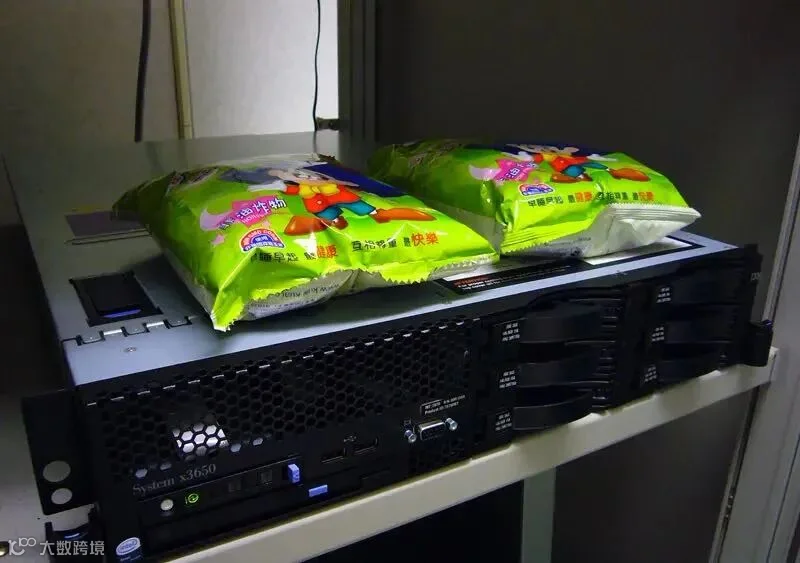
But how did this savoury product end up assuming near-mythical protective properties and, in a technologically advanced society that supplies most of the world’s semiconductors, why exactly do people buy into it?
这种美味的产品是如何具有近乎神话般的保护性能的呢?在一个提供世界上大部分半导体的技术先进的社会里,人们究竟为什么要买它呢?



'Be good'
No one is entirely sure exactly when or how the green bags of Kuai Kuai crisps became seen as symbolic tech whisperers whose mere presence could keep electronics in line.
没有人完全确定,在什么时候、以什么方式,绿色包装的乖乖薯片成为了一种技术辟邪的象征,有它在,电子产品们就能乖乖听话。
The Kuai Kuai company was established in 1968 by Liao Jing Gang and his son Spencer, a team who needed to find a way to keep their main business, a pharmaceutical importing and manufacturing company, busy during slow periods, so they began making snacks and confectionery.
乖乖公司是由廖敬刚和他的儿子斯宾塞(Spencer)于1968年成立的,该团队需要找到一种方法作为支撑,使得其主要业务(一家医药进口和制造公司)在低谷也能保持运作,因此他们开始转型制作小吃和糖果。
“Kuai Kuai were specifically created to be sold to children. Back then, there was nothing like that on the market,” says Irene Liao, who is Spencer’s daughter and the firm’s current general manager. But that all changed when the crisps, whose name means ‘behave’ or ‘be good’ in both Mandarin and Taiwanese, caught the eye of a graduate student.
“乖乖是瞄准儿童市场设计的。那时候,市场上空缺像这样的东西。”斯宾塞的女儿,公司现任总经理廖若琳说。然而事情发生了微妙的变化。薯片的名字在普通话和台湾语中都表示“表现好”或“听话”,而这引起了一位研究生的注意。
the Kuai Kuai legend was born
乖乖传奇诞生
“It apparently all started with this graduate student who was working on his thesis and his computer kept crashing. So, he had the idea that his device might have needed a talisman,” she says.
“很显然,一切始于这位正在写论文的研究生。当时他的电脑一直宕机。然后他突然产生了一个想法,他的设备可能也需要一个护身符。”她说。
Lucky charms still play a significant role in Taiwanese society regardless of industry, so it is understandable that the student felt he needed one. And there would have been logic behind using a green bag of Kuai Kuai crisps; the name was right (‘be good’) and there is a general assumption that green is synonymous with ‘go’, as it would be on a traffic light – so the student put the bag on his computer. “Next thing he knew, the computer was working normally, and he was able to get his thesis done in time,” Liao says.
无论身处什么产业,幸运符在台湾社会中一直占据着重要地位。因此,这位学生认为自己需要一个幸运符也可以理解。选择绿色包装的乖乖薯片也很合理。这个名字意味着正确(“做得好”),并且一般认为绿色即代表着“ 通过”,因为绿色在交通信号灯上正意味着通行 –- 所以该学生将整袋薯片摆在了电脑上。廖说:“结果他发现电脑真的运行正常了,他及时完成了论文。”
But even Liao says she had to track down the story of Kuai Kuai’s metamorphosis from children’s snack to technology-tamer online, because she had only heard it third hand. As far as she knows, the student was in IT, his story spread by word-of-mouth and the Kuai Kuai legend was born.
但廖说她也必须追溯“乖乖”从普通的儿童小零食蜕变到网络大热的科技驯化者的故事,因为她只听过第三手信息。据她所知,这名学生在IT领域,他的故事是通过口耳相传而流行的,而乖乖的传奇故事也由此诞生。
The company says it hasn’t promoted the tech-protecting properties of its product. “The story grew and developed organically, [which means] different people from different industries are able to put their own interpretation into how they think the bags ought to be used,” says Liao. A case in point – as well as being used on cash machines, office servers and copying machines, bags of Kuai Kuai are also being used in hospitals across Taiwan to keep critical machines like ventilators going.
该公司表示并没有刻意宣传其产品有技术保护性能。廖说:“这个故事就这么自然成长和发展起来了,(这意味着)来自不同行业的人可以自行决定该如何使用这种袋装薯片。”一个很好的例子 -- 除用于自动提款机,办公室服务器和复印机外,乖乖还用于台湾各地的医院,以保证呼吸机等关键机器的正常运转。
They can be found at radio transmission sites, too. Lionel Leng, an engineer who has worked at International Community Radio Taipei off and on since the 1990s, doesn’t remember when the practice began, let alone who started it. But he says he started using the crisps because he’d seen other people in his profession do it. “I saw what they did with the bags, and then I’d ask the other engineers what they were, and they would say, ‘oh those are Kuai Kuai’, which means ‘listen to me’ or ‘obey’, so the machines would do that.”
在无线电传输站也可以发现乖乖的身影。自1990年代以来一直在台北国际社区电台工作的工程师莱昂内尔·冷,并不记得这种惯例何时开始,更不用说知道是谁开始的了。但他说,他开始使用这种薯片是因为他曾经看见过其他专业人士这样做。“我看到了他们对整袋薯片的操作,然后我问其他工程师这是什么,他们会说,'哦,那是乖乖',意思是'听话'或'服从',然后机器就会乖乖听话。”



'Obey the rules'
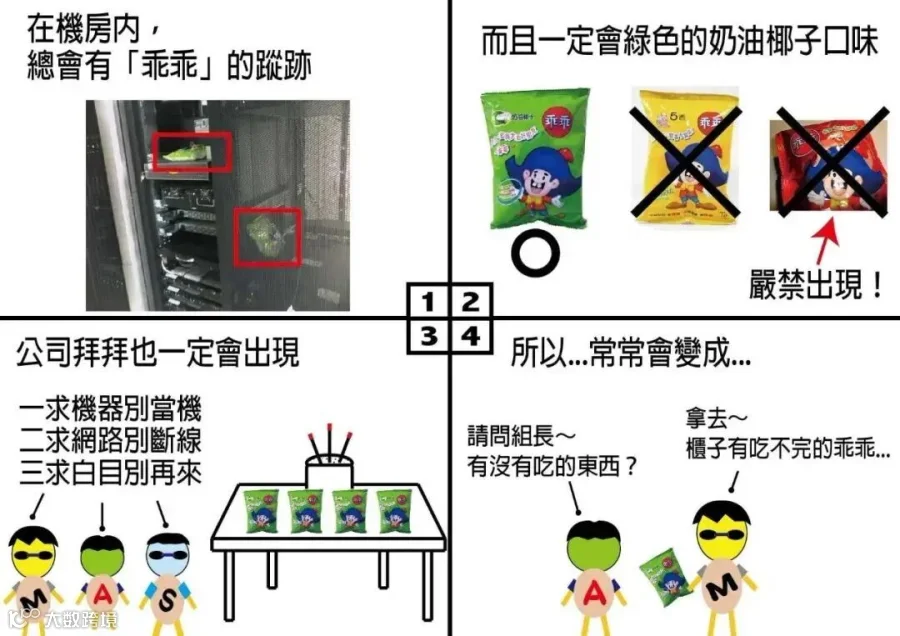
Although Kuai Kuai’s role in the tech workspace evolved organically, the crisps’ use is governed by a set of hard-and-fast rules. Kuai Kuai bags may come in three colours – the other two are yellow for five-spice and red for chocolate – but everyone knows that only the green bags can be used on machines. “Both yellow and red are colours that signal caution and alarm,” explains Leng.
尽管乖乖在技术工作区中的角色是自由发展的,但薯片的使用受到一系列严格规则的约束。乖乖包装袋可以有三种颜色-其他两种分别是黄色(代表五种香料)和红色(代表巧克力)-但人尽皆知的是,只有绿色的袋子才可以针对机器使用。“黄色和红色都是注意和警告的颜色,” 冷解释道。
The bags also cannot be used as amulets beyond their expiration date, so Leng says they are usually swapped twice a year – once during the start of the Lunar New Year, which normally takes place around February, and again during the Ghost Festival in July. And lest you think you can get away with displaying empty bags of Kuai-Kuai, those in the tech world say the snack shouldn’t be consumed, otherwise you technically void its protective warranty.
另外,这种整袋薯片过期后就不能当作护身符使用了,因此冷说,他们通常每年换两次-在农历新年之初(通常在2月左右),以及在7月的“鬼节”期间各进行一次更换。而且,也不要心存侥幸使用空袋子,科技界人士说,这种零食最好不要打开食用,否则它的保护性会失灵。
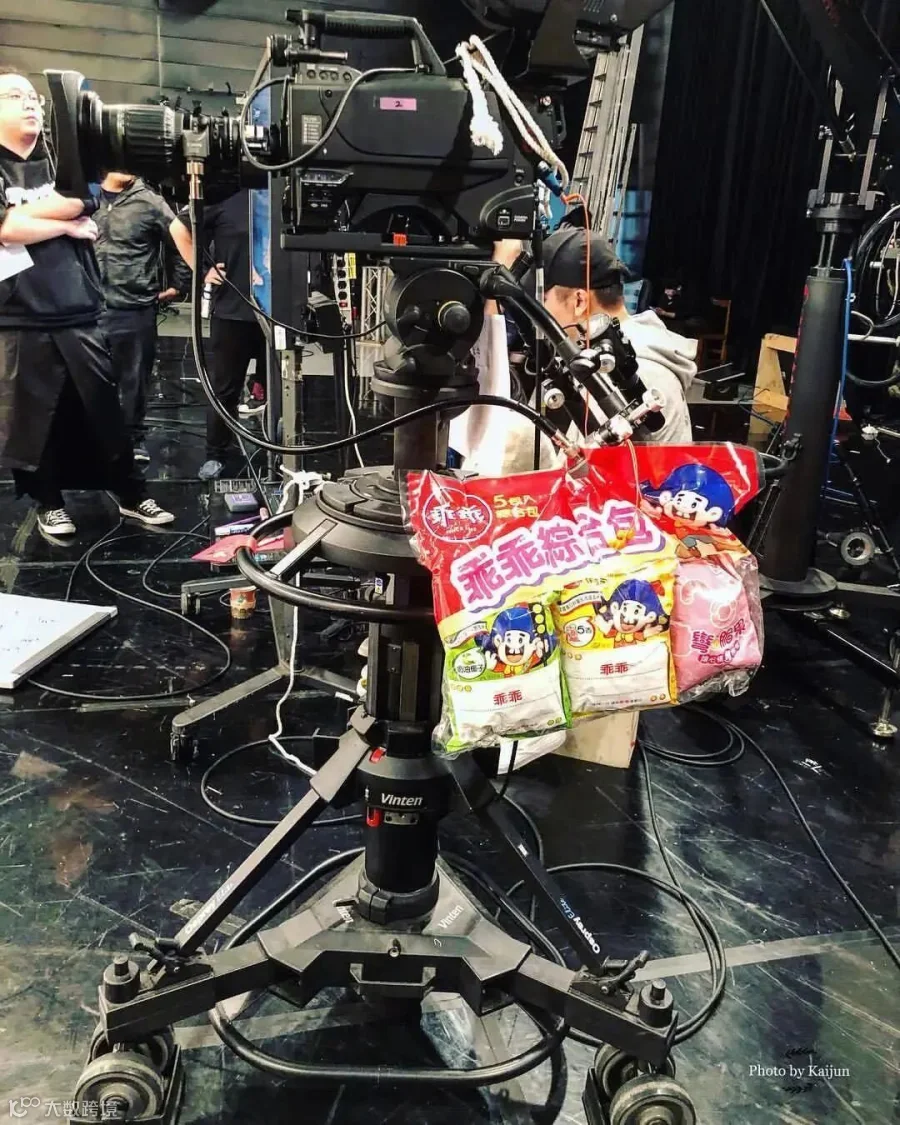
And it’s not just the tech sphere that relies on these good-luck charms; Irene Liao says bags of Kuai Kuai make their way overseas when performing artists go offshore and they need to make sure their equipment is protected.
不仅仅只有技术领域仰仗好运的庇护,廖若琳(Irene Liao)表示,当表演艺术家出国时,一袋袋的乖乖薯片就跟去海外,因为艺术家们需要确保自己的设备得到庇佑。
The power of ambiguity
模糊地带的力量
Kuai Kuai can even be found at Academia Sinica, Taiwan’s premier research institute. Ting Jen-Chieh, a research fellow who specialises in social psychology, confirms that the institute’s technicians have been laying out bags of Kuai Kuai since 2002. To discourage rodents, the Kuai Kuai bags are themselves protected by being kept in their boxes.
甚至台湾首屈一指的研究院,中央研究院也有乖乖的身影。专门研究社会心理学的研究员丁仁杰(Ting Jen-Chieh)证实,该研究所的技术人员自2002年以来一直在摆放整袋乖乖薯片。
Ting, who is attached to the Institute of Ethnology, believes the use of Kuai Kuai reflects several trends: that the practice was something that everyone wanted to try, that it was not viewed as illogical because everyone else was doing it, and that it was a ritual that everyone undertook because there was a genuine fear that without the bags, machines might actually break down.
民族学研究所的丁认为,使用乖乖反映了几种趋势:这是每个人都想尝试的东西,因为其他人都在这么做,所以没人觉得不合逻辑,并且这是每个人都进行的一种仪式,因为人们真的会担心害怕,要是没有整袋薯片,机器可能真的会崩溃。
“Some people may believe it, some may not, but we believe there is plenty of ambiguity between what is believable and what isn’t, which is why it continues to be done,” he says.
他说:“有些人可能相信,有些人不会,但我们认为,在可信与不可信之间存在很多模糊地带,这就是为什么它会一直存在的原因。”
Irene Liao is grateful that her father and grandfather’s legacy is so keenly appreciated by Taiwan’s workforce, especially since belief in the crisps’ power as a tech whisperer has helped the brand endure. “This is the only place in the world where a snack brand can become a cultural phenomenon. I cannot see that happening anywhere else,” she says.
廖若琳(Irene Liao)很感激她祖辈和父辈的产品受到台湾人追捧,尤其是因为大家信仰乖乖薯片有技术辟邪的力量,使得品牌得以延续。“这里是世界上唯一的零食品牌也可以凝聚成一种文化现象的地方。我在其他任何地方都没见过。”她说。
A tech whisperer:精通技术的专家。is an expert in technology and enterprise strategy and operations who can help executive teams leverage tech to transform their business, operate more erficiently, enter new markets, and develop game-changing products and services.
//
The End