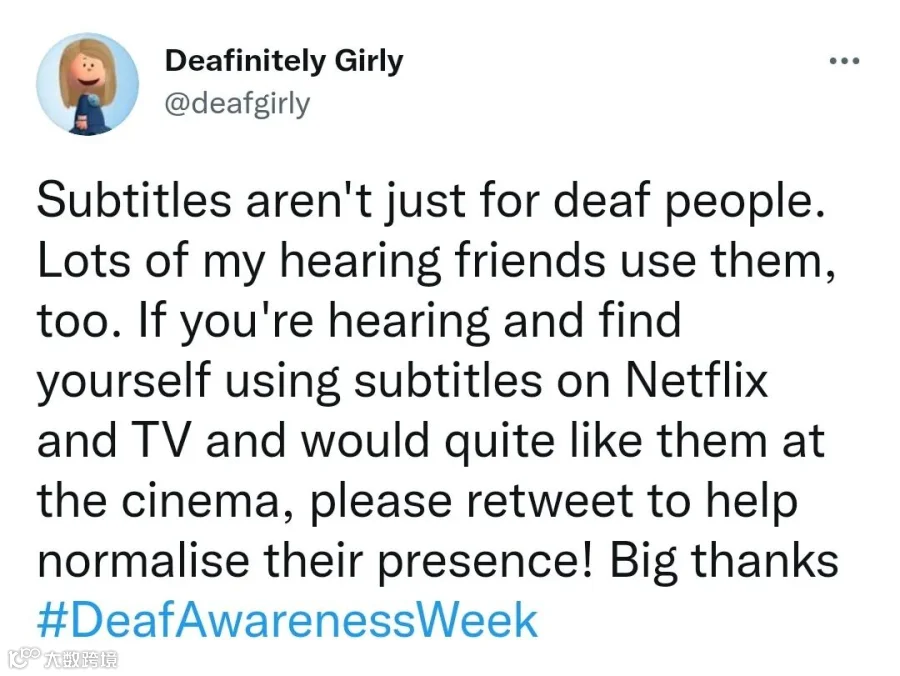
Subtitles aren’t just for deaf people,” read the tweet that started it all. “If you’re hearing and using subtitles on Netflix and TV, and would quite like them at the cinema, please retweet to help normalize their presence!”
一条引发热议的推文写道:“字幕不止为听觉障碍者服务。如果你看电视或者使用“网飞”观影时会借助字幕,就连看电影时也十分需要它们,那么请你转发这条推文,让字幕的存在常态化!”
This recent post by @deafgirly swiftly garnered close to 75,000 likes and a deluge of replies. “I was confused at first when I saw it had gone viral,” says the 30-year-old blogger and campaigner from London. “I was really pleased though, because there was overwhelming global support from people of all ages for subtitles. Even the people who said they didn’t really like them at the cinema said they’d tolerate them if it meant deaf people could attend more screenings.”
这条由@deafgirly swiftly最近发布的推文获得了将近75000个点赞和铺天盖地的回应。这个来自伦敦的三十岁的活动家博主说:“我一开始很疑惑,这样一条推文能够像病毒一样迅速传播,但我真的很满意,因为全球各年龄段的人们对于字幕鼎力支持。有些人即便不喜欢字幕,也表示如果字幕能帮助听力障碍者多看电影,他们也愿在电影院观影时容忍它们。”
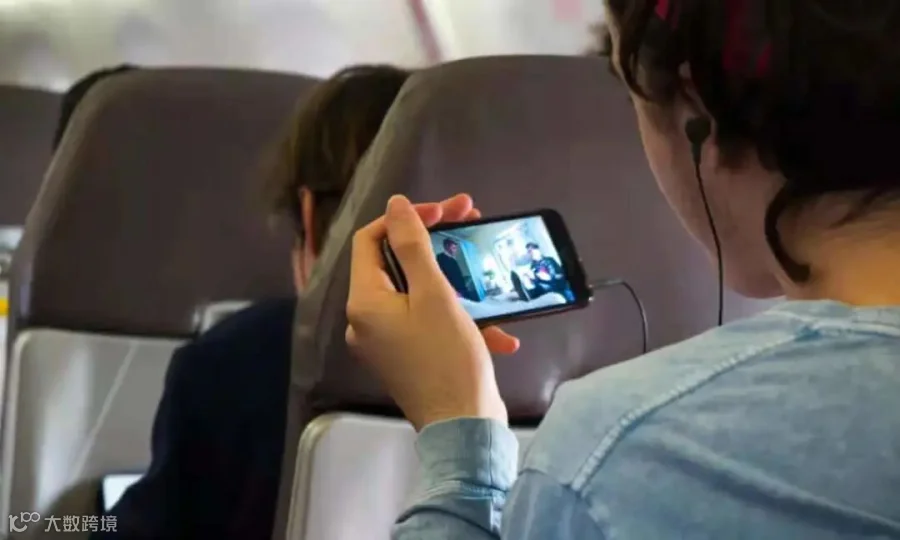
As the tweet and its many replies made clear, it’s not just deaf people who rely on subtitles. A startling Ofcom study from 2006 estimated that, of the 7.5 million UK TV viewers using subtitles, only 1.5 million had a hearing impairment. That figure may be 13 years old, but the regulator says: “Our understanding is that subtitle use has increased as the use of smart devices has increased, as more and more people watch programmesor videos on commutes.”
正如这条推文及其众多回复所说的那样,并非只有听力障碍的人才会依赖字幕。2006年,据英国通信管理局(Ofcom)一项令人震惊的研究估计,在750万使用字幕的英国电视观众中,只有150万人有听力障碍。这个数据可能是13年前的,但监管机构表示:“我们的理解是,随着智能移动设备使用增多,在通勤途中观看节目或视频的人越来越多,因此字幕的使用也在增多。”
Elsewhere, TV memes with captioned dialogue have become the norm on social media; No Context Twitter accounts – which divorce a show’s script from its original meaning – are springing up.
在其他地方,使用带有文字对话的表情包已经成为社交媒体上的常态; 断章取义的推特账号正在兴起,这些账号把电视剧的画面和它的原意分离开来。
译注:No Context / Out of Context Accounts refer to single topic social media pages, blogs, and accounts devoted to posting quotes and screenshots from pieces of popular media without the necessary clips to help the quote make sense, resulting in a phrase or moment the reader can interpret in ways not intended by the media.
“This sense of grabbing audiences’ attention through text rather than visuals led New York Times writer Amanda Hess to point out that “viral video-makers are reanimating some of the same techniques that ruled silent film over 100 years ago”.
这种通过文字而非视觉来吸引观众注意力的现象,让《纽约时报》作家阿曼达·赫斯觉得:“病毒式视频制作者正在复兴一些100多年前统领无声电影的技术。”
译注:viral video:病毒式视频是形容视频的片段贴上网际网路上后,获得极大的点阅率,犹如病毒似地在电子邮件和简讯中广为流传。
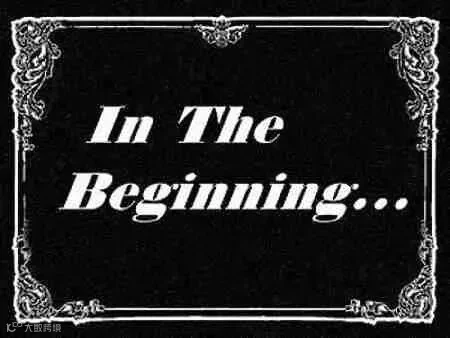
The first example of subtitles appeared in 1903, in Edwin S. Porter’s Uncle Tom’s Cabin. In fact, they weren’t even called subtitles, they were called “intertitles,” and they were shown as written signs printed on paper, then they were filmed and placed between sequences in movies.
1903年,埃德温·鲍特的《汤姆叔叔的小屋》中首次出现了字幕。事实上,它们甚至不叫字幕,而是叫“字幕卡”,是印在纸上的书面符号,然后被拍摄,插入电影画面中间。
译注:埃德温·鲍特(Edwin S. Porter),男,1870年4月21日出生于美国宾夕法尼亚州康奈尔斯维尔。导演、摄影师、制片、编剧。主要作品《基督山恩仇记》《不朽的城市》等。
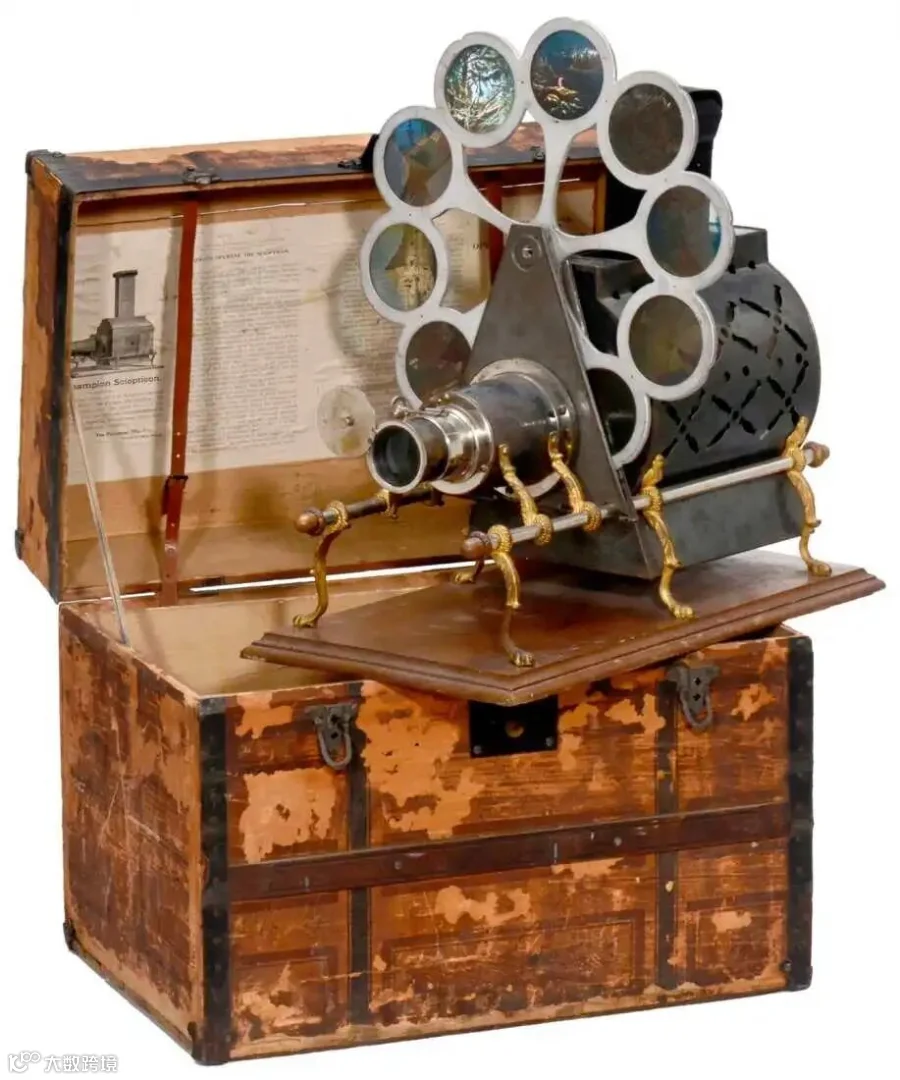
The first instance of a subtitle as we know them today came about in 1909 thanks to M.N. Topp, who filed a patent for “a device that would rapidly show titles for movies, apart from the images on the film strip.” With this method, the projectionist, with the help of a sciopticon, would show the subtitles under the intertitles.
我们今天所知道的字幕最早出现在1909年,这要归功于M.N.托普(M.N. Topp),他为一种设备申请了专利,这种设备除了胶片上的图像外,还可以快速显示电影的标题。有了这种方法,放映员会借助一种幻灯片投影仪(sciopticon)在字幕卡下面显示字幕。
Nowadays, social media is increasingly the lens through which people watch TV – and TV then pushes them back to social media. Deep within this feedback loop is a meme culture that means, if you’re quick enough to put a funny screengrab online complete with caption, you could be looking at likes and retweets well into five figures. And, of course, there are those No Context accounts that even programme-makers have dabbled in. Netflix’s official Twitter account for its show Sex Education is called “no context sex education” and just features grabs from the show.
逐渐地,社交媒体成为人们看电视的镜头,而电视又将他们推回到社交媒体。在这个反馈循环的深处是一种表情包文化,这意味着,如果你快速把一个有趣的截图及说明文字放到网上,你可能会看到五位数的赞和转发。当然,还有一些人,甚至是节目制作人都涉足了“断章取义”账户。Netflix《性爱自修室》官方推特账号名为“断章取义性教育”,其内容只是从节目中截取片段。
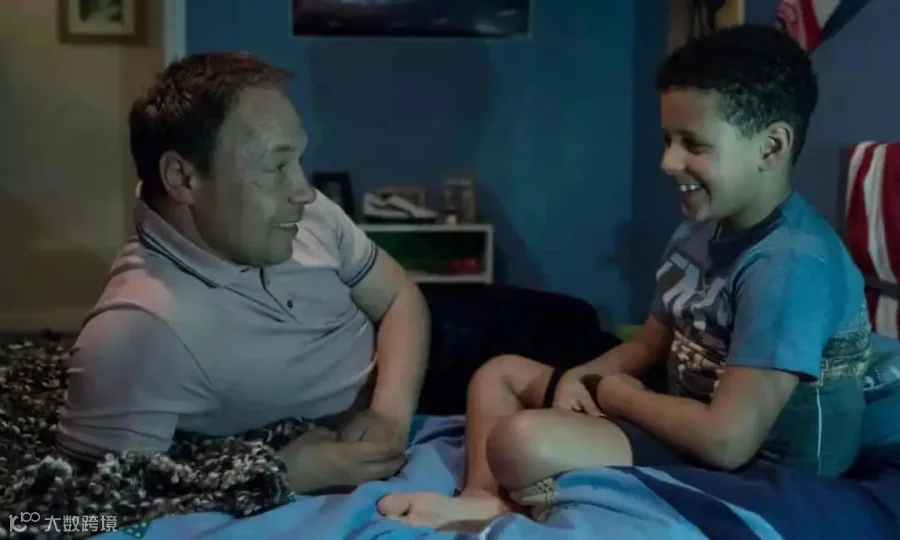
But what do deaf people think? Anna Gryszkiewicz was diagnosed with sensorineural hearing loss in her 20s and began using captions. Mostly, she sees the rise in captioning as a positive development: “It has been so much easier to find or to request captions today, compared to 15 years ago.” Deaf people, she adds, “have such an advantage living today”.
但是那些有听力障碍的人怎么想呢?Anna Gryszkiewicz在20岁的时候被诊断为神经性听力损失并开始使用字幕。在绝大多数情况下,她把字幕的兴起看成是一种积极的发展:“和十五年前比起来,现在要找到或者要求添加字幕已经容易得多了。”她补充道:“聋哑人生活在当代还是有很多便利的。”
The rise of big tech brings with it concerns over the quality of subtitling. YouTube uses often garbled, computer-made captions. “My main worry is the over-belief in technology, such as autocaptions,” says Gryszkiewicz. “We cannot lose sight of the social aspects of hearing loss. Language, communication and social interactions are complex. The effect of having hearing loss or being deaf is different from what hearing people imagine it to be – and the impact on communication is often underestimated. I hope our opinions are taken seriously when we try to explain what kind of accessibility is helpful and what isn’t.”
随科技飞速发展一起到来的还有对字幕质量的关注。You Tube 用的常常是被曲解的、电脑合成的字幕。“我担心的主要的是对科技的过度信任,比如说自动生成字幕,”Gryszkiewicz说,“我们不能忽视失聪带来的社会影响。语言、交流和社会互动是复杂的。听力损失或聋哑的效果与那些能听见的人想象的截然不同——而且这种现象对他们交流的影响也经常被低估。我希望我们的意见可以被认真对待,当我们试着去解释什么样的无障碍设施对我们来说是有帮助的,而什么不是的时候。”
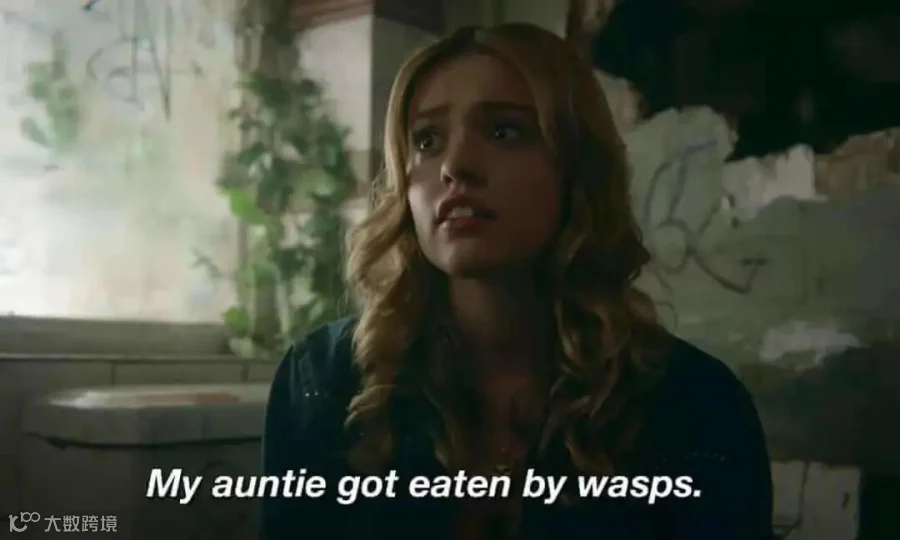
Programme-makers do have objections. Elliott Arndt, a director of music videos and short films, has aesthetic concerns about subtitles. “I like to use them as a graphic element of [a] composition.” he says. “But sometimes, I’d much rather have to do without and keep an unspoilt image. I just use it as a graphic, where it comes in to underline specific words at different moments. I think it’s hard to feel immersed in the picture if you’re having to read something that’s ‘on’ the picture.”
但节目制作人对此持有反对意见。艾略特·阿恩特是一个MV和微电影的导演,他对于字幕的美观问题产生担忧:“我喜欢把它们用作组成构图的元素和通用的信息工具。有时,我宁愿不加字幕,保持原片未受破坏的形象。我只在那些需要字幕在不同时刻强调特殊的字词时把它们作为图片的一部分。我认为,如果需要同时阅读照片上的文字,那么他们很难真正沉浸到照片呈现的场景中。”
Like many others, though, Arndt agrees that the mainstreaming of subtitles is doing more good than harm, making visual media more accessible, understandable and dynamic. “Making subtitles obligatory could be a really interesting way to push people to find a new system,” he says, “something that’s not going to ruin the visual experience but also could be more tailored to everyone’s needs.”
然而,正如其他许多人一样,阿恩特同意字幕主流化利大于弊,让视觉媒体更容易接触、理解并且生动,他说:“让字母强制性地存在确实是一种促使人们寻觅到新的系统的有趣方式,这并不会毁坏视觉体验,反而还能更贴合每个人的需求。”
“I find my deafness incredibly isolating at times,” Deafgirl says. “You miss out on jokes on social media videos, viral clips don’t mean anything, and you can’t follow the latest news that’s being live tweeted. Subtitles being universal would change that massively.”
“我发现听力障碍有些时候让我感到孤立无援,”最初发推的Deafgirl如是说,“你错过了社交媒体视频上的笑话,病毒视频什么意义也没有,而且你也跟不上那些在推特上直播的最新新闻。字幕的普及会在很大程度上改变这一切。”
字幕发展史
词汇
1、meme:表情包
2、sensorineural hearing losses :神经性听力损失
3、garbled:adj. (指信息)混乱的,引起误解的
例:I got a garbled set of directions.
原文链接:
https://www.theguardian.com/tv-and-radio/2019/jul/21/subtitles-tv-hearing-no-context-twitter-captions?CMP=Share_iOSApp_Other
https://blog.amara.org/2019/07/11/a-history-of-subtitles/
文案|姚汤嘉 王凯璐 王瑞菁 金灵依
排版|王凯璐