
全文共1928字,阅读时长约6分钟
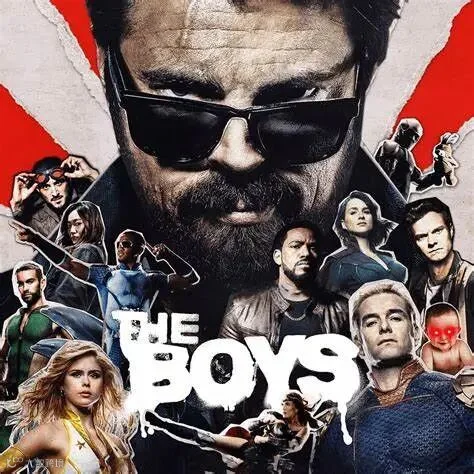
Comic book adaptation The Boys features a group of ‘supes’ who are mainly power-drunk self-regarding sociopaths

在订阅网络电视的时代,关于超级英雄的一种新的言论似乎已经爆发了:
由亚马逊公司委托制作的连续剧《黑袍纠察队》(The Boys)展现了一个超能力者和普通人共存的世界。火车头、深海、透明人等人隶属于全球最大的超级英雄公司沃特集团,表面上作为超级英雄的他们,实际上是在以偶像的身份帮助公司赚取难以计数的利润,甚至为了利益欺瞒众人,胡作非为。一个平凡男孩休伊的女友死于一场由火车头制造的意外。休伊不愿意接受沃特公司潦草的致歉和赔偿,决定替女友报仇,揭开这些超级英雄的真相。
《黑袍纠察队》消解了超级英雄身上的“英雄”的正义属性,揭示了我们对超级英雄的痴迷。你不得不反思超级英雄意味着什么?我们真的需要超级英雄吗?
撕下超级英雄的伪善面纱
The viciously sardonic tone of The Boys hits plenty of these nerves. The superheroes for the most part have too much power, are emotionally underdeveloped, and forever stepping on mortals. The heroes’ murderous glitches are covered up by Vought’s powerful PR department, which in turn demands the Seven toe a public line that presents them as shining examples of altruism.
《黑袍纠察队》中充满恶意嘲讽的语气印证了一些想法:大多情况下,超级英雄权力过大,但他们情感欠发展,一直都在践踏凡人。同时剧中,英雄们致命的失误会被沃特强大的公关部门掩盖,还在公众面前表现出利他主义的光辉榜样。
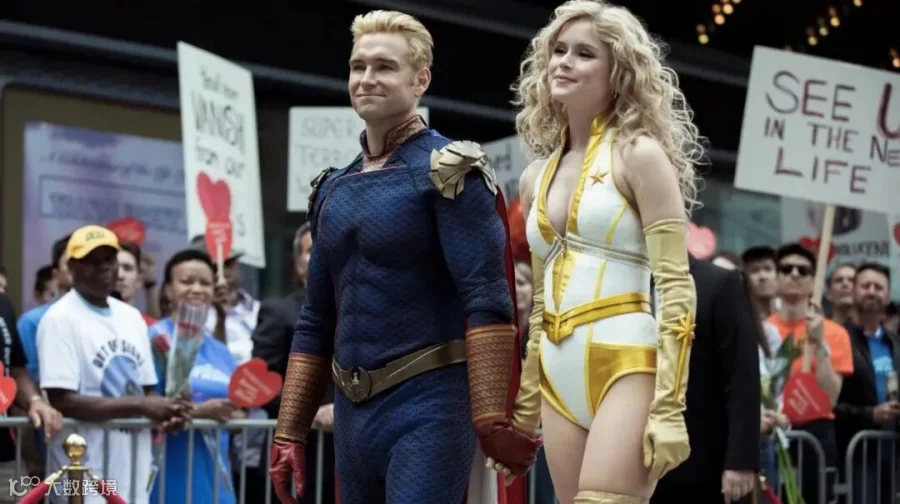
The Boys features a female superhero Starlight (right) who is forced into creating a ‘sexy’ public brand
The point being that hero narratives have become just another way for corporations to get their sinister hands on our unconscious and turn it against us for profit.
更关键的是,英雄故事已经成为企业恶意控制我们的潜意识,并借此对付我们以获利的一种方式。
超级英雄如何走下神坛?
No matter where you look geographically, or when you look historically, it seems that people have always been obsessed with heroes and gods.
纵观时空,人们似乎一直痴迷于英雄和神灵。
Chief among classics of cultural anthropology is Joseph Campbell’s famous The Hero with a Thousand Faces (1949), which argues the doctrine of voyage, struggle, and transformation. Almost anything involving fantasy elements, no matter what the medium, involves a protagonist battling against adversity to realise their hidden powers, the full expression of their magnificent selves.
美国神话学家约瑟夫·坎贝尔在其文化人类学经典著作《千面英雄》中提出,英雄传说都遵循一种远行、斗争和转变的范式。几乎任何涉及幻想元素的东西,无论何种媒介都涉及到上述学说:主角与逆境作斗争,以实现自身隐藏的力量,充分表达宏伟的自我。
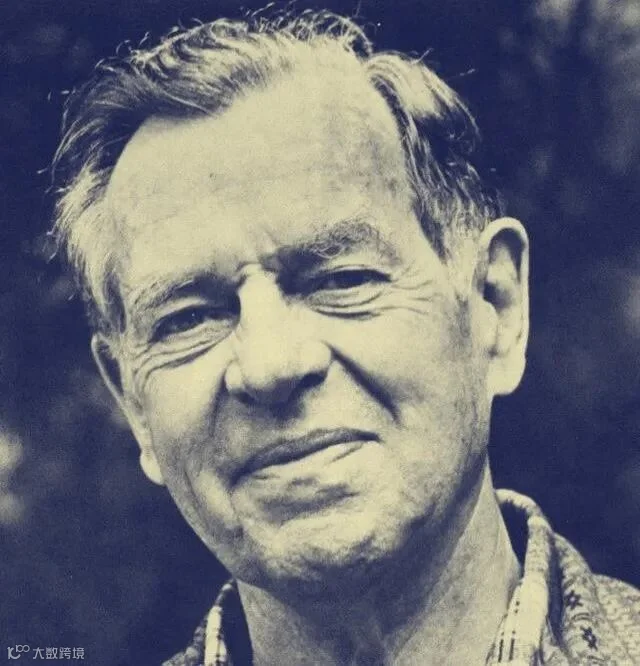
Joseph Campbell, a prolific American author and editor
In the golden age in the US, comics not only were widely read, but they were a medium that allowed much freedom of thought. However, in the 1950s, comics became the target of cultural scare-mongering. Many went out of business; those that survived agreed to uphold ‘American’ ideals of decency and masculinity. Thus the comic book industry began churning out one-dimensional muscle-bound male characters who tended to use brute force for ‘good’, while women were pushed into an ornamental role on the sidelines.
在美国的黄金时代,漫画这种媒介不仅受众广泛,而且对自由表达较为宽容。然而到了1950年代,漫画被指控散布文化恐慌。许多漫画公司因此倒闭,而那些侥幸存活下来的,幸存者则同意进行自我审查,转而宣扬“美国式”体面正派和阳刚之气。因此,漫画行业开始批量生产身材魁梧、喜欢使用蛮力“匡扶正义”的肌肉男,而女性角色则逐渐被边缘化,沦为“花瓶”。
超级英雄背后的营销陷阱
The presence of self-censorship in its DNA has made the comic book universe ripe for exploitation across global markets: the fewer sexual hot potatoes, the less inconvenient grit, the easier it is to sell films across cultures and over a large demographic. Thus, for example, you are unlikely to see many gay characters in Marvel Universe (MCU) films, because that might affect its box office take.
漫画DNA中自我审查的存在,使得漫画世界在全球市场上的开发时机已经成熟:性方面的热议问题越少,麻烦就越少,就越容易跨文化和在大范围人口中销售电影。因此,你不太可能在漫威宇宙的电影中看到许多同性恋角色,因为这可能会影响其票房收入。
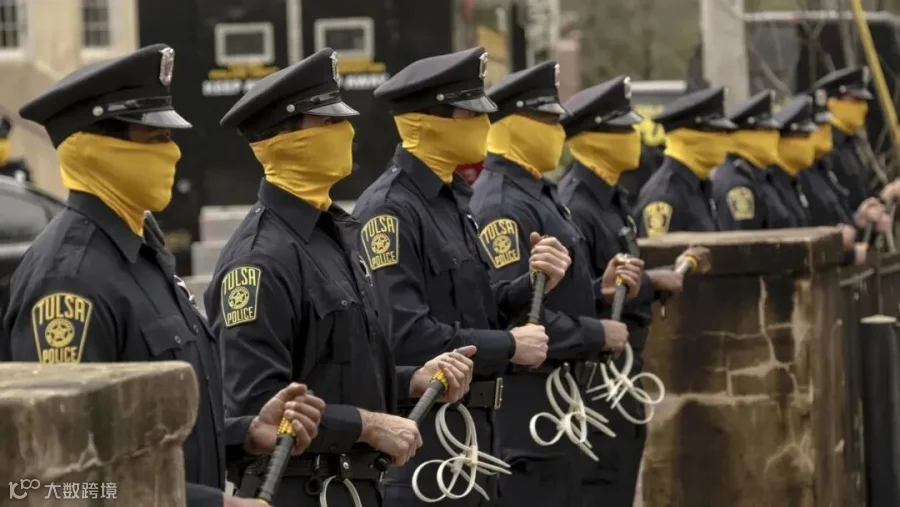
HBO’s Watchmen is one of the deeper and darker dramas that has questioned the very concept of superheroes
It’s not hard to see why we are saturated in comic book adaptations. They are a goldmine of things the TV and film industries want: readymade heroes; strong, readymade storylines; escapism galore; and big back catalogues that can be plundered.
不难看出为什么漫画改编已经烂大街了:因为它们是电视和电影行业想要的金矿:有现成的英雄;有完整的、现成的故事情节;提供大剂量的逃避现实效应;可反复挖掘系列库存故事。
Comic book and graphic novel adaptations are becoming an exploitation genre, and what’s being ruthlessly tapped into is our desire to have heroes to look up to. The ancient cultural phenomenon of heroics is being subtly subverted by media corporations and presented to us as ‘self-realisation’, the triumph of the ego, a perfect message for the age of consumer narcissism.
漫画书和漫画小说的改编正成为一种剥削类型,而被无情利用的是我们对英雄崇拜的渴望。古老的英雄主义文化现象正被媒体公司微妙地颠覆,并以“自我实现”、自我的胜利的方式呈现给我们,在消费者自恋时代传播这种信息堪称完美。
The pipe dreams of personal liberation and power have spread like a contagion through the global cultural imagination. Fantasy can lay claim to being the dominant genre of our age.
个人解放和权力的白日梦像传染病一样通过全球文化想象传播开来。幻想可以说已经是我们时代的主流媒介类型。
Do superheroes have a future in our dystopian age? There is something ugly in heroism. The Boys subverts Campbell’s epic plot points at every turn, exposing superheroism as a shiny marketing concept with no relation to human reality. It’s time it made way for some fallible 21st Century heroism, perhaps.
在如今反乌托邦的时代,超级英雄还有未来吗? 英雄主义中有一些丑陋的因素。《黑袍纠察队》颠覆了坎贝尔史诗般的情节,揭露了超级英雄主义是一个与人类现实毫无关系的闪亮营销理念。也许,是时候为21世纪一些容易犯错的英雄主义让路了。
重点词汇
protagonist:n. (电影、书的)主要人物
例:The chief protagonists in the row are Visa and Mastercard, the world's leading credit card brands.
这场纠纷的主角是世界两大信用卡品牌——维萨和万事达。
Bowdlerising:vt. 删除(书刊、剧本等中)有伤风化的词语或场面
例:
So it is with the bowdlerising of a World Bank report on pollution in China.
世界银行一份中国污染报告被删节的做法也是如此。
Jurisdiction: n.管辖权;管辖范围
例:
Despite the general nature of the district court's jurisdiction, they too are limited by geography.
尽管地区法院的管辖权一般性质的,他们也有地理限制。
Quintessence: n.精髓;典范
例:
Most idioms are of figurative language and their images are usually vivid and culture-specific. Idioms are the quintessence of a language.
习语大都是富于生动形象的语言,具有强烈的民族文化特征,是语言的精华。
原文链接:https://www.bbc.com/culture/article/20200903-why-we-no-longer-need-superheroes
编译 | 陈莲旖 陈俞彣 李海璇
排版 | 陈莲旖