
Apocalypse nowadays:
the new wave of films
about the end of the world
现代启示录:关于末日的电影新浪潮
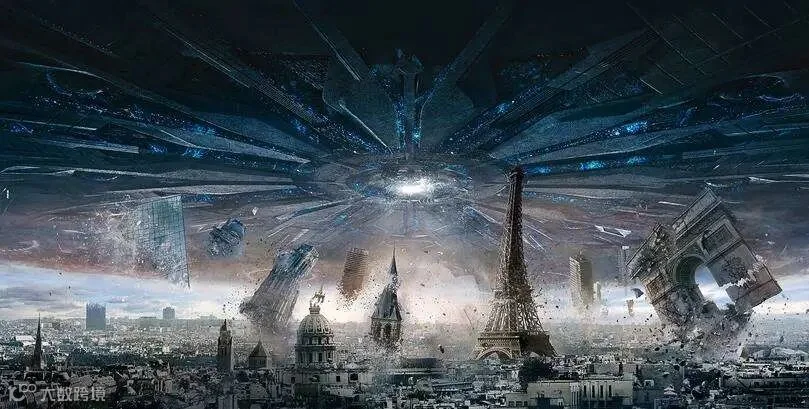
电影《独立日》
●●●
Which films kept you entertained over the holidays? Was it Silent Night, the sweary festive Britcom starring Keira Knightley? The courtroom drama Naked Singularity, with John Boyega as a crusading lawyer? Or did you watch Leonardo DiCaprio as a dorky astronomer in Don’t Look Up, a slapstick political satire? Whichever it was, I hope you poured yourself a large one, because none of those films are quite as light as they seem. All take place in the shadow of imminent Armageddon.
假期中,哪部电影让你最为中意?是凯拉·奈特莉主演的《平安夜》,这部骂骂咧咧的英国节日喜剧?是由约翰·波耶加饰演奋斗的律师的法庭剧《裸奇点》?又或者你看了莱昂纳多在《不要抬头》这部滑稽的政治讽刺片中饰演一个愚蠢的天文学家?不管是哪一部,我希望你给自己倒上一大杯,因为这些电影都不像它们看起来那么轻松。所有这些故事都发生即将降临的末日阴影下。
●●●
末日电影的转变
That’s right: the end of the world is nigh, and it’s no longer the preserve of megabudget disaster movies or bleak survivalist thrillers. These days the looming obliteration of our species can just as readily form the backdrop to some governmental mockery or a country-house drama.
没错,世界末日近在眼前,而且它不再是巨额预算灾难片或凄凉的生存主义惊悚片的专利。近来,人类的末日也可以作为一部政治讽刺片或乡村住宅剧的背景。
Why the sudden change? After all, existential catastrophe is hardly a new subject for Hollywood, which has been churning out such tales for the best part of a century. Historically, though, they have largely come in the form of razzle-dazzle showstoppers, be it during the original disaster-movie boom, with titles like When Worlds Collide, or more recent CGI-fuelled fare such as The Day After Tomorrow. The more muted end-times films have been generally been left to less popcorn-hungry countries like Russia (The Sacrifice), France (Time of the Wolf, Delicatessen) and Canada (Last Night).
为什么会有这种突然的变化?毕竟,对于好莱坞来说,关于人类存亡的灾难已经几乎不是一个新的主题。在上一个世纪的大部分时间,这样的故事不断地被创造。但从历史上看,它们主要是以一种令人炫目的形式出现的,无论是在最初的灾难片热潮中,如《当世界毁灭时》,还是最近的《后天》等以CGI为动力的影片中。较为平淡的末世电影通常被留给不太喜欢爆米花电影的国家,如俄罗斯的《牺牲》、法国的《狼族时代》、《黑店狂想曲》和加拿大的《最后一夜》。
But the mainstream movie industry has nonetheless made sure that even the most casual filmgoer will be well used to witnessing humanity’s spectacular destruction. We’ve seen it carried out by deranged scientists and comic-book villains, by robot uprising and cosmic collision, by viral outbreak and biblical flood, by dragons, birds and talking monkeys.
但是,主流电影业还是确保了即使是最漫不经心的的电影观众也会习惯于目睹人类毁灭的壮景。我们见过疯狂的科学家和漫画式的恶棍,见过机器人起义和星球碰撞,见过病毒爆发和圣经中的洪水,还有龙、凤凰和会说话的猴子等。
And unsurprisingly, a genre predicated on the ultimate worst-case scenario has tended to reflect the anxieties of the time. Invasion of the Body Snatchers offered an allegory for McCarthyism; Steven Spielberg’s War of the Worlds, with its nightmarish urban devastation, was the first truly post-9/11 blockbuster; Wall-E sounded the alarm about mass consumerism. The genre itself initially mushroomed during the cold war, when “mutually assured destruction” became a household phrase.
有一点倒是不让人奇怪,一个以最终的最坏情况为前提的类型片,往往会反映出当时社会的焦虑情绪。《天外魔花》是麦卡锡主义的寓言;史蒂文·斯皮尔伯格的《世界大战》以其噩梦般的城市大破坏,成为第一部真正意义上反映911事件的大片;《机器人总动员》为大众敲响了消费主义的警钟。这样的类型片本身在冷战期间如泉涌般出现,当时"相互确保毁灭"成为一个家喻户晓的词。
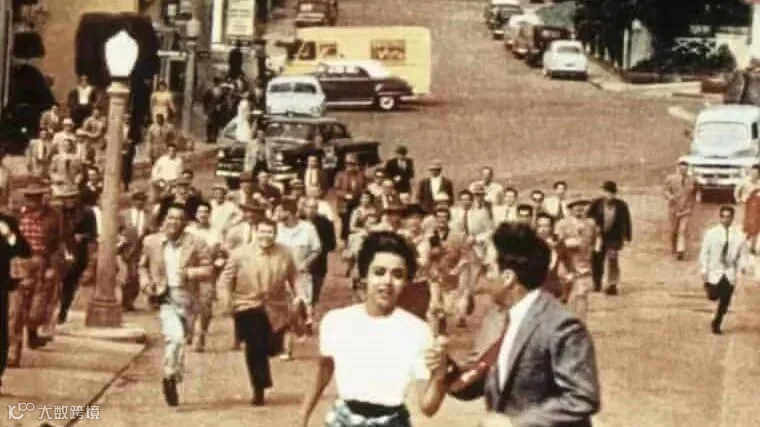
电影《天外魔花》
末日电影新浪潮
Now it’s exploding again. According to the Wikipedia page listing “apocalyptic films”, there were more additions to the genre in the past decade than the previous two combined. In the last year alone the destruction of our planet has been either realised or threatened in sci-fi extravaganzas, family tearjerkers and chirpy animated romps.
现在末日电影潮又开始爆发了。根据维基百科列出的"世界末日电影"页面,过去十年中该类型的电影数量比往前两十年的总和还要多。仅在去年,我们星球的毁灭就在科幻大片、家庭催泪片和有趣的动画片中得到了实现。
This year will bring more of the same: slated for TV are two cheerless visions of post-viral dystopia, The Last of Us and Station Eleven. At the cinema, we’ll get the big-screen pageantry of Moonfall from disaster impresario Roland Emmerich, and a Noah Baumbach adaptation of Don DeLillo’s eco-fiasco novel White Noise.
今年将会出现更多相同的内容:计划在电视上播放的是两部关于后病毒时代的反乌托邦作品:《最后生还者》和《第十一站》。在电影院,我们将看到灾难大师罗兰·艾默里奇的巨幕电影《月球陨落》,以及由诺亚·鲍姆巴赫执导,改编于唐·德里罗的生态火灾小说的《白噪音》。
But before all that, treat yourself to the best film of the festive season: The Humans, an understated chamber piece in which a dysfunctional family gather for Thanksgiving under a distinct atmosphere of – you guessed it! – creeping existential dread. The real drama, though, lies in the bickering of rival siblings, senile grandparents and sozzled patriarchs. It’s more evidence that end-times anxiety can now be treated as mundane, off-screen, secondary to the domestic fallout: call it kitchen-sink nihilism.
但在这之前,请欣赏一下节日里的最佳影片——《人类》。这是一部低调的室内片。片中,一个纷乱复杂的家庭在感恩节时聚会,然而恐惧感在悄悄蔓延。不过,真正的戏剧性在于敌对的兄弟姐妹、年迈的祖父母和昏昏沉沉的父辈们这三代人的争吵。这更证明了一点,末世焦虑现在可以被视为平凡的、生活化的,甚至仅次于家庭纷乱的,我们可以称之为厨房水槽式的虚无主义。
It’s a long way from the cigar-chomping triumphalism of Armageddon and Independence Day – both certified artefacts of Clinton-era America – but maybe this trend for quietly apocalypse-adjacent storytelling is to be expected in an era when the real-world headlines tell of survival bunkers, fire tornadoes and doomsday glaciers.
这与《世界末日》和《独立日》这样叼着雪茄的胜利主义相去甚远(这两部电影都被认可为克林顿时代有代表性的美国文化产品),但也许在一个头条新闻讲述生存碉堡、火龙卷风和末日冰川的时代,这种悄悄地与世界末日相联系的叙事趋势是可以预见的。

电影《不要抬头》
反思
Dr Strangelove’s breakneck bomb-ride was the response to a world where nuclear decimation could arrive at any moment; maybe this new mode of restraint reflects a reality where the unthinkable seems to be unfolding bit by bit, a matter of glum inevitability. Adam McKay’s climate-change satire Don’t Look Up takes its lead from Kubrick’s movie, invoking the apocalypse as an act of ridicule towards a complacent political class. But six decades on, the tone has shifted from anarchic glee to resigned exasperation. “Maybe the destruction of the entire planet isn’t supposed to be fun,” says Jennifer Lawrence’s scientist. “Maybe it’s supposed to be unsettling.”
《奇爱博士》的快速轰炸是对核毁灭随时可能到来的世界的回应;也许这种新的抑制模式反映了这样一个现实——不可想象的事情似乎正在一点一点地展开。这是一个阴郁的,却不可避免的问题。亚当·麦凯的气候变化讽刺片《不要抬头》以库布里克的电影为线索,将世界末日作为对自满的政治阶层的嘲讽。但六十年过去了,电影的语调已经从无政府主义的欢愉转变为不甘心的愤懑。詹妮弗·劳伦斯饰演的科学家说:"也许整个地球的毁灭不应该是有趣的。也许它应该是令人不安的。"
It’s a credo that unites this current crop of films, which all provoke angst rather than excitement, defeatism rather than hope. This is the way the world ends: not with a bang, but a shrug. Or as Arnold Schwarzenegger grumbles in End of Days, while the scenario of the title closes in: “We have some real serious problems here – and we’re not solving any of them!” And when it comes to the annihilation of humankind, there’s a man who knows what he’s talking about.
这是一个将当前这批电影联合起来的信条,它们都引发了焦虑而非兴奋,都带来了失败主义的思想而非希望。这就是世界末日的方式:不是轰轰烈烈,而是耸耸肩。或者正如阿诺德·施瓦辛格在《魔鬼末日》中抱怨的那样,标题中的场景正在逼近。"我们有一些真正严重的问题,而我们还没着手解决任何问题!"当涉及到人类的毁灭时,该有人知道他在说什么。

电影《平安夜》
●●●
重点词汇
apocalypse
1.[ sing.U] the destruction of the world 世界毁灭
例:Civilization is on the brink of apocalypse. 文明已濒临毁灭的边缘。
2.the Apocalypse [ sing.] the end of the world, as described in the Bible (《圣经》所述的)末世
3.[ sing.] a situation causing very serious damage and destruction 大动乱;大灾变
例:an environmental apocalypse 环境大灾变
nihilism
1.the belief that nothing has any value, especially that religious and moral principles have no value 虚无主义
例:Nihilism rejects any objective basis for society and its morality.
虚无主义拒绝任何客观依据,为社会和道德准则.
dysfunctional
1.not working normally or properly 机能失调的;功能障碍的
例:children from dysfunctional families 有缺陷家庭的子女
原文链接:
https://www.theguardian.com/film/2022/jan/03/apocalypse-nowadays-the-new-wave-of-films-about-the-end-of-the-world?CMP=Share_iOSApp_Other
编译 | 刘铸
排版 | 刘铸