图源:www.bing.com
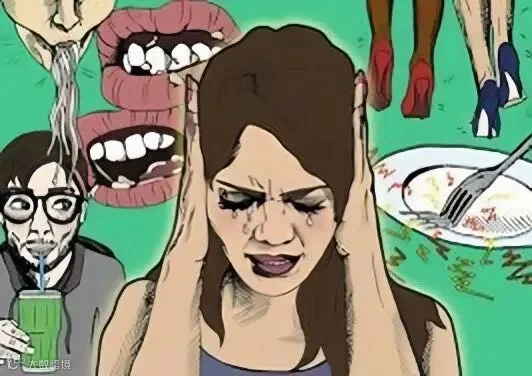
听到指甲刮过黑板的声音,你是否会起一身鸡皮疙瘩?这样的声音,对大多数人来说都是无法忍受的。但对某些人来说,即便是轻微的敲键盘声、咀嚼声、呼吸声,也有可能让他们感到抓狂——这就是传说中的“厌音症”。
全文字数:2835字 / 阅读时间:9分钟
1
揭露厌音症:一个看不见的挑战
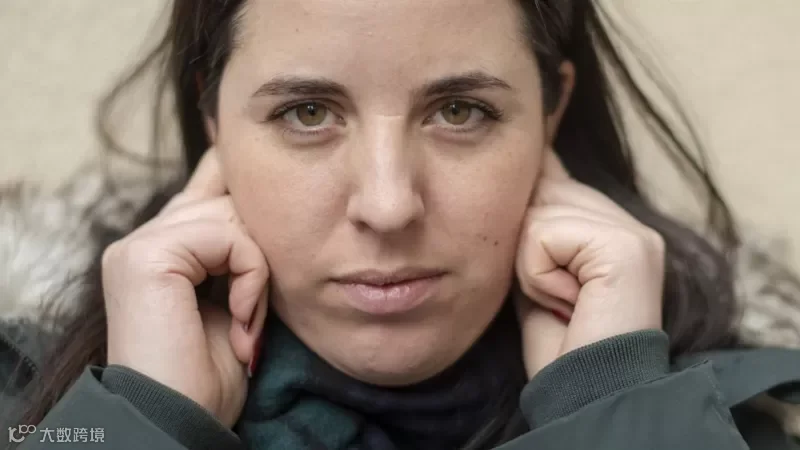
Misophonia, also known as “sound phobia,” is a neurological condition characterized by a strong emotional reaction to everyday sounds like eating, typing on a keyboard, or coughing. Misophonia patients experience strong negative emotions ranging from mild annoyance to intense rage or fear and panic when they hear these sounds.
厌音症,也被称为“声音恐惧症”,是一种神经系统疾病,其特征是对日常声音有强烈的情绪反应,比如吃饭、敲击键盘或咳嗽等。厌音症患者听到这些声音时会有强烈的负面情绪,从轻微的烦躁到强烈的愤怒或恐惧。
Those suffering from this condition frequently experience social isolation due to their inability to cope in environments with loud noises or conversations.
患有这种疾病的人经常感到孤独,因为他们无法面对嘈杂的噪音或谈话环境。
图源:www.bbc.com
1
快来自检,看看自己是否患上了厌音症:
点击空白处查看选项
● 我不想离开家,因为无法忍受外面的某些噪音。
● 我对人们咀嚼的声音感到厌烦,特别是吃饭吧唧嘴。
● 坐在伴侣旁边时,他发出的声音让我呼吸急促、坐立不安、咳嗽。
● 人们打呼噜或清清嗓子时,我会无法忍受。
● 我讨厌看到人们重复他们的动作。例如,转笔、轻拍手指或摆动腿。
● 工作时,我觉得风扇或冰箱的声音很刺耳。
● 即使是狗吠叫、风或树木之类的自然声音也会让我抓狂。
● 和某人一起生活很困难,因为日常噪音会刺激我,例如走路或在电脑上打字。
● 我需要一个无声的时钟,因为我无法忍受和一个滴答作响的时钟呆在一起。
● 当我知道我将在一个声音无法忍受的房间里时,我会感到紧张。
● 由于我的敏感性,我很难在开放式办公室工作。
● 我在社交上孤立自己,以找到更多的内心平静。
● 我感到内疚,因为尽管我喜欢我的朋友和室友,但我对他们发出的声音感到厌烦。
● 一想到有些人有多自私,我就很生气,因为他们没有意识到自己制造了多少噪音。
● 我觉得有必要要求人们不要发出某些声音(例如敲键盘),但我缺乏这样做的信心。
● 我已经尝试了从耳塞到营养补品的所有方法,但没有一个奏效。
● 我试图寻求帮助,但传统医生不了解我的问题。
如果你有以上六到八种症状,那就有必要去参加官方的厌音症测试或评估,看看你是否能得到诊断。
2
厌音症的成因
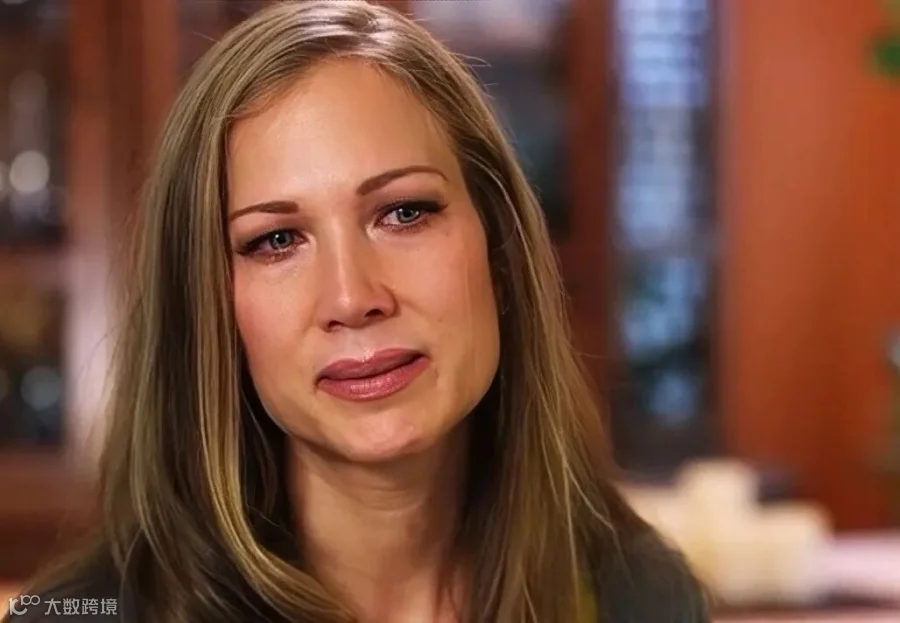
Misophonia is a neuro-otological condition in which the brain interprets certain auditory stimuli as threats. Pawel and Margaret Jastreboff, two American otolaryngologists, first described the condition. They discovered that some people experienced high levels of irritability, elevated heartbeat, muscle tension, and sweating in response to sounds such as chewing, keyboard typing, and coughing, as well as other stress responses and strong negative emotions.
厌音症是一种神经耳科疾病,其患者的大脑会将某些听觉刺激当作威胁。美国耳鼻喉科医生Pawel和Margaret Jastreboff首次阐释了这种情况。他们发现,一些人在听到咀嚼、敲击键盘和咳嗽等声音时,会表现出高度的易怒、心跳加快、肌肉紧张和出汗,以及其他压力反应和强烈的负面情绪。
图源:www.funx.nl
Although the precise cause of misophonia is unknown, there are several theories. Some speculate that it is related to central nervous system hypersensitivity or overactivation of specific brain regions in response to auditory stimuli.
虽然厌音症的确切病因尚不清楚,但有几种假设。一些人推测,这与中枢神经系统过敏或大脑特定区域对听觉刺激的过度激活有关。
Interestingly, some recent research has discovered a link between misophonia and having a hypersensitive and highly activated mirror neuron system(MNS) (Kumar et al., 2021; The motor basis for misophonia). It stands to reason that there could be a link between hyper-empathy as a trait and misophonia.
有趣的是,最近的一些研究发现厌音症与高度敏感和高度激活的镜像神经元系统*之间存在联系。有理由认为,厌音症和“超同理心”这种心理特征是有关系的。
译注:镜像神经元系统是一种由神经元组成的神经系统,也是负责情感共情的机制,人们认为它可以让人类和其他动物识别、理解和同情他人的行为。
Many people with borderline personality disorder have a highly active mirror-neurons system (Z Sosic-Vasic, 2019), making them more vulnerable to emotional contagion and influenced by other people’s feelings, particularly negative ones. It’s not surprising, then, that people who have borderline personality disorder might be more likely to suffer from misophonia.
许多边缘性人格障碍患者都有高度活跃的镜像神经元系统,这使得他们更容易受到情绪感染,也更容易受到他人感受(尤其是负面感受)的影响。因此,边缘性人格障碍患者更有可能患有厌音症也就不足为奇了。
Other theories suggest that psychological factors such as childhood noise exposure, trauma, or even a genetic predisposition may cause misophonia.
其他理论认为,心理因素(如童年时长期暴露在噪音下、心灵创伤,甚至遗传倾向)也可能导致厌音症。
3
五花八门的厌音症疗法
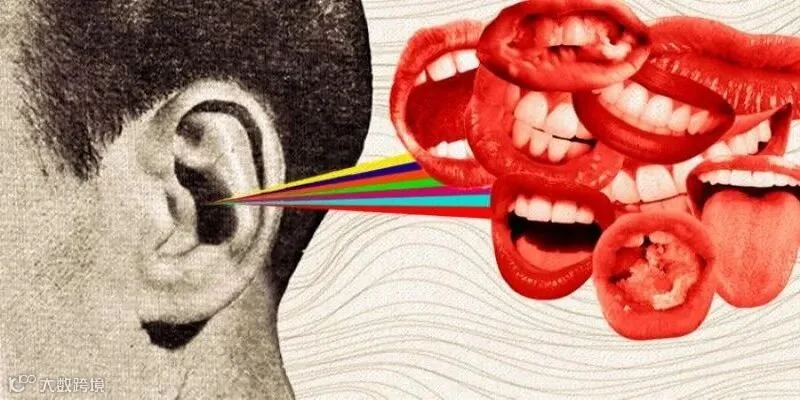
There is no magic formula for locating the best misophonia treatment. Cognitive behavioral therapy is one of the most commonly prescribed treatments for misophonia by doctors. Cognitive behavioral therapy teaches patients how to understand their reactions to different sounds and how to better manage those reactions. Medications might also be used to alleviate the anxiety symptoms associated with misophonia. Other therapies include sound therapy, music therapy, and lifestyle changes such as avoiding trigger sounds and, if necessary, using noise-canceling earplugs or headphones.
厌音症治疗并没有什么特效药。认知行为疗法是医生最常用的治疗厌音症的方法之一。该疗法教会患者如何理解他们对不同声音的反应,以及更好地管理这些反应。药物也可以用来缓解与厌音症相关的焦虑症状。其他治疗方法包括声音疗法、音乐疗法和改变生活方式(如隔绝一些声音,有必要还可以使用降噪耳塞或耳机)。
图源:www.elmeezan.com
The above measures are not useful to everyone. Tinnitus retraining therapy is another treatment option (TRT). TRT combines counseling and sound therapy to retrain the brain so that the individual can cope better with their condition. The steps of this treatment are simple, but success requires consistency and commitment.
上述措施并不是对每个人都有用。耳鸣再训练疗法是另一种治疗方法。该方法结合了咨询和声音治疗,以重新训练大脑,使个人能够更好地应对他们的情况。这种治疗的步骤很简单,但需要持之以恒才会见效。
Mindfulness and meditation techniques, such as mindfulness-based stress reduction, are another option for treating misophonia symptoms.
还有一种治疗选择是正念*和冥想技巧,如正念减压疗法。
译注:正念,是一种精神训练的方法。在这种精神训练中,强调的是有意识地觉察、将注意力集中于当下,以及对当下的一切观念都不作评判。
4
接纳自己所有的特质
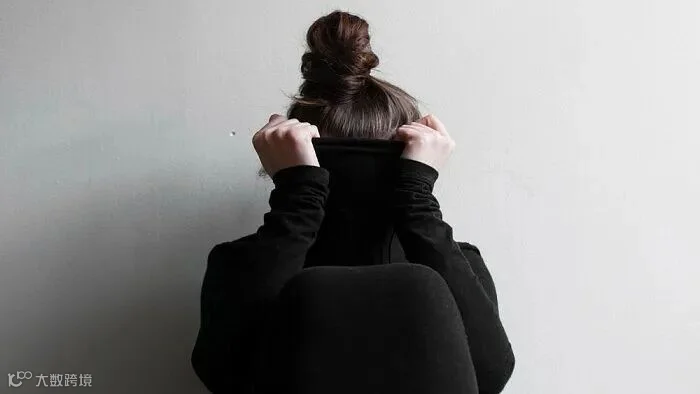
Having an invisible challenge like misophonia can be extremely isolating. There are no physical signs to alert those around them to what they are going through.
厌音症这种看不见的病会让人极度孤独。患者身上没有任何迹象能告诉周围的人“他们正在经历什么”。
When you have misophonia, social interactions become difficult. The sense of exclusion from society can be exacerbated if you do not have access to support systems that understand your challenges. You may also face stigma from family members or peers who believe you exaggerate your symptoms or use them as an excuse if you have misophonia.
厌音症患者的社交会变得困难。如果患者无法获得他人的理解和支持,被社会排斥的感觉就会加剧。患者可能还会面临来自家人或同龄人的羞辱,认为你夸大自己的症状,或者认为你把这些症状当作借口。
Your family may not fully comprehend misophonia, but it is worthwhile to speak with them and show them official documents or sources that demonstrate what you are experiencing. Even if they are unable to help you directly, their understanding can make you feel more supported. As much as possible, inform them that this is a neurological condition, not a conscious choice. You are not attempting to be difficult on purpose!
患者的家人或许不能完全理解厌音症,但患者可以与其交谈,并向其展示官方文件或来源,以证明自己正在经历的事情值得被关注。即使家人不能直接帮助患者,但其理解也会让患者感到更多的支持。尽可能多地告诉他们,这是一种自己不能控制的神经系统疾病,自己不是故意刁难他们的!
There is no need to feel guilty or ashamed for honoring your needs. If you need a quiet place to work or time away from the noise of the world, you have the right to do so. You are not causing harm to anyone.
没有必要为满足自己的需求而感到内疚或羞愧。如果你需要一个安静的地方工作或远离世界的喧嚣,你有权利这样做,这不会给任何人带来伤害。
图源:www.lrt.lt
When you have misophonia, it is critical to be organized and prepared for triggers. This includes making sure you use noise-canceling headphones or limiting your time in noisy places.
当你患有厌音症时,有条不紊地排除诱因是至关重要的,包括确保使用降噪耳机或限制在嘈杂场所的时间。
Every individual is unique. You may need to try different things to figure out what works best for you.
每个人都是独一无二的。你可能需要不断尝试,以找出最适合自己的方法。
Most importantly, remember that having misophonia does not imply that there is something fundamentally wrong with you. No one should ever feel ashamed or embarrassed because their needs differ from those around them; instead, appreciate yourself for all of your qualities, even if some of them are inconvenient.
最重要的是,请记住,厌音症并不意味着你有什么大问题。任何人都不应该因为自己的需求与周围的人不同而感到羞愧或尴尬;相反,应该接纳自己所有的特质,即使其中有些不太方便。
重点词汇
contagion. the spreading of ideas, or attitudes, or feelings that you consider to be bad or unacceptable from one group of people to another (不良思想、态度、感情等的)传播,蔓延
【例句】Recently, more and more economists and physicists are committed to the research of investor sentiment contagion by complexity theory and have built many models.
trauma. any physical damage to the body caused by violence or accident or fracture etc (心理、精神上的)创伤;外伤;
【例句】She spoke for the first time about the traumas of a broken marriage.
stigma. feelings of disapproval that people have about particular illnesses or ways of behaving 耻辱,羞辱
【例句】Unfortunately, there's still a stigma attached to mental illness.
原文链接:
https://www.psychologytoday.com/us/blog/living-with-emotional-intensity/202212/unmasking-misophonia-an-invisible-challenge
https://www.bbc.com/ukchina/simp/48676842
https://www.sciencedaily.com/releases/2021/05/210524110143.htm
https://www.psychologytoday.com/intl/blog/noises/202001/finding-the-misophonia-gene
编译 | 吾丽巴丽亚
排版 | 吾丽巴丽亚