
什么是利他主义?

Altruism is the selfless act of helping others without expecting anything in return.
利他主义是不求回报无私地帮助他人的行为。
Brazenly announcing one’s virtue typically invites scepticism rather than adulation. Even children take such self-serving claims with a pinch of salt, attaching a higher moral value to individuals who perform good deeds in private rather than bragging about them in public. Experiments with adults find that the perception of someone’s generosity is downgraded when they broadcast their good deeds on websites such as Facebook.
通常来说,“厚颜无耻”地宣扬自己的德行会招致怀疑而非恭维。就连孩子也会对这种自我的鼓吹半信半疑,认为默默做好事的人比公开吹嘘的人更加道德高尚。对成年人展开的研究实验发现,当一个人在 Facebook 等网站上宣传自己的善行时,人们对他的慷慨便持有怀疑。
Nicest feeling in the world is to do a good deed anonymously – and have somebody find out.
世界上最美好的感觉就是默默无名地做一件好事,然后被人发现。
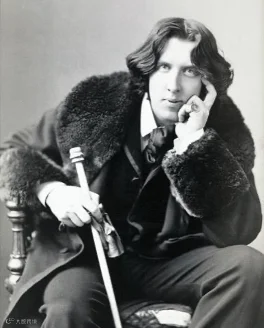
Oscar Wilde(王尔德)
由匿名捐款看利他主义
早在 2010 年,筹款平台Just Giving就计算出,在该平台上分享的筹款页面上, Facebook 上的每一个赞都能带来大约 5 英镑的额外捐款。受这些数据的启发,该团队试图鼓励捐赠者在捐赠后立即在 Facebook 上分享他们朋友的求助筹款页面。
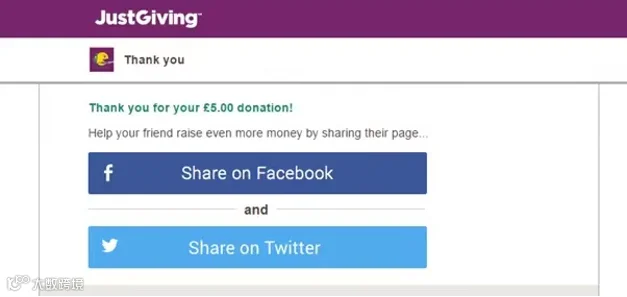
But people seemed to find sharing their beneficence cringeworthy and were reluctant to pat themselves on the back in such a public forum.
但人们似乎觉得分享自己的善行是不光彩的,不愿意在这样的公共论坛上表扬自己。
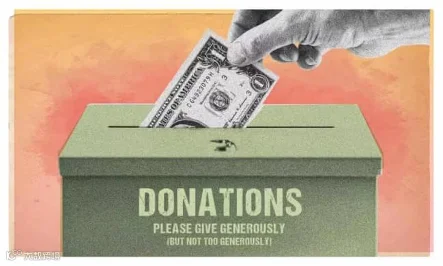
People were more likely to donate anonymously when they were making very small donations but also when they were making excessively large donations. The desire to avoid being perceived as a braggart can also deter people from telling others that they’ve donated to charity.
当捐款数额很小的时候,人们更倾向于匿名捐款;捐款数额过大时,人们也愿意匿名。有些人为了避免被贴上自吹自擂的标签,还会阻止身边的人告诉大家他们捐款的事。
为了鼓励捐赠者在社交媒体上分享自己的善行,Just Giving团队进行了一项实验,总结出一些效果不一的宣传标语:
无效鼓励:
You’re an amazing person. Share your donation!
你是个了不起的人,分享你的捐款吧!
Think your friends might care about this too?
你的朋友可能也会关心这项捐款?
有效鼓励:
Help your friend raise even more money by sharing the page!
通过分享,帮助你的朋友筹集更多的钱!
This message works because it gives people the permission to advertise their good deed, while maintaining their own sense that they are doing it for the right reasons: to help a friend rather than to show off. This simple change in wording increased the tendency to share to Facebook by 28%, leading to an estimated £3m increase in charitable donations over a single year.
这条信息之所以有效,是因为它允许人们宣传他们的善行的同时肯定他们的初衷,即他们拥有正当的原因这么做:出于帮助朋友而非炫耀。这一简单的措辞改变使 Facebook 的用户分享率提高了 28 %,一年内慈善捐款增加了约300万英镑。
为什么我们会羞于行善?
There is an unscientific explanation for all of this, but which nevertheless makes it easy to understand: humans are intuitive bullshit detectors. We don’t take actions at face value. Instead, we attempt to look under the bonnet to ascribe thoughts, emotions, beliefs and desires to the person performing the behavior.
对此,有一个不太科学但易于理解的解释:人类是天然的废话探测器。我们不接受行动的表面价值。相反,我们试图透过现象看本质,把思想、情感、信仰和欲望归结到实施行为的人身上。
这种分析最早起源于婴幼儿:
Before the age of five, children don’t really know or care what other people think of them and don’t attempt to curate their own reputation at all. It is only when they are around eight years old that children start to understand fully how their actions make them look and to interpret other people’s prosocial behavior in terms of self-serving motives.
五岁之前的孩子并不关心他人的看法,也并不管理自己的声誉。只有八岁左右的孩子才开始真正理解自己的行为和别人对自己的看法的关系,并开始从自我行为的动机方面来解释他人的亲社会行为。
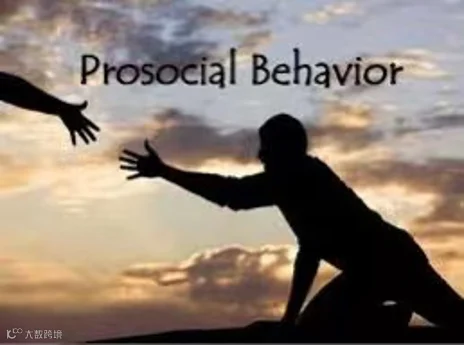
*prosocial behavior:
亲社会行为,是一种 "有利于其他人或整个社会 "的社会行为, "如帮助、分享、捐赠、合作和志愿服务。"遵守规则和符合社会接受的行为也被视为亲社会行为。
Because we understand that good deeds can heap benefits on to the beneficent individual, we try to infer whether these acts were performed in pursuit of these benefits to their reputation or prestige (in which case we frequently withhold them). Because co-operators can take the moral high ground, they are sometimes treated with antipathy, even when the motives underlying their actions are not in question.
因为人们明白善行可以将一些好名誉堆积到施善者身上,所以试图推断行善本身是否只是为了追求名誉(人们往往这么想)。由于施善者可以站在道德的制高点上,所以即使他们的行为动机并没有什么问题,有时仍会被大家反感。
Good deeds act as signals of an underlying prosocial disposition and a commitment to helping others. Those who send these signals without exhibiting these traits – that talk the talk without walking the walk – are the most likely to be judged negatively for their actions.
善意的行为是潜在的亲社会倾向的信号,是对帮助他人的承诺。那些只发出了信号却没有付诸行动的人--即只说不做的人--最有可能因此受到负面的评价。
重点词汇:
Adulation
n. 谄媚;奉承
admiration and praise, especially when this is greater than is necessary
例:We edit and exaggerate, we crave adulation, we pretend we don't notice the social isolation.
我们编辑、夸大、渴望得到奉承。我们假装没有注意到社交孤立。
a pinch of salt:半信半疑
原文链接:
https://www.theguardian.com/science/2021/may/23/why-are-we-so-uncharitable-to-those-doing-good-deeds?CMP=Share_iOSApp_Other
https://psychcentral.com/health/altruism-examples#recap
编译|沈佳璐 温馨 周奕言
排版|沈佳璐