
What is Wordle?

Wordle is a daily word game you can find online here. It's fun, simple and, like a crossword, can only be played once a day. Every 24 hours there's a new word of the day, and it's up to you to figure out what it is.
Wordle是一款在线每日单词游戏。它简单有趣,就像是字谜游戏,但是每天只能玩一次。每二十四小时会更新一个当天的单词,由玩家来猜测那个单词到底是什么。
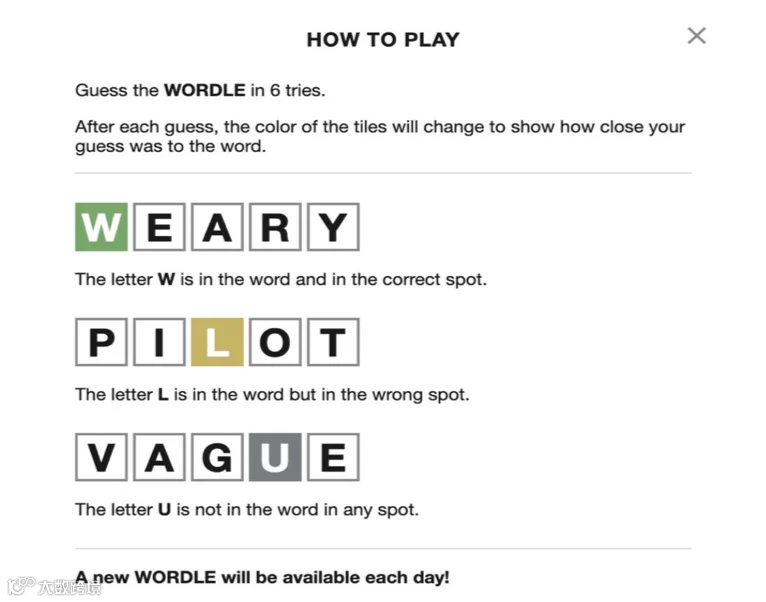
The site itself does a fantastic job of explaining the rules: Wordle gives players six chances to guess a randomly selected five-letter word. As shown below, if you have the right letter in the right spot, it shows up green. A correct letter in the wrong spot shows up yellow. A letter that isn't in the word in any spot shows up gray. A very simple idea and a very simple, minimalistic visual display.
网站自带的规则解释得很清楚:Wordle给玩家六次机会来猜一个随机产生的五个字母的单词。如图所示,如果您在正确的位置填入了正确的字母,它将显示绿色。如果将正确的字母填在错误的位置,显示为黄色。一个不在单词中的字母会显示为灰色。不论是游戏规则还是游戏界面都十分简洁。
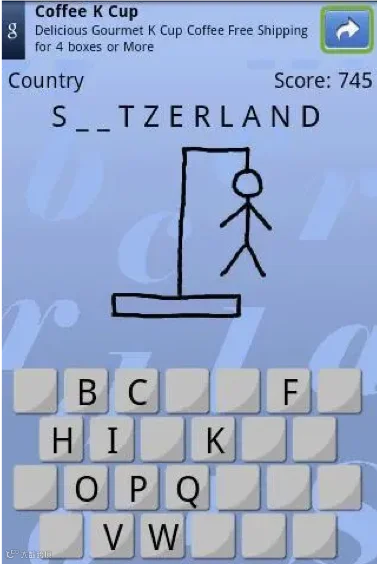
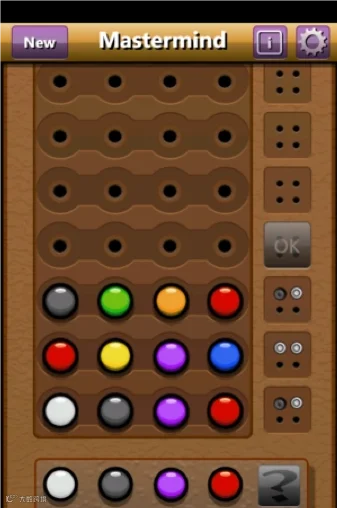
And some of the game's popularity could be explained by this simplicity and the fact that Wordle combines two old-school games, hangman and Mastermind, in a novel manner. But there is more.
这款游戏之所以如此受欢迎,部分原因就在于它的简单性,并且Wordle以一种新颖的方式将两款传统游戏——Hangman(左下)和Mastermind(右下)结合在一起。但原因不止于此。
One crucial feature of Wordle is that you can do one word puzzle per day only. There is one word per day and that's it. So, it is not possible to overindulge and get bored with it. And the one word per day is the same for everyone. Wordle started to take off when the results of one's guesses could be shared on social media. Given that it is the same word that everyone needs to guess on any given day, this makes it easy to compare your result with the result of your friends on social media.
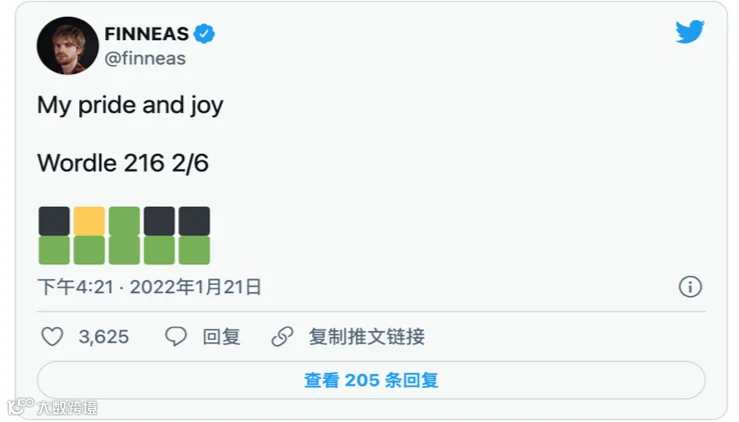
Wordle的一个重要特点是你每天只能猜一个字谜。每天只会更新一个单词,仅此而已。所以,玩家不可能过度沉迷或是感到厌倦。并且“每天一词”的规则对每个人来说都是一样的。当人们的猜测结果可以在社交媒体上分享时,Wordle开始走红。因为每人在同一天猜的是同一个单词,这使得将你的结果在社交媒体上与你的朋友进行比较变得十分容易。
Psychological Basis of the Game's Popularity
Wordle 走红的心理学原因

Wordle reveals just how competitive and insecure we are. It's not about sharing intellectual experiences; it is about trying to feel superior to others.
There are two options. Either we do better than our peers—that is, we need fewer guesses. This helps us to feel that we are in the top percentile of English language users. And there is plenty of empirical evidence that this is something we care deeply about.
Wordle揭示了我们是多么的争强好胜和缺乏安全感。这已经不仅仅是分享智力经验;这是为了让自己感到一种优越感。我们有两种选择:要么我们比同伴做得更好——也就是说,我们猜的次数更少。这能让我们觉得自己在英语使用者中排名靠前。并且有大量的经验证据表明,我们非常在意这个。

We all think that we are better than average at pretty much anything. Ninety-three percent of drivers think that they are better than average at driving. That is, 43 percent of us are delusional. And it is not just driving. More than 90 percent of university professors think that their teaching is better than average. Eighty-five percent of teenagers think that they get on well with others better than average.
我们都认为自己在几乎各方面的表现都在平均水准之上。93%的司机认为他们在驾驶方面比平均水平要好。也就是说,43%的人都有妄想症,不仅仅在驾驶方面。超过90%的大学教授认为他们的教学水平高于平均水平。85%的青少年认为他们与他人相处得比平均水平要好。
In fact, 25 percent of them think that they are in the top 1 percent in this respect. We systematically overrate ourselves in pretty much everything we do. And when we do well in Wordle, this serves as some sort of justification.
实际上,25%的人都认为自己在这方面是最优秀的1%。我们全方位地高估了自己的水平。我们能把wordle玩好的时候,就进一步证实了这种判断。
The other option is that we need more guesses than others. Or maybe we don't manage to guess the word at all in the allowed six attempts. This goes against our firm assumption that we are better than average at pretty much anything What does this realization lead to? It leads to trying it again tomorrow to prove to ourselves that yesterday's bad result was just a fluke..
另一种可能是,我们需要比其他人猜更多次。又或者,在允许的六次尝试中,我们根本没能猜出这个词。这就与我们一贯自视甚高的假设相悖。意识到这点后会发生什么?我们就会在第二天再试一次,想证明昨天只是偶尔失手才玩砸了。
In short, whether we do worse or better than average, both outcomes encourage us to go on playing. We are hooked for pretty bad reasons. Wordle's appeal is not that it brings us all closer together. Rather, it manipulates our deepest insecurities.
总之,无论我们的表现比平均水平差还是好,这两种结果都会鼓励我们继续玩下去。出于一些不良原因,我们被这个游戏深深吸引。Wordle的吸引力并不在于它让我们所有人走得更近。相反,它操纵了我们内心深处的不安全感。
词汇:
1.overindulge v. 过多地享用(饮食);过分放任,娇惯
例句:
Don't abuse your body by overindulging in alcohol.
不要沉溺酒类而损伤自己的身体。
2.empirical adj. 经验主义的,以经验为依据的
例句:
There is no empirical evidence to support his thesis.
没有事实根据来支撑他的论点。
3.delusional adj. 妄想的
例句:
I am upset by the delusional madness of these plans.
看到这些痴心妄想的疯狂想法我很难过。
原文链接:
https://www.psychologytoday.com/us/blog/psychology-tomorrow/202201/why-is-wordle-so-popular
https://www.cnet.com/how-to/wordle-everything-you-need-to-know-about-the-word-game-gone-viral/
编译|吴奕辰
排版|吴奕辰