
本文共1538字,阅读需约5分钟

“批评式观看”&“批评式关注”
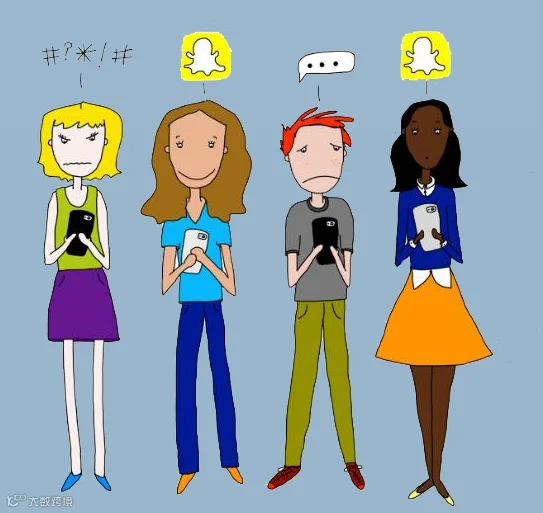
Everybody does it. We obsessively watch TV shows that we kind of despise, and then we mock them, and complain about them on the internet afterwards.
每个人都会这样:我们痴迷地看着自己不太喜欢的电视节目,然后嘲笑它们,在互联网上吐槽它们。
This is called “hate-watching”, which Oxford Languages officially defines as the “activity of watching… for the sake of the enjoyment derived from mocking or criticizing.” Emily in Paris, for instance, is generally derided on social media, but is one of Netflix’s most watched shows (Over 58 million households started watching the series in its first 28 days on the streaming platform), with a third season on the way.
这种行为被称为“批评式观看”。牛津语言官方将其定义为“为了从嘲讽或批评中获得乐趣而观看的活动”。比如《艾米莉在巴黎》在社交媒体上被全网吐槽,但它却是网飞收视率最高的剧之一(该剧在流媒体平台上播出的头28天,就有超过5800万家庭观看了这部剧),第三季也在筹备中。

Turns out, many of us love to hate. And with the rise of social media, this manifests in the people we follow, too. Can’t get your eyes off a TikToker who pisses you off? That’s “hate-following”.
事实证明,我们很多人都特别喜欢憎恶他人。随着社交媒体的兴起,这一点也体现在我们关注的人身上。你是不是总是忍不住看一个你讨厌的TikTok博主?这就是“批评式关注”。
JR Ilagan, a clinical psychologist based in Manila, explained that hate-following is a more recent development; one that brings the public personas we used to hate on a little closer to home. But sometimes, this can also apply to friends who, for some reason, are much more annoying online. Watching these people could do more than just make your eyes roll. They could make you exclaim: “Who does he think he is???” And yet, we keep scrolling for more.
马尼拉的临床心理学家伊拉甘解释说,“批评式关注”是最近才出现的现象,让我们曾讨厌的公众人物形象离我们更近一点。但有时,这也适用于那些在网上很烦人的朋友。看着他们不仅会让你翻白眼,还会让你惊呼:“他以为他是谁啊?”但同时,我们还继续滑动着屏幕。
为什么我们能从中获得快乐?
a.生理上,憎恶让我们感觉良好
“Hate, love, and enjoyment are strong emotional responses. And sometimes, when we find ourselves experiencing strong emotional responses in the absence of an actual threat, neurotransmitters are being secreted by our brain,” Ilagan explained. These neurotransmitters are usually serotonin, dopamine, and oxytocin, famously “happy hormones” that promote positive feelings. This would explain why hating makes us feel good, physiologically.
“恨、爱和享受都是强烈的情绪反应。有时,当我们发现自己在没有实际威胁的情况下经历强烈的情绪反应时,我们的大脑会分泌神经递质,”伊拉甘解释道。这些神经递质通常是血清素、多巴胺和催产素,它们是著名的促进积极情绪的“快乐激素”。这就解释了为什么憎恶会让我们在生理上感觉良好。
b.心理上,我们喜欢拿自己和别人比较
There are two ways we compare ourselves, Ilagan said. Upward comparison is when we compare ourselves to people who seemingly have it better. This could incite jealousy, which could prompt hate as a protective response. “Oh, this person is doing better? Well, I don’t like what they’re up to.”
伊拉甘说,我们有两种比较自己的方式。向上比较是指我们把自己和那些看起来生活得更好的人比较。这可能会引发嫉妒,而嫉妒又会引发憎恶来作为保护反应。“哦,这个人做得更好了?好吧,我不喜欢他们的所作所为。”
On the flip side, downward comparison is when we compare ourselves to people who seemingly have it worse. It’s like watching a train wreck—it hurts to look but it makes you feel better about yourself. “Phew, wasn’t me!”
另一方面,向下比较是指我们把自己和那些看起来情况更糟的人比较。这就像看一场火车事故——虽然看着很惨,但却让你自我感觉更好。“唷,还好不是我!”
c.社交上,憎恶是一种增进感情的经历
After watching a terrible show do you go online to read the tweets, maybe you go off on a rant in a forum dedicated to hating on that show. Or maybe, you invite your friends over to watch the show together. “I mean, it’s fun to hate people together,” Ilagan said. “You have a common enemy.”
在看完一部糟糕的剧后,或许你会上网看推特,或许你会专门在论坛上吐槽这部剧,又或许你会邀请你的朋友一起看。伊拉甘说:“一起讨厌同一个人很有趣。我的意思是,你们有一个共同的敌人。”
一直吐槽会让我们变成坏人吗?
Ilagan said that what you do with the hate matters. Are you self-aware enough to admit that you’re just feeling a little bad about yourself and need something to feel better, or are you going to set out to cancel this person?
伊拉甘说,如何处理这种情绪很重要。你是否有足够的自知之明来承认自己只是感觉有点糟,需要一些东西来让自己变得更好,又或者你打算拉黑这个人?
So long as you can find the balance between hate-following and cyberbullying in check, it’s understandable if you want to follow someone who annoys you slightly. After all, we’re all only human.
只要你能找到“批评式关注”和网络欺凌之间的平衡,那么如果你想关注一个有点惹恼你的人是可以理解的。毕竟,我们都只是普通人。
重点词汇
1. mock
v. 嘲笑,嘲弄 adj.假的;仿真的;模拟的,演习的 adv. 虚假地,不诚实地
I thought you were mocking me.
我以为你在嘲笑我。
2.neurotransmitter
n. [生理] 神经递质;[生理] 神经传递素
Other antidepressants work on the neurotransmitter dopamine.
其他的抗抑郁药物作用于神经传递素多巴胺上。
3.wreck
v. 破坏,毁坏;造成失事,使遇难;失事 n. 沉船,遇难船;失事,遇难,交通事故;
He was killed in a car wreck.
他在一场车祸中丧生。
原文链接:
https://www.vice.com/en/article/93akvp/why-hate-watching-tv-movie-social-media-explained-psychology
https://gizmodo.com/is-hate-watching-bad-for-you-1654143313
https://sova.pitt.edu/why-do-we-hate-watch-and-hate-follow
编译 | 马文静
排版 | 马文静