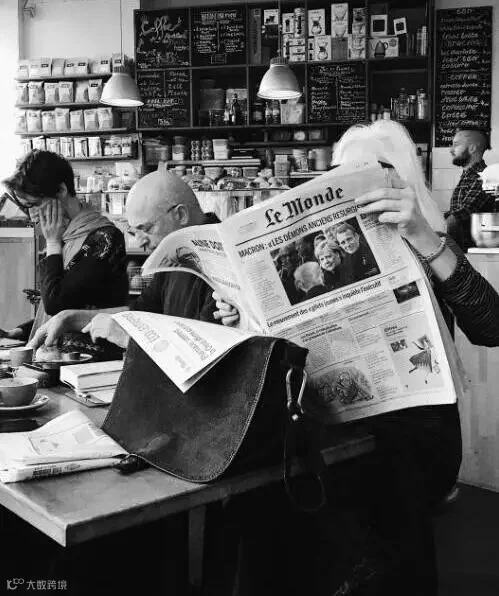
I AM WATCHING YOU

VOYEURISM
全文字数2264字,阅读时间约7分钟
Since Covid-19 swept the globe, we’re even more interested in the stories of others; our heightened desire to consume all kinds of information in part reflects our curtailed daily lives.
自从疫情席卷全球以来,我们对别人的故事愈发感兴趣。在一定程度上,这种对汲取各种信息的高度渴望折射出我们自身日常生活的萎缩。
We’re also spending record amounts of time online: UKwatchdog Ofcom found last June that adults were spending on average a quarter of their waking day using the internet, while a global survey early in the pandemic found 40% of consumers were spending longer on social media.
我们上网花费的时间也创新高:去年6月,英国监管机构Ofcom发现,在一天醒着的时间中,成年人平均花费了四分之一在互联网上。而大流行早期的一项全球调查发现,40%的用户在社交媒体上花费的时间变长了。
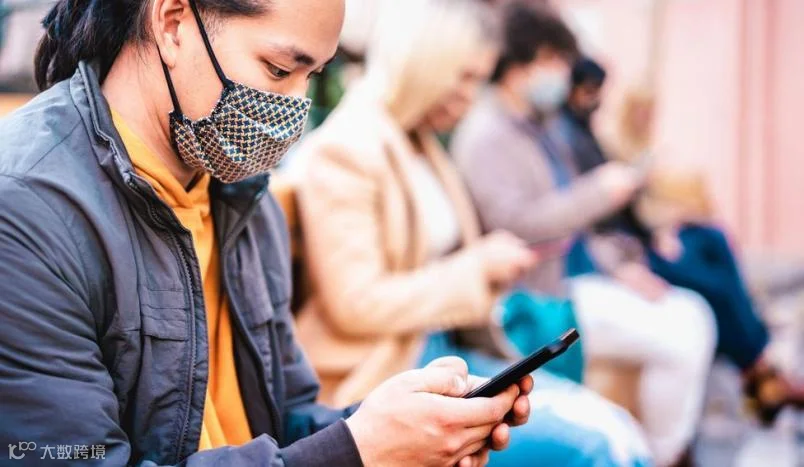
We've always been curious – but now we have so many more ways to learn about other people (Credit: Alamy)
我们一直很好奇 - 但现在我们有更多的方法来了解其他人
But although it may seem a bit nosy– or even voyeuristic – this urge may not be a bad thing.In times like these, when behaviours and norms are unprecedented and evolving, observing other people can help us process each twist and turn of the pandemic – and even learn how to adapt ourselves.
尽管这看起来有点爱管闲事,甚至是窥视性的,不过这种欲望可能不是一件坏事。在大流行时代,当出现前所未有的行为和规范并且其不断变化时,观察他人可以帮助我们处理疫情期间遇到的意料之外的转变,甚至学着如何自我适应。
A shared understanding
“偷窥”以塑造对社会的共同理解?
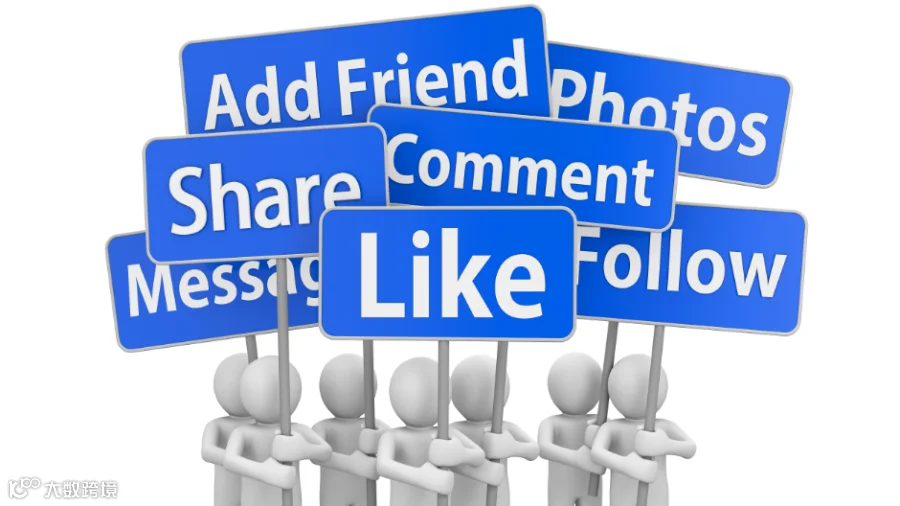
如今,我们有更多的方法可以“合理地”满足自己的窥视欲。新闻媒体提供评论文章和图片故事,增添多个维度和人文视角。至于社交媒体,有脸书、Instagram、Snapchat(照片分享平台)、TikTok和Clubhouse(一种基于语音的新型社交网络),大量多元化的平台都提供了观察他人的不同方式。
This desire to look into the lives of others isn’t just voyeurism, however: the word, says Chappell, often implies illicit or sexual behaviour – a passive observer watching others actively engage, sometimes but not always with the consent of those being watched.
伦敦布鲁内尔大学高级讲师Anne Chappell说,这种探究他人生活的欲望不仅仅是“窥视癖”——一个人被动去观察他人,但并不总是得到被偷窥者的同意(这个词通常含有非法或性意味)。
Yet what we get from looking at other people’s stuff – an act, says Chappell, that is often unconscious on our parts – isn’t a “morbid fascination”. Rather, it is a more active exchange, an effort to make sense of the world around us.
然而,我们观察别人的行为往往是无意识的,从中得到的并不是一种“病态的迷恋”。相反,这是一种更主动积极的交流,一种我们为理解周围世界所做的努力。
Our desire to observe, then, seems to be born from a desire to exchange information about who we are through the stories we tell about ourselves.
因此,我们观察的欲望似乎源于这样一个愿望——通过讲述自己的故事来相互获取“我们是谁”的信息。
Learning and processing
学会合理“偷窥”以了解规则?
Social media, something that brings an element of escapism from the same four walls, allows us to peer into the lives of others on a virtual plane – whether by analysing bookshelves of interviewees or obsessing over a viral recipe strangers make in their kitchens. It provides a placebo for connection opportunities in the real world that have been stripped away, says Laura Tarbox, an expert in cultural and brand strategy who studies emerging shifts and behaviours in social media for clients.
文化和品牌战略专家Laura Tarbox为客户研究社交媒体中的新兴转变和行为,她认为,封闭期间,我们在社交媒体上逃避现实,得以在虚拟空间中窥视他人的生活,无论是通过分析受访者的书架,还是痴迷于在厨房鼓捣网上的热门食谱。人们在现实生活中被剥夺了人际交流的机会,而这些窥视行为给他们提供了一种安慰剂。
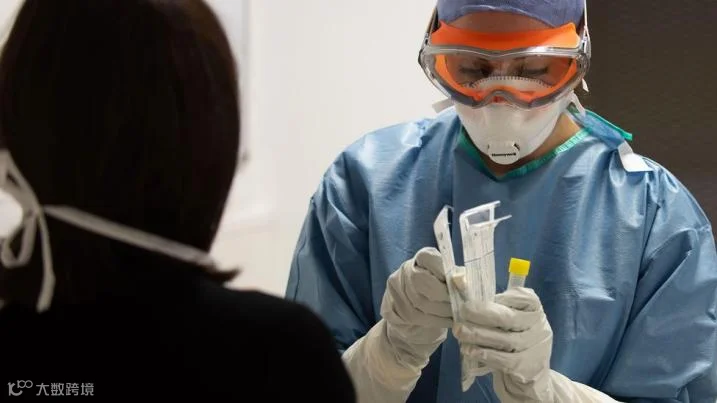
Observing the lives of medical professionals helps us process the pandemic's impact on our society (Credit: Alamy)
观察医疗专业人员的生活有助于我们处理大流行带来的影响
社交媒体在迅速建立新规范方面也发挥着作用。当我们看到在婚礼上客人不戴口罩的照片感到畏缩时,或者在Instagram上看到名人发布的棕榈树丛生的照片,并觉得这显然是所谓的“非必要出行”时,这一作用便显而易见了。
“We've been monitoring social media, both consciously and unconsciously, to gain an understanding of the new ‘rules’of acceptability during the pandemic – in short, to absorb a new social code being created in real time,” says Tarbox. “What is acceptable to do, how should we be behaving, who is it OK to be with, and what is safe to share? ... Social media is where we pick up the cues and learn the rules.”
“我们一直在有意或无意地“监控”社交媒体,以便了解大流行期间可接受的新‘规则’,简而言之,接收实时创建的新社会规范,”Tarbox说,“什么是可接受的,我们应该如何表现,谁可以和谁在一起,什么是安全的分享?...社交媒体是我们获取关键提示并学习规则的地方。”
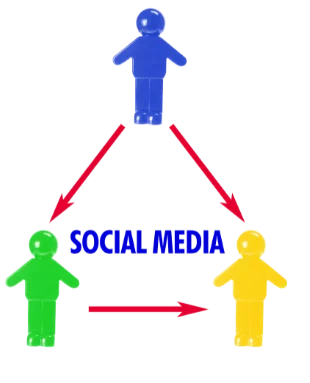
“We use others as data points,” says Romanoff. “Folks use this data to gauge how to make appraisals and assessments of their own lives. We are social creatures and rely on others in our tribe and community to refer to when making relativity-based judgments.”
Romanoff表示,“我们以他人为基准,依据所观察到的来判断如何评估自己的生活。人是群居动物,相对而言,在做出判断时,我们依赖于参考社会和社区中的其他人。”
无论是一部隐秘拍摄的电视医疗纪录片,一个关于朋友的祖母受Covid-19影响的Facebook帖子,还是一篇宣布死亡人数达新高的新闻评论,都为我们共同处理这一前所未有的情况提供了一个平台。
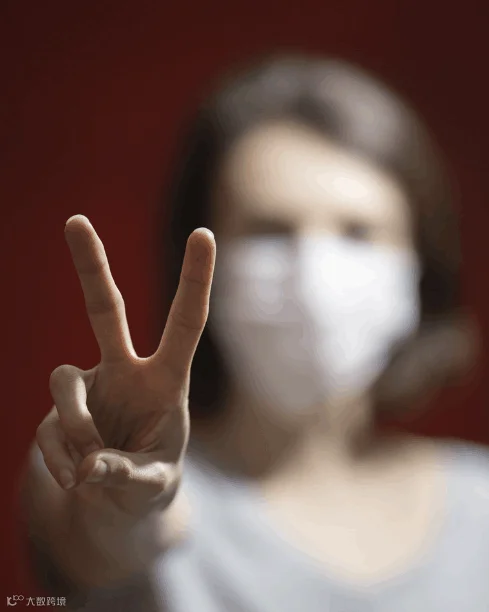
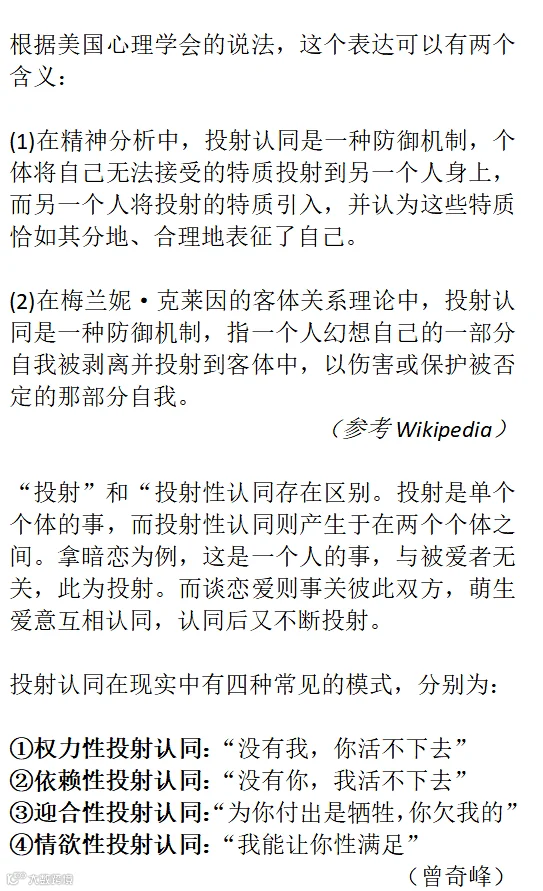
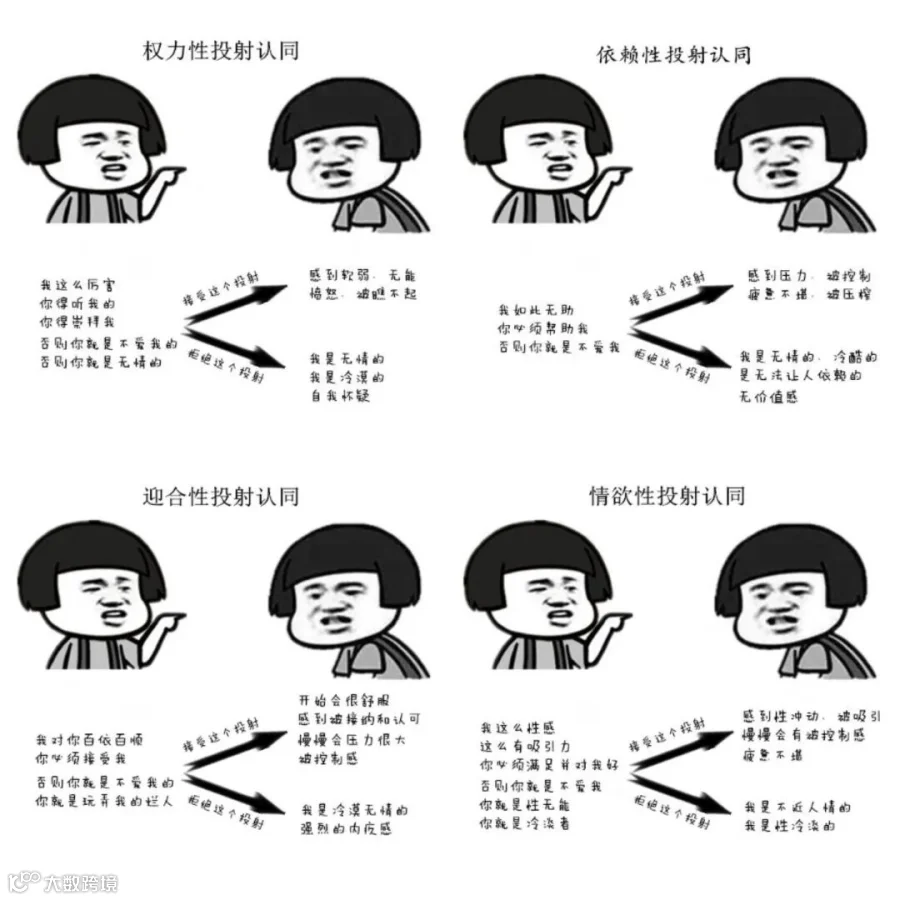
Seeing others’ fears laid bare in a post, or validated by others liking or commenting on it, can have a calming effect, says Romanoff. She adds this is a process called “projective identification”. “Aspects of the self, like fear and dread, are split off and attributed to an external source, like a friend’s status update on Facebook or a catastrophic article with hundreds of shares,” she says.
看到别人在帖子中暴露出的恐惧,或者从他人的点赞或评论得到认可,可以使我们自己平静下来。Romanoff补充道,这是一个“投射性认同”的过程。“自己内心的忧虑和畏惧,被分离出来,归因于外部,比如朋友在Facebook上的状态更新,或者一篇转发量达数百次的灾难性文章。”
如果你发现自己刷ins时,总习惯看看朋友们在做什么,观看有关一线工作人员的节目或阅读有关大流行对心理健康影响的文章,这些都不是无意义的消遣。这是我们应对当下约束,处理个人焦虑,理解陌生新世界的一种方式。
Word list
curtail.
[v]. to limit sth or make it last for a shorter time 限制;缩短;减缩
· Spending on books has been severely curtailed.
voyeuristic.
[adj]. enjoy watching other people's suffering or problems. 好刺探他人隐私的
· We as a society are growing more commercial and voyeuristic all the time.
twists and turns.
surprising changes It's hard to follow all the twists and turns of the plot.
· While prospects are bright, the roads have twists and turns.
原文链接:
https://www.bbc.com/worklife/article/20210302-why-we-cant-stop-peeking-into-other-peoples-lives
编译 | 李艳阳
排版 | 李艳阳