
GIRLBOSS

全文字数:2241字 / 阅读时间:7分钟
你或许还记得《穿普拉达的女王》中那位高高在上、专制老辣的女总编米兰达,她的尖酸刻薄使整个杂志社高度紧张。HBO电视剧《投行风云》(Industry)中,女主Yasmin通过努力,从一名天真的毕业生成为了发号施令的女领导,开始刁难刻薄下属。
为何影视剧中的女性领导常常是高傲专制的工作狂形象?

The second series of Industry implicitly critiques the "girlboss" mentality (Credit: HBO)
《投行风云》第二季含蓄地批判了“女老板”的心态(来源:HBO)
“女老板”=反派?
It's a scene that reflects the criticism increasingly directed at one modern female archetype: the so-called "girlboss". When the term came to popular use through the last decade, it was a positive, aspirational term designed to refer to the ideal of a go-getting 21st Century career-focused woman. However, these days, while it is still part of common language on social media, it is used in a more derogatory fashion – to refer to a woman practising a kind of corporate faux-feminism, that is focused on her own self-empowerment at the expense of others, and especially other women.
这一现象反映出,越来越多的批评指向了一个现代女性的典型形象:所谓的“女孩老板”。当这个词在过去十年开始流行时,它是一个积极进取的术语,用于指代21世纪积极进取的事业型女性。然而在今天,尽管它仍然是社交媒体通用语的一部分,但其中的贬义色彩愈发明显了——多用来指代某些女性实行企业伪女权主义,专注于以其他人、尤其是其他女性为代价来实现自我的职场晋升。
It's a phrase that has been wielded notably against highly-privileged female celebrities making what many have seen as tone-deaf statements about their own industriousness and other people's inferior work ethics. The phrase has entered popular culture as a succinct, satirical summation of the malign girlboss ethos.
这个短语专门针对享有高度特权的女性名人——这些名人发表许多不顾他人感受的声明,一味歌颂自己的敬业,贬低他人的职业道德。这个词语已经成为流行文化中对邪恶女老板特质的直截讽刺的总结。
从赞美转向讽刺
Nasty Gal CEO Sophia Amoruso is credited with coining the term in the title of her 2014 memoir, “#Girlboss,” which chronicled her rags-to-riches success.
美国女性服饰销售网站Nasty Gal的首席执行官索菲亚·阿莫鲁索,在她2014年出版的回忆录《女孩老板》的标题中创造了这个词,该书记录了她白手起家的成功历程。
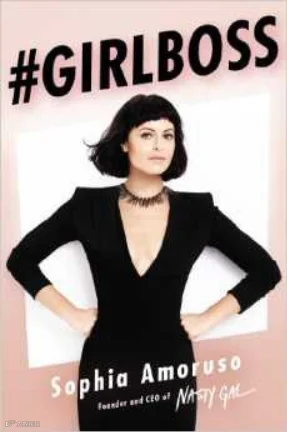
The cover of Sophia Amoruso's memoir
索菲亚·阿莫鲁索回忆录的封面
“Girlboss” originally gained popularity as a form of praise, according to Kirsten Green, co-founder and investor at Forerunner Ventures.
柯尔斯顿·格林是风险投资机构Forerunner Ventures的创始人之一。他表示,“女孩老板”一词最初是作为赞美而流行的。
“I truly believe the ‘girlboss’ term was created to celebrate an emerging wave of female leaders—which is still rare in business, and was even rarer around 10 years ago when the phrase was popularized. However, I think it’s time for all of us to move beyond gendered language when we talk about leadership, and focus on celebrating the qualities of great leaders: passion, integrity, focus, and a willingness to grow and change with the needs of the company,” Green said.
“我的确相信‘女孩老板’这个词是为了庆祝女性领导者的兴起而创造的——如今,女性领导者在商界仍然很少见,更别说10年前这个词刚流行起来的时候了。”在格林看来,在谈论领导能力时,所有人都应该打破性别偏见,专注于赞美优秀领导者的品质:热情、正直、专注,以及愿意为了公司的需求而成长和改变。
“But now it’s not a compliment. It’s more of a mockery.” said Isa Watson, founder of app Squad.
“但如今,这个词语已经不是一种赞美,反而更像一种嘲弄。”应用软件“战术小队(Squad)”的创始人伊莎·沃森说。
The girlboss movement has become ever more tainted, then it has certainly provided grist to the mill for TV and film creators, leading to a host of riveting, conflicted and refreshingly unlikeable female protagonists.
这个词越来越脱离其被创造的初衷,而这无疑为电视和电影创作者提供了有利条件,创造出了一大批引人入胜、充满冲突且令人耳目一新的不讨喜的女性主角。
Certainly, there are parallels to be drawn between today's berating of the girlboss, and the way the career woman was often characterised as a crazed, power-hungry fiend in Hollywood films of the 1980s and 1990s like Fatal Attraction, Working Girl and Disclosure.
上世纪八九十年代的好莱坞电影《致命诱惑》、《上班女郎》和《桃色机密》中,职业女性经常被塑造为疯狂的、渴望权力的恶魔;如今,人们对女性老板加以斥责。这两者是相似的。

《桃色机密》中女老板美迪是一个掠夺男主职位与不断骚扰他的“女魔头”
Emilie Zaslow, a professor in communication studies at Pace University suggests: "In real life, women with power are complex and have diverse experiences, but popular culture generally relies on backlash rhetoric and depicts the girlboss as unhappy and dissatisfied. Even when women get access to power and success, it is often portrayed as a failure of feminism."
佩斯大学的传播学教授艾米莉·扎斯洛指出:“在现实生活中,有权力的女性是复杂的,有着不同的经历;但流行文化通常依靠激烈的言辞,将女老板塑造成不快乐、不满足的样子。即使女性获得了权力和成功,也常常被描绘成女权意义上的失败。”
As it is, very few women founders even have the chance to ascend to the top of their field, and those who do are largely white women who come from privileged backgrounds. The female entrepreneurs who succeed by traditional measures are vilified as “girlbosses.”
事实上,很少有女性创业者有机会登上她们所在领域的巅峰,那些少数成功的女性大多是特权阶层的白人女性。而通过传统方式获得成功的女企业家则被丑化为“女孩老板”。

《上班女郎》中爱指使与压制下属的女强人凯瑟琳·帕克
永远无法真正成为“老板”的女性
Zaslow explains: " While the idea of a girlboss did advance public conversation about gender and it is rooted in a kind of feminist ideology, it's messy, and from the get-go that message has been watered down and made market friendly. Who is positioned in the media as never satisfied enough, never body positive enough, never powerful enough? It’s women. Women are targets of most advertising and the whole commodity industry is built on women's dissatisfaction – in that market economy, women can never win at being a boss."
扎斯洛解释道:“尽管女老板这一理念的确推动了关于性别的公共讨论,并植根于女权主义思想,但它是混乱的,其传递的思想理念从一开始就被淡化,利于市场的操控运作。谁被媒体定位为永远不够满足,永远不够积极,永远不够强大?是女人。大多数广告瞄准女性,整个商业都建立在女性的不满足之上——在那种市场经济中,女性永远无法成为老板。”
She adds: "I don’t think it's a coincidence that tropes like the 'girlboss' rise to popularity. In these moments we see a kind of female empowerment that is completely self-focused on independence and individual success and power over others. "
她补充说:“我不认为像 ‘女孩老板’这种比喻的流行是巧合。由此我们看到一种女性赋权,其完全以独立、个人成功以及获得凌驾于他人之上的权力为中心。"
Of course, it could be argued that this demonisation of girlbosses is an acceptable new form of misogyny – after all, do "boybosses" get pointedly targeted in such a way? Is all this anti-girlbossery simply a new way of taking down successful women, dressed up in a fancy new phrase?
当然,可以说这种对女老板的妖魔化是一种可以接受的、新形式的厌女症——毕竟,“男老板”会以这种方式成为众矢之的吗?所有这些反对女上司的言论,仅仅是用新奇短语装扮的、贬低成功女性的新方式吗?
Zaslow thinks there are certainly elements of that at play within this cultural phenomenon: "I think successful women are always a threat to men, but I also think that misogyny operates at a deeper structural level; like thinking about who owns media, who collects data, who has control over that data – and misogyny and the patriarchy are at the root of that. "
扎斯洛认为,这种文化现象背后肯定有某种因素的操纵:“我认为成功的女性总是对男性构成威胁,且所谓的厌女症背后存在更深层的结构性运行机制;比如思考谁拥有媒体,谁收集数据,谁控制这些数据——并且厌女症和父权制是其根源。”
重点词汇
1
derogatory
showing a critical or disrespectful attitude
adj. 持批评态度的;贬低的;不敬的
例句:This word was neutral in the past; the present derogatory sense comes from corrupted usage.
2
succinct
(especially of something written or spoken) briefly and clearly expressed
adj. 简洁的;简明的;简练的
例句:His remarks are always succinct and pointed.
原文链接:
https://www.bbc.com/culture/article/20220805-girlbosses-the-women-being-demonised-on-screen
https://techcrunch.com/2022/06/03/girlboss-era-myth-toxic-harms-women-tech-startups-ceo-founder/
编译 | 翟芸
排版 | 翟芸