
Medusa
美杜莎
——你为何不敢直视她的眼睛?
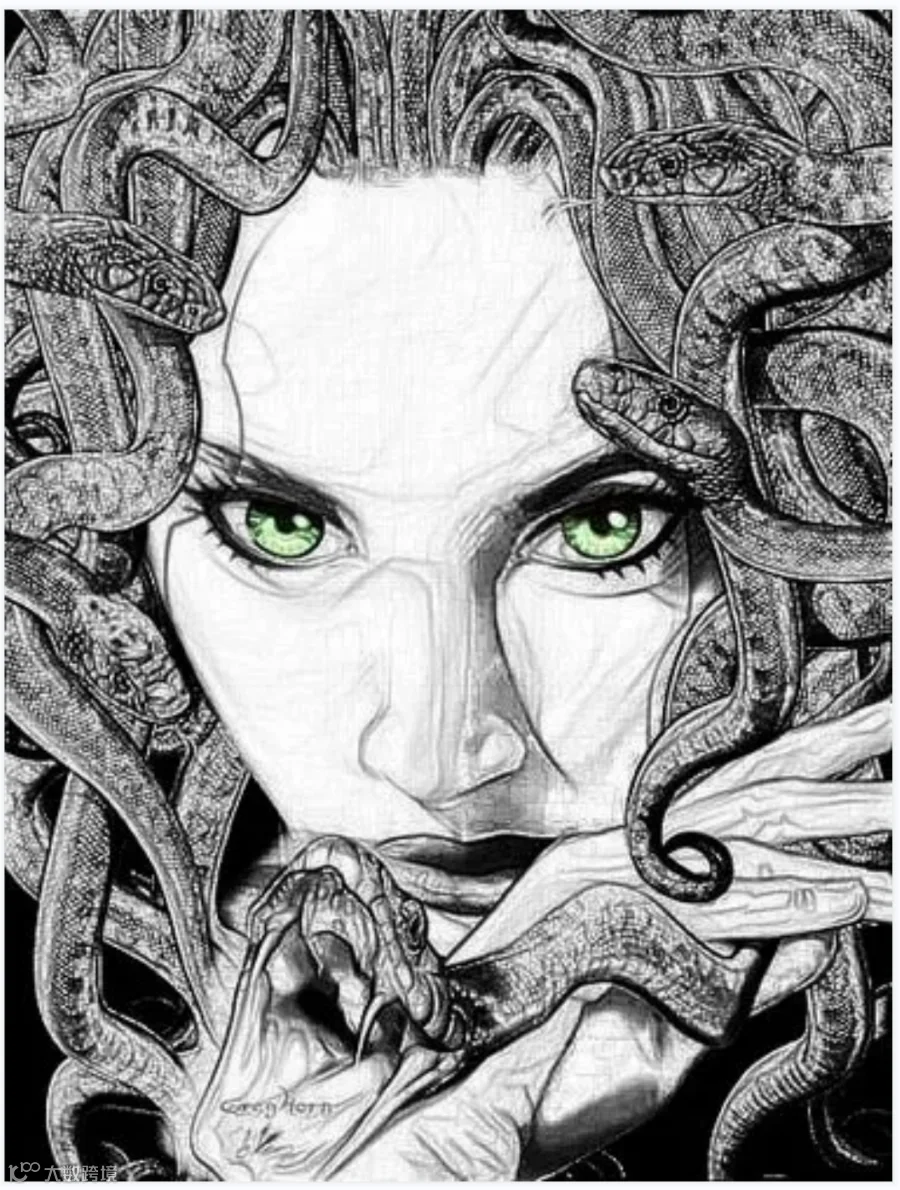
MEDUSA MEDUSA MEDUSA MEDUSA
MEDUSA MEDUSA MEDUSA MEDUSA
全文字数:2341字 / 阅读时间:9分钟
MEDUSA
男凝视角下被误解的女神
Medusa, like many other classic Greek myths, has become a special cultural icon. She was one of the three Gorgons, meaning creatures who resembled human females save for their heads, from which snakes sprouted instead of hair. The eyes of Gorgons could also turn humans to stone.
美杜莎,同其他希腊神话中的经典人物一样,在当今已然成为一个独特的文化符号。作为三个蛇发女怪*之一,美杜莎具有凸显女性特质的身体和一头蛇发,她的目光可以把人类变成石头。
译注:Gorgon / 戈尔贡,即古希腊罗马神话中的三个蛇发女妖,分别是斯忒诺、欧律阿勒和美杜莎。
In the Roman poet Ovid’s version, Medusa had once been a beautiful maiden. However, after Poseidon, the sea god, raped her in the temple of Athena, the goddess sought revenge for the heinous act of defilement. In an inexplicable act of cruelty, the goddess Athena herself, according to the male poet, of course, transformed Poseidon’s victim into a hideous monster.
在罗马诗人奥维德的版本中,美杜莎曾经是一个美丽的人类少女。然而,海神波塞冬贪图她的美貌,在雅典娜的神庙中强奸了她。处女神雅典娜难以忍受这一玷污圣洁的行为并试图追责,但在男性主导的叙事中,她没有向波塞冬寻仇,而是以一种无法解释的残忍行为将波塞冬暴行的受害者——美杜莎变成了可怕的怪物。
译注:Ovid / 奥维德,古罗马诗人,著有《变形记》,以编年体形式记叙了250个神话故事。
Medusa was beheaded by the Greek hero Perseus, who then used her head, which retained its ability to turn onlookers to stone, as a weapon until he gave it to the goddess Athena to place on her shield.
美杜莎最终被英雄珀尔修斯斩首,但她的头颅仍保有把人类变成石头的能力,铂尔修斯利用这一点把美杜莎的头颅作为武器,直到把它交给女神雅典娜,放在她的盾牌之上。
The representation of females in Greek mythology, including the Gorgon Medusa, has often included frightening images and ideas showing men’s fear of female power and their need to control or even destroy this power.
包括美杜莎在内的希腊神话中的女性代表,往往以恐怖的外貌和骇人的思想示人,这显现出男性对女性权力的恐惧以及他们对掌控和摧毁女性力量的渴求。
MEDUSA
艺术史上被强化的恶魔形象
1
Second Century B.C. Terracotta
公元前二世纪陶塑
”
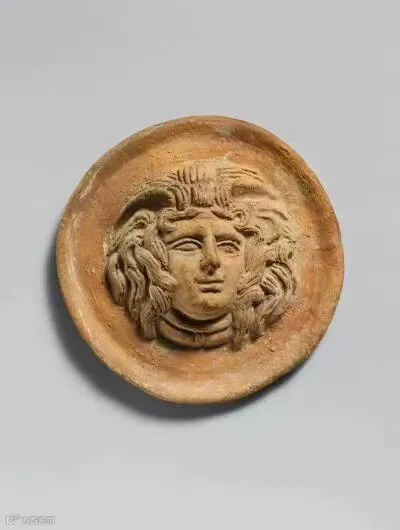
Medusa was used as a symbol to ward off evil around this time. Here she looks remarkably human, her hair consists of thick curls rather than venomous snakes, but she can nonetheless be identified by the little wings that adorn her forehead.
美杜莎在这一时期被视作驱邪的象征。她看上去非常像人类,头发为浓密的卷发而非毒蛇,但前额仍具有标志性的小翅膀。
2
Caravaggio (1597)
卡拉瓦乔(1597)
”
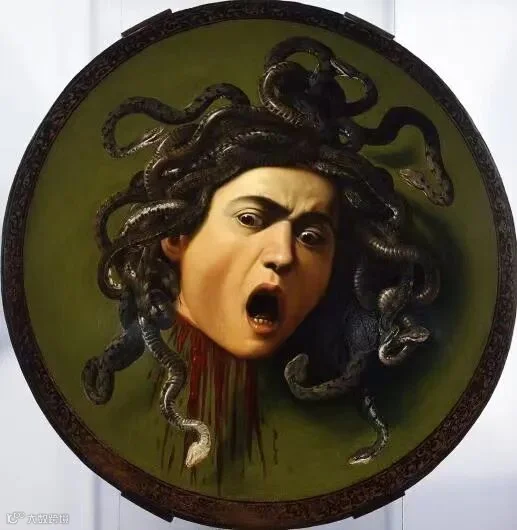
This painting offers a much more intense interpretation of the Medusa who, in this instance, has been decapitated. The red of the blood that jets out of Medusa’s throat stands out brilliantly against the muted green background.
这幅画对美杜莎进行了更强烈的诠释,她被斩首了,喉咙里淌出的红色血液在柔和的绿色背景下显得格外突出。
3
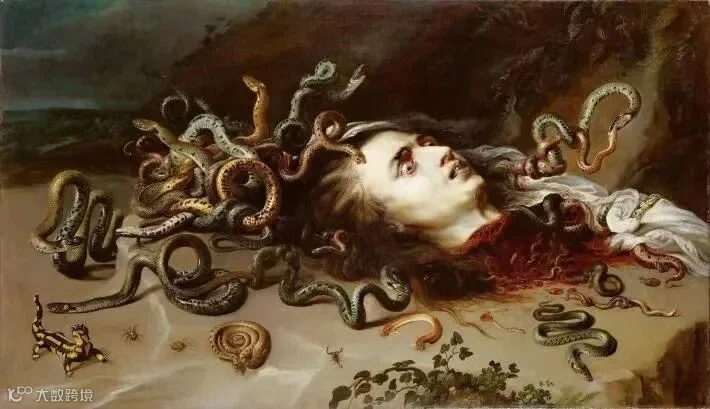
Rubens (1617)
鲁本斯(1617))
”
Rubens emphasizes the association between Medusa and lowly vermin by adding animals such as scorpions, newts, and spiders along with the snakes.
鲁本斯通过添加蝎子、蝾螈、蜘蛛和蛇,强化了美杜莎和劣等害虫之间的联系。
4
Bocklin (1878)
勃克林
”
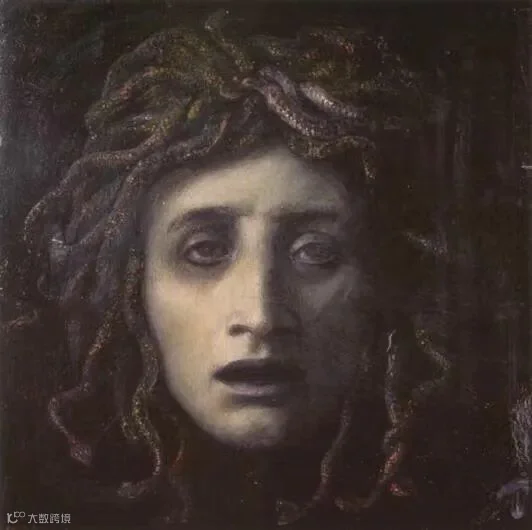
Interestingly, Sigmund Freud interpreted this piece to represent a boy’s fear of castration, but this argument feels like a bit of a stretch. Freud fails to understand Medusa as an isolated entity and that she does not exist solely to be a point of fear for boys and men.
有趣的是,西格蒙德·弗洛伊德将这幅作品解读为一个男孩对阉割的恐惧,但这一论点有些夸张。弗洛伊德没有把美杜莎视为一个独立的实体,也没有意识到美杜莎的存在不仅仅是为了惊吓男性。
MEDUSA
女神的重生
In Western culture, strong women have historically been imagined as threats requiring male conquest and control, and Medusa herself has long been the go-to figure for those seeking to demonize female authority.
在西方文化史中,强有力的女性始终被视作脱离男性征服和掌控的威胁,而美杜莎长期以来是那些意图妖魔化女性力量的人的首选。
However, in the 20th century, feminists reassessed Medusa's appearances in literature and in modern culture. Medusa's visage has since been adopted by many women as a symbol of female rage; one of the first publications to express this idea was a feminist journal called Women: A Journal of Liberation, which the editors explained "can be a map to guide us through our terrors, through the depths of our anger into the sources of our power as women."
20世纪,女权主义者重新评估了美杜莎的文学和文化价值,美杜莎的脸被她们视作女性愤怒的象征,女权主义杂志《妇女:解放杂志》是最早表达这一观点的出版物之一,其编辑诠释道:“美杜莎可以作为地图或指南,引领我们穿过恐惧之林,引渡我们沿着激愤之河溯源而上,以达女性力量的源泉。”
Even in contemporary pop culture, Medusa has become largely synonymous with feminine rage. Through many of her iterations, Medusa pushes back against a story that seeks to place the male, Perseus, at its center, blameless and heroic.
在当代流行文化中,美杜莎也已然成为“女性愤怒”的同义词。她的象征意义随时代更迭,反驳了将所谓“无可指责”的男性铂尔修斯置于中心的英雄主义叙事套路。
MEDUSA
不再沉默的受害者
Medusa tattoos have grown in popularity over the past several years and the #MeToo movement helped to kill at least some of the stigma associated with sexual assault and abuse.In general, however, Medusa tattoos are a symbol of survival, often from sexual abuse, sexual assault or rape. For some, the significance of Medusa is simply meant to ward off evil and negativity in general. It ultimately challenges the false perception by some that rape victims are often blamed for their rape.
随着MeToo运动的进行,性侵和虐待的受害者所遭到的污名化日益减少,美杜莎纹身也在过去几年里流行起来。普遍而言,美杜莎纹身象征着从性虐待、性侵犯、强奸中劫后重生。而对一些人来说,它的象征意义在于突破“邪恶”“消极”的刻板印象。无论如何,美杜莎纹身挑战了社会中仍存在的错误观点,驳斥了受害者有罪论。
译注:MeToo运动,一场鼓励女性讲述自身经历的反对性骚扰运动)

一位性侵受害者女性纹在肚脐之上的美杜莎纹身
Egyptian women who have been victims of sexual assault and rape are using the Medusa tattoo trend on social media to tell their stories and make their voices heard. They are now sharing their stories and suffering alongside Medusa’s image, after they too were judged by society for sins they did not commit.
曾受到性侵犯的埃及女性也利用社交媒体上的美杜莎纹身潮流讲述她们的故事,努力发声。她们将自己的遭遇和痛苦寄寓于“美杜莎”的形象之上,反抗本不应由她们承受的罪名和审判。
MEDUSA
角色的颠覆——复仇的战士

立于曼哈顿法院前的美杜莎雕像
This sculpture by Luciano Garbati turns the tables on the classic myth. The change is simple: Medusa has decapitated and now carries the head of Perseus, looking firmly and straight ahead, rather than vice versa.
Luciano Garbati的雕塑颠覆了经典神话中美杜莎的固有形象。其转变是简单有力的:美杜莎不再是沉默的受害者或恶魔形象,她亲手将珀尔修斯的头颅砍下,目光坚定地直视前方。
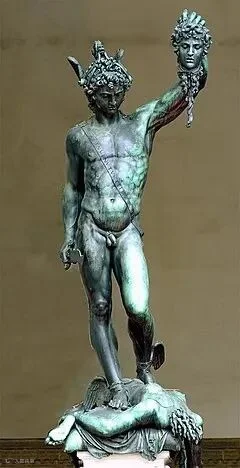
右:Luciano Garbati的颠覆性创作:美杜莎提着珀尔修斯的头颅
左:Benvenuto Cellini依据原有神话创作的青铜雕像:珀尔修斯高举美杜莎的头颅
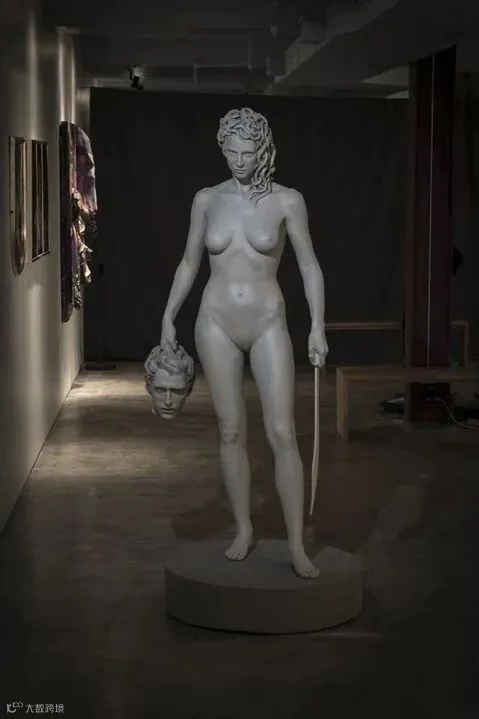
The sculpture, simply titled Medusa, began to be viewed as a piece of feminist art around the late 2010s when the #MeToo movement gained traction. In 2020, the statue was relocated to Lower Manhattan, directly across from the Centre Street criminal courthouse. Medusa at this moment, is no longer a frightening monster in mythology, but a holy, intrepid, and steadfast warrior.
这座名为美杜莎的雕塑,在2010年代MeToo运动掀起热潮之时被视作女权主义艺术。2020年,它被转移到曼哈顿下城,美杜莎注视的前方,就是审判与女性受暴相关的曼哈顿法院。此时此刻,美杜莎不再是神话中那个可怕的怪物,而是一位圣洁、勇敢、坚定的战士。
重点词汇
·Demonize
to describe sb/sth in a way that is intended to make other people think of them or it as evil or dangerous 把……描绘成魔鬼(或危险人物等);将……妖魔化
例句:He was demonized by the right-wing press.
·Stigma
feelings of disapproval that people have about particular illnesses or ways of behaving 耻辱;羞耻;污名
例句:There is no longer any stigma attached to being divorced.
原文链接:
https://greekreporter.com/2022/05/04/medusa-fearsome-goddess-greek-mythology/
https://en.m.wikipedia.org/wiki/Medusa
https://parade.com/.amp/living/medusa-tattoo-meaning
https://kentwired.com/87653/uncategorized/inspiring-message-behind-the-medusa-tattoo-trend/
编译 | 杨柏芸
排版 | 杨柏芸