NEWS
全文字数:2449字 / 阅读时间:8分钟
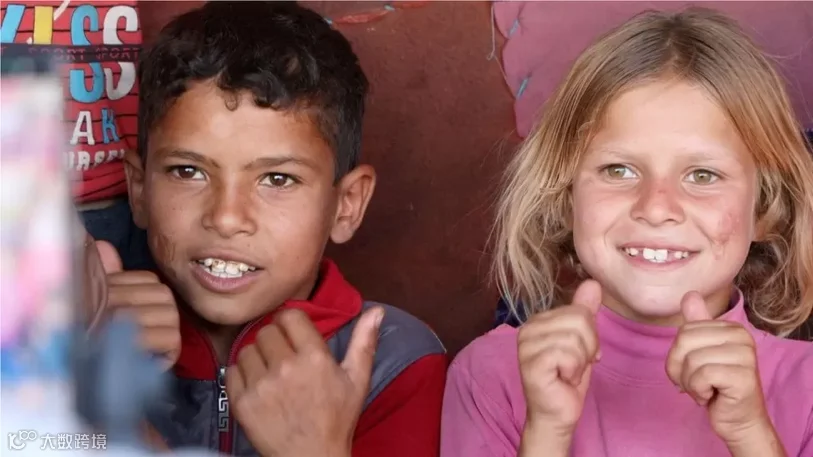
Displaced families in Syrian camps are begging for donations on TikTok while the company takes up to 70% of the proceeds, a BBC investigation found.
BBC近期一项调查发现,许多暂居叙利亚难民营的家庭在TikTok上直播乞讨,而机构抽成竟然高达70%。
图源:BBC.com
“求点赞,求分享,
求打赏”......
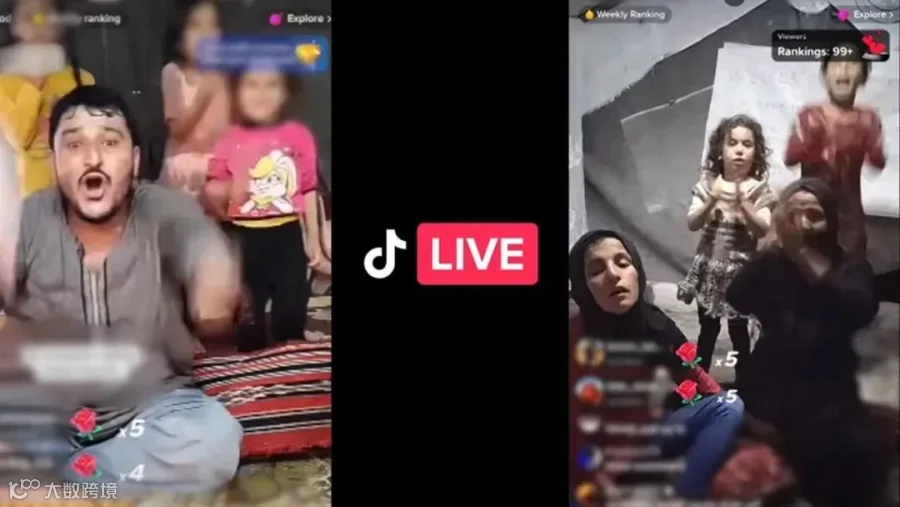
Mona Ali Al-Karim and her six daughters are among the families who go live on TikTok every day, sitting on the floor of their tent for hours, repeating the few English phrases they know: "Please like, please share, please gift."
叙利亚的Mona Ali Al-Karim和她的六个女儿是TikTok上的常驻主播,她们每天都会坐在帐篷里直播好几个小时,重复着她们仅知的几个英文单词:“求点赞,求分享,求打赏。”
Mona's husband was killed in an airstrike and she is using the livestreams to raise money for an operation for her daughter Sharifa, who is blind.The gifts they're asking for are virtual, but they cost the viewers real money and can be withdrawn from the app as cash. Livestream viewers send the gifts - ranging from digital roses, costing a few cents, to virtual lions costing around $500 - to reward or tip creators for content.
Mona的丈夫在空袭中不幸遇难, 她想通过直播的方式为她失明的女儿Sharifa筹集手术费用。打赏的礼物虽然是虚拟的,但需要打赏人花费现金购买,并且能够被应用端折现给主播。观众往往会出于喜欢对内容进行打赏,礼物从几美分的电子玫瑰到近500美金的虚拟狮子不等。
The BBC saw streams earning up to $1,000 an hour, but found the people in the camps received only a tiny fraction of that. The company said its commission from digital gifts was significantly less than 70%. But it declined to confirm the exact amount.
BBC注意到,此类直播收益高达每小时1000美元,但难民营中的人们仅得到了收益中非常少的一部分。TikTok称其从虚拟礼物中抽取的回扣肯定大大少于70%,但拒绝给出精确的金额。
难民最终只能拿到
捐赠的18%?
For five months, the BBC followed 30 TikTok accounts broadcasting live from Syrian camps for displaced people and built a computer program to scrape information from them, showing that viewers were often donating digital gifts worth up to $1,000 an hour to each account.
BBC在五个月内跟踪了30个在叙利亚难民营中直播的TikTok账户,并建立了一个计算机程序,从这些账户中提取信息,结果显示,观众每小时向每个账户打赏的数字礼物价值约1000美元。
The $33 remaining from the BBC's $106 gift was reduced by a further 10% when it was withdrawn from the local money transfer shop. TikTok middlemen would take 35% of the remainder,leaving a family with just $19.
BBC送的价值106美元的礼物被平台抽取回扣之后剩下33美元(31%),之后又被当地的国际汇款公司收取了10%的费用,然后TikTok中间商又从中抽取了 35%。难民家庭最后只能拿到19美元(18%)。
图源:BBC.com
With TikTok declining to say how much it takes from gifts, the BBC ran an experiment to track where the money goes. TikTok influencer and ex-professional rugby player Keith Mason donated £300 ($330) during one family's livestream and encouraged his nearly one million followers to do the same.
由于TikTok拒绝透露它从礼物中收取了多少钱,BBC进行了一项实验,追踪这些钱的去向。TikTok网红、前职业橄榄球运动员Keith Mason在一个难民家庭的直播中打赏了300英镑(330美元),并鼓励他的100多万粉丝也这么做。
When told by the BBC that most of these funds were taken by the social media company, he said it was "ridiculous"and "unfair" to families in Syria. "You've got to have some transparency. To me, that's very greedy,"he said.
当得知这些资金大部分被社交媒体公司收进囊中时,他说这对叙利亚的家庭来说非常“荒谬”和“不公”。“平台必须有一定的透明度。我觉得他们太贪婪了,”他说。
“中间商”凭什么赚差价?
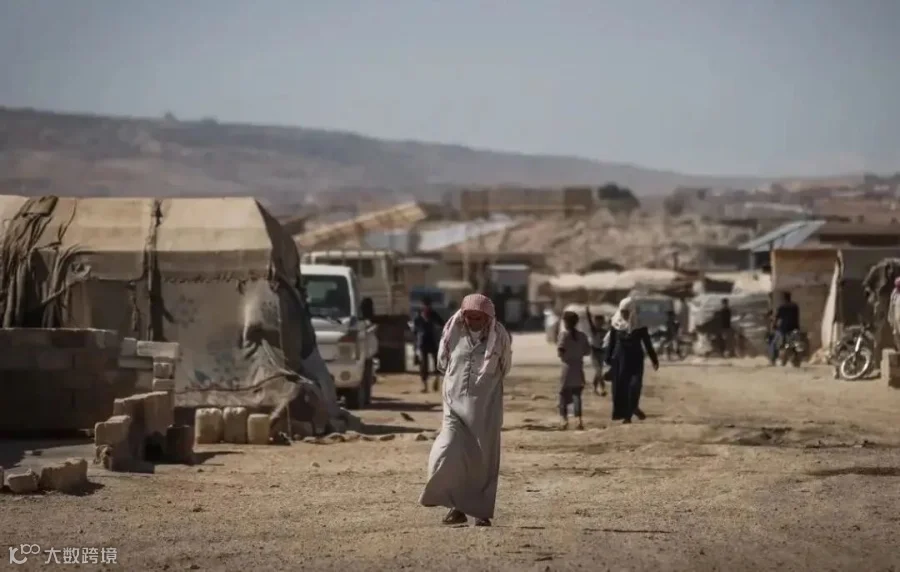
In the camps in north-west Syria, the BBC found that the trend was being facilitated by so-called"TikTok middlemen", who provided families with the phones and equipment to go live. These agencies are part of TikTok's global strategy to recruit livestreamers and encourage users to spend more time on the app.
在叙利亚西北的难民营,BBC发现有号称“TikTok 中间商”的群体推动着这种趋势的发展,他们给这些家庭提供了直播所需的手机等设备。这些中间商是Tik Tok招募主播、吸引流量全球战略的一部分。
图源:BBC.com
Agencies like these, known as "livestreaming guilds"and based all around the world, are contracted by TikTok to help content creators produce more appealing livestreams. TikTok pays them a commission according to the duration of livestreams and the value of gifts received, the agencies told the BBC.
TikTok与这些“直播行会”签订了合同,帮助创作者制作更有吸引力的直播。这些机构的总部设在世界各地。机构人员告诉BBC, TikTok根据直播的时长和收礼的价值向他们支付佣金。
Hamid, one of the TikTok middlemen in the camps, told the BBC he had sold his livestock to pay for a mobile phone, SIM card and wi-fi connection to work with families on TikTok. He now broadcasts with 12 different families, for several hours a day. Hamid said he uses TikTok to help families make a living.He pays them most of the profits, minus his running costs, he said.
作为TikTok的中间商之一,Hamid告诉BBC,他用卖牲畜的钱买了手机和SIM卡,并开通了无线网络,以此来帮助难民家庭在TikTok上直播。 现在,他每天和12个不同的家庭合作直播几个小时。 除去运营成本后,他将大部分利润给了他们。Hamid称,这是在用TikTok帮助难民家庭谋生。
Like the other middlemen, Hamid said he was supported by "live agencies" in China, who work directly with TikTok."They help us if we have any problems with the app. They unlock blocked accounts. We give them the name of the page, the profile picture, and they open the account," Hamid said.
Hamid表示他和其他中间人一样,受到中国”直播机构“的支持,这些机构直接与TikTok对接合作。 “但凡应用出现任何问题,他们都会帮助我们,比如说帮忙解开一些被封的账户。 我们只要把主页的名字、头像给他们,他们就会打开账号。”
TikTok紧急叫停
“剥削性乞讨”
After the BBC contacted TikTok directly for comment, the company banned all of the accounts. It said in a statement: "We are deeply concerned by the information and allegations brought to us by the BBC, and have taken prompt and rigorous action. This type of content is not allowed on our platform, and we are further strengthening our global policies around exploitative begging."
在 BBC 直接联系 TikTok 征询回应后,TikTok封禁了所有账户。TikTok在一份声明中表示:“我们对 BBC 带给我们的信息和指控深感关切,并已迅速采取了严厉的行动。平台上不允许出现此类内容,我们正进一步完善在剥削性乞讨方面的全球政策。”
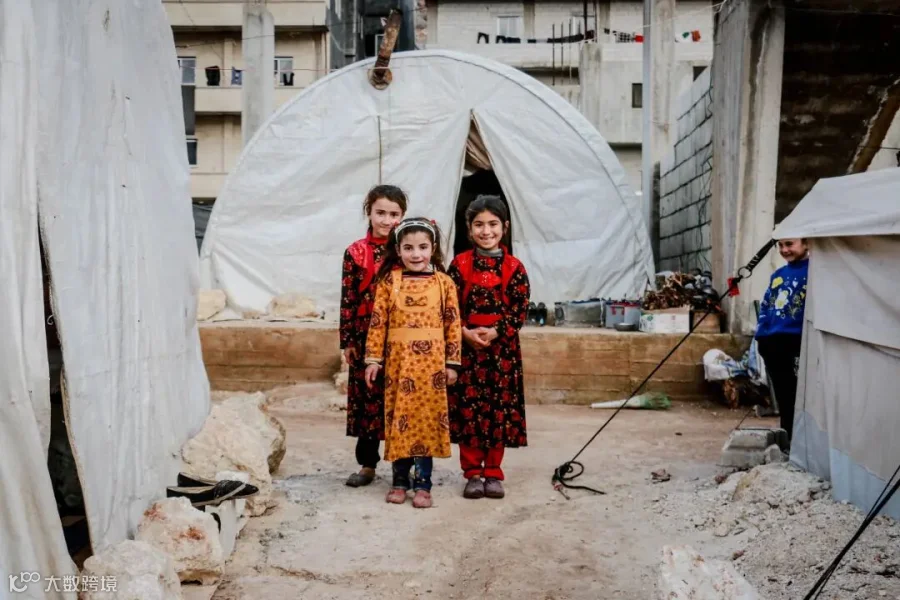
Marwa Fatafta, from digital rights organisation Access Now, says these livestreams run contrary to TikTok's own policies. TikTok's rules say you must have 1,000 followers before you can go live, you must not directly solicit for gifts and must "prevent the harm, endangerment or exploitation" of minors on the platform. But when the BBC used the in-app system to report 30 accounts featuring children begging, TikTok said there had been no violation of its policies in any of the cases.
来自数字版权组织 Access Now 的 Marwa Fatafta 表示,这些直播与 TikTok 自己的政策背道而驰。TikTok 规定,“拥有1000名粉丝”是开播的必要条件,主播也不得直接索取礼物,并且必须“防止未成年人受到伤害或剥削”。但当 BBC 使用TikTok的系统举报了 30 个以“儿童乞讨”为主题的账户时,TikTok 却表示这些账户无一违反规定。
"TikTok clearly states that users are not allowed to explicitly solicit gifts, so this is a clear violation of their own terms of services, as well as the rights of these people," she said. She acknowledges that people have the right to share their stories online "to try to seek support and sympathy", but she says these livestreams "lack dignity, and are humiliating".
“TikTok明确表示,用户不得公然索取礼物,因此这明显违反了他们自己的服务条款,也侵害了这些人的权利。”Marwa说。她承认人们有权在网上分享他们的故事“以寻求支持和同情”,但她说这些直播“缺乏尊严,令人屈辱”。
图源:BBC.com
“乞讨直播”的泥淖:
除了直播,似乎难有选择?
The BBC approached several charities working in Syria to support families in the camps asan alternative to making money on TikTok Live.
BBC 联系了几家在叙利亚支援难民家庭的慈善机构,它们能够为难民提供TikTok直播之外的其他谋生途径。
A local charity Takaful Alsham said it would provide basic supplies to the families for the next three months, helping the children find schools and covering their educational expenses.
当地一家叫“Takaful Alsham”的慈善机构表示,会在未来3个月为这些家庭提供基本物资,帮助孩子找到学校,并支付他们的学费”。
But for many in the camps, there are few options to make money other than begging online. Hundreds of families continue to go live every day, and most of the money donated is still going to TikTok.
但对于难民营内很多人而言,除了上网行乞之外,其他赚钱的选择很少。数以百计的家庭仍在继续每天直播,大多数获得的捐赠仍然落到TikTok账下。
重点词汇:
1.solicit:to ask sb for sth, such as support, money, or information; to try to get sth or persuade sb to do sth 索求,请求…给予(援助、钱或信息)
例句:They were planning to solicit funds from a number of organizations.
2.rigorous:demanding that particular rules, processes, etc. are strictly followed 严格的;严厉的
例句:The work failed to meet their rigorous standards. 工作没有达到他们的严格标准。
原文链接:
https://www.bbc.co.uk/news/world-63213567
https://fortune.com/2022/10/12/tiktok-china-exploitation-bytedance-children-livestreaming-refugees-charity-donations-syria-bbc/
https://www.msn.com/en-in/news/world/tiktok-take-upto-760percent-of-donations-displaced-families-in-syria-camps-beg-for-report/ar-AA12S5jN
编译 | 虞佳盟 玛迪娜 张若楠 吾丽巴丽亚
排版 | 虞佳盟 吾丽巴丽亚