


全文字数:1762字 / 阅读时间:4分钟
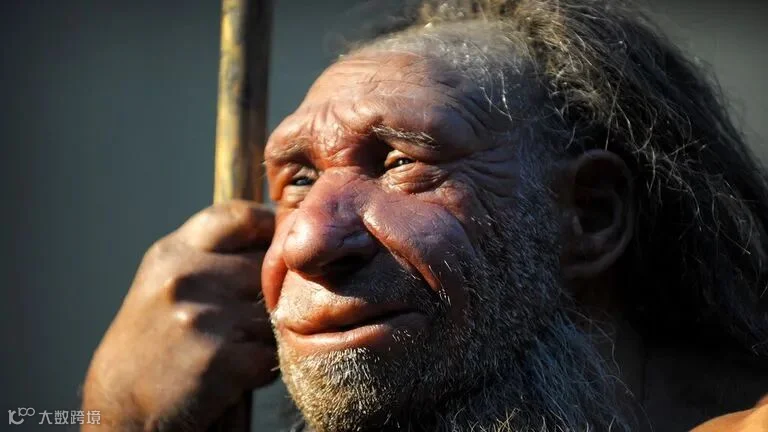
Ever wondered why your partner is up with the lark while you're happy snoozing till noon? It could be thanks to Neanderthal genes, according to a new study.
有没有想过为什么你的伴侣起得很早,而你却舒服地睡到中午?根据一项新的研究,这要归功于尼安德特人的基因。
While the origin of modern humans can be traced back to Africa 300,000 years ago, when these ancestors moved north they interbred with Neanderthals - and traces of their DNA can be found in people today.
现代人类的起源可以追溯到 30 万年前的非洲,当这些祖先向北迁移时,与尼安德特人杂交繁殖。所以,在今天的人类身上可以检测到尼安德特人的DNA。
Scientists comparing ancient DNA with the genetics of modern humans discovered a "striking trend", said the paper's lead author John Capra, an epidemiologist at the University of California in San Francisco.
这篇论文的作者、加州大学旧金山分校的流行病学家约翰·卡普拉说,科学家将古代人类的 DNA 与现代人的基因进行比较,发现了一个“惊人的趋势”。
They found that of the Neanderthal genes that remain, many affect the body clock, "increasing propensity to be a morning person". Neanderthals lived at higher latitudes than our ancestors who migrated from Africa - further away from the equator, with the days longer in summer and shorter in winter.
他们发现,在保留下来的尼安德特人基因中,有许多基因能影响生物钟,拥有这些基因的人更倾向于早起。尼安德特人生活的纬度比我们原来的祖先更高,这意味着他们离赤道更远,昼长夜短。
The gene that makes peoplen early risers "likely enables more rapid alignment of the circadian clock with changing seasonal light patterns", Dr Capra said - so Neanderthals were able to make the most of daylight hours to hunt.
卡普拉博士说,让人们早起的基因使生物钟与不断变化的季节性光线保持一致,所以尼安德特人能够充分利用白天的时间狩猎。
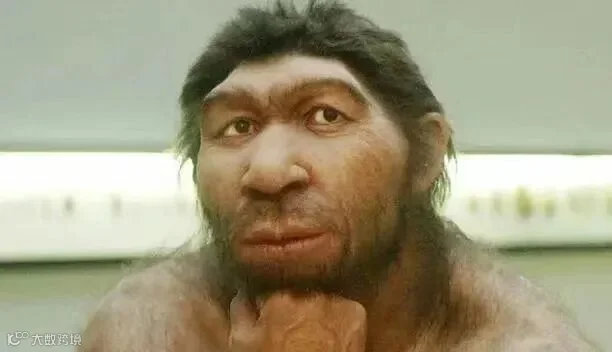
Scientists have previously explored how the circadian rhythms of insects, plants, and fish have evolved depending on latitude. But that hasn't been well studied in humans.
科学家们此前已经探索过昆虫、植物和鱼类的昼夜节律是如何根据纬度而进化的。但还没有在人类身上得到很好的研究。
The researchers wanted to see whether there was a genetic reason for differences in circadian rhythms between Neanderthals and modern humans, and found 16 variants associated with greater "morningness" - the propensity to wake up early.
研究人员想知道尼安德特人和现代人之间的昼夜节律差异是否可遗传,随后他们发现了 16 种与早起基因有关的变异。
They suspected that as Neanderthals and the ancestors of modern humans mated, people today could have inherited Neanderthal "circadian variants".
他们怀疑,由于尼安德特人和现代人的祖先交配,现今的部分人可能继承了尼安德特人的“昼夜节律变异”。
To test this, scientists analysed the genetics of several hundred thousand people from the UK Biobank and found many of the variants that affect sleep preference.
为了验证这一点,科学家们分析了来自英国生物库的数十万人的基因,发现了许多变异基因可以让睡眠质量变好。
"Most strikingly, they found that these variants consistently increase morningness," the researchers said.
研究人员说:“最令人惊讶的是,他们发现这些变异会让晨型人持续增加。”
This is consistent with what has been found in other animals that have adapted to living at a high latitude, as Neanderthals did.
这些发现同样适用于其他在高纬度生活的动物。
重点词汇
propensity
n. 倾向,习性 A predisposition or inclination to, towards, or for a particular action, habit, quality, etc.; a tendency to do something.
例:He showed a propensity for violence.
migrated
adj. 迁徙 That has migrated or undergone migration.
例:It has migrated from Detroit to Silicon Valley, where self-driving vehicles are coming into life.
genetics
n. 遗传学 Biology. With singular agreement. The scientific study of inherited variation in living organisms, and of the cellular and molecular processes.
例:Genetics is also bringing about dramatic changes in our understanding of cancer.
原文链接:
https://news.sky.com/story/neanderthal-dna-could-be-the-reason-youre-a-morning-person-13030087
编译|师嘉利
排版|师嘉利
点击关注,携手成长👇