尽管护士节大大提高了人们的关注度,在当今社会,护士领域还是存在着不同方面、不同形式的歧视问题。其中,最为显著的是年龄歧视、种族歧视、性别歧视。
近期 PLOS One 期刊的一篇研究中表明,40% 的护士反映在医疗工作中曾受过歧视。
Discrimination in nursing involves unfair or unjustified treatment that can harm individuals’ careers and their health. It can occur at the institutional level, when a healthcare organization’s policies curtail opportunities or adversely impact the well-being of certain groups.
护士所受的歧视包括不公或不合理的待遇,这些不公待遇可能会损害个人的职业生涯和健康。歧视可能发生在机构层面,即医疗组织的政策限制了某些群体的机会或会对其福利产生负面影响。
It can also occur among individuals, such as when negative interactions between nurses and patients are based on gender or racial stereotypes.
歧视也同时存在于个人层面,比如护士和病人之间基于性别和种族刻板印象的负面互动。
1.护理工作中的种族歧视
Racism has a profound effect on nursing care. While nurses have a history of advocating to redress inequities in practice, teaching and research, racism nevertheless persists and demands attention on both an individual and systemic level.
种族歧视问题在护理工作中有深远影响。虽然护士们在实践、教学和研究中一直倡导纠正种族歧视带来的不公,但种族歧视问题仍然存在,且需要从个人和系统层面予以关注。
医疗机构许多根深蒂固的政策和做法使有色人种处于不利地位。
《科学》期刊近期发表的一篇研究发现,医疗系统广泛使用的算法中存在种族偏见。这一用于做出病人护理决策的算法严重低估了慢性病黑人病患的需求,而对白人病患的需求给予优待。
根据少数群体健康办公室(Office of Minority Health)数据显示,黑人婴儿的死亡率是白人婴儿的两倍。
教育背景也未能改变种族歧视带来的负面影响。大量研究显示,受过高等教育的中产阶级黑人母亲所生的黑人婴儿死亡率明显高于高中未毕业的白人母亲所生的白人婴儿。
近期国际医疗服务期刊的一篇研究发现,与主要为白人病患服务的医院相比,主要为有色人种服务的医院的新设备和更新资金只有前者的一半。
The dearth of people of color in leadership roles in nursing attests to ongoing systemic racism in nursing.
护理领域领导角色中有色人种的缺乏也证明了护理领域持续存在的系统性种族主义。
研究还发现,护士群体中黑人和拉丁裔人的收入低于白人。
Discussions should explore the many ways healthcare professionals are prevented from delivering equitable care to patients of color. They also need to address the structures in place that act as barriers to nurses of color trying to advance their careers.
人们应当继续深入探讨那些阻碍医护专业人员们为有色人种患者提供公平医疗的原因。并且还需解决现有的阻碍有色人种护士职业发展的结构性问题。
2.护理中的年龄歧视
Unfounded assumptions about their cognitive abilities and stamina have led many to undervalue and underestimate the contributions of older nurses.
对老年护士的认知能力和耐力的误判导致许多人低估了老年护士的贡献。
Whether directed at the young or old, ageism has no place in nursing. Not only does it harm individual nurses, it also damages the nursing profession as a whole. Undervaluing and underestimating nurses because of their age undermines the healthcare delivery process and compromises patient care.
无论是针对年轻人还是老年人,年龄歧视在护理中都不是良善之物。它不仅伤害了护士个人,也损害了整个护理行业。低估护士的年龄和低估护士会破坏医疗保健服务过程,并损害患者护理。
Finally, for nurses who have devoted their lives to caring for patients, age discrimination is a painful blow. Being cast aside can leave older nurses feeling depressed and abused. Additionally, treating nurses with a lifetime of experience as mere financial burdens or second-guessing their professional competency robs them of their dignity and disrespects their contributions.
最后,对于那些毕生致力于照顾病人的护士来说,年龄歧视也是痛苦的打击。被抛弃会让年长的护士感到沮丧和受虐待。此外,将有一生经验的护士仅仅视为经济负担或事后猜测他们的专业能力,剥夺了他们的尊严,也不尊重他们的贡献。
Older nurses play a vital role in healthcare delivery. In fact, their knowledge and experience often mean they have superior judgment when it comes to patient care.
拥有不同年龄的护士可以形成关键的师徒关系。年长的护士帮助缺乏经验的护士学习工作的方方面面,并培训他们对病人有益的宝贵技能。
Too much responsibility on the shoulders of novice nurses not only creates burnout; it results in preventable mistakes. The collective knowledge and support of older nurses helps provide invaluable guidance. It also maintains balance in the work environment.
新手护士肩负的责任太多,会造成倦怠,导致不该犯的错误。老年护士的集体知识和支持有助于提供宝贵的指导,还能保持工作环境的平衡。
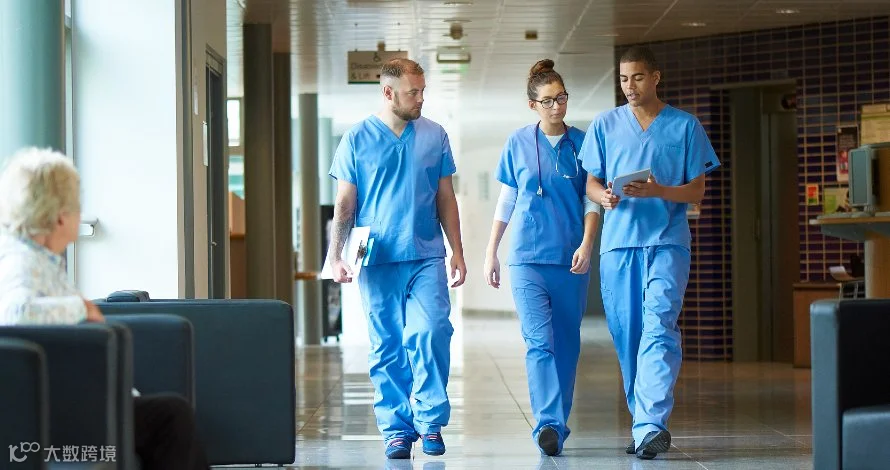
护士们边走边交流
图源:AMNhealthcare
3.护理中的性别歧视
女性从现代护理产生以来便一直主导着这一职业。一部分原因是人们从历史上认为护理几乎就只是家务劳动的延伸,护士只不过是医生的助手。对许多人来说,这暗示着女性最适合做护理。
Gender bias and other stereotypes — including the notions that men don’t possess caring or nurturing traits and women belong in subservient positions — have distorted perceptions of the profession and who can be a nurse.
性别偏见和其他刻板印象,包括男性不具备关怀或养育的特质,女性属于从属职位的观念,扭曲了人们对这护理职业以及其合适人选的看法。
Today’s nurses are a far cry from doctors’ helpers. With specialized knowledge based on extensive training, nurses have many duties independent of physicians and perform tasks that require advanced medical expertise. Nevertheless, gender stereotypes and misconceptions about the nature of nursing persist, perpetuating the problem of gender discrimination in nursing.
今天的护士与医生的助手已相去甚远了。拥有专业知识培训的护士有许多独立于医生的职责,并可以执行需要高级医疗专业知识的任务。然而,关于护理性质的性别刻板印象和误解仍然存在,护理领域性别歧视的问题还在延续。
尽管近年来男性护士的数量显著增加,但在这一职业中,女性人数仍然远远超过男性。
根据美国劳工统计局的数据,2019 年男性在护士中所占比例很小,仅占注册护士的 11% 、执业护士的 12%。
Perpetuating gender biases in nursing fuels outdated perceptions that nursing is little more than a subservient role, requiring only soft skills and compassionate nature.
护理中持续存在的性别偏见助长了过时的观念,也就是护理只不过是一个从属的角色,只需要软技能和富有同情心的天性。
Among the most unfortunate consequences of gender bias is the compromise of the nursing profession as a whole. By associating nursing with femininity, it wrongly links gender to the work.This perpetuates misconceptions regarding the level of professionalism among nurses and diminishes its value.
性别偏见最不幸的后果之一是整个护理职业因此受损。护理职业错误地将性别与工作联系起来,因为它将护理与女性的特质捆绑在一块。这使人们对护士的专业水平产生误解,并降低了其价值。
消除各种歧视和偏见,不只是医护行业内部的挑战,也是全社会需要直面的问题。一直在默默照顾守护我们的护士们,也值得我们守护。