大数跨境

“英雄税”:“英雄”职业就应当不求回报无私奉献?

“英雄税”:“英雄”职业就应当不求回报无私奉献? QuriositySISU
2024-05-20
2
导读:研究表明,军人、医生、教师这些职业因为背负“英雄”称号,正在承受系统性的剥削。


全文字数:2859字  /  阅读时长:9分钟


 图源:Getty Images


Few people would deny that some professions command a certain reverence. Veterans, firefighters, health workers and teachers ensure our security, save our lives and nurture future generations. It's little wonder that we label them as "heroes" – a word that evokes the strength and selflessness that seem evident in the day-to-day responsibilities of these jobs.

多数人都认同:总有一些职业令人钦佩,比如退伍军人、消防员、医务工作者和老师,他们保证人民安全,拯救万千生命,并培育未来一代。因此我们称之为“英雄”便不足为奇,“英雄”一词让人联想到他们日常工作中的坚强和无私。


这些温暖的情感值得称赞,但最近的研究却表明,英雄的标签也包含着对这些工作者们个人需求和抱负不切实际的假设。比如,人们普遍认为,英雄根本不关心公平劳动报酬这样的问题。


美国杜克大学富卡商学院博士后助理研究员马修·斯坦利(Matthew Stanley)认为:“这显然存在着推理和逻辑谬误。”而这一点在工作场合可能会造成严重后果。


他的研究表明:“英雄化heroisation)可能导致更低的薪酬,也可能导致其他人对导致工作条件恶化的政策视而不见。斯坦利说:“如果被剥削者是“英雄”,我们便不那么关心待遇差的问题。”

“无私英雄”的困境

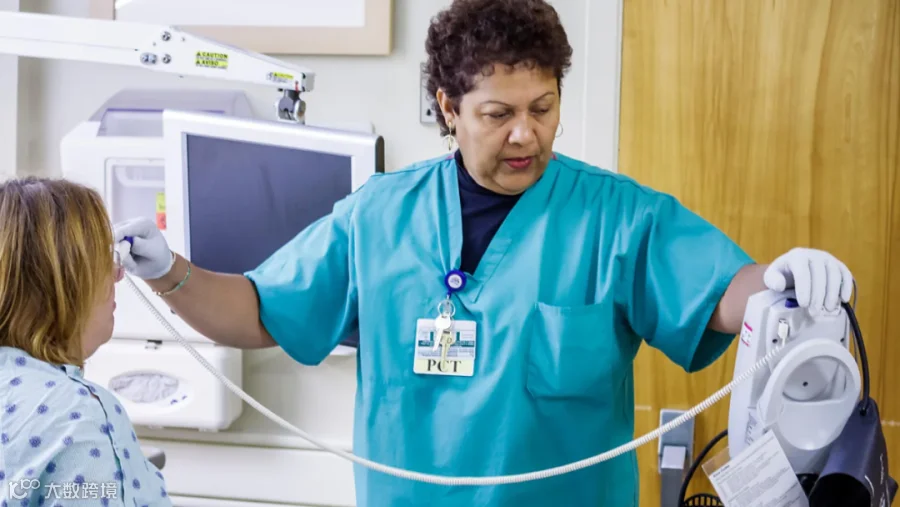
医护人员在疫情期间被贴上了英雄的标签,但这个标签改变了人们对这些医护人员公平报酬的看法。

图源:Alamy



救死扶伤的医护人员是“英雄”职业中的大类。然而近两年,全球多地都出现了大规模的医护人员罢工,医务工作者们自新冠疫情后长期处在高压环境下,人手短缺、过度工作、不公平的薪资、心理健康问题等多种因素引发了医护“英雄”们的崩溃。


"It's a "wild" swing", says Gretchen Purser, associate professor of sociology,US, from the way those same workers were celebrated in the throes of the pandemic. "Three years ago, they were being lauded as heroes – literally heroes," she says, "and now they're just left to the aftermath of all this."

美国社会学副教授格雷琴·普瑟(Gretchen Purser)说:“与新冠疫情时期人们对医护工作者的赞誉相比,这实在是一次剧烈的变化。几年前他们被誉为名副其实的英雄,而现在却只能面对这一切的余波。”


拯救动物生命的兽医同样遭受着“英雄化”带来的问题。很多时候,主人们无法负担宠物疾病的治疗和手术费,这就使兽医们陷入一个困境:他们在医学上有能力提供帮助,但却无法在不收取费用的情况下提供治疗。兽医们最常受到的批评就是贪婪


Emily Volk is a veterinarian. A lot of the time when we're talking about what we need to do for someone's pet, all they're hearing is the incredible cost," says Volk. "You get accused of only being here for the money. A couple of weeks ago, someone called me a thief."

艾米丽·沃尔克(Emily Volk)是一位兽医,她说:“很多时候当我们谈论需要为宠物做些什么时,主人们听到的只有惊人的治疗费用。你会被指责惟利是图。几周前,甚至有人说我是小偷。”


图源:Getty Images

“英雄之称”是把双刃剑

作为一名心理学家,斯坦利开始思考“无私英雄”这一概念本身是否会导致他们的需求被忽视


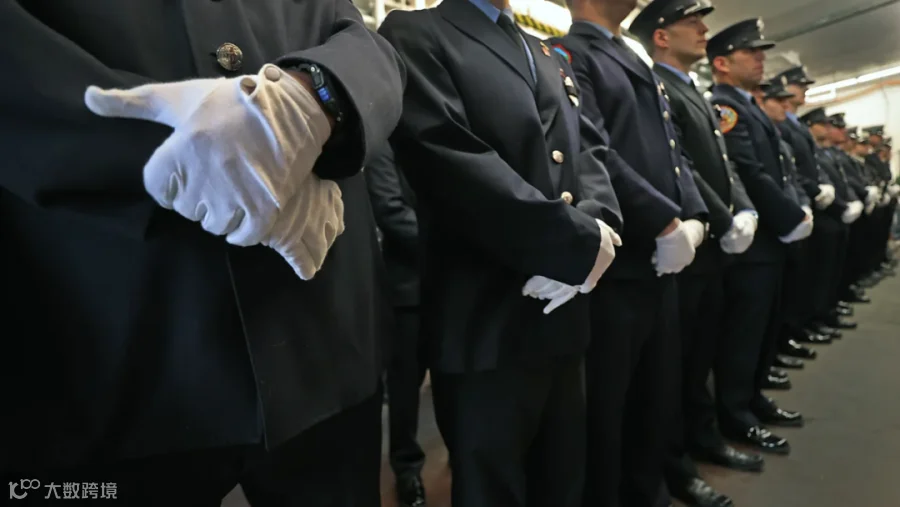
于是斯坦利与福夸商学院教授亚伦·凯(Aaron C Kay)合作,设计了一系列研究,以探究人们对 “英雄”职业的假设。最初的两次调查显示:人们认为退伍军人远比普通美国公民更英勇,这与人们对无私和自我牺牲的看法有关。


斯坦利说:“人们对退伍军人的看法非常正向:希望和退伍军人们成为朋友、伙伴、邻居。他们是典型的英雄群体。”


他们继续研究了人们对“军人退伍后应寻找何种工作”的看法。在各种调查问卷中,参与者都认为退伍军人更适合从事为他人服务的工作,比如筹款员、护理员或家庭保健助理,而不适合从事与自身利益相关的高薪职业,比如私人银行家或保险代理人。


Crucially, the researchers found that reinforcing the hero stereotype increases the size of the effect. When the participants saw a logo saying "hire our heroes" alongside their questionnaires, for example, they were even more likely to endorse charity work for the veterans.

关键是,研究者们发现,强化英雄刻板印象会增加这种影响的程度。例如,当参与者们在填写问卷时看到“雇用我们的英雄”这一标语后,他们便更支持退伍军人参与慈善类工作。

图源:Getty Images


斯坦利怀疑,这些潜在假设会不公平地“引导”人们从事那些符合无私刻板印象的职业

英雄就该“被剥削”?

斯坦利和凯的第二篇论文讨论了“英雄化”可能在不同领域助长工作剥削,如教育、护理、社工、警务等。


实验参与者们首先被要求对每个行业中的典型工作者是否是英雄进行评分。然后他们需判断这个工作者在没有任何回报的情况下自愿多工作一天的可能性有多大。


As expected, the participants' responses were correlated. When the participants considered a job to be heroic, they had much higher expectations that the workers would sacrifice their day off for free. 

不出所料,参与者的回应是具有相关性的。当参与者认为某一职业有英雄性时,他们对于工作者无偿额外工作的期待就越高。


The researchers' final experiments studied the participants' opposition to policies that would harm workers' rights. Would the hero label reduce or increase people's outrage at news of teachers' pay cuts, for example?

研究者的最后一项实验研究了参与者对损害工作者权利的政策的反对态度。例如,英雄标签会减少还是增加人们对教师减薪消息的愤怒?


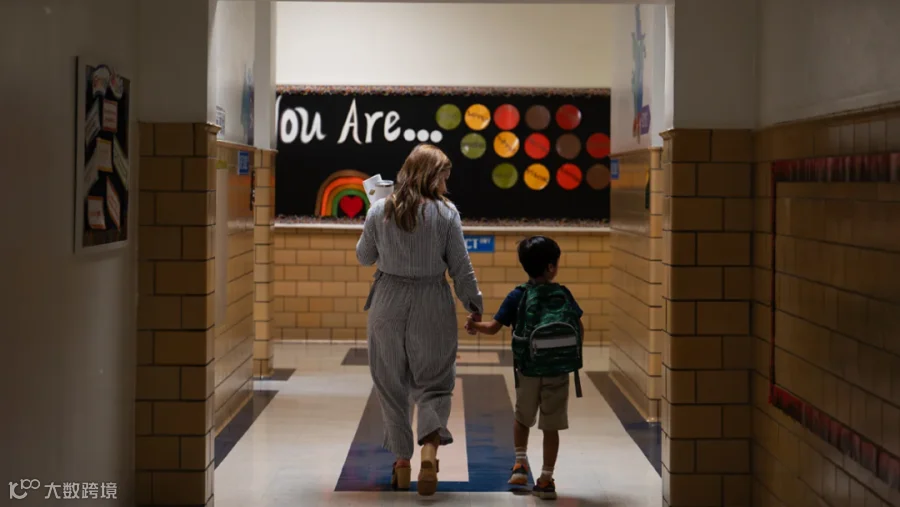
 图源:Getty Images


研究者用文字详细描述了一项消减学校预算的政策,然后要求实验参与者表明自己的态度。在某些情况中,这些文字还附有老师们身着超级英雄服装的卡通图像,其他情况下则为纯文字。


You might expect that the natural respect we hold for heroes would reduce support for the pay cuts – but this was not the case. Thanks, apparently, to the associations with selfless altruism, the participants tended to show less opposition to the policy when they saw the picture of the teachers in the capes.

你或许会认为:我们对英雄的天然敬意会减少对减薪政策的支持,事实却并非如此。显然,由于人们对无私利他主义的联想,当参与者们看到身穿英雄披风的老师图像后,他们对减薪政策的反对程度会降低


"It's brutally ironic," says Stanley. "Because of our veneration, we're more tolerant of them being treated badly."

斯坦利认为,“这实在太过讽刺。因为对他们职业的崇敬,我们对他们受到的不公平待遇便更加宽容。

斯坦利的发现与英国赫尔大学重症护理专业副教授尼基·克雷德兰(Nicki Credland)的观点不谋而合。她认为,英雄叙事会削弱人们对这一职业专业技能和教育的认可


"[It suggests] we do our jobs because we have a calling and an innate desire to help people – but that's no more true of nursing than it is of many other professions," she says. "And it has a negative impact when we want to be appropriately renumerated for the skills and expertise that we have."  

她说:“(它暗示)我们从事这一工作是因为我们有使命感和与生俱来的帮助他人的愿望——但实际上护理工作并没有比其他工作更特殊。而且,当我们希望我们所拥有的技能和专业知识能够得到相应的薪资报酬时,这会产生负面影响。”


Sapna Cheryan, a professor at the University of Washington in Seattle, says the results fit neatly with the scientific literature on "positive stereotypes". 

华盛顿西雅图大学的教授萨普纳·切尔扬(Sapna Cheryan说,这些结果与有关“积极刻板印象的科学文献完全吻合。


她将其比作“穷开心”的观点,即若低收入人群在某种程度上生活得更简单和快乐,这会减少人们对不平等原因的担忧。


"We grant people some positivity and then we undermine them," she says. 

她说:“我们给了人们一些积极的评价或标,然后削弱了他们的真实价值。”


法国枫丹白露英士学院组织行为学助理教授纳达夫·克莱因(Nadav Klein)认为,和其他偏见相同,“英雄化”源于我们倾向从“对其他人的粗浅认识”中得出推论。


"People can make mistaken assumptions based on tiny titbits of information." Such heuristics are common in human reasoning and decision making – and they can be very difficult to correct.

人们根据一些细微的信息对其他人做出错误的假设。这种启发式思维在人们的推理和决策中很常见,同时也很难改正。

如何解决英雄困境?

The most obvious solution may be to discourage the use of the "hero" label – but Stanley doesn't think this would be feasible. It is so widely used to convey respect that it would be difficult to persuade people to stop using it, he says.

最明显的方法可能是避免使用“英雄”标签,但斯坦利认为这并不可行。“英雄”被广泛用于表达敬意,因此很难说服人们停止使用。


Instead, he thinks the answer may lie in cultivating greater awareness of the many different reasons that someone could choose a "heroic" profession – besides the general wish to help others. Someone might join the military for the specific training and education that comes with the job, for example.

相反,他认为答案可能在于帮助人们更深入地认识到,有人选择“英雄”职业可能出于多种原因,而不仅是一心助人。例如,有些人可能是为了工作带来的特殊训练和教育而参军。


Stanley's research has found that describing these motives can prevent people from making crude assumptions about their subsequent career choices. "We should teach the public about what it is that these people actually want, so that they rely less on the 'caricatures' and stereotypes," he says.

斯坦利的研究发现,描述这些动机能够避免人们对他们之后的职业做出粗略的假设。他说:“我们应该让公众认识到这些人真正想要的是什么,从而减少他们对夸大化印象或刻板印象的依赖。”


We are all multifaceted individuals, after all, with many competing needs and ambitions – and recognising this fact need not undermine our respect and admiration for the people who keep us safe, secure and healthy.

毕竟,我们每个人都是多面的个体,彼此间存在着竞争,也有自己的个人抱负。认识到这一事实并不一定会削弱我们对保障我们安全和健康的工作人员的尊重和敬佩。

1

END

1

原文链接:

https://www.bbc.com/worklife/article/20240409-heroic-jobs-earn-less-money

https://www.bbc.com/worklife/article/20231010-the-acute-suicide-crisis-among-veterinarians-youre-always-going-to-be-failing-somebody

https://www.bbc.com/worklife/article/20231027-why-so-many-healthcare-workers-are-walking-off-the-job


编译 | 曹蕾

排版 | 曹蕾


点击关注,携手成长👇


【声明】内容源于网络
0
0
QuriositySISU
编译全球年轻新风尚 滋养你的优质好奇心SISU国际新闻编译实践项目平台
内容 1081
粉丝 0
QuriositySISU 编译全球年轻新风尚 滋养你的优质好奇心SISU国际新闻编译实践项目平台
总阅读203
粉丝0
内容1.1k