


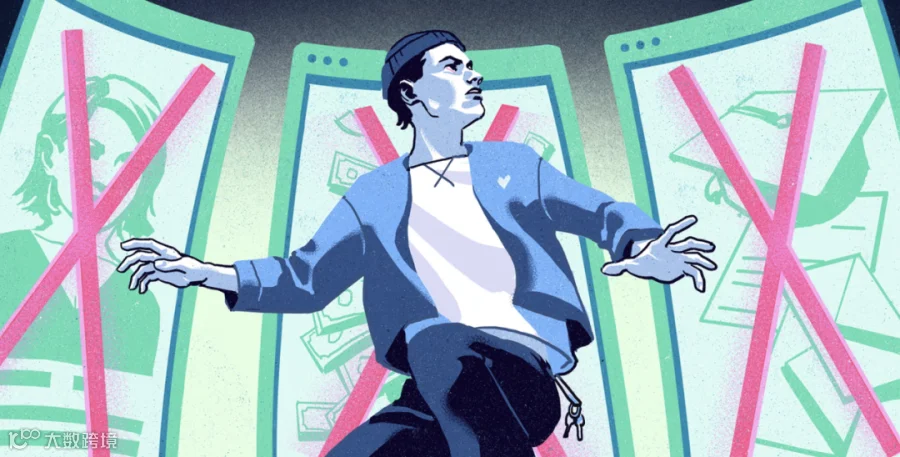
26岁的Em大学毕业后屡屡碰壁:2020年他从雕塑专业毕业时,新冠疫情已持续两个月,就业无门。之后,他参加了编程训练营,开始申请科技行业的工作。然而申请的10个岗位均遭拒绝。去年,他向通信、行政和服务等行业投递了400多份工作申请,全部被拒。他现在只能住在亲戚家,靠每月 700 美元的合同工作收入勉强维持生计。
"I am miserable, and it is breaking my body down," Em said. "I am not living a life that I feel is worth living at this moment."
“我很痛苦,感觉要垮掉了。我觉得自己现在的生活毫无价值。”他说。
Em的故事折射出 Z 世代普遍存在的恐慌与绝望。
如今,当人们谈起当代年轻人时,对他们遭遇的历史困境怀有真切同情:新冠疫情、气候焦虑、特朗普政府的混乱、互联网对现实文化的全面侵蚀,以及人工智能颠覆整个行业的可能性。
Z 世代身上被贴上了一连串标签:"最焦虑的一代"" 最规避风险的一代""压力最大的一代"" 最倦怠的一代"以及"最孤独的一代" 。去年,《世界幸福报告》(the World Happiness Report)更是将这代人称为 "最不幸福的一代"。
But there's another superlative — one exacerbating all that stress, anxiety, loneliness, and burnout— that's so far been overlooked. By several measures, Gen Z may be the most rejected generation in human history.
人们至今忽视了另一个标签:Z 世代可能是人类历史上遭遇最多拒绝的一代。这从多个方面都加剧了他们的压力、焦虑、孤独和倦怠。
恋爱篇
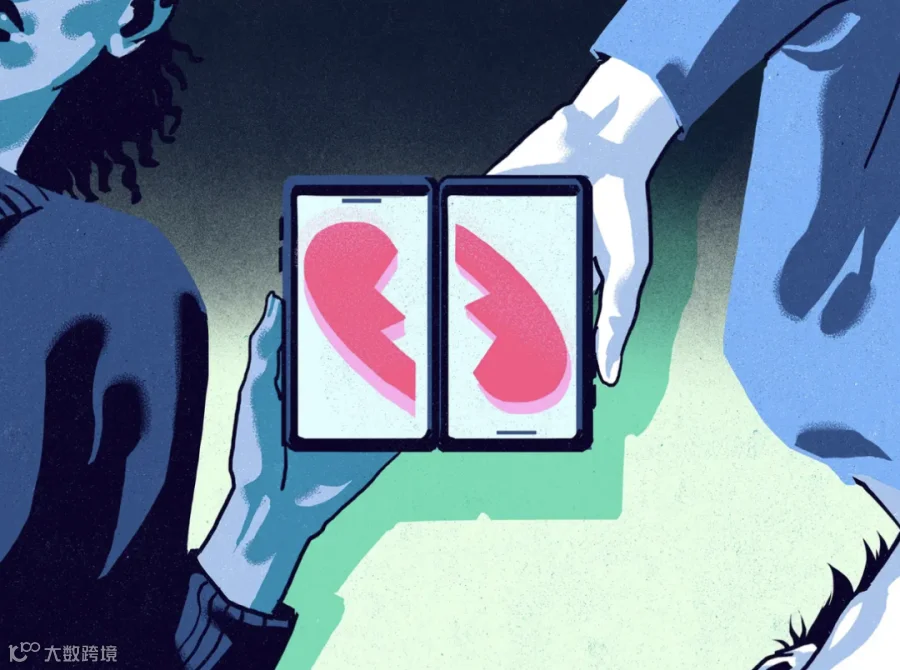
The paradox of online dating has been thoroughly documented: Despite having more access to potential partners than ever, young people have invented vocabularies to describe the endless purgatorial disappointments of "ghosting," "situationships," "breadcrumbing," and the hellscape of the apps themselves.
在线约会的悖论早已被广泛探讨:尽管现在的年轻人比以往任何时候都能接触到更多的潜在伴侣,但他们却创造了大量新词来描述这种无休止的“炼狱式”失望——“消失(ghosting)”“暧昧关系(situationships)”“撒面包屑式交友(breadcrumbing)”以及这些约会软件本身所带来的“地狱般体验”。
去年,约会软件Hinge对15,000人进行了约会观念调查。56%的Z世代受访者表示,害怕被拒绝让他们不敢主动追求一段关系,而千禧一代中持相同观点的比例为51%。
So as young people relentlessly reject each other, many are too scared to risk truly putting themselves out there in the first place.
当年轻人不断互相拒绝时,许多人甚至害怕迈出真正接触他人的第一步。
执业治疗师杰夫·金特(Jeff Guenther)指出,Z世代已经将“共同规避风险”常态化。如今的年轻人似乎更倾向于轻易放弃一段关系,因为他们觉得只需轻轻一滑,就有无数潜在伴侣在等待着。
"There's the resilience that comes from the frequent rejection that makes them great at moving on, but then they're less equipped for the real-world relational challenges that require compromise and patience," he says.
他说,“频繁的拒绝确实让他们在‘向前看’这方面表现得很出色,但与此同时,他们却也缺乏妥协技巧和足够耐心,来应对现实世界中的恋爱关系。”
"I'm finding there's more of a pervasive numbness that looks like resilience," she says. "But that's not resilience; that's disconnect."
“我发现,许多Z世代面对拒绝的表现看似坚韧,实则是一种普遍的情感麻木。那并不是韧性,而是断联。”曼哈顿心理健康咨询中心的创始人兼临床主任娜塔莉·布赫瓦尔德(Natalie Buchwald)认为。
求学篇
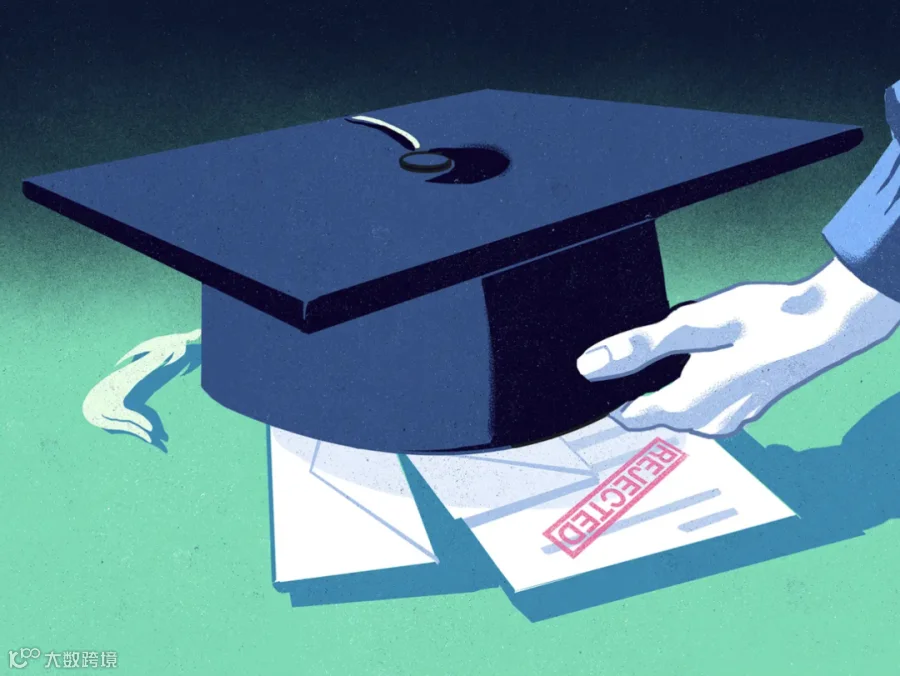
Meanwhile, more technology-augmented opportunity has also bred much more rejection in the college admissions industrial complex.
与此同时,科技带来了更多便利,却也在大学招生这一产业体系中催生了更多被拒的情况。
1960年以前,超半数大学申请者仅申请一所学校。而在2023 - 2024招生季,申请者平均仅向通用申请系统(Common App)关联的学校就申请了6.65所,比上一年增加7%。
22岁的迪伦是纽约大学的一名学生。他高中时曾参加校橄榄球队,加权平均绩点高达4.7。他申请了大约20所学校这个数量让他心里没底。他说:“我认识好多人都申请了20到40所学校。” 最后,他只收到了三四份录取通知书,这让他颇为受挫。
20岁的Ella来自宾夕法尼亚州的阿伦敦,她申请了12所大学,却被其中10所拒绝。回顾这一经历,她坦言:“当时的我太自信了,自信得毫无根据。在高中毕业前,她曾发布了一篇文章,感慨自己曾坚信“努力就会成功”,却在连遭拒绝后不得不重新审视这个信念。
Perhaps they were already steeling themselves against rejection— another shade of disconnect.
也许他们早已在心理上做好了面对拒绝的准备——这或许是另一种形式的疏离感。
心理学家巴里·施瓦茨Barry Schwartz,在其2004年出版的著作《选择的悖论(The Paradox of Choice)》中探讨了消费者选择与满意度之间的关系,并将人分为两类:“最大化者(maximizers)”,即追求最优选择的人,以及更加快乐的 “知足者(satisficers)”,即愿意接受“足够好”选项的人。而如今,充满无限选择的环境在z世代中催生了大批“最大化者”。
He sees the "whatever" reaction among rejected applicants as a "very self-protective response".“If you minimize the significance beforehand, then the pain of failure will be less consequential, It kind of drives me crazy to see people doing this, especially if it's a reflection of their effort to protect themselves rather than just their cynicism about living in modern society."
他认为被拒申请者的“无所谓”反应是一种“强烈的自我保护”。“事先看淡结果,失败就不那么痛。这是他们在自我保护,而非仅是愤世嫉俗,这让我更加揪心。”
求职篇
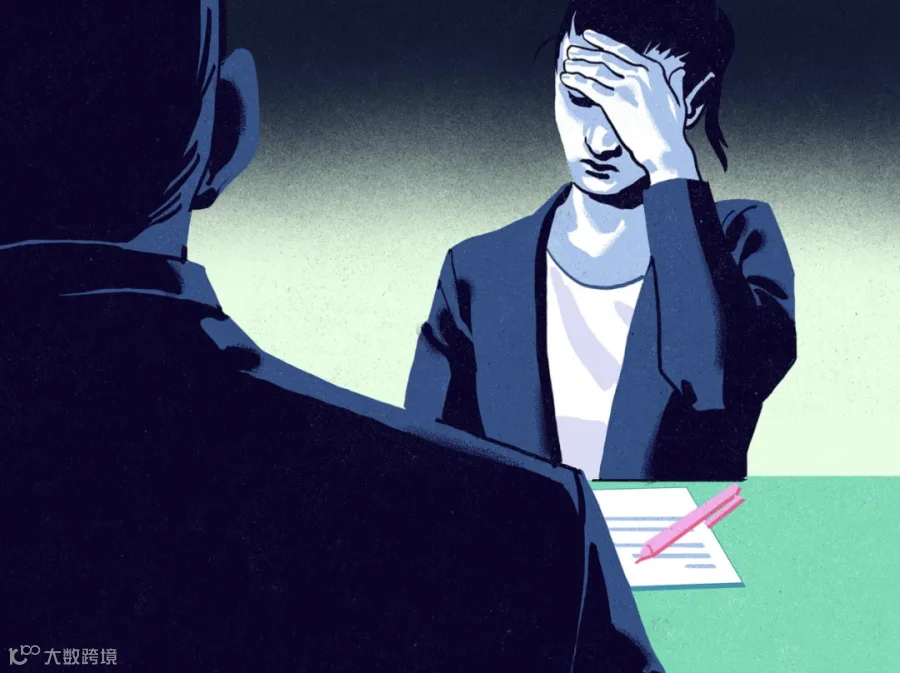
College is its own gauntlet, but the scale of rejection in the job-hunt is an order of magnitude more hellish.
大学申请无疑是一场恶战,而求职之路的遭拒系数更是堪称地狱级别。
Z世代一天内在各种招聘平台上申请的工作数量,比许多婴儿潮一代一辈子申请的工作数量都多。数据显示,2025年2月,每个知识型岗位的招聘平均收到244份申请,而在2019年2月,这一数字仅为93份。也就是说,每收到一个录用通知,就意味着有243次被拒或申请毫无回音。
这种广撒网式的求职生态并非Z世代独有,却成为这代职场新人必须适应的生存法则。
24岁的克里斯托弗(Christopher)被授予金融学位,投了几百份简历才找到心仪的工作;而他的计算机专业的研究生朋友已经投了上千份简历。
Even though the logistics of applying are more or less streamlined, Gen Zers note the disconnect between the effort they're expected to make versus the consideration given in return. Colleges at least have to formally tell you no, while jobs, like a dating app match, tend to ghost at any point in the process.
Z世代年轻人日益感受到求职投入与反馈的严重失衡。大学至少会正式的通知“你被拒绝了”,但是工作给你的回复往往会像用约会软件随机匹配的另一半一样经常“已读不回”。
"大学就业指导老师教我们要深度经营每份申请——拓展人脉、寻求内推、定制简历,"23岁的巴纳德学院应届毕业生凯瑟琳说,"但现实是,你可能为一个岗位熬过六轮面试加实操测试,苦等数月后却连封拒信都收不到。"她在过去一年已投递300份简历,完成20次面试。
"You have no idea if you're even doing it right," Catherine says. “It feels like being in a hedge maze, and there's probably a path through, but you feel like you keep running into walls. I worked so hard for four years, and now I'm just sending applications into the void."
“你根本不知道自己做得对不对,” 凯瑟琳说。“我感觉像置身迷宫,可能有条出路,但却处处碰壁。我努力了四年,可现我的求职申请都像投进了黑洞。”
For Gen Zers, the disenfranchising reality of chasing entire flocks of wild geesehas diminished their self-esteem.
这种四处碰壁徒劳无功的现实逐渐磨损了Z世代的自信。
22岁的兰娅(Lanya)去年被授予了媒体研究学位,她是家里面的第一个大学生,但目前还没有找到工作,这让她感到羞愧,自我价值认同感跌至谷底。
"This is my time to say thank you and pay them back by showing them what they sacrificed was worth it, but I can't help them the way I want to."
“我本应该(找到工作)来回报我家人对我的付出,但现实的我无能为力。”
Dylan, the finance grad, says the job hunt made him modify his expectations for the future. "I just remember applying to so many and feeling like: I don't care what I get. I just need to survive. I'm not scared of failing; I'm just scared of dying."
金融专业的毕业生迪伦(Dylan)说,找工作改变了他对未来的期望。“我只记得我投了很多简历。我什么也不在乎,只要能活下去就行。我不怕失败,我只是怕死。”
另一方面,部分Z世代在屡屡被拒后开始创业,积极投身网红经济(influencer economy)——这个行业一直在招人(It's always hiring)。
如何对抗人生“拒”本?
For Gen Z, their fates are increasingly shaped by the uniquely depersonalized, and depersonalizing, forces of technology, primarily the algorithms that pervade modern dating, college admissions, and the hiring process.
对Z世代来说,他们的命运日益被精心打造的技术、尤其是算法塑造。这些去人格化、去人性化的算法正在约会、升学、求职等场景中渗透蔓延。
"There's this technology, whether it's the algorithm or AI, that's sort of against you," says Guenther, the TikTok-famous therapist. "You're not being rejected by actual people, but you're being filtered out or rejected by technology. And maybe the anger should be directed at Apple and Google and Tinder and Facebook or Meta."
TikTok知名心理治疗师Guenther指出:“无论是算法还是 AI,这类技术本质上都对你不利。你不是被真实的人拒绝,而是被技术筛选淘汰。或许你的愤怒应该对准苹果、谷歌、Tinder和Facebook(或Meta)等科技公司。”
Yet this anger is curiously absent in all my conversations with Gen Zers. For one thing, they're savvy enough to understand that technology itself isn't worth blaming if you aren't addressing the human biases codified in the automation.
然而,这种指向技术的愤怒在Z世代中却离奇缺席。他们清醒地认识到:如果不解决嵌入系统中的人为偏见,单纯指责技术本身并无意义。
Instead, the predominant mood was one of resignation, or perhaps acceptance. "It's a numbers game," one current college student says, or a "waiting game."
取而代之的是一种听天由命,接受现实的普遍心态。一位在读大学生坦言:“这就是场概率游戏,说白了就是比谁更能熬的等待游戏。”
在经历了多次求职失败后,2020年毕业的26岁雕塑专业的美国大学生Em终于在一家香水店找到了工作。尽管每周只有35小时,且没有福利。
Em says, "every single day in this job, I get the chance to make someone's day — to actually see my impact on the world, even if on a small scale."
但他说,“工作的每一天,我都有机会让某个人感到开心。我能看到自己对这个世界产生真实的影响,哪怕很微小。”
原文链接:
https://www.businessinsider.com/gen-z-most-rejected-generation-college-careers-jobs-dating-ghosting-2025-3
点击关注,携手成长👇