


全文字数:2089字 / 阅读时间:7分钟
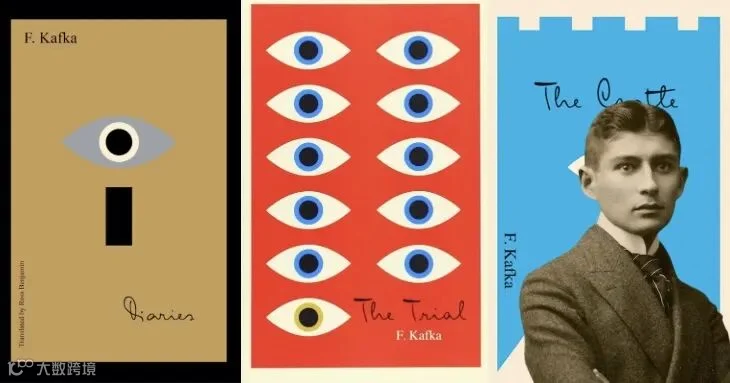
One hundred years ago, Franz Kafka died — not that he ever liked being here among the living. He raced to an early death, aged 40, having spent all his life kvetching about it or escaping from it into the phantasmagoria of his fiction.
一百年前的今天,作家弗朗茨·卡夫卡(Franz Kafka)离开了人世——他也不曾喜欢这人世。在 40 年的短暂人生里,卡夫卡要么在抱怨,要么在逃离,进入他在小说中搭造的幻境。
对于这样阴郁的作家,纪念他的日子不应是诞辰,而是忌日。我们可以想象莎士比亚戴着派对帽、切蛋糕过生日的样子,但这不适用于卡夫卡,他 13 年的厚重日记里从未有过任何生日庆祝活动的记录。
在生命的最后几周,肺结核扩散到了他的喉咙。医生们告诫他不要说话,于是他用纸笔同陪伴在他身边的朋友们交谈。
‘Put your hand onto my brow for a moment to give me courage’.
“请把你的手放在我的额头上一会儿,给我勇气。”
这是他临终前交谈纸条上的一段文字。如今,这些纸条首次在牛津韦斯顿图书馆“卡夫卡:一个偶像的诞生(Kafka: Making of an Icon)”展览中公开展出。

德剧《卡夫卡》(2024)中,Joel Basman扮演的Franz Kafka
一百年后的今天,世界对卡夫卡的迷恋丝毫没有减弱的迹象:他的日记刚刚在英国出版;他的生平最近才被德国人制作成电视连续剧;波兰导演阿格涅什卡·霍兰德(Agnieszka Holland)正在布拉格拍摄卡夫卡传记片;TikTok 上,带有 #Kafka 标签的视频浏览量约有 20 亿次。
卡夫卡可能是最懂Z世代的人?
卡夫卡 1883 年出生于布拉格(今捷克首都)的一个讲德语的犹太家庭。他曾获得法律学位,受过律师职业培训,白天任职于保险公司,晚上则投身写作。
Franz kafka was not a social person: he spent much of his time alone, trying, and often failing, to write.
卡夫卡不善社交:大部分时间里,他孤身一人,尝试写作,饱尝失败的滋味。
But on social media he is a hit.
然而,在今天的社交媒体上,卡夫卡却广受追捧。
TikTok 上有热门评论认为,“卡夫卡如果在世的话,一定会喜欢Z世代的”,“卡夫卡是唯一理解我困境的人”。
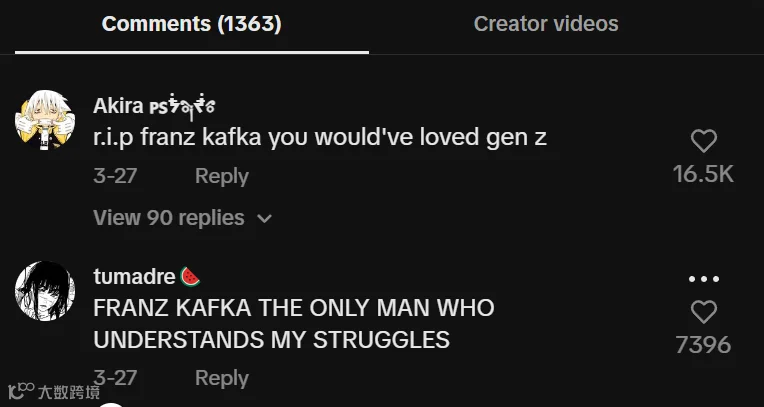
#Kafka posts on TikTok have been viewed around 2bn times. Users—particularly young women—swoon over his soulful letters to Milena, his on-again, off-again paramour. Kafka is “the og lover boy”*, reads a caption, below a video of a girl with a t-shirt that says “Reading is sexy”
TikTok上,#Kafka 这一标签下的视频有约 20 亿次的播放量;有网友(尤其是年轻女性)心醉于他写给分分合合的情人米莲娜的情书;有女性网友身着写着“阅读很性感”字样的 T 恤,将卡夫卡奉为“绝佳男友“*。
译注:“the og lover boy”中的“og”是“original gangster”缩略词,用来形容一个非凡的人。
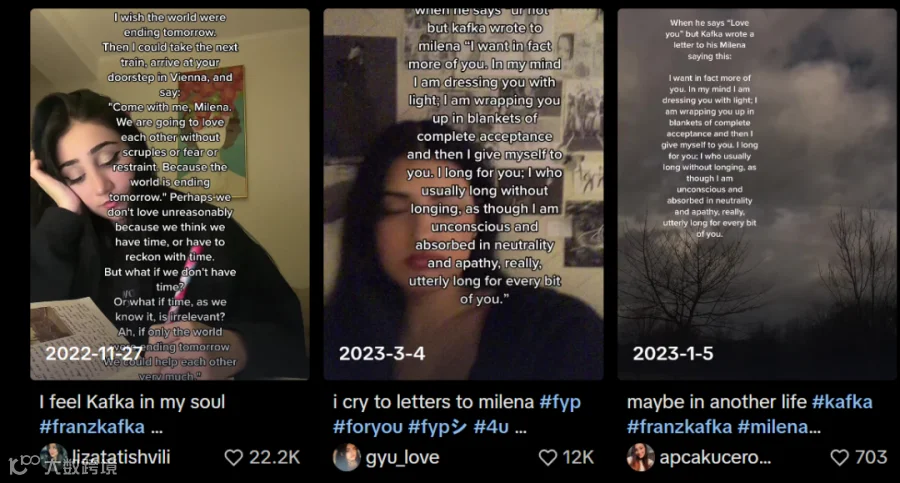
卡夫卡写给米莲娜的书信吸引了TikTok上的很多年轻女孩/ 图源TikTok
其中,卡夫卡在三年时间里给米莲娜写的《致米莲娜的信》是 TikTok 上的热门话题。
译注:1920年4月,卡夫卡与记者米莲娜相遇于布拉格的一场朋友聚会,当时米莲娜表明想将卡夫卡的两部小说翻译为捷克文,一段关系也就此展开。卡夫卡和米莲娜只见过两次面,信件是他们彼此的桥梁。

Dear Milena, I wish the world were ending tomorrow. Then I could take the next train, arrive at your doorstep in Vienna, and say: “Come with me, Milena. We are going to love each other without scruples or fear or restraint. Because the world is ending tomorrow.”
亲爱的米莲娜,我希望明天世界就结束,这样我就可以搭乘下一班火车,抵达你在维也纳的门前,然后说:‘和我一起走,米莲娜——我们要彼此相爱,没有顾忌、没有恐惧、没有约束。因为明天世界就要终结了。’”
——卡夫卡《给米莲娜的信》
The correspondence offers commentary on the slippery nature of disembodied relationships, too. As Kafka wrote to Jesenská in 1922, “Writing letters is actually an intercourse with ghosts, and by no means just with the ghost of the addressee but also with one’s own ghost.”
其实,卡夫卡写给米莲娜的信里也对无实体关系的狡猾本质进行了评论:“写信其实是在与幽灵交往,不仅仅是与收信人的鬼魂,还有自己的鬼魂。”
粉丝们将卡夫卡充满激情的情书与她们收到的懒惰而无趣的求爱短信进行了有趣的对比。
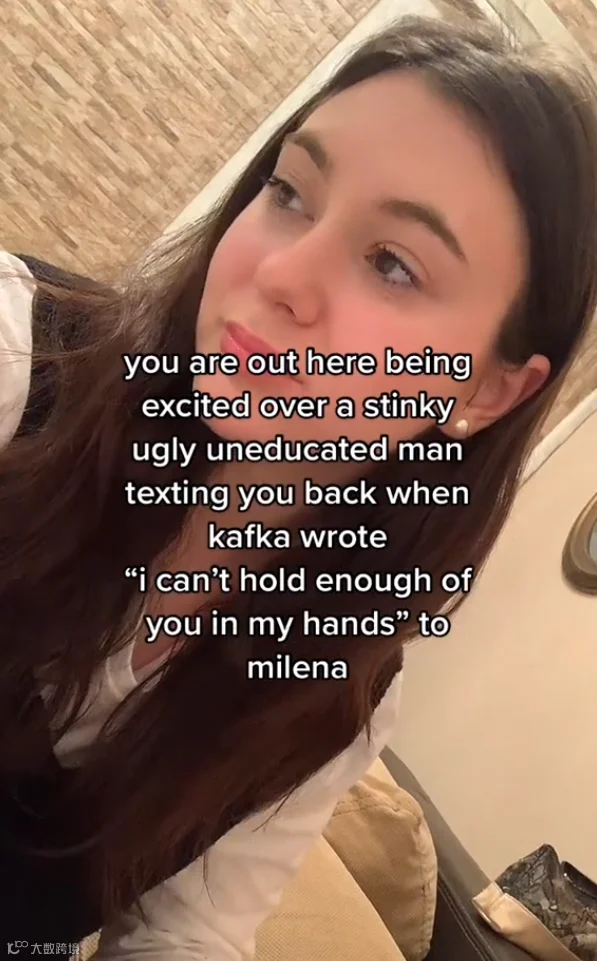
25 岁的玛格丽塔·穆卡(Margarita Mouka)在 TikTok 视频中写道:“卡夫卡为米莲娜写出了‘我无法让你在我的手中停留足够长的时间’这样的语句,而你却为一个又臭又丑还没文化的男人回的短信而兴奋。”
什么是如今的"卡夫卡时刻"?

“As Gregor Samsa awoke one morning from uneasy dreams he found himself transformed in his bed into a gigantic insect.”
“一天早晨,格里高尔·萨姆沙从不安的梦境中醒来,发现自己在床上变成了一只大的吓人的甲虫。”
——卡夫卡《变形记》
First coined in the 1940s, the 'Kafkaesque' was originally used as a byword for state-sponsored terror, but since then its scope has vastly expanded.
“卡夫卡时刻”,直接翻译应该是“卡夫卡式”,最早出现在 1940 年,用来形容国家支持的恐怖主义,但随后,它的含义大大扩展。
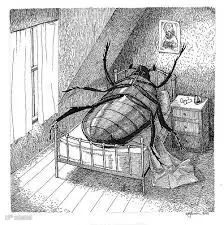
在现代,“卡夫卡时刻”应该如何理解?复旦大学德语系教授李双志解释说,当我们在某一刻发现了荒谬,发现了我们无能为力、弱小、怯懦,发现了我们面对一个庞大的、都不知道是什么的东西在左右我们的生活,那个时候我们会说这是“卡夫卡时刻”。
Today’s uses range from the more trivial frustrations of daily life to serious miscarriages of justice.
当今社会,“卡夫卡时刻”依然无处不在,小到日常生活中的微小挫折,大到严重的司法失误。
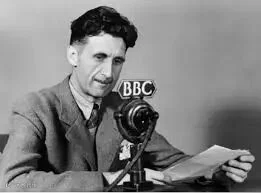
乔治·奥威尔 / 图源维基百科
一项针对英国主流媒体(印刷媒体与网络媒体)的特别调查显示,“卡夫卡式 (卡夫卡时刻)”这一形容词在过去两年里被使用了 570 次。它虽比不上“奥威尔式(Orwellian)”980 次的频次,但有自己名字作形容词的 20 世纪作家实属罕见,他们唤起了人们对人类境况的某种思考,其影响远超他们作品的读者范围。
There the psychic cost of modernity is perhaps more keenly felt than in Europe. Millions of Asian people are still only one generation removed from a rural, religious way of life, as Kafka was. It may even be the salaryman in Seoul or boxwallah in Kolkata who most resembles Gregor Samsa, who upon being transformed into an insect can still only worry about getting to work on time to provide for his extended family.
牛津大学学者卡罗琳娜·瓦特罗巴(Karolina Watroba) 在《变形记:寻找弗兰茨·卡夫卡》一书中提到,在东亚,现代化的心理代价可能比欧洲更为明显。数百万的亚洲人距离乡村和宗教主导的生活只有一个代际之隔,正如卡夫卡当年那般。或许远在首尔的上班族或者加尔各答的销售员最能与格里高尔· 萨姆沙产生共鸣。当格里高尔在变成昆虫后,仍只担心能否按时上班以养家糊口。
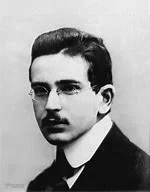
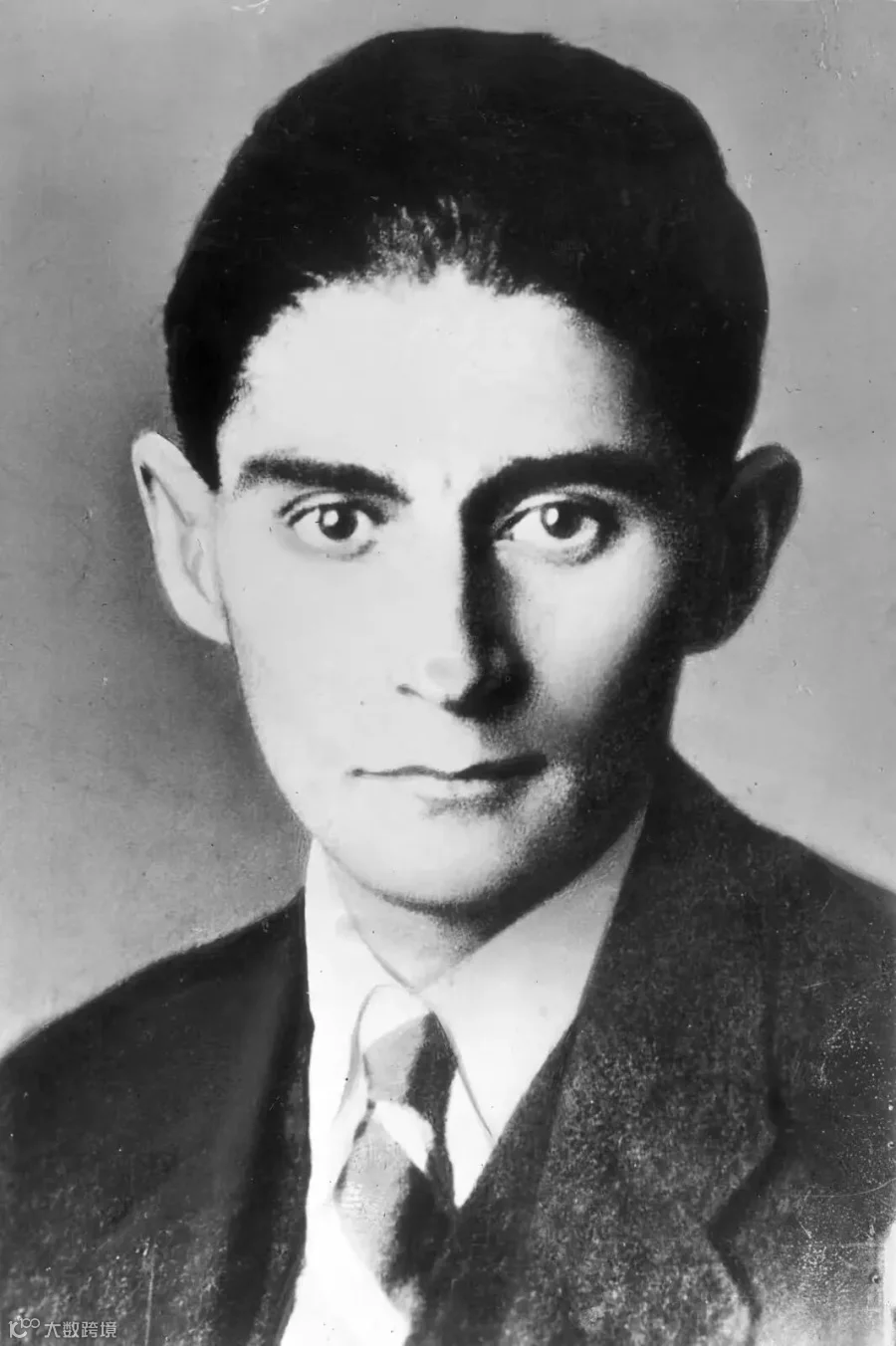
(左)瓦尔特·本雅明;(右)弗兰兹·卡夫卡
The critic Walter Benjamin observed, on the 10th anniversary of Kafka’s death, that reading him, “one looks up in fright and realises that one is already far away from the continent of man”.
德国哲学家、文学评论家瓦尔特·本雅明(Walter Benjamin)在卡夫卡去世十周年之际写到,当人们阅读卡夫卡时“会惊恐地抬头,意识到自己已经远离了人类的大陆”。
在卡夫卡逝世一百周年的今天,当你拿起他的小说,是否还会想到一些“卡夫卡时刻”?

原文链接:
https://www.ft.com/content/99ed5142-fee0-4842-9e0d-f600cd345f4d#comments-anchor
https://www.economist.com/culture/2024/05/30/a-century-after-his-death-franz-kafka-is-still-in-the-zeitgeist
https://www.spectator.co.uk/article/100-years-on-franz-kafka-remains-a-literary-icon/#comments-container
https://www.nytimes.com/2024/06/01/arts/franz-kafka-tiktok-centennial.html
https://en.wikipedia.org/wiki/Franz_Kafka
https://www.theguardian.com/culture/article/2024/jun/01/how-franz-kafka-inspired-word-of-our-times-kafkaesque
编译 | 马宇欣
排版 | 马宇欣
点击关注,携手成长👇