


HYPER
JUNE
2025
NORMALIZATION
原文约2500字,阅读时长8分钟
每天醒来,世界仿佛正在崩塌,但周围的人却像什么都没发生一样,依旧按部就班地生活?
这种错位感,正是“假常态”现象。(Hypernormalization)
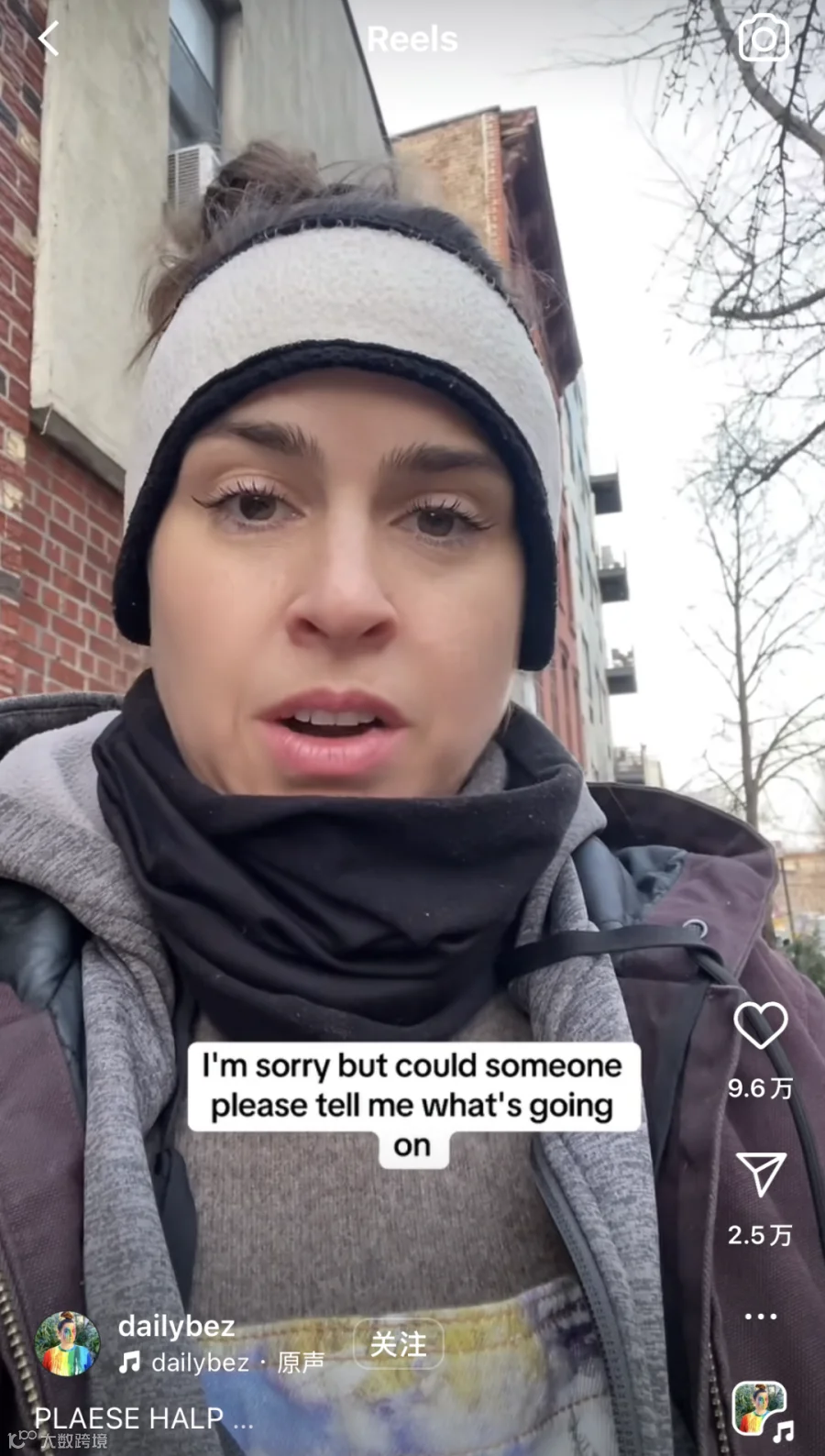
In January, the comedian Ashley Bez posted an Instagram video of herself, trying to describe a heavy mood in the air. “How come everything feels all …?
今年一月,美国喜剧演员 Ashley Bez 在 Instagram 发布了一段自拍视频,她试图描述当下沉重的氛围,说道:“为什么最近……一切感觉都很一言难尽?”
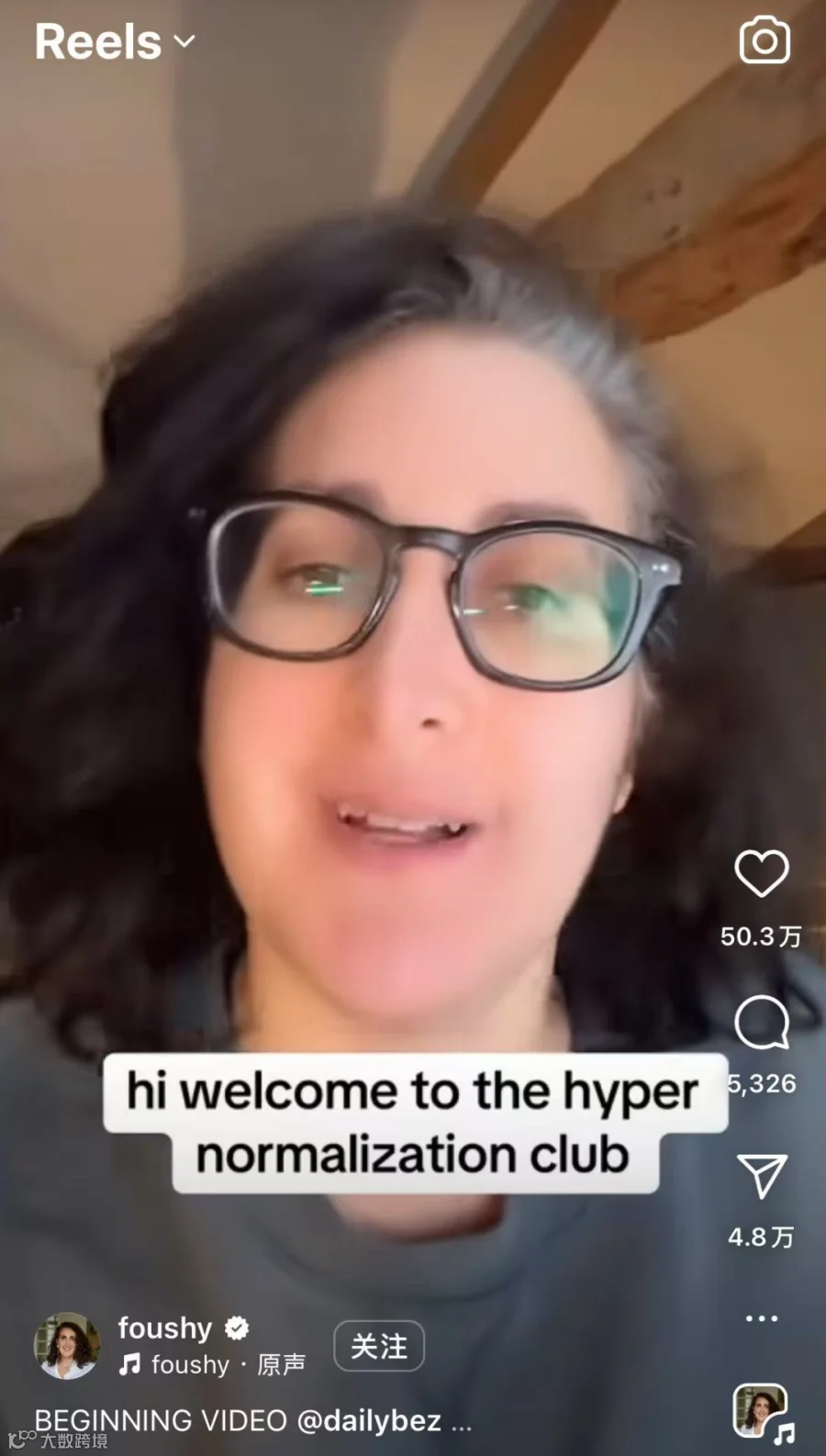
这段视频引发了巨大共鸣。数字人类学家 Rahaf Harfoush 随即转发了这段视频,并评论道:
“Welcome to the hypernormalization, I’m so sorry that you’re here.”
“欢迎来到‘假常态俱乐部’。很遗憾,你也是成员之一。
01.
WHAT:概念的起源与现在
hy•per•nor•mal•i•za•tion
noun
“Everyone knew the system was failing, but no one could imagine an alternative.”
“人人都知道体制在崩坏,却没人能想象出另一种可能。”
First articulated in 2005 by scholar Alexei Yurchak to describe the civilian experience in Soviet Russia, hypernormalization describes life in a society where two main things are happening.
The first is people seeing that governing systems and institutions are broken. And the second is that, for reasons including a lack of effective leadership and an inability to imagine how to disrupt the status quo, people carry on with their lives as normal despite systemic dysfunction – give or take a heavy load of fear, dread, denial and dissociation.
这个术语最初由俄裔学者 Alexei Yurchak 在 2005 年提出,用来描述苏联后期社会中的一种集体心理现象。当时社会中同时存在的两种主要现象: 一是人们意识到统治体系和机构已失灵;二是由于缺乏有效领导力,且无法想象如何打破现状,尽管已经出现系统性失调,人们仍带着恐惧、不安、否认和疏离感,表面上维持正常生活。
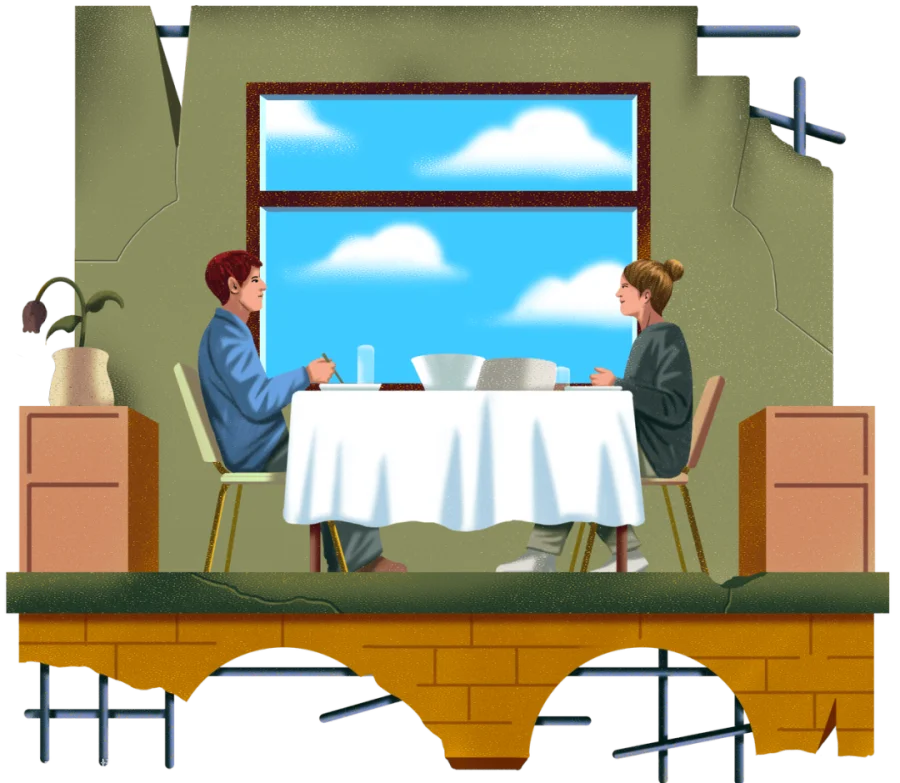
Illustration: Glenn Harvey/Guardian
“假常态”这个词恰好捕捉到了 2025 年美国既诡异又危急的氛围。
对美国许多人来说,“特朗普 2.0”正对日常生活造成毁灭性影响。对于另一些人,尽管生活节奏依旧在继续,却夹杂着令人大脑错乱的恐怖场景:晚饭前刷到“美国移民与海关执法局逮捕移民”的 AI 动画,或者在送孩子上学的路上听闻巴勒斯坦家庭挨饿的消息。
It’s "the visceral sense of waking up in an alternate timeline with a deep, bodily knowing that something isn’t right – but having no clear idea how to fix it. It’s reading an article about childhood hunger and genocide, only to scroll down to a carefree listicle highlighting the best-dressed celebrities or a whimsical quiz about: ‘What Pop-Tart are you?’”
数字人类学家Harfoush说:“Hypernormalization 就是那种‘仿佛醒来后进入了另一个时空,身体深处告诉你哪里不对劲——但却完全不知道该如何修复’的真实感;就是你读到一篇关于童年饥饿和种族灭绝的报道,然后下滑却看到一篇无忧无虑的‘最佳着装名人盘点’,或是一个‘你是哪款爆米花?’的古怪测验。
正如一位网友在 Reddit 上所写的感受:
“Everything feels like it’s breaking down — the climate, the economy, democracy — but we’re still supposed to act normal, go to work, post memes, plan weddings.”
“感觉一切都在崩塌——气候、经济、民主——但我们仍然得装作正常,去上班、发梗、筹备婚礼。”
02.
WHY:为什么会出现
“假常态”?
“Globally, once-in-a-lifetime climate disasters, war and the lingering trauma of Covid continue to unfold, while an explosion of generative AI threatens to destabilize how people think, make a living and relate to each other. ”
卫报报道:“全球范围内,千载难逢的气候灾难、战争以及新冠疫情带来的持续创伤仍在上演,而生成式人工智能的爆发又威胁着人们的思维方式、谋生手段和社交关系。”
Hypernormalization captures this juxtaposition of the dysfunctional and mundane.
“假常态”概念正捕捉到了这种系统功能失调与日常平淡并存的矛盾。
In his 2016 documentary HyperNormalisation, the British film-maker Adam Curtis argued that Yurchak’s critique of late-Soviet life applies neatly to the west’s decades-long slide into authoritarianism, something more Americans are now confronting head-on.
在2016 年的纪录片HyperNormalisation 中,英国导演亚当·柯蒂斯认为尤尔恰克对苏联末期生活的批判,同样恰好适用于西方近年来数十年滑向威权主义的现实,而越来越多美国人正在直面这一现实。
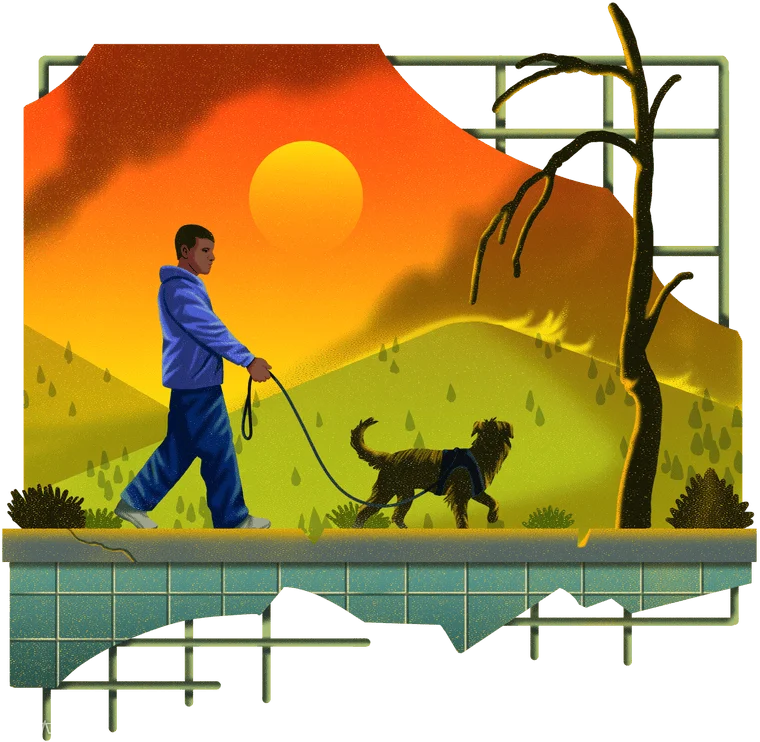
“When people live under hypernormalization, they stop believing in official narratives, but they also stop believing that change is possible.”
Yurchak指出,“当人们生活在“假常态”之下时,他们会停止相信官方叙事,也会停止相信变革是可能的。”
Harfoush指出,人们逐渐学会了“分裂式应对”——一边清醒地认识到问题的严重性,一边又强迫自己维持日常的运转,如她所说:
“We live in two realities at once — one where collapse feels imminent, and one where brunch still happens every Sunday.”
“我们同时生活在两种现实中——一方面仿佛崩溃迫在眉睫,另一方面却依旧每个周日享用早午餐。”
03.
HOW:如何面对“假常态”?
Witnessing large-scale systems slowly unravel in real time can be profoundly surreal and frightening. The hypernormalization framework offers a way to understand what we’re feeling and why.
目睹大规模系统在实时中缓慢崩解,会让人感到极不真实和恐惧。“假常态”这一框架则为我们提供了一种理解自身感受及其原因的方式。
Naming an experience can be a form of psychological relief. “The worst thing in the world is to feel that you’re the only one who feels this way and that you are going quietly mad and everyone else is in denial,” says Caroline Hickman, a psychotherapist and instructor at the University of Bath specializing in climate anxiety. “That terrifies people. It traumatizes people.” 为一种体验命名,能带来心理上的释然。巴斯大学专攻气候焦虑的心理治疗师兼讲师 Caroline Hickman 说:“世界上最糟糕的事情,就是感觉自己是唯一一个这样想的人,仿佛自己正在默默发疯,而所有人都在否认。这会让人极度恐惧,甚至造成创伤。”
Harfoush created her video “to reassure others that they’re not alone” and that “they aren’t misinterpreting the situation or imagining things”. Understanding hypernormalization “made me feel less isolated”, she says. “It’s difficult to act when you’re uncertain if you’re perceiving reality clearly, but once you know the truth, you can channel that clarity into meaningful action and, ideally, drive positive change.”
数字人类学家Harfoush 制作了解释这种现象的视频,“是为了让别人知道他们并不孤单,也并非在误解或想象情况。”她说,“了解‘假常态’让我觉得不再那么孤立。因为当你不确定自己是否在清晰地感知现实时,很难采取行动;但一旦你看清了真相,就能将那种清晰投射到有意义的行动中,并最终推动积极的改变。”
理解“假常态”并不意味着我们立刻就能改变什么,但它也许能解释,那些我们说不出口、道不明的奇怪感受从何而来。
你有没有也曾感到,那些无法言说的“怪异”正在悄悄堆积?
如果你也察觉到了这种“假常态”,欢迎在评论区留下你的故事。
END.
编译:周娱
排版:周娱
点击关注,携手成长👇