


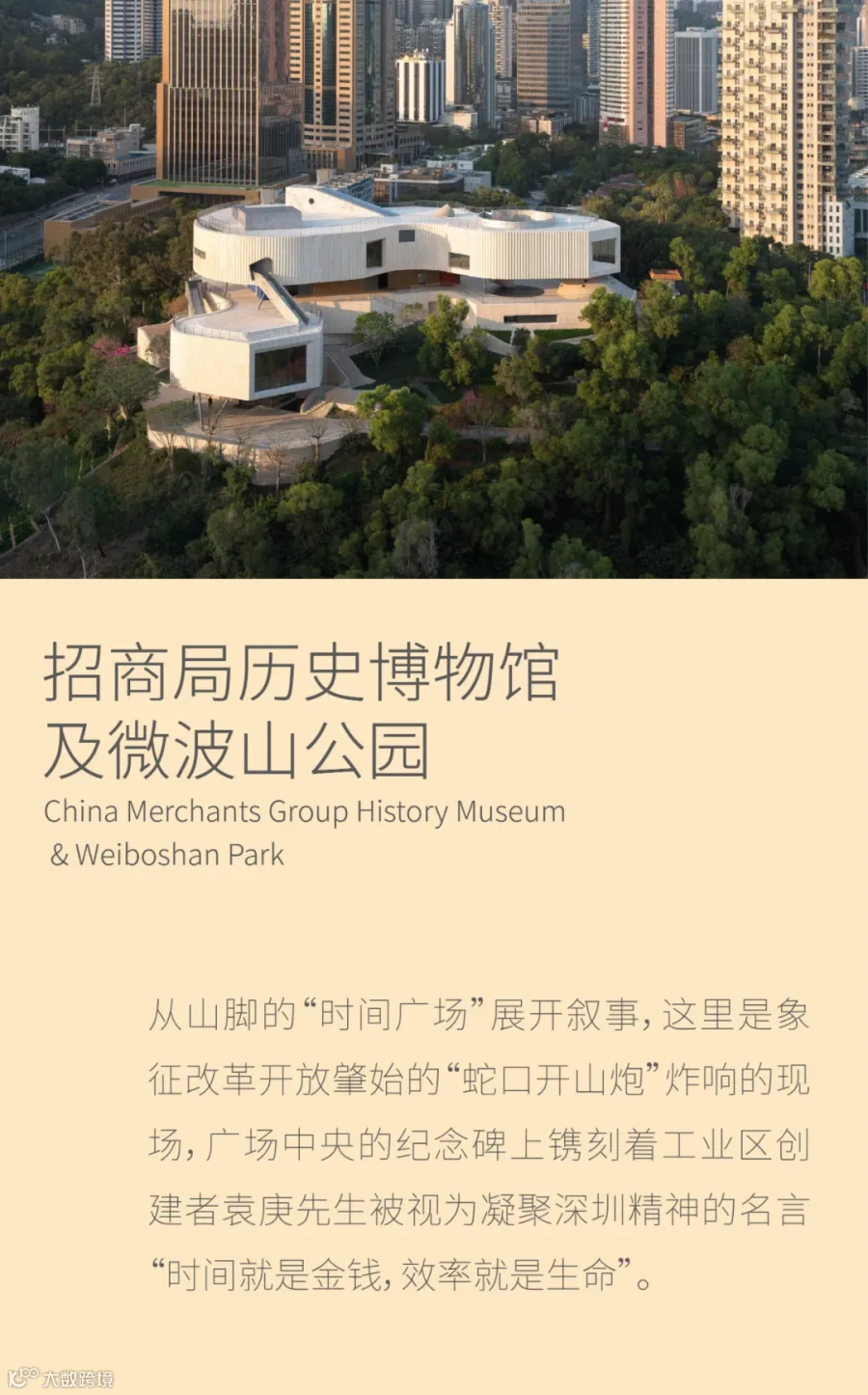
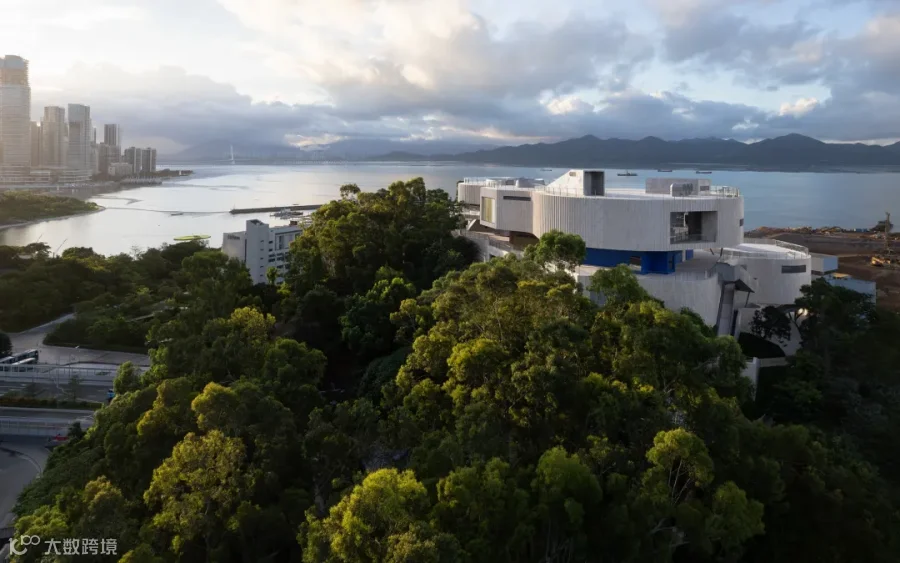
△ 西北向鸟瞰 North-west arial view
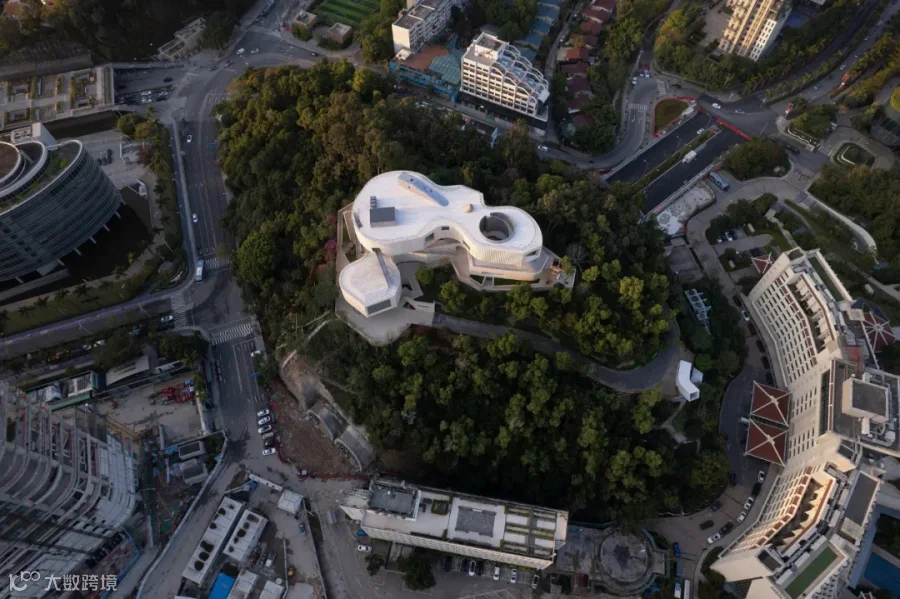
△ 招商局历史博物馆鸟瞰 Arial view

二十世纪七十年代末,中国转向以经济建设为中心,深圳成为中国第一个经济特区。香港招商局率先来到深圳创办蛇口工业区,在深圳南头半岛开山炸石填海建港,对外招商引资,成为中国改革开放的先行者。工业区成功的运营机制随后被称为 “蛇口模式”,为之后中国40年的经济腾飞拉开了序幕。
At the end of the 1970s, China shifted its focus to economic development, with Shenzhen becoming the first Special Economic Zone. The China Merchants Group from Hong Kong took the lead in establishing Shekou Industrial Zone in Shenzhen. They blasted the hilly terrain, reclaimed the sea to build ports, and attracted foreign investment, making it a pioneer in China's Reform and Opening-up. The successful operational mechanism of the industrial zone became known as the "Shekou Model", which set the stage for China's 40 years of economic takeoff.
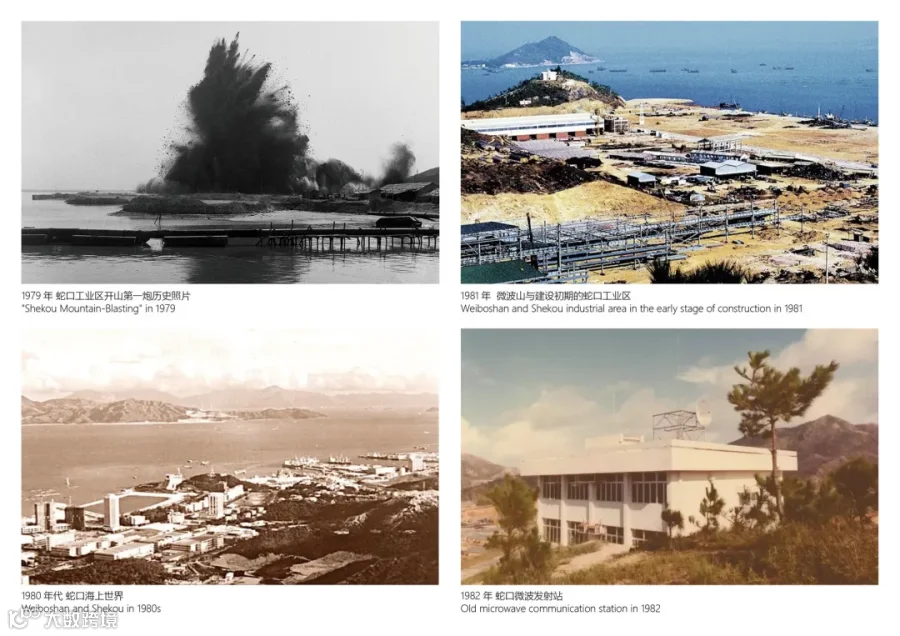
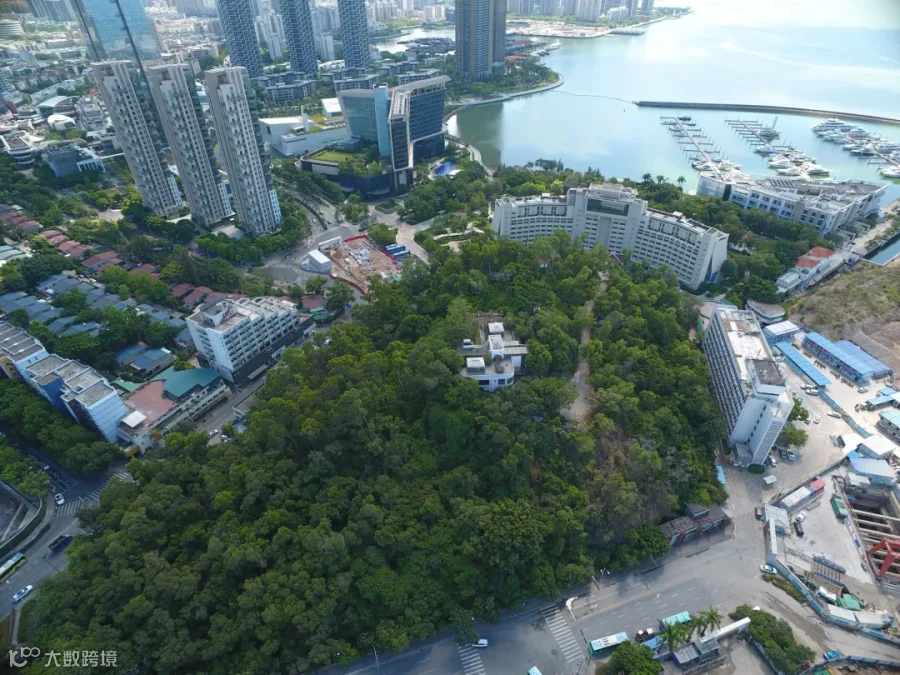
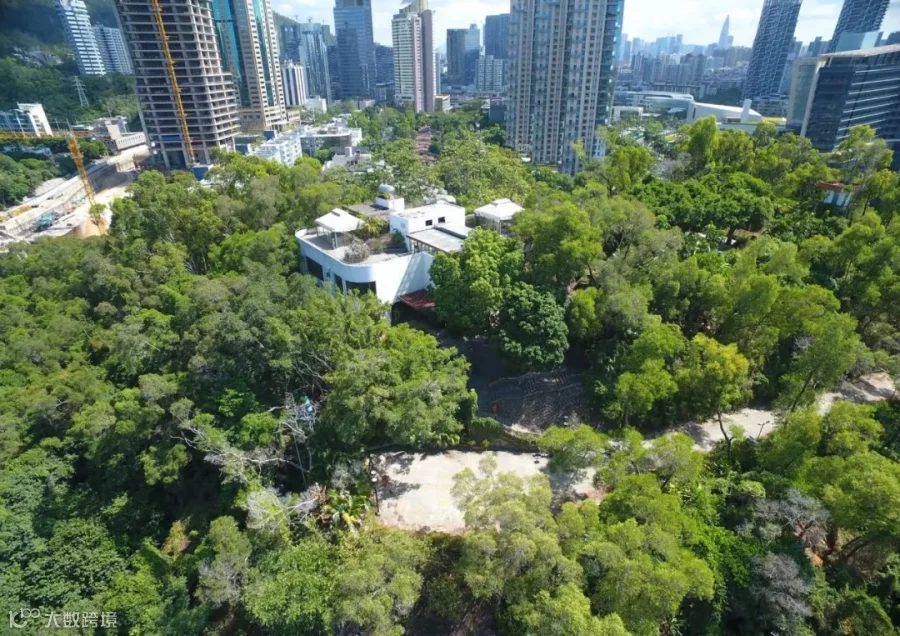
△ 基地照片 Site photo
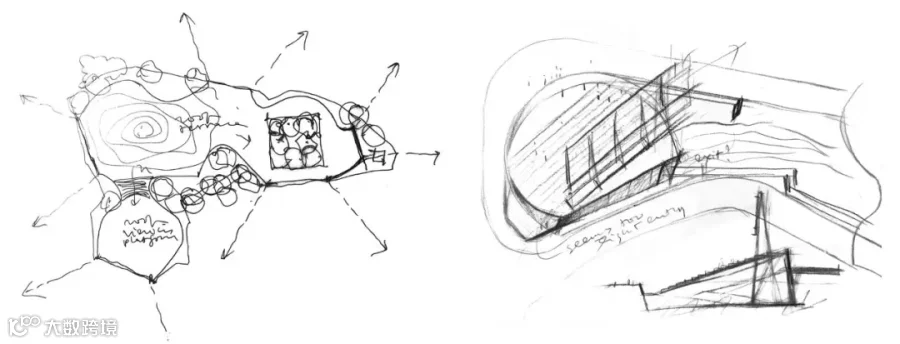
微波山原为蛇口一座无名小山头,因山顶上修建了中国第一个商用微波站而得名。都市实践应邀设计招商局历史博物馆,提出“山即展场,城即展览”的设计理念,将整座微波山公园作为一个空间叙事整体。
Weiboshan was originally an unnamed hill in Shekou, and later named after the construction of China's first terrestrial microwave relay station on its peak. URBANUS was invited to design the China Merchants History Museum and proposed a concept of "the hill as the exhibition venue, and the city as the exhibition", treating the entire Weiboshan Park as one unified spatial narrative.
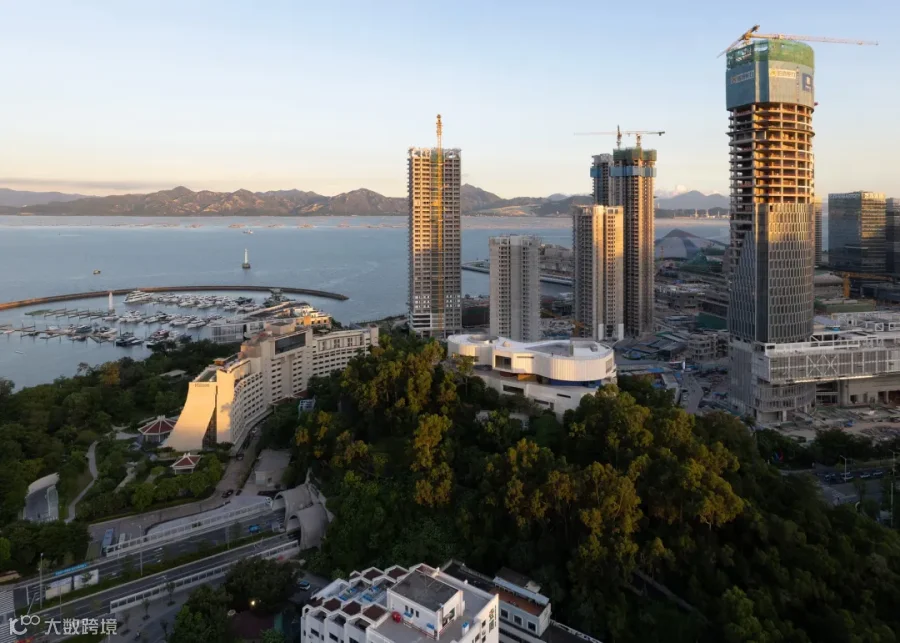
△ 北向鸟瞰远景 North arial view
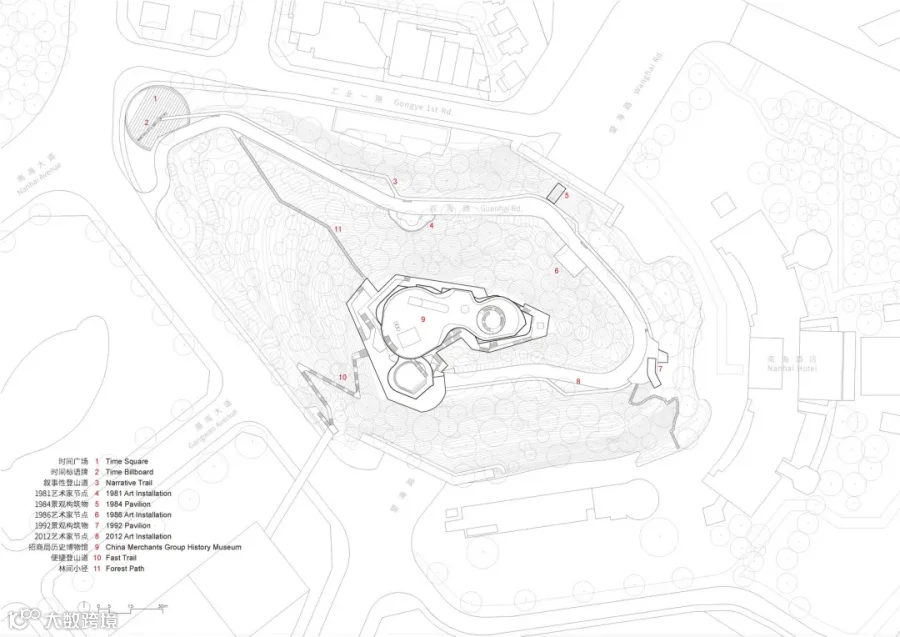
从山脚的“时间广场”展开叙事,这里是象征改革开放肇始的“蛇口开山炮”炸响的现场,广场中央的纪念碑上镌刻着工业区创建者袁庚先生被视为凝聚深圳精神的名言 “时间就是金钱,效率就是生命”。拾级而上,改革开放历史的重要事件被刻录在环山的叙事步道中,并且与周边的城市景观呼应,呈现历史今夕的并置,形成多个景观节点。登山成为观展的一部分,至山顶博物馆达到展览叙事的高潮。
Starting from the "Time Square" at the foot of the hill, this site symbolizes the beginning of China‘s Reform and Opening-up as it is where the "Shekou Mountain-Blasting " detonated. The monument at the center of the square is engraved with a famous saying of Yuan Geng, the leader in building the industrial zone, which is regarded as embodying the spirit of Shenzhen: "Time is money, efficiency is life". As one climbs up, significant events in the history of Reform and Opening-up are inscribed on the narrative walkway around the hill, resonating with the surrounding urban landscape and juxtaposing historical and contemporary scenes. This design creates multiple scenic nodes, integrating the climb into the exhibition experience. The ascent culminates at the hilltop museum, simultaneously reaching the climax of the exhibition narrative.
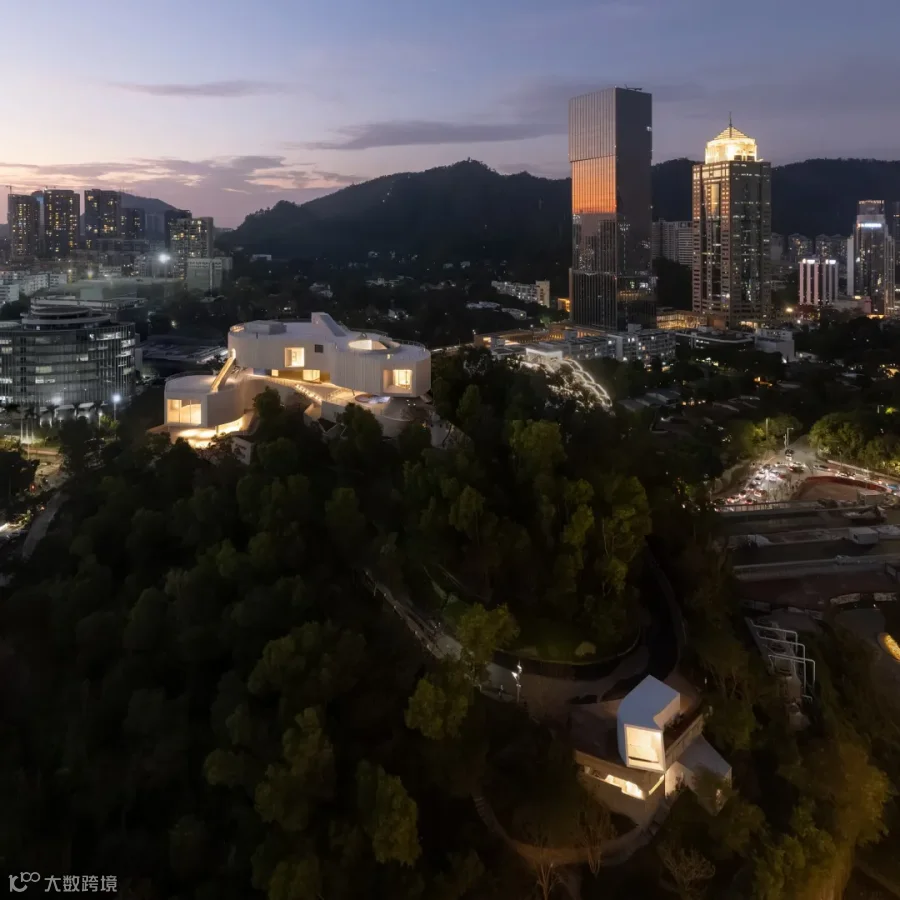
△ 东南向鸟瞰远景 South-east arial view

博物馆的设计从微波站原址的考证开始,经过比对历史图纸和现场勘察,在经历了多次加建的现场建筑中找到了当年微波站的原始结构。方案恢复了微波站的原貌,加固了基础,让它以“现成品”的姿态成为馆中最具历史意义的展品。
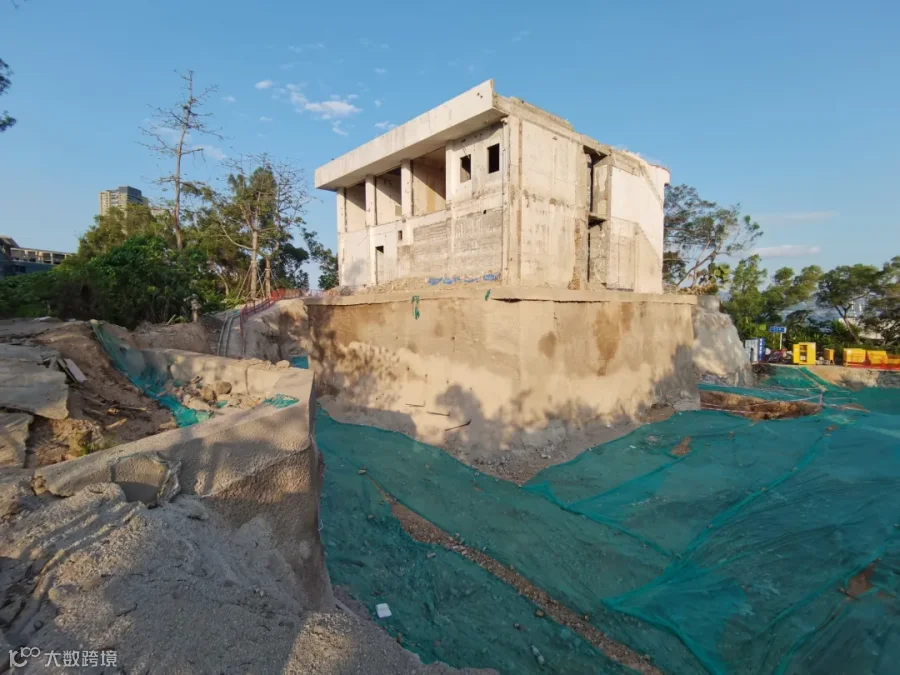
△ 被保留的微波通讯站原始结构
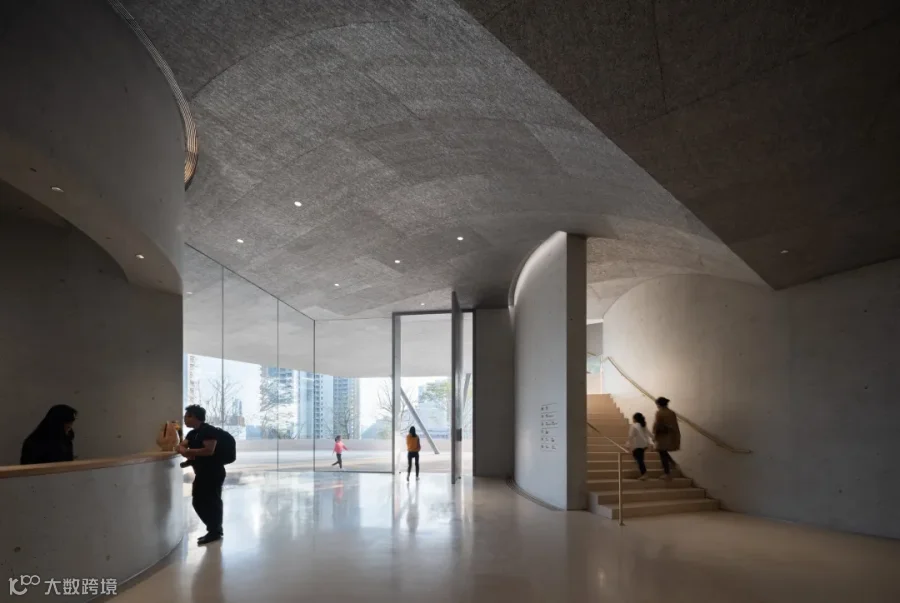
博物馆建筑共五层。半地下层设置了主入口、门厅、小型接待室以及主要设备机房,还设置了一个可在闭馆时独立开放的多动能厅;一、二层围绕复原的微波站布置了招商局150周年历史的常设展厅。
There are five levels in the museum. The semi-basement level includes the main entrance, lobby, a small reception room, and the main equipment room, as well as a multifunctional hall that can be independently opened when the museum is closed. The first and second floors feature permanent exhibition centered around the restored station, showcasing the 150-year history of the China Merchants Group.
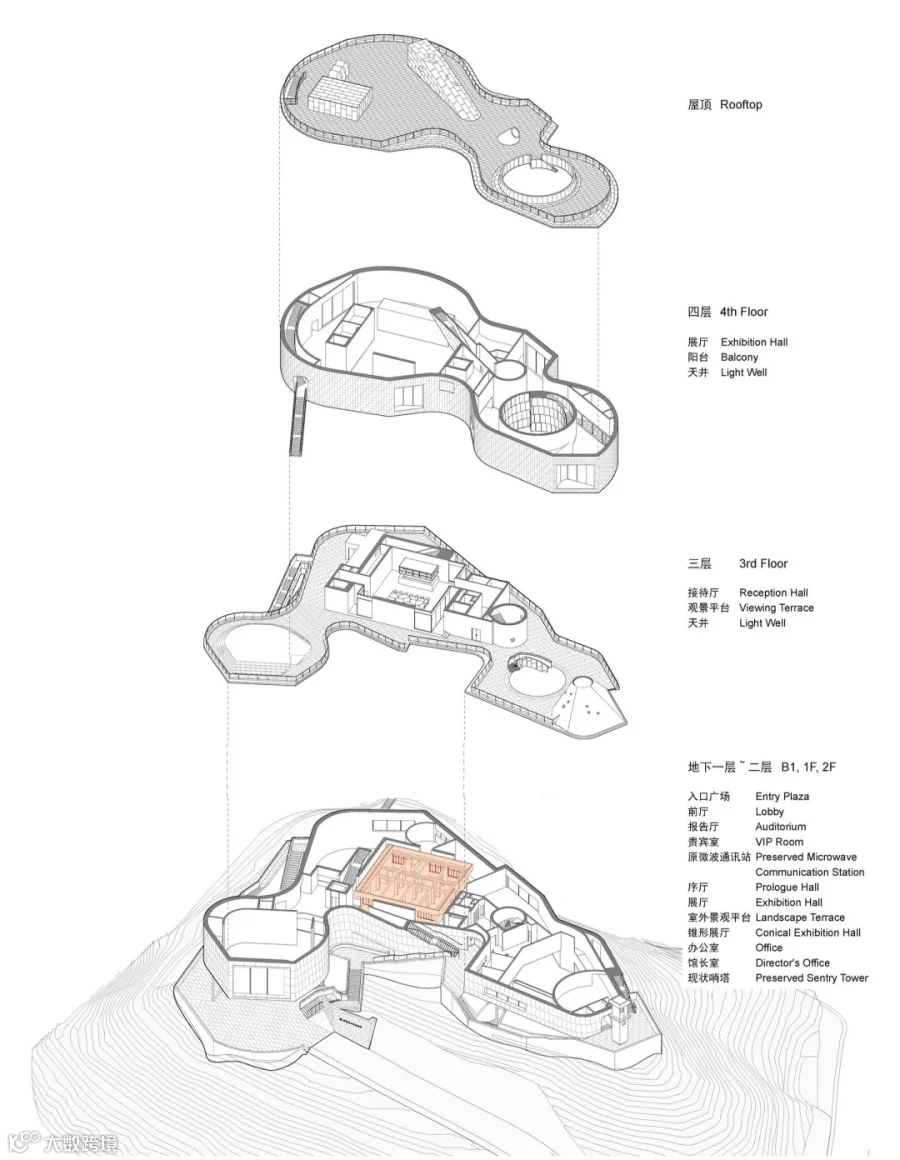
△ 分解轴测图 Exploded axonometric
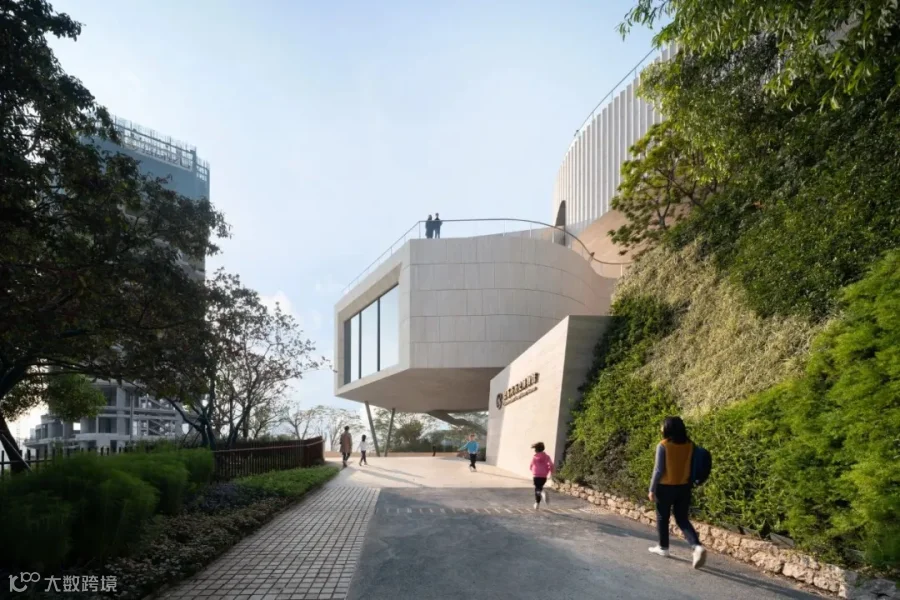
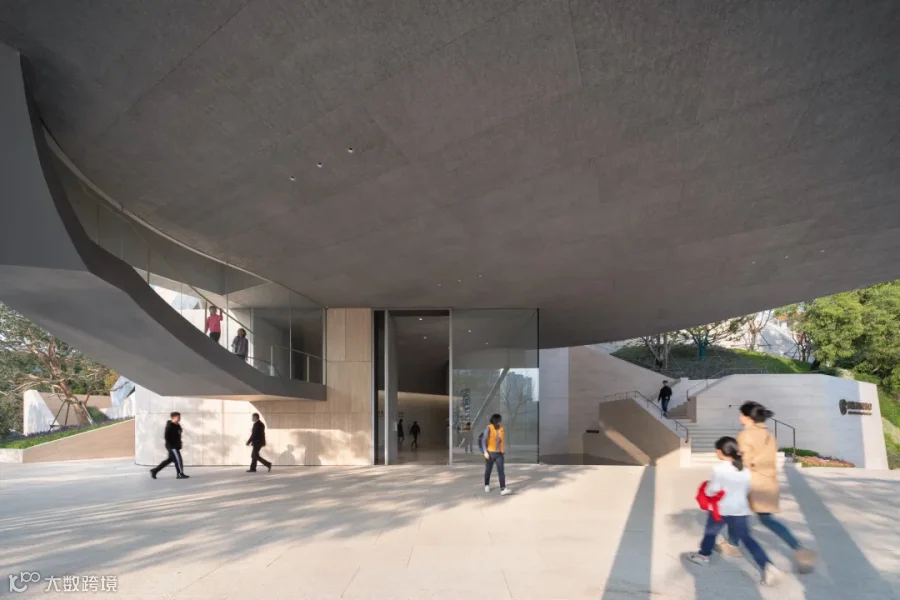
△ 主入口及入口广场 Entry plaza
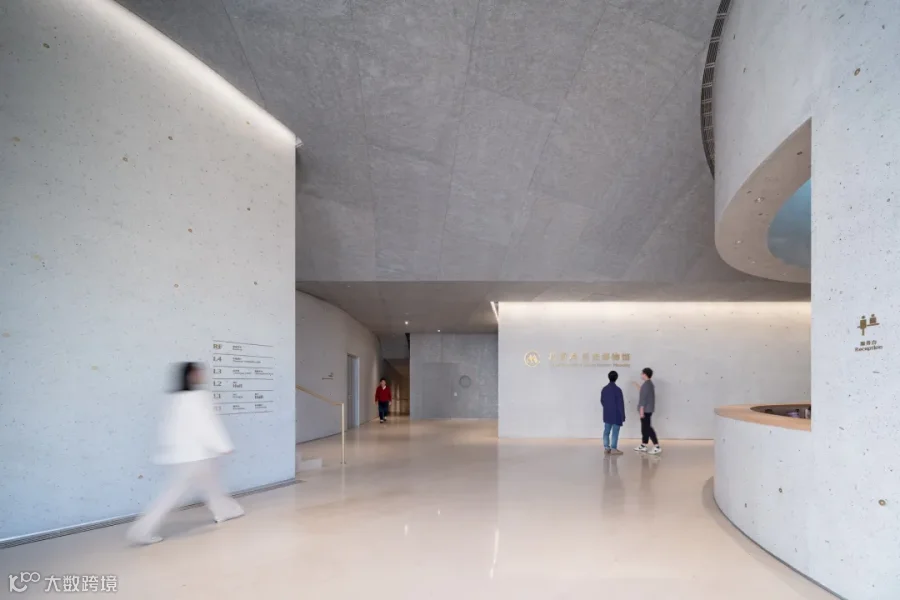
△ 前厅 Lobby
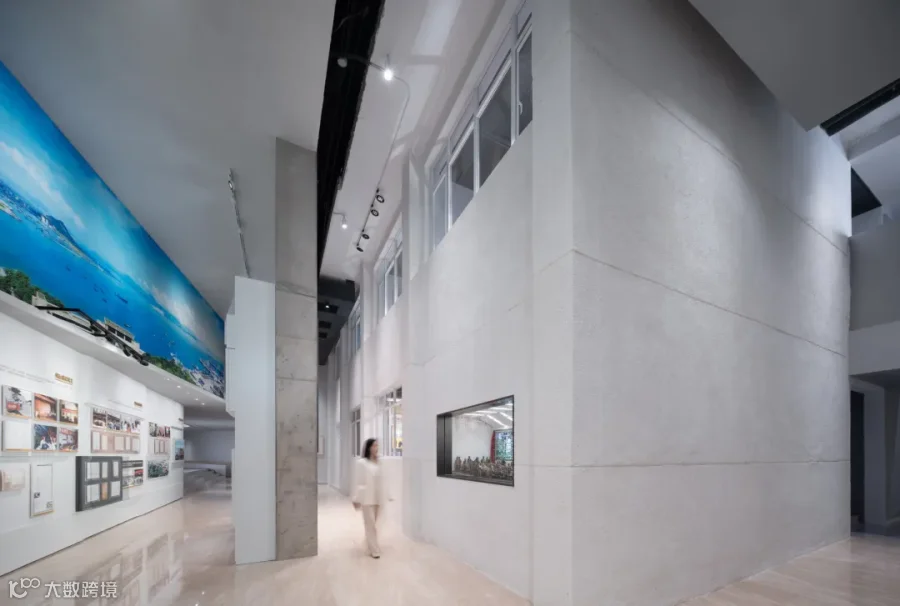
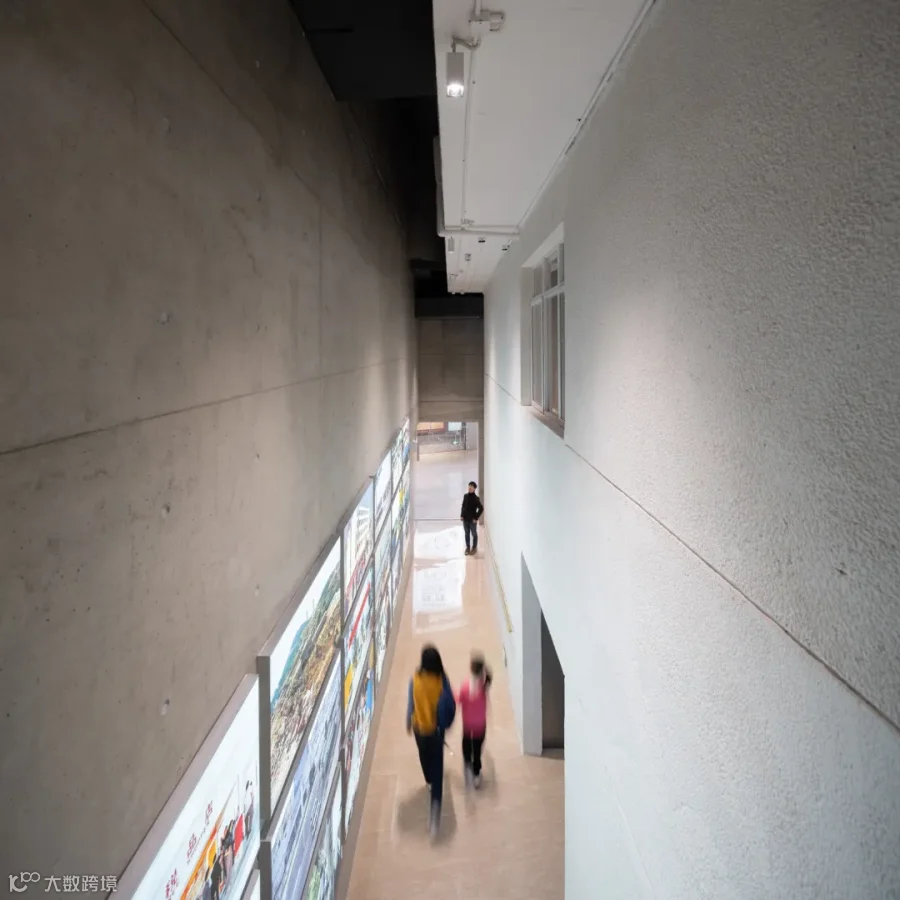 △ 原微波站改造展厅 Preserved microwave communication station as exhibition space
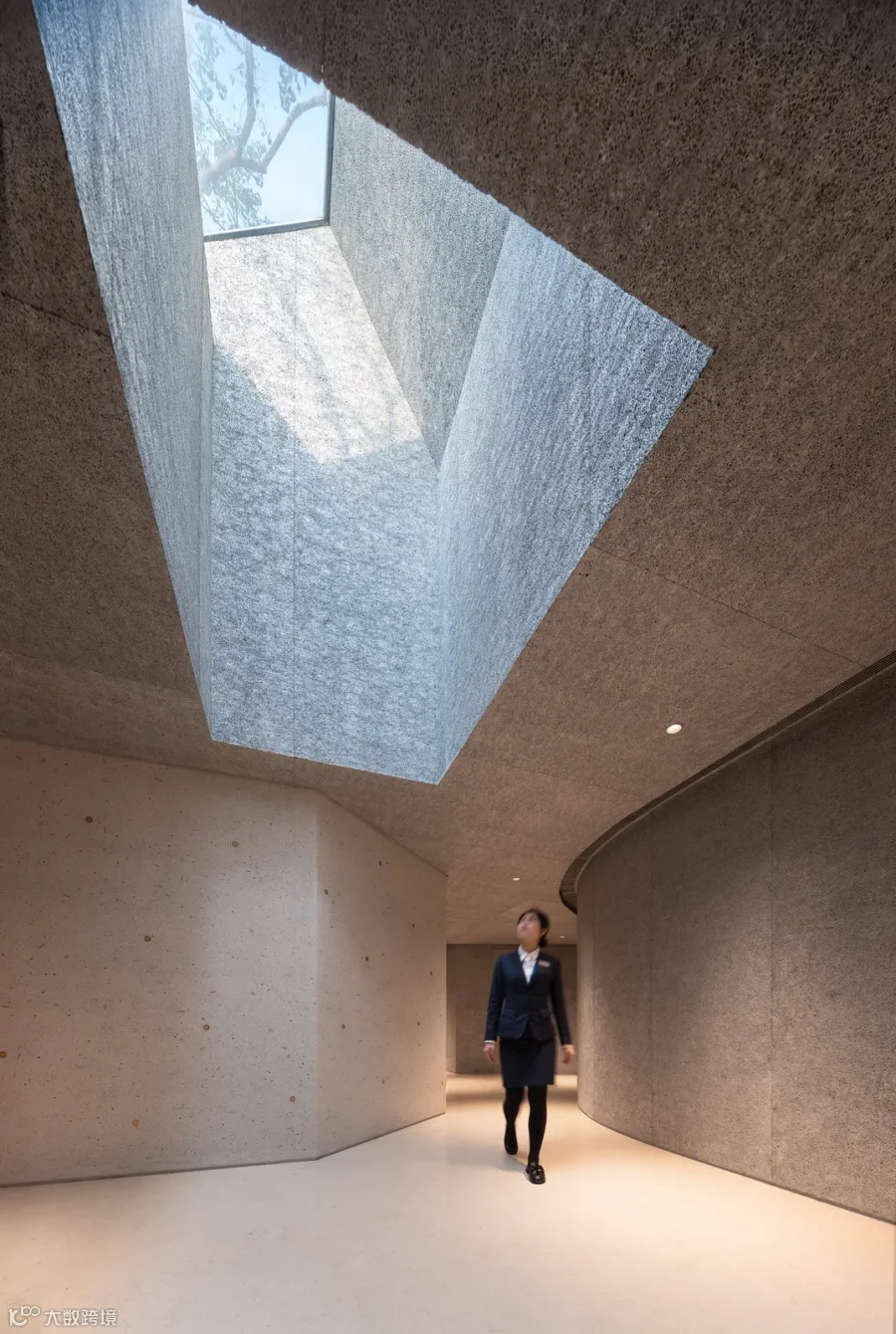
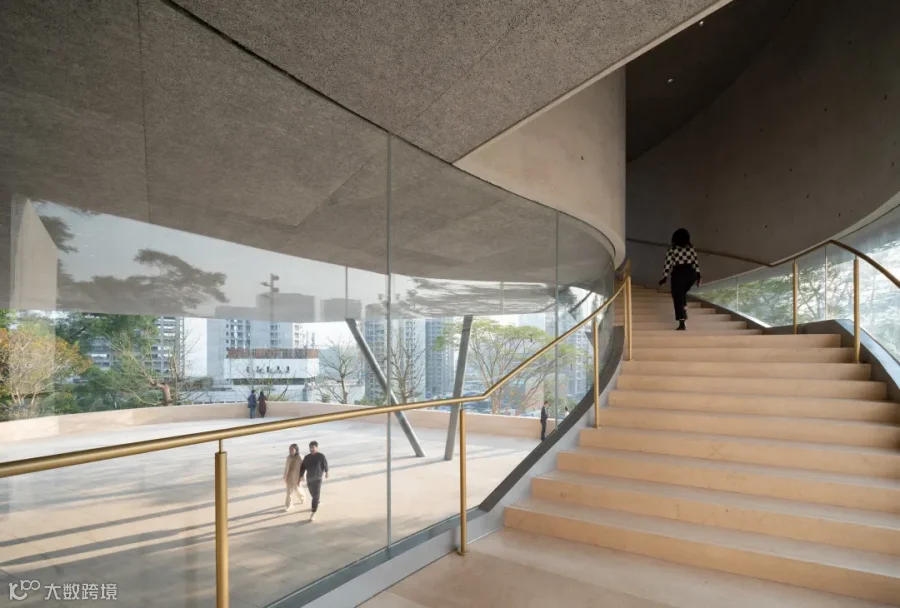
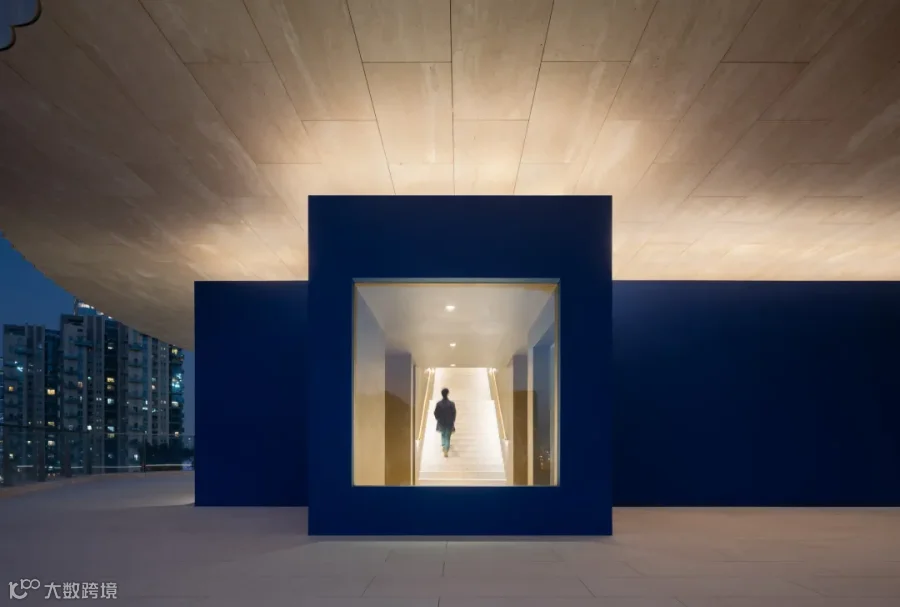
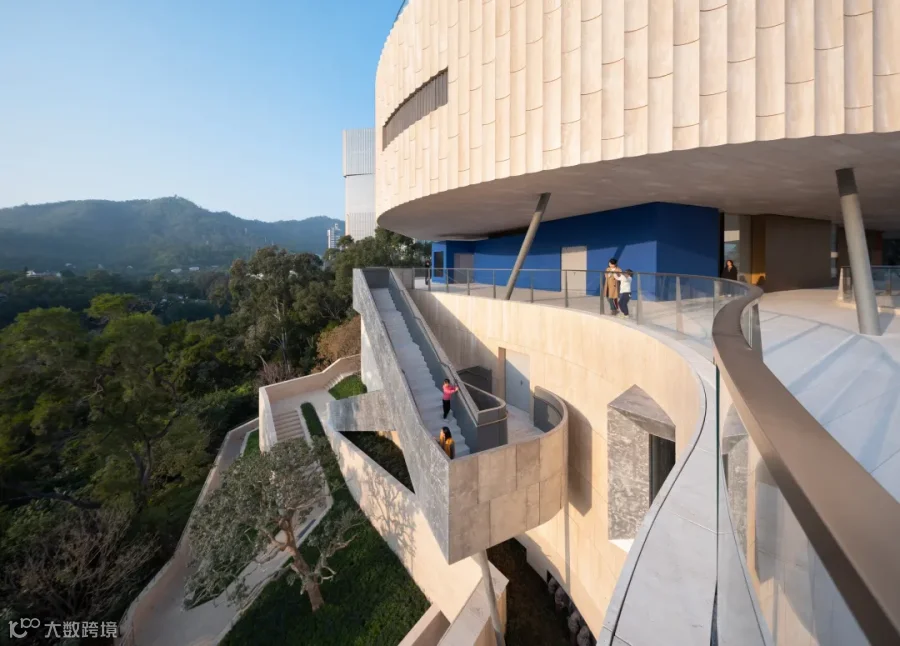
三层架空层是向公众开放的观景平台,连接登山步道。这里设有咖啡厅/接待室,可用于会议和沙龙。人们可在室内外闲坐,360度观看蛇口的半岛风光,见证进行时中的蛇口这一“城市展场”;四层为当代艺术展厅,漂浮的体量之内是连续环绕的展览空间,用于短期主题展览。
The third floor is an open-air viewing platform accessible to the public and connected to the climbing trail. This floor includes a café/reception room for meetings and salons. Visitors can sit indoors or outdoors, enjoying a 360-degree view of the Shekou Peninsula, and experiencing Shekou as an "urban exhibition hall" in real time. The fourth floor houses a contemporary art gallery. Within its floating structure is a continuous, wrap-around exhibition space for short-term themed exhibitions.
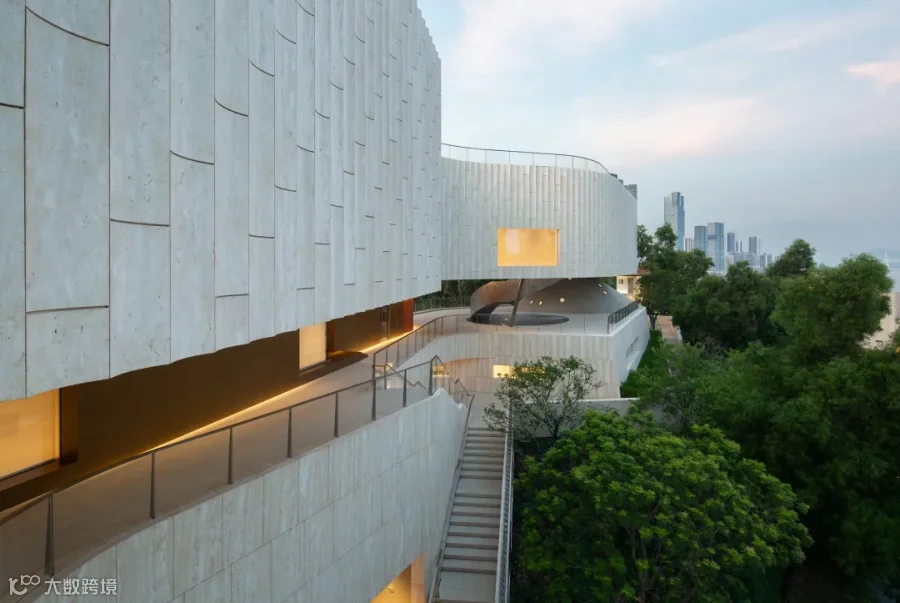
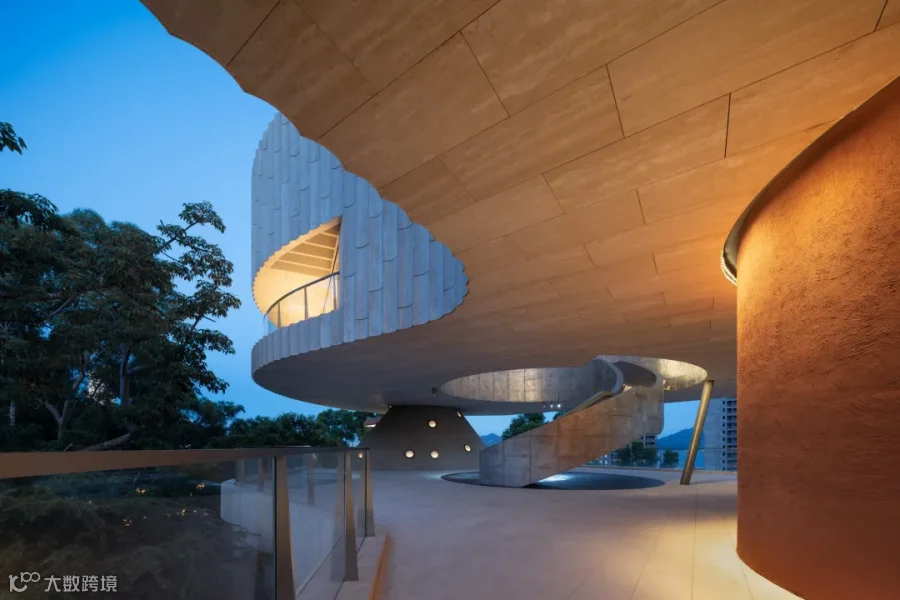
△ 三层架空观景平台东侧 East side of the third floor viewing terrace
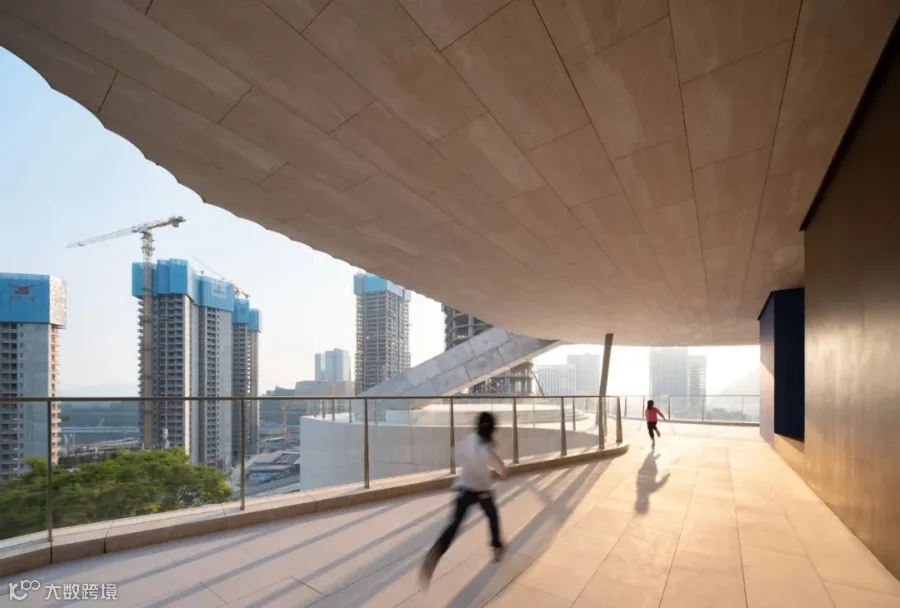
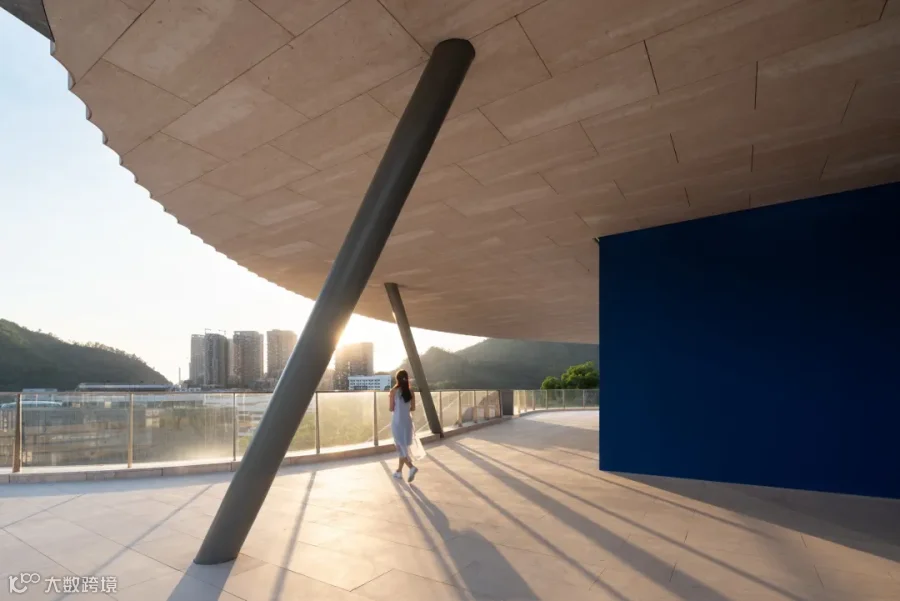
△ 三层(架空)观景平台西侧 West side of the third floor viewing terrace
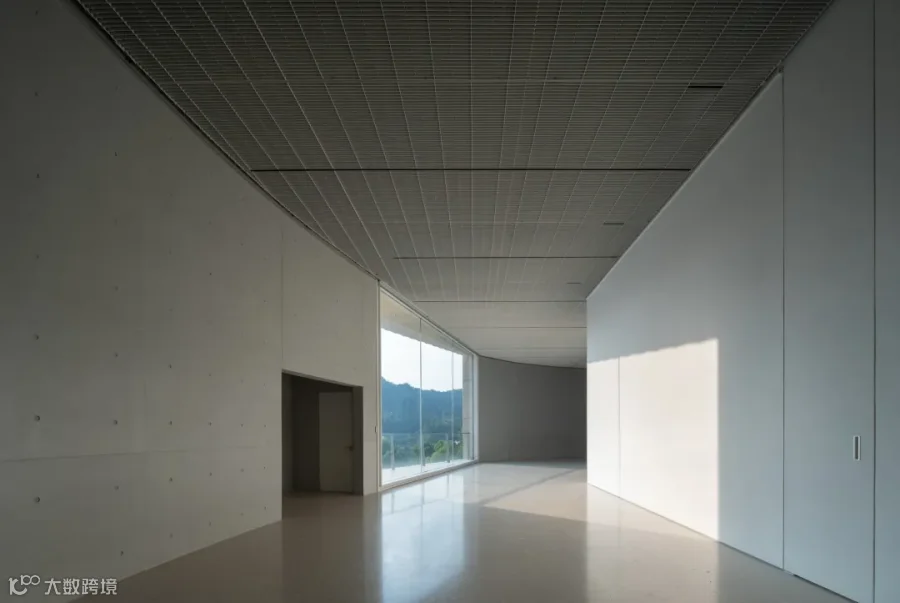
△ 四层展厅西侧West side of the fourth floor exhibition hall
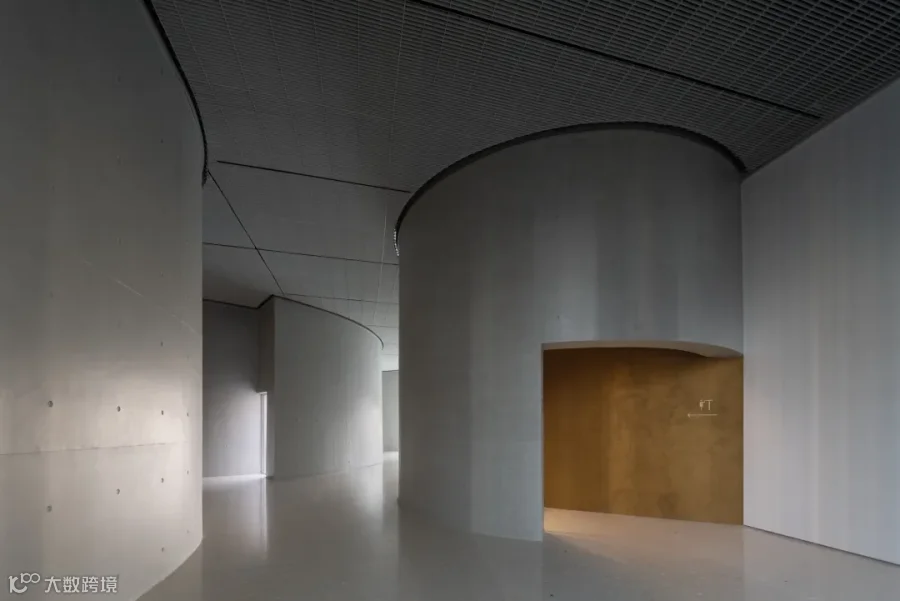
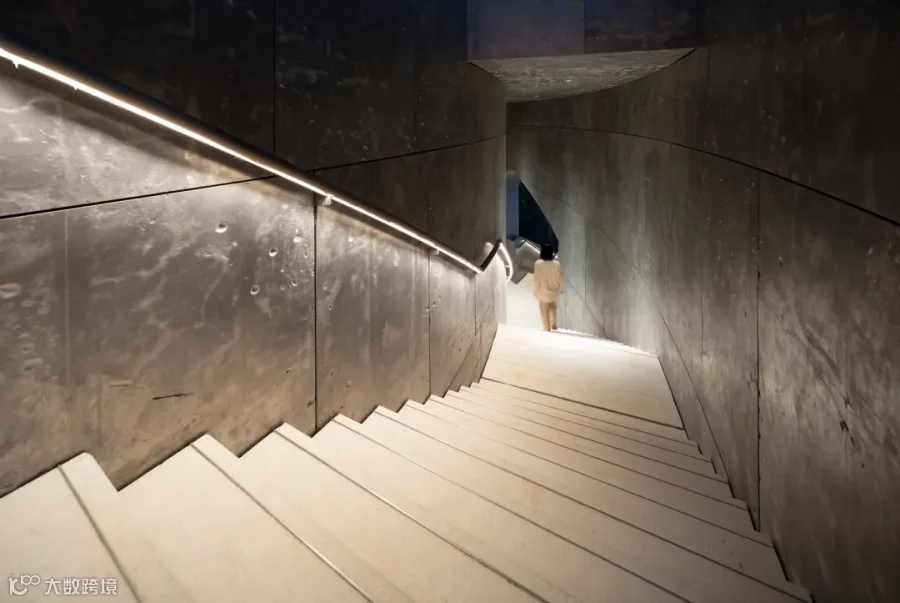
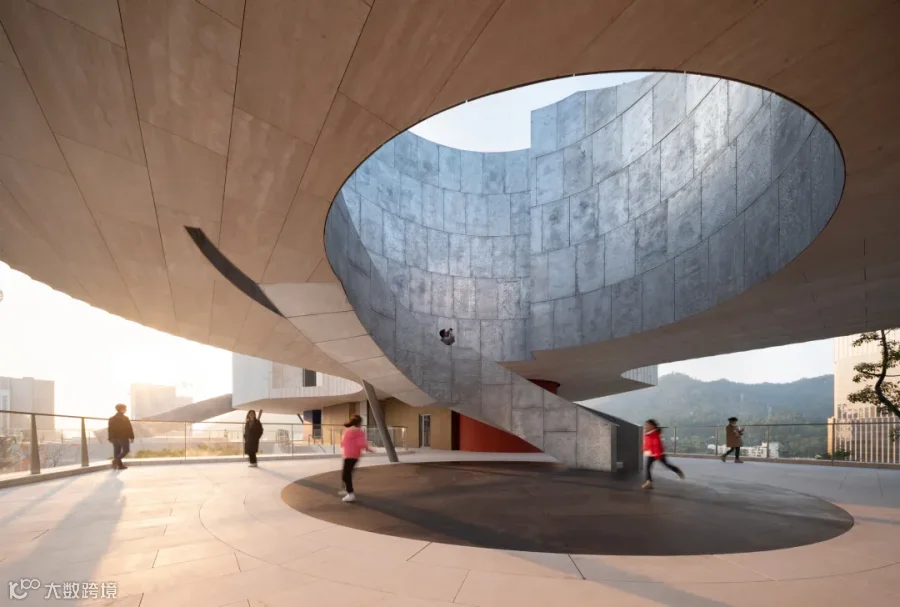
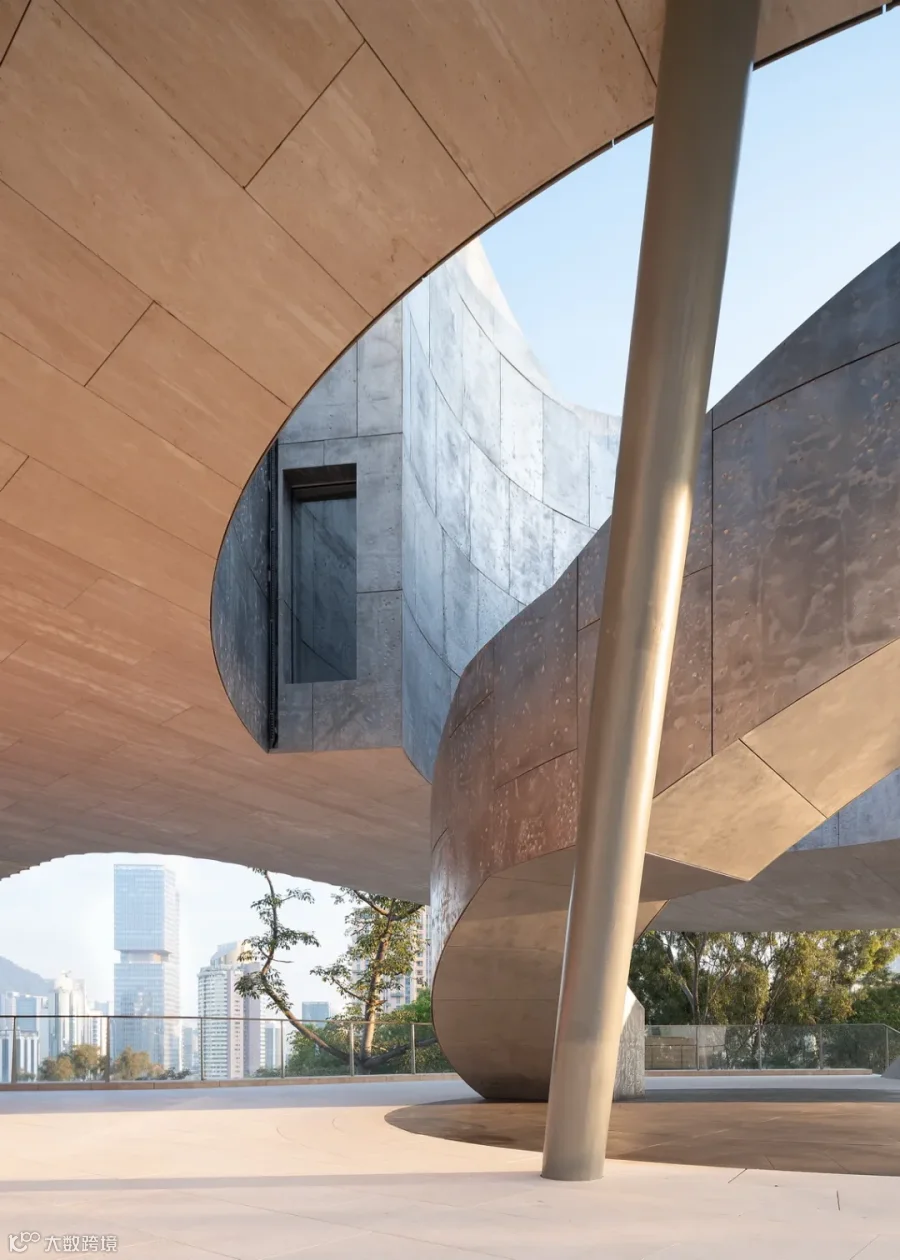
△ 三层与四层天井 Light well on the third floor
面向不同方位形态各异的窗口是望向场地四周自然及城市的景框,将变化的城市风景纳入到展览的序列中。屋顶是一个开阔的观景平台,也是微波山的最高点,是极目远眺和举办露天活动的场所。设计在室内观展流线之外还设置了多条室外公共流线,让市民在闭馆后仍有机会拾级而上。层次丰富立体的游览体验使博物馆能适应多种展陈与活动的需求。
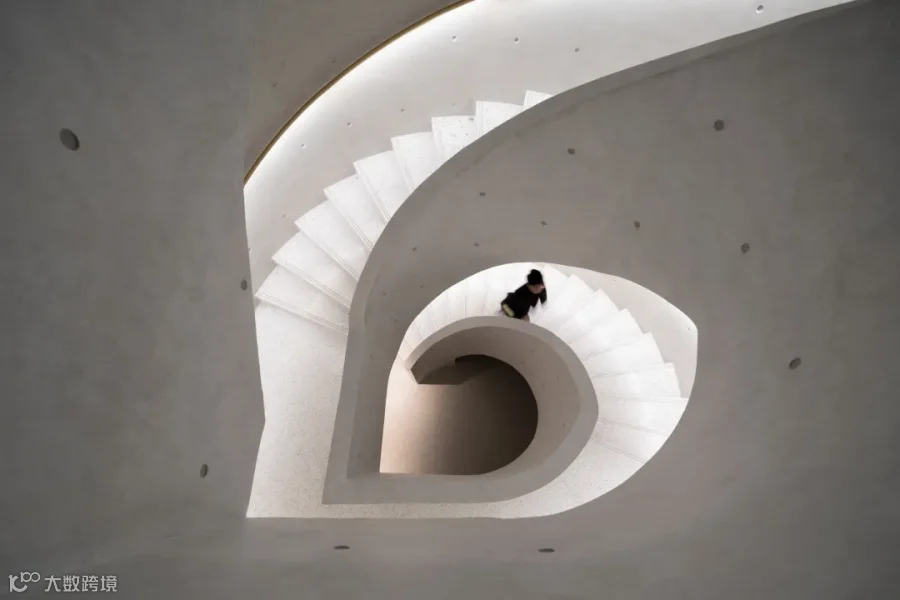
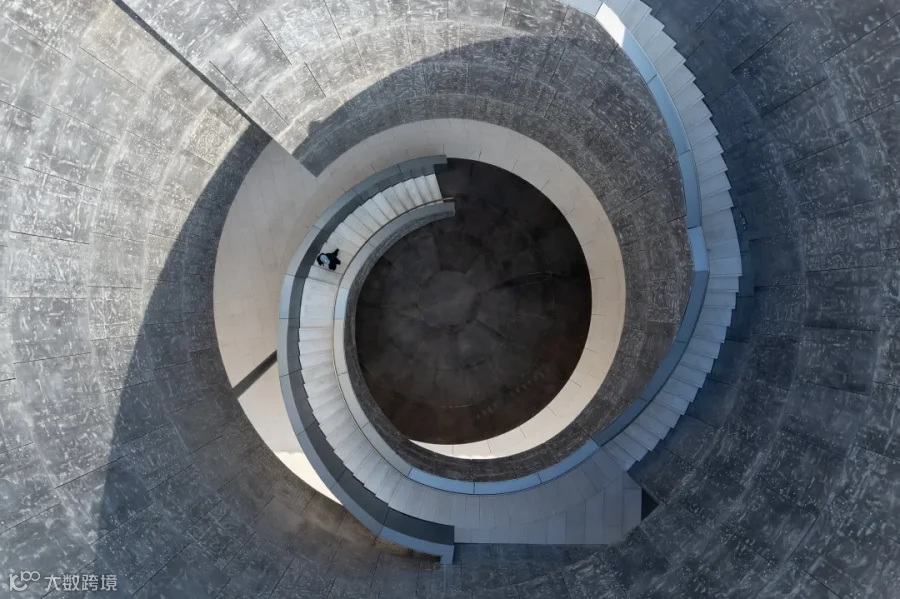
△ 天井螺旋楼梯 Light well and spiral stairs
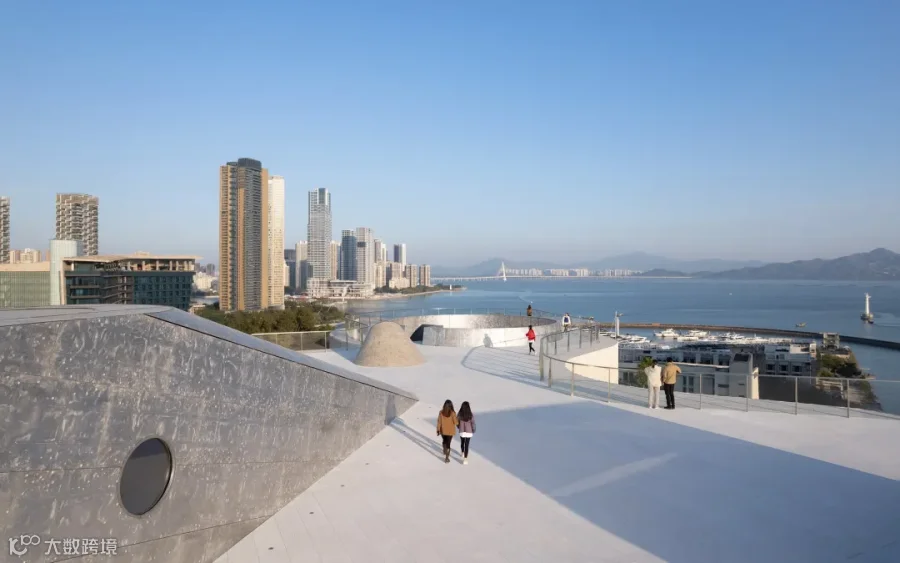 △ 屋顶 Rooftop

The museum's facade is primarily clad with white travertine. As parts of the building are embedded into the hill, it appears as a natural extension of the landscape. The interior materials and craftsmanship meticulously reflect the industrial history of the China Merchants Group, incorporating elements such as cast aluminum, steel, copper and concrete. The oversized entrance door is made of cast aluminum, and the walls of important spaces are cast with concrete that includes industrial components as part of the aggregate.
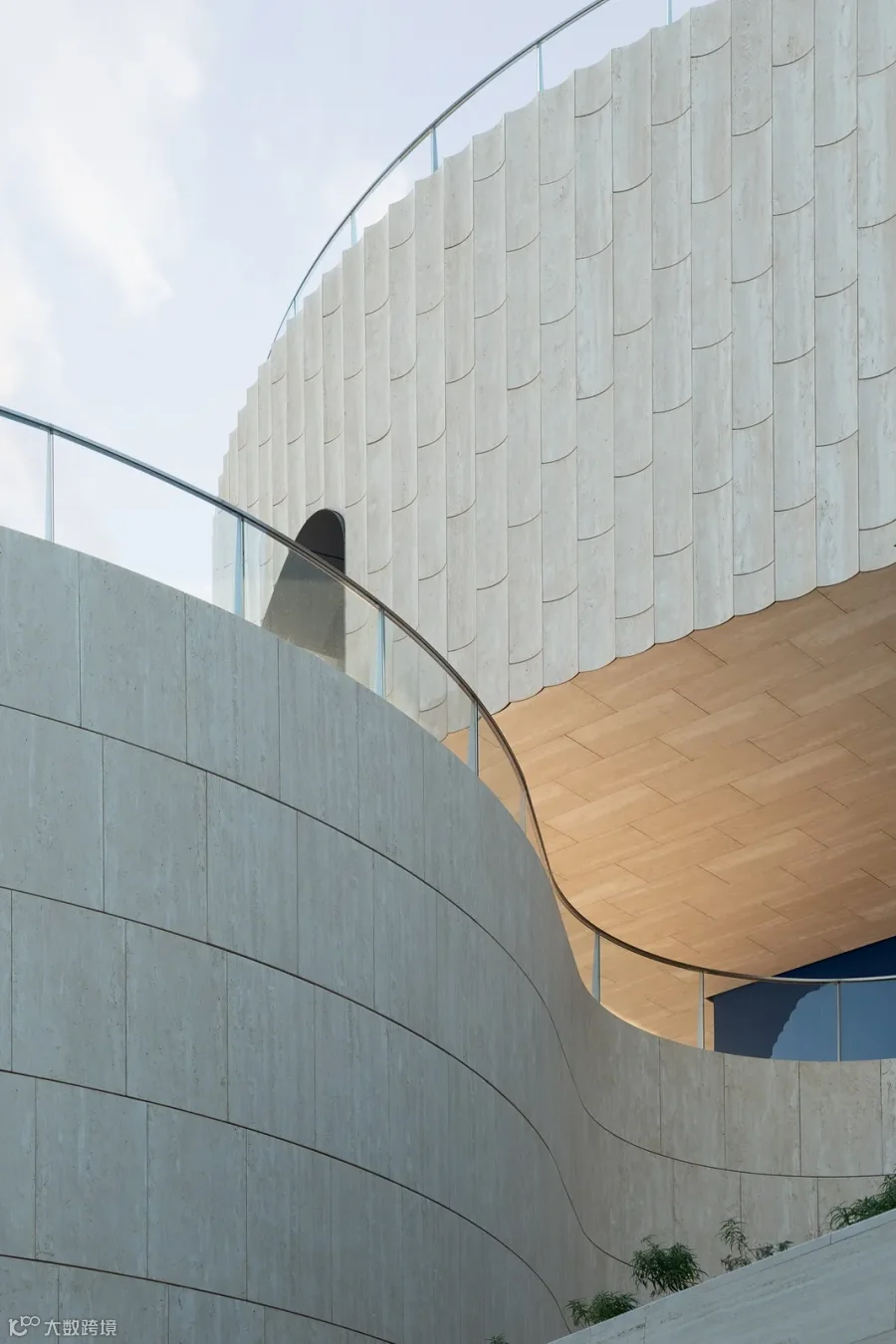
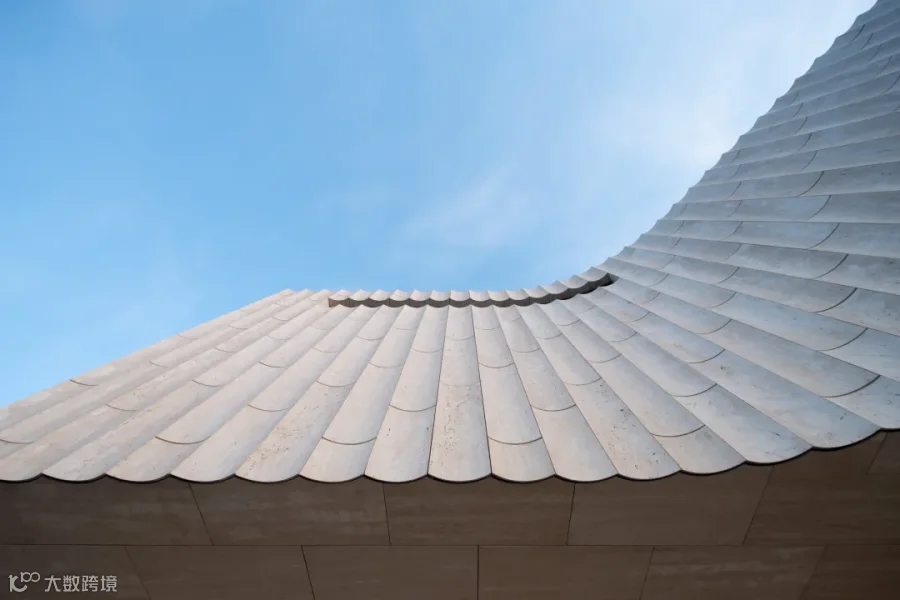
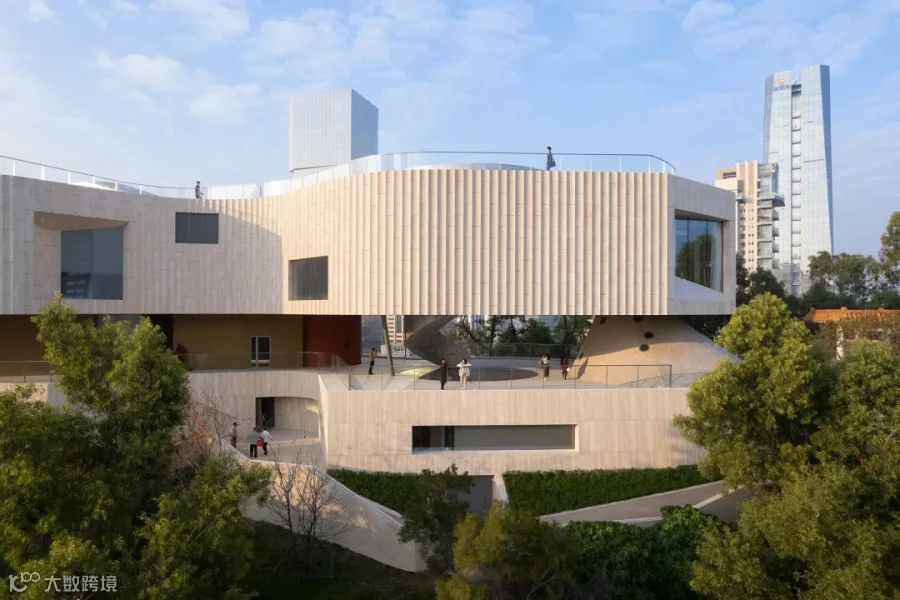
△ 南侧外立面 South façade of the museum
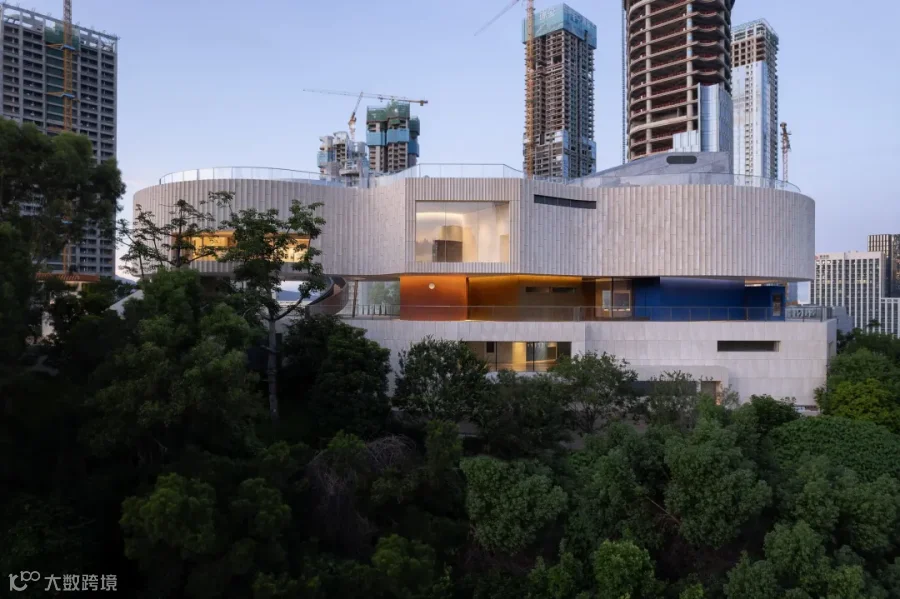
△ 北侧外立面 North façade of the museum

招商局历史博物馆不是一座普通的博物馆,它标志着中国当代历史的一个重要转折点, 也是传承与弘扬改革开放精神的空间场所。我们试图将一座里程碑式的纪念性建筑与普通市民的日常生活紧密结合,创造属于当下的公共空间和城市记忆,人们登临微波山,看天空海阔,同时在这里回顾历史,展望未来,缅怀先贤,激励后人;让微波山这个大隐于市的秘境成为深圳城市精神地标和市民日常文化生活锚点。
The China Merchants History Museum is not an ordinary museum; it marks an important turning point in contemporary Chinese history and serves as a space to inherit and promote the spirit of Reform and Opening -up. We aimed to closely integrate this milestone commemorative building with the daily lives of ordinary citizens, creating a public space and urban memory that belong to the present. People can climb Weiboshan, gaze at the vast sky and sea, review history, look to the future, pay tribute to pioneers, and inspire future generations. This hidden gem within the city shall become a landmark of Shenzhen's urban spirit and a cultural anchor for the daily lives of its citizens.
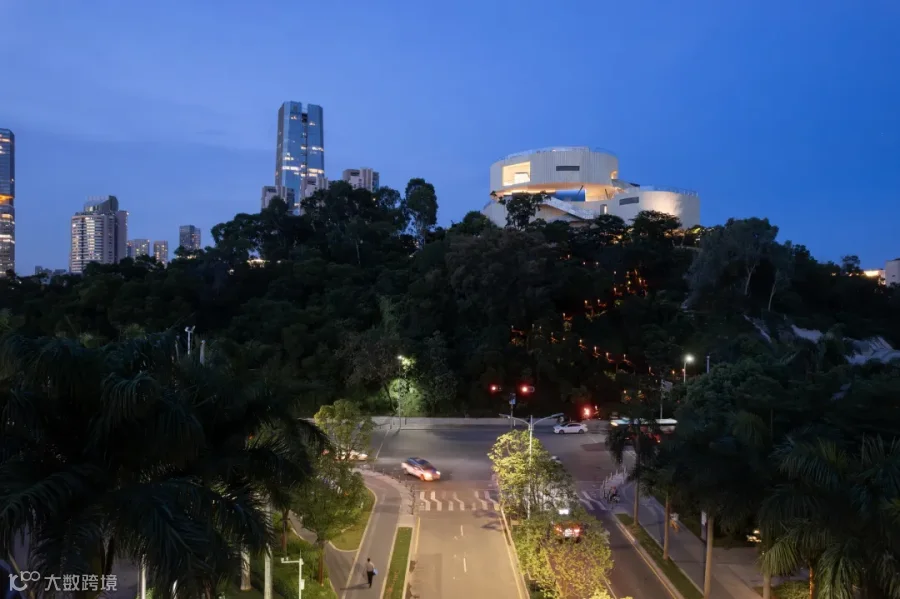
△ 建筑西南侧外观 South-west view