几乎所有女性都对高跟鞋情有独钟,穿上高跟鞋,身姿优雅、双腿修长~
可是你知道吗,几百年前,高跟鞋并不仅仅是女性的专属哦,它们也曾是男性的时尚~
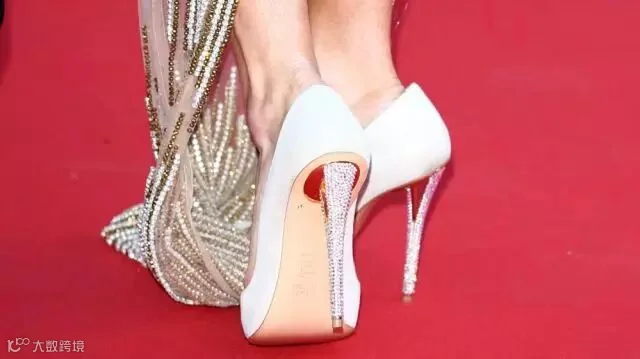
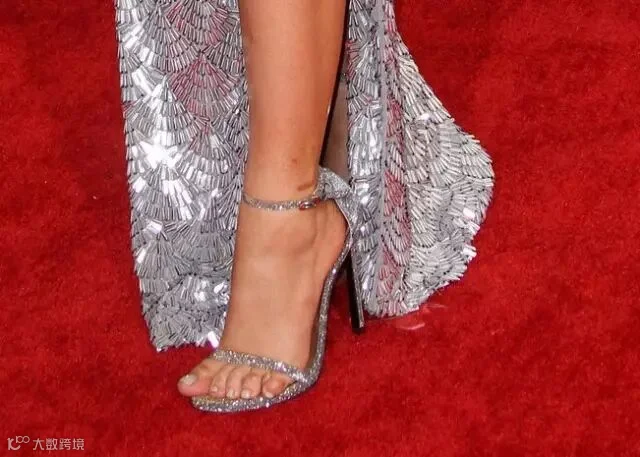
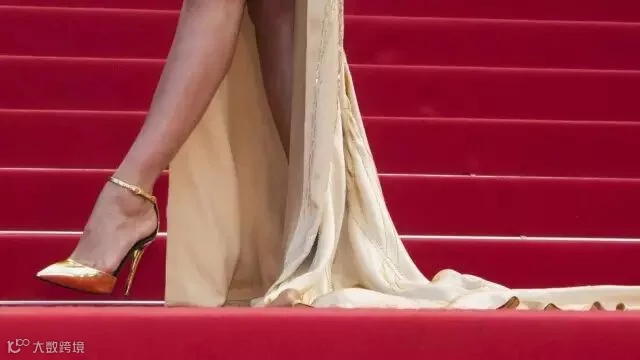
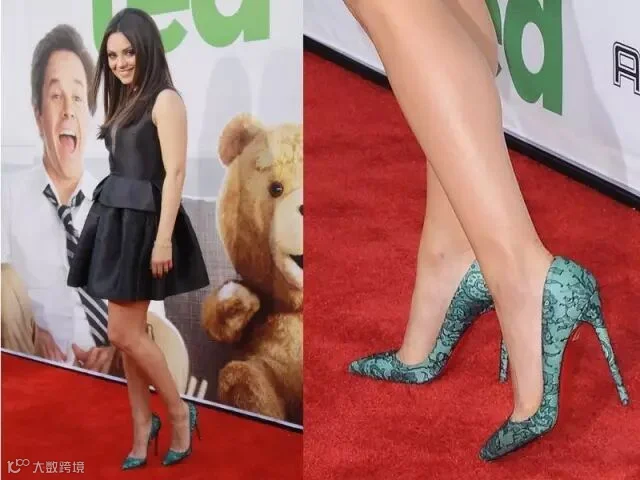
In many of the photos of women on the red carpet at the Cannes Film Festival, the elegant gowns fall all the way to the ground, obscuring a view of their special-occasion footwear.
戛纳电影节的照片中,众多女星在红毯之上,优雅的礼服拖着长长的摆尾,脚上别致的鞋子若隐若现。
So why on earth would it matter if women entering the prestigious celebration of cinema chose not to confine themselves in difficult-to-walk-in heels, opting for something more manageable— or even fashion-forward, in a flat?
那么,这些女星在参加极负盛名的电影节时,为什么会更愿意穿走起路都困难的高跟鞋,而不选择更加方便、甚至更为时尚的平底鞋呢?
High heels, it turns out, appeared to be part of the unwritten red-carpet dress code. Wearing heels changes how you stand, how you walk and how you are perceived.
原来,高跟鞋似乎是红毯着装里不成文的规定。高跟鞋会改变你站立的姿势、走路的姿态以及别人看待你的方式。
Heeled footwear was first introduced into Western fashion around the turn of the 17th century from Western Asia. Privileged men, followed by women, eagerly wore them for more than 130 years as expressions of power and prestige.
十七世纪初,高跟鞋由西亚传入西方时尚界。在长达130年的时间里,先是达官显贵的男性,然后是女性,都希望能够穿上高跟鞋,高跟鞋成为权力与声望的象征。
This changed, however, in the 18th century when the distinctions between male and female dress began to reflect larger cultural shifts. Regardless of class, men were deemed uniquely endowed with rational thought and thus worthy of political enfranchisement. Heels were not required on this new equal playing field. Men began to wear the nascent three-piece suit in somber hues and were discouraged from standing out from one another.
然而,到了十八世纪,这种情况发生了变化,文化转变开始更多地反映到男性和女性的服饰上,其差异也越来越大。无论阶级,男性被视为独具理性思维,因此拥有政治选举权。在这一新的平等竞技场上,高跟鞋被搁置一边。男士开始穿初期的三件套,多为暗灰色调,并且倡导低调。
Women, in contrast, were represented as being naturally deficient in reason and unfit for either education or citizenship. Fashion was redefined as frivolous and feminine, and the high heel became a potent accessory of ditsy desirability.
相反,女性则成为天然缺乏理性的代表,因此不适合接受教育或具备公民身份。时尚被重新定义,成为轻浮与女性化的代名词,而高跟鞋则成为这种愚蠢认知的有力证明。
With all this baggage weighing down high heels, it’s no wonder they couldn’t gain a foothold in men’s fashion — even when men’s stature became a cultural focus in the early decades of the 20th century. Pseudoscientific ideas promoted Darwinian concepts of survival of the fittest and linked male height directly to sexual attractiveness. Heels could have been pressed back into service in men’s fashion, yet they were rejected. Heels on men detracted from their masculinity by highlighting a natural lack of height, rather than conferring any advantage gained from artificially increased stature.
当所有负担都压在高跟鞋之上,即使二十世纪前叶男性身材成为了文化焦点,它也无法在男性时尚界立足。伪科学的思想引入了达尔文优胜劣汰的观念,将男士身材直接与性吸引力关联起来。高跟鞋本可以转身回到男装界,却遭到了拒绝。男性穿上高跟鞋只会因突出自然身材缺陷而失去阳刚之气,人为增加身高并不能给予他们任何优势。
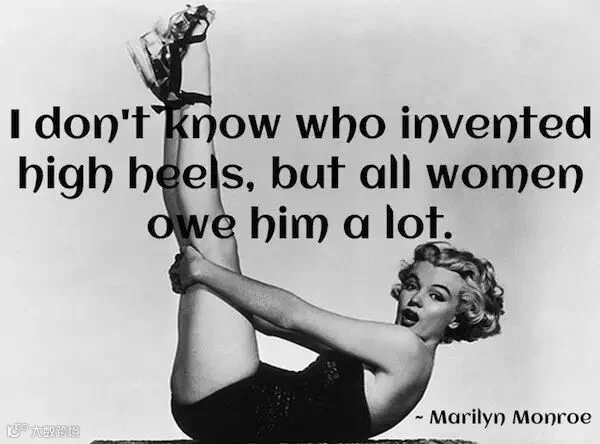
High heels on women, however, remained the cultural norm. Even when heels temporarily went out of fashion, they retained a prominent place in erotica. At the conclusion of World War II, this association led to the invention of the stiletto. The exceptionally thin heels depicted in wartime pinup art were made reality in the early 1950s and real-life women were encouraged to emulate those pinup ideals. Marilyn Monroe — alluring, playful and invariably stiletto shod — became one of the principal feminine archetypes of the period.
然而,女性穿高跟鞋却依旧是文化潮流。即使高跟鞋暂时过时,它们在情色作品中也保留了重要位置。第二次世界大战结束的时候,细高跟鞋出现了。二十世纪五十年代初,战时海报中的极细高跟鞋成为现实,人们鼓励现实生活中的女性模仿那些海报女郎。穿上高跟鞋时迷人又顽皮的玛丽莲·梦露,便是这一时代女性典型的形象。
By the 1960s, the high heel fell somewhat from favor; too “mature” for the Youthquake style revolution and too problematic for emerging feminists. It returned to fashion in the 1970s, perfectly in tune with the disco era (when some men did allow heels back into their wardrobe, too).
到了二十世纪六十年代,高跟鞋有些失宠;对于青年时尚运动的人来说,高跟鞋不免过于“成熟”;而对于新兴的女权主义者,这也是个问题。直到七十年代,高跟鞋才重返时尚界,与迪斯科时代完美契合(当时高跟鞋也出现在一部分男士的衣柜中)。
In the 1980s, as unprecedented numbers of women entered the white-collar workplace, climbing the corporate ladder was perceived as socially risky — it could strip a woman of her desirability.
二十世纪八十年代,白领女性数量空前攀升,人们认为过于侧重事业会给社交生活带来风险,它会使女性失去吸引力。
If the argument for heels is that they are part of traditional attire for women, which is not wrong. The body-revealing gowns and barely there footwear worn by women on the red carpet have direct links to 18th-century ideas on gender and midcentury concepts of a woman’s place in society.
如果认为高跟鞋是女性传统服装的一部分,这并没错。红毯之上暴露的礼服和若隐若现的鞋子与十八世纪的性别观念和上世纪中叶女性社会地位都有直接联系。
Perhaps it is a tradition we can upend in the 21st century, when it should be clear that a woman’s power has nothing to do with the height of her heel.
或许这个传统在二十一世纪可以颠倒过来,我们应当明确:女性的力量与她的鞋跟高度没有半毛钱关系。






 DOMESKY千韩良品