
As the world's attention to renewable energy continues to increase, and people's awareness of environmental protection increases, the BIPV industry is developing more and more rapidly, ushering in continued growth in demand.
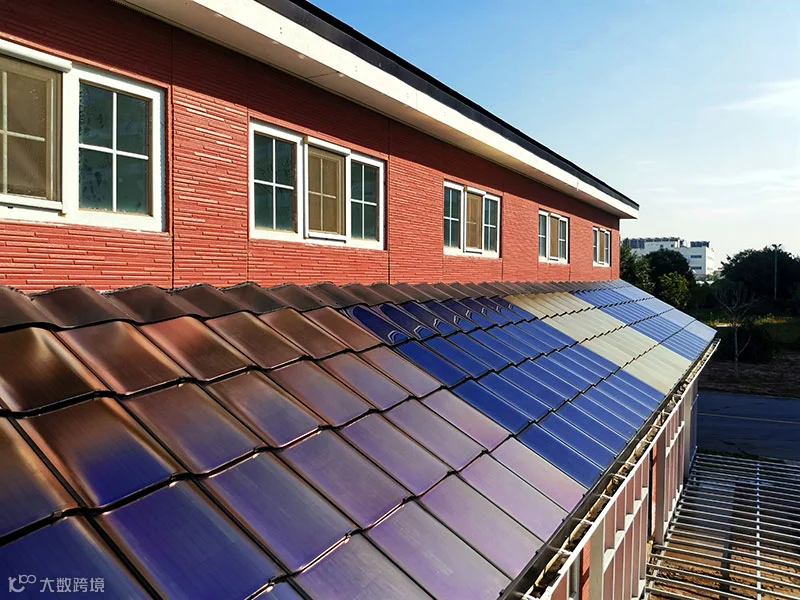
On the one hand, as the global green building concept becomes increasingly popular, many countries and regions are gradually improving green building standards. These standards not only emphasize the energy-saving performance of buildings, but also put forward clear requirements for using renewable energy. This will further promote the development of the BIPV industry and make BIPV more widely used in buildings.
On the other hand, the BIPV industry has made breakthroughs in technological innovation. The continuous development of high-efficiency photovoltaic materials, smart grid technology and building energy-saving technology provides BIPV with more application options and broader development space. As the BIPV industry develops, its industrial chain is also constantly improving, and the synergy of the entire industry chain will further promote the rapid development of the BIPV industry.
For the installation of BIPV systems in buildings, there are two advantages:
After installing a BIPV solar photovoltaic system on the roof, solar energy can be directly converted into electrical energy to meet daily electricity needs. After installing an inverter, excess electric energy can be stored, so that it is no longer dependent on the power grid, achieving energy self-sufficiency to a certain extent and saving electricity costs. Moreover, the BIPV solar photovoltaic system produces clean energy, so there is no need to worry about polluting the environment, which is in line with the strategy of sustainable development.
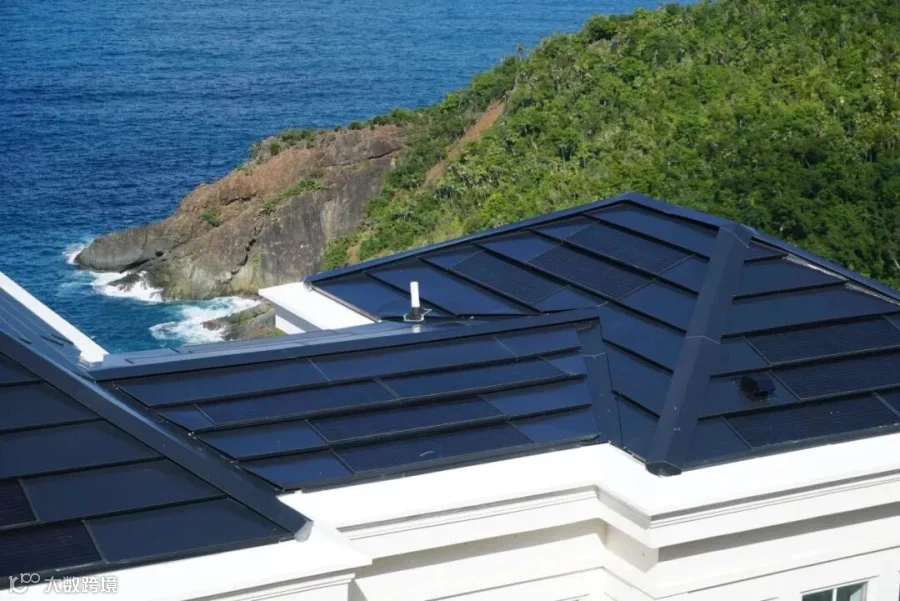
BIPV solar photovoltaic systems are fundamentally different from traditional solar photovoltaic panels. Traditional solar photovoltaic panels install photovoltaic power generation equipment on the surface of the building, which not only increases the load-bearing capacity of the building, but also affects the overall aesthetics of the building. BIPV photovoltaic systems are integrated with buildings and can directly replace traditional building materials. Designers must consider the overall effect of the integration of photovoltaic systems and buildings from the beginning, so visually speaking, BIPV photovoltaic building integration is more aesthetically pleasing.
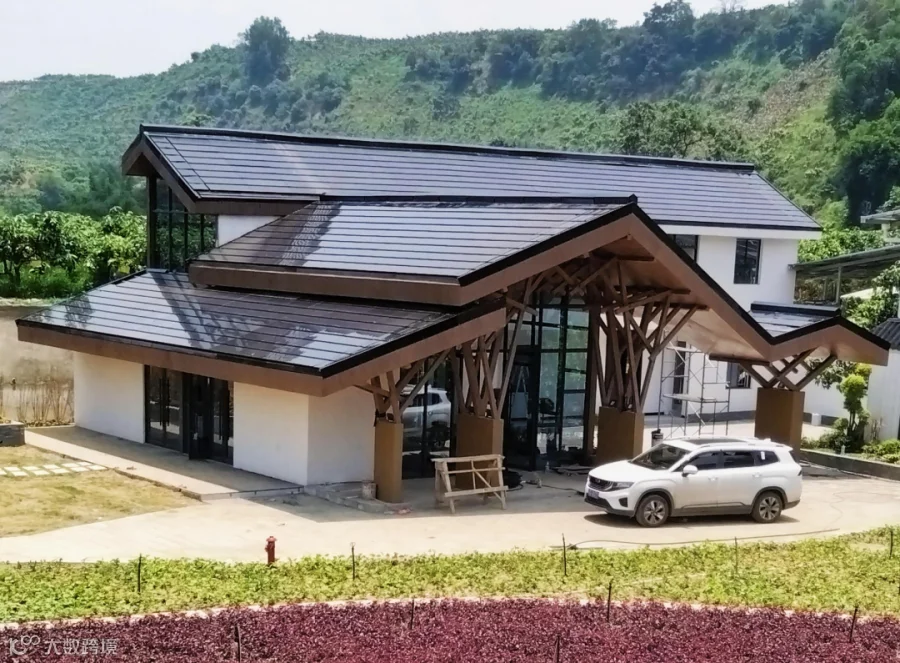
Secondly, for the general environment, whether it is national policies or social development trends, it is beneficial to the development of photovoltaic building integration:
Under the active promotion of the country, to support the development of BIPV building integration, various regions have promulgated a series of subsidy policies to reduce the cost of installing photovoltaic systems. Under these preferential policies, not only some large-scale engineering projects have begun to install photovoltaic building-integrated systems. Individual self-built houses have also begun to try to install BIPV.
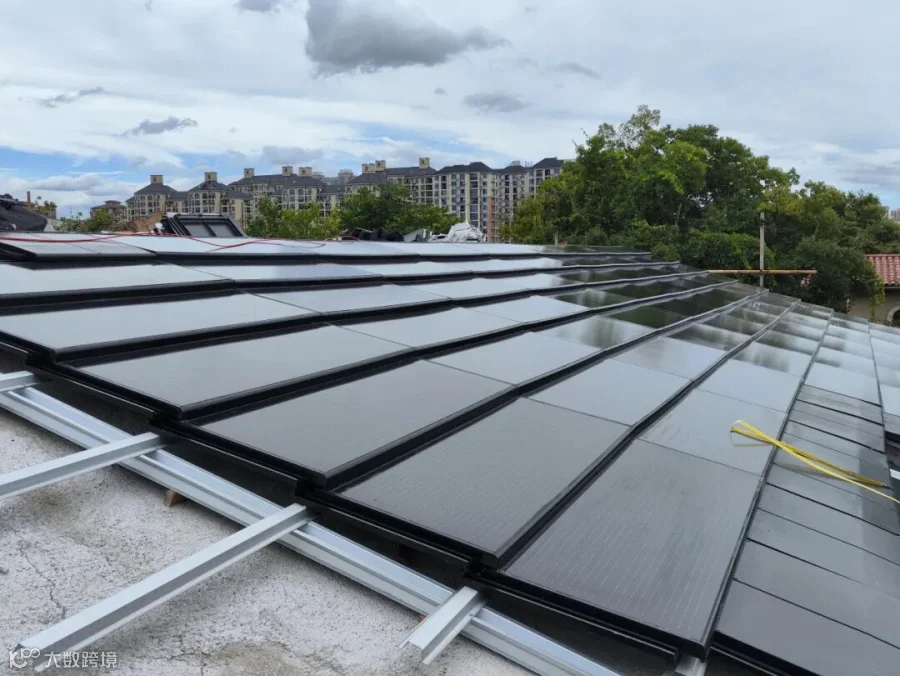
The development of BIPV building-integrated photovoltaics is of great significance for promoting energy conservation and emission reduction. From the perspective of long-term development trends, society's demand for clean energy is growing rapidly, and promoting building energy conservation is an important issue that needs to be faced at present. The emergence of photovoltaic building integration can properly solve these two problems.
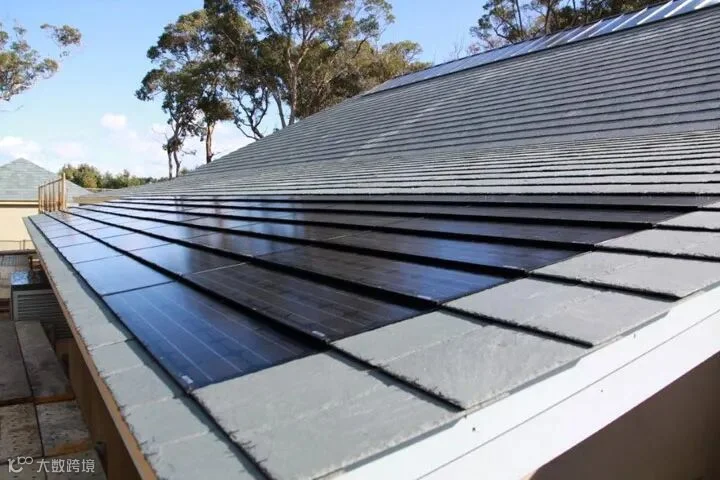
BIPV has now become one of the main forms of photovoltaic power generation systems in the world. With the expansion of the application market, the development speed of building integrated photovoltaics will become faster and faster.