When it comes to choosing the right roof tile covering for your home, the choices can be bewildering. Two popular options are polymer antique tiles and clay tiles. While both have a similar look, they differ significantly in terms of materials, durability, maintenance, and cost. This article explores the key differences between these two types of tiles to help you make an informed decision.
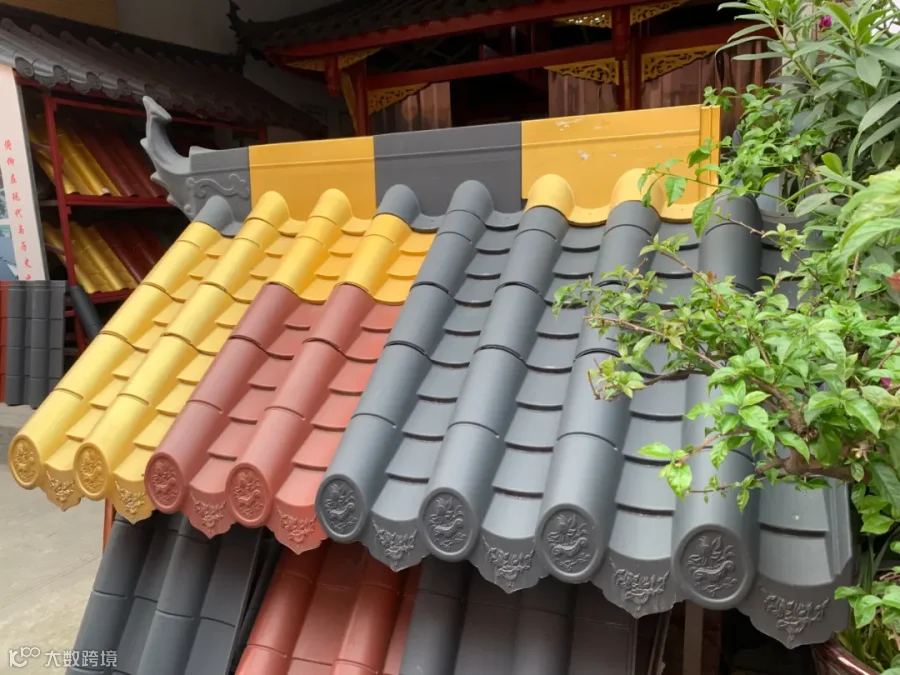
Polymer Antique Tiles
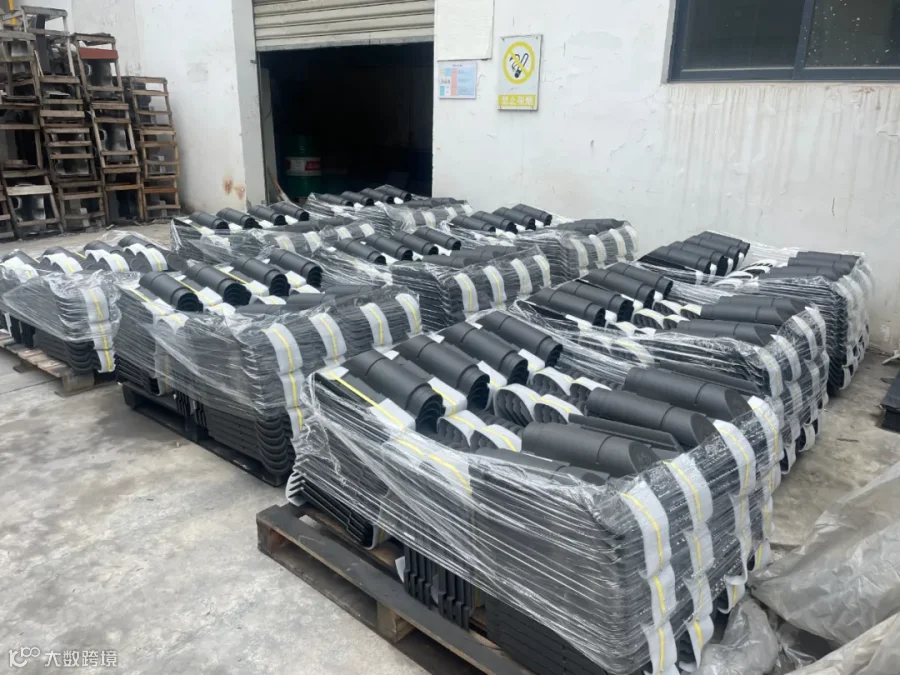
Material: High weather-resistant polycool resin as the base material, high-strength basalt fiber as the reinforcing aggregate, and a variety of composite heat preservation and insulation materials as the filler.
Production Process: It is made by advanced mechanical equipment and automated production line, through extrusion and molding process. This production method has high efficiency, short cycle time, and the polymer material can be recycled and reused repeatedly, which is friendly to the environment.
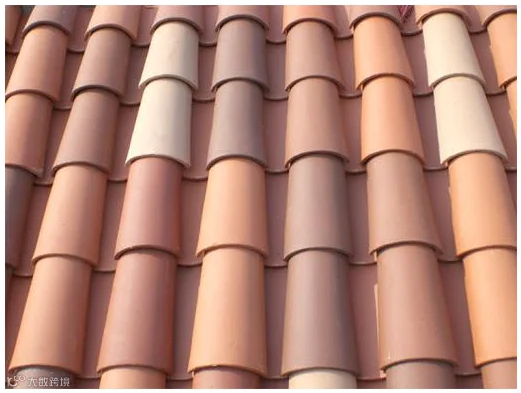
Clay Tiles
Material: Mainly clay, cement and other main raw materials.
Production Process: Including billet making, firing, glazing and so on. The production cycle is long, the efficiency is low, and a lot of waste gas and waste residue will be produced during the firing process, causing pollution to the environment.
Polymer Antique Tiles
Lightweight and High Strength: Large sheet area, easy and fast installation, greatly saving installation costs.
Strong Weathering Performance: High temperature resistance, frost resistance, corrosion resistance, service life of up to 70 years or more, can be the same life as the building.
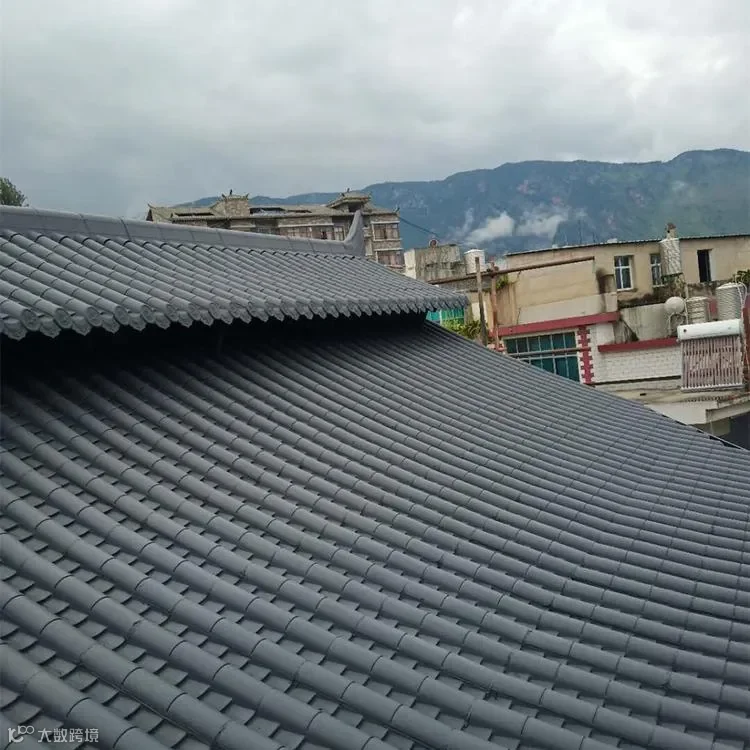
Waterproof Effect is Good: The surface is smooth and bright, does not lose light, does not fade, waterproof effect is excellent, life-long maintenance is not required.
Rich Color: Beautiful and atmospheric appearance, not only has the ancient traditional style of ancient tiles, but also has an elegant modern color, can meet the needs of various architectural styles.
Clay Tiles
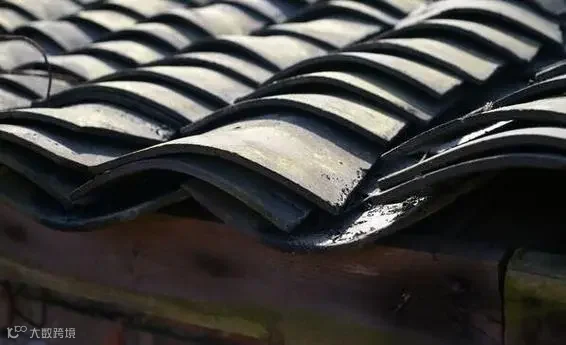
Hard Texture: Bright color, waterproof, mildew, fireproof, heat insulation, heat preservation and many other advantages.
Large Weight: Due to the molecular structure, making the surface rough, permeability is also large, coupled with the installation is a piece of a piece of stacked up, easy to loosen in the late stage, easy to crack and leakage over time.
Limited Specifications: Due to the limitation of its production process, the output and specifications are limited.
Polymer Antique Tiles
Application Scope: High-end buildings, landscape villas, park pavilions, ancient building restoration, urban landscape projects, etc.
Maintenance Cost: Long service life and low maintenance cost.
Clay Tiles
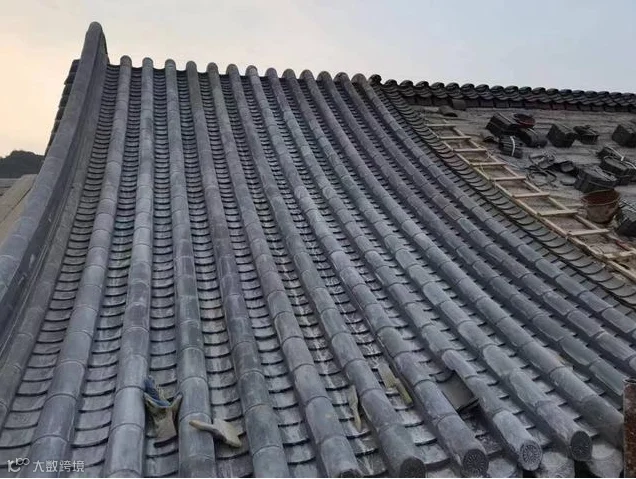
Application Scope: Houses and gardens with traditional architectural styles, with high historical and cultural value.
Maintenance Cost: Although the service life is long, the maintenance cost is relatively high due to the heavy weight, high construction difficulty, and possible cracks, leakage and other problems.
In conclusion, both polymer antique tiles and clay tiles have their unique advantages and disadvantages. Ultimately, the choice between the two will depend on your specific needs, preferences, and budget.