

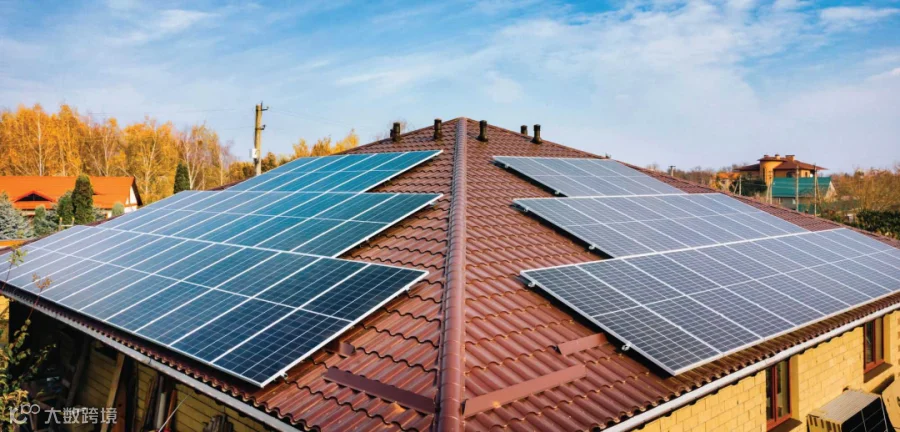
BIPV roofing tiles (Building-Integrated Photovoltaic tiles) feature a dual-function design that integrates waterproofing and power generation into a single system. This eliminates the traditional multi-phase approach of "waterproofing first, then installing solar," providing an efficient solution that meets both needs simultaneously without subsequent modifications.
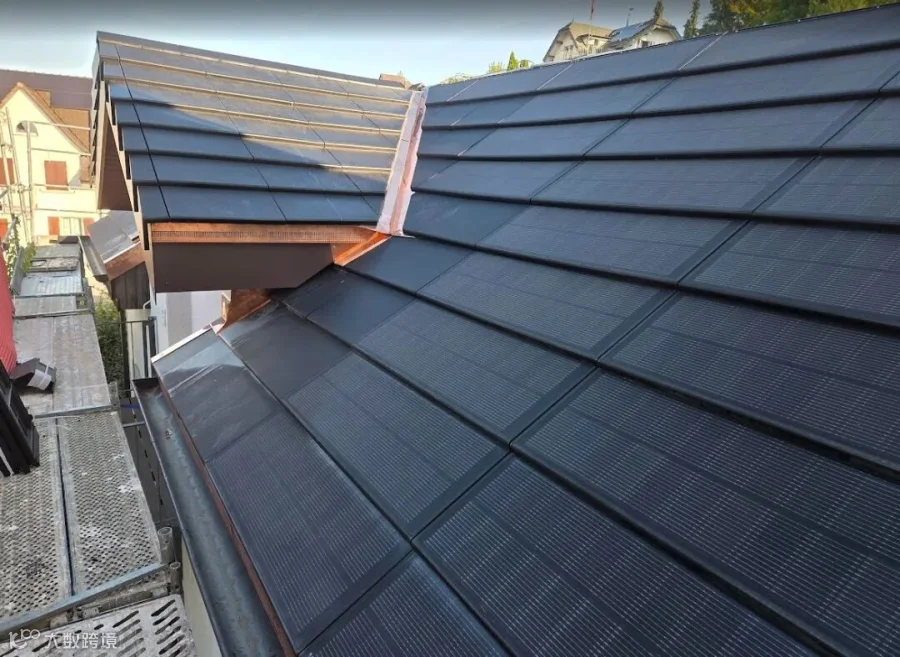
The conventional model of treating roof waterproofing and solar power generation as separate processes presents a number of inherent pitfalls, often leaving homeowners with a difficult dilemma.
Disruptive & Complex Process
The installation requires a lengthy, multi-stage process: base preparation → waterproof membrane installation → roof tiling → partial tile removal → bracket installation → panel mounting → waterproofing repair. This leads to extended timelines, with noise and dust from repeated work severely disrupting daily life.
Soaring Costs & Material Waste
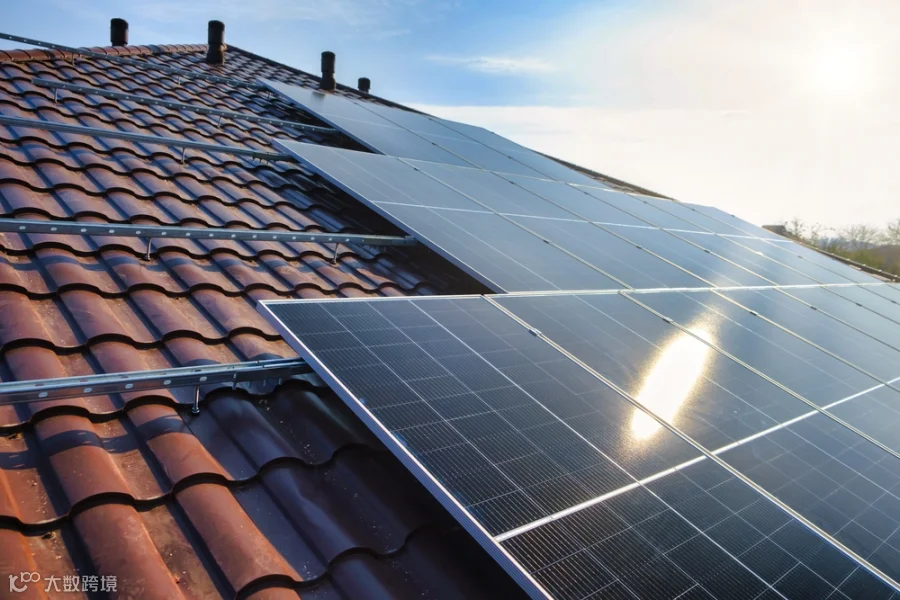
The dual-approach demands duplicate labor and material investments. Removing original tiles causes material loss, and repairing waterproofing requires additional purchases, driving overall costs over 30% higher than an integrated one-time installation.
Structural Damage & Leak Risks
Drilling holes for solar mounts creates potential leak paths if seals fail. The repeated removal and reinstallation of tiles can damage the underlying waterproof layer, ironically increasing the risk of roof leaks.
BIPV roofing tiles permanently resolve these issues through their core building-integrated design, which achieves a deep "two-in-one" functionality:
Structural Integration, No Additional Waterproofing
It is not a simple combination of "photovoltaic panels plus roof tiles." With a high-strength composite material as the base, a surface layer of protective glass with high light transmittance and strong weather resistance, and embedded photovoltaic cells, the tile edges are designed with precision interlocking structures and waterproof sealing gaskets. During installation, they directly replace traditional roof tiles, forming a natural waterproof barrier without the need for additional waterproof membranes.
Simultaneous Completion, Eliminating Retrofitting
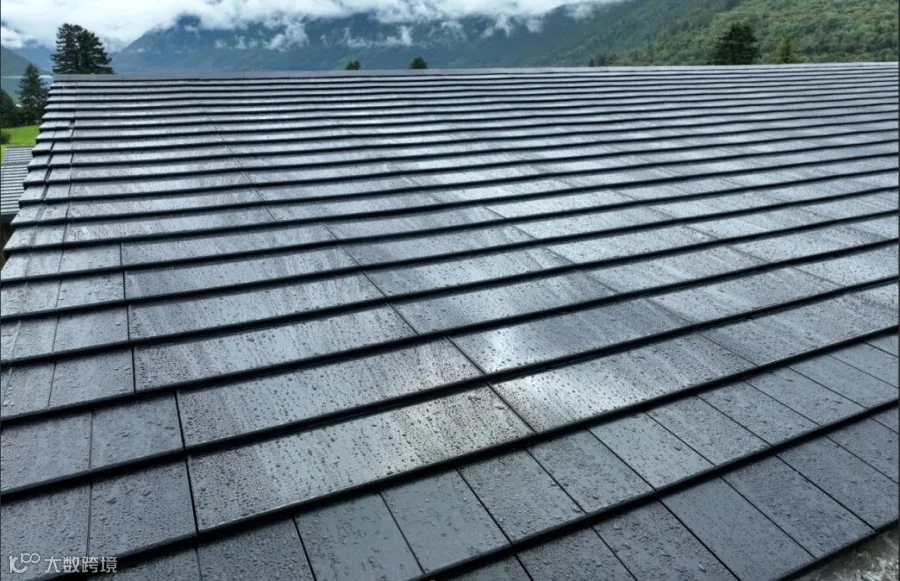
After being interlocked sequentially along the roof slope, the tiles immediately fulfill the waterproof function. At the same time, the photovoltaic cells are connected via wiring to form a power generation system, converting sunlight into electricity—truly achieving "waterproof upon installation, power generation upon completion."
Strong Stability, Exceptionally Long Lifespan
The waterproof and power generation functions are integrated into a unified system. The tiles and photovoltaic components bear loads and adapt to environmental changes simultaneously. The protective glass can withstand impacts from hail and strong winds, while the composite base material resists aging and corrosion. Both have largely consistent life cycles (typically up to 30 years or more), avoiding issues of functional mismatch.
New Construction: Complete both roof waterproofing and power system installation in one step, reducing both construction time and total cost.
Existing Building Renovation: When original roof tiles deteriorate, they can be directly removed and replaced with BIPV tiles, simultaneously achieving waterproofing upgrades and power generation without requiring a second construction phase.
Space-Constrained Scenarios: Through modular design, the available roof area is fully utilized, maximizing power generation efficiency while meeting waterproofing requirements and avoiding the "extra space occupation" issue of traditional solar panels.
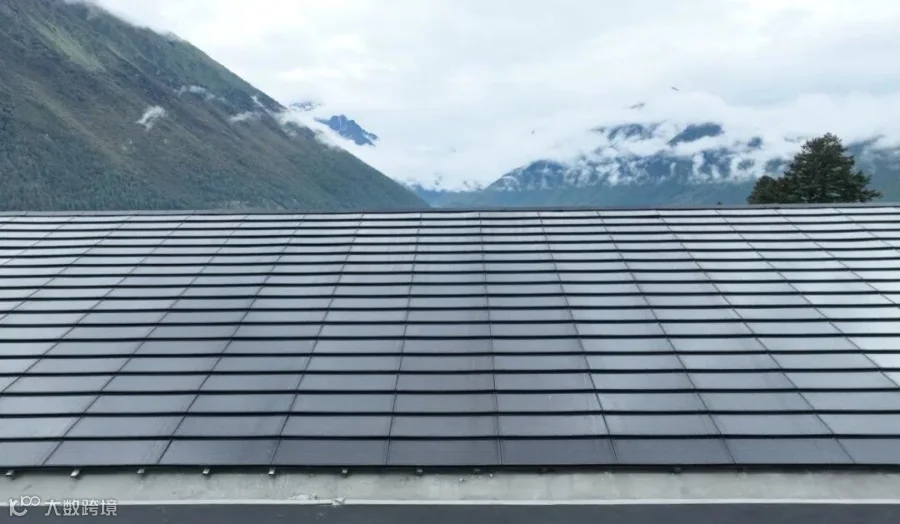
BIPV solar tiles, through dual-function integration, address the pain points of multiple renovations while aligning with green development trends. This transforms the roof from a mere "protective component" into an "energy-generating asset." This all-in-one solution not only saves users time and costs but also drives roof construction toward "efficiency, integration, and sustainability," establishing itself as a significant innovative direction for modern building roofs. It truly achieves "simultaneous waterproofing and power generation, combining practicality with environmental responsibility."