
The soul of traditional Chinese architecture lies in its undulating roof tiles. A single blue tile or a row of cylindrical tiles, having withstood a thousand years of wind and rain, embodies the rustic elegance and Eastern aesthetic of Chinese architecture. From ancient imperial palaces to Jiangnan folk dwellings, ancient temples, and ancestral halls, the diverse shapes and materials of these tiles have shaped a unique aesthetic in Chinese architecture.
Many people are captivated by the beauty of traditional Chinese architecture, yet struggle to distinguish between the various types of roof tiles used in these structures. Today, we’ll explore the most common types of traditional roof tiles.
Traditional roof tiles are primarily made from fired clay. They feature regular shapes and a rich, timeless charm. Each type of tile has its own specific applications and stylistic characteristics, making them suitable for Chinese buildings of varying grades and styles:
These are the most commonly used classic tiles and a signature feature of traditional architecture in the Jiangnan region. They have an overall curved shape and a bluish-gray hue, with a warm, smooth texture resulting from hand-firing. The thin tiles are laid in a staggered pattern, creating a fresh and elegant atmosphere.
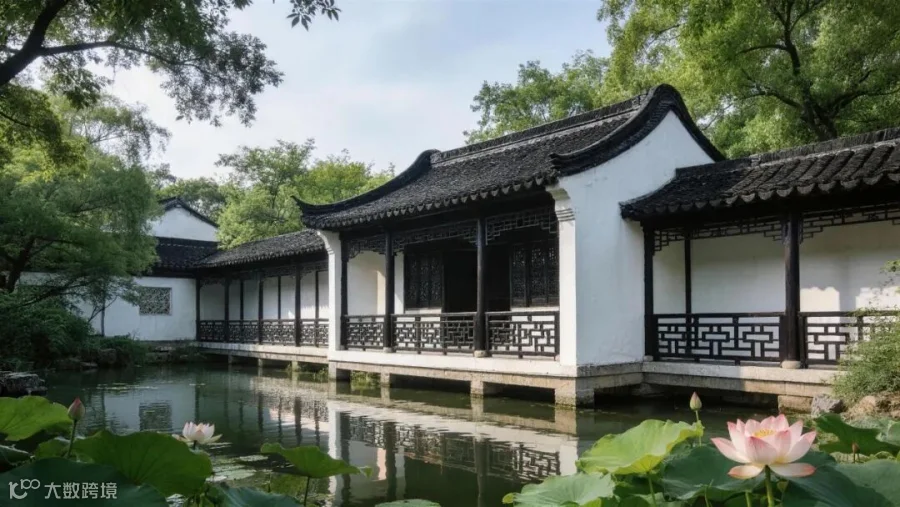
Applications: Rural self-built homes, traditional Chinese courtyard houses, Jiangnan-style gardens, and antique-style guesthouses and residences
Features: Rustic and attractive, with excellent adaptability. However, traditional small blue-gray roof tiles have high water absorption rates and are prone to cracking, delamination, and leaks when exposed to prolonged sun and rain. They are also fragile, have a short service life, and require extensive maintenance.
A tile type traditionally used in high-status ancient architecture, featuring a semicircular cross-section. When laid, these tiles cover the gaps between the ridge tiles, creating smooth, uniform ridges. The roof as a whole exudes a grand and dignified atmosphere with clean, crisp lines, radiating a sense of grandeur. In use since the Western Zhou Dynasty, they remain a signature feature of palace and ancient temple roofs.
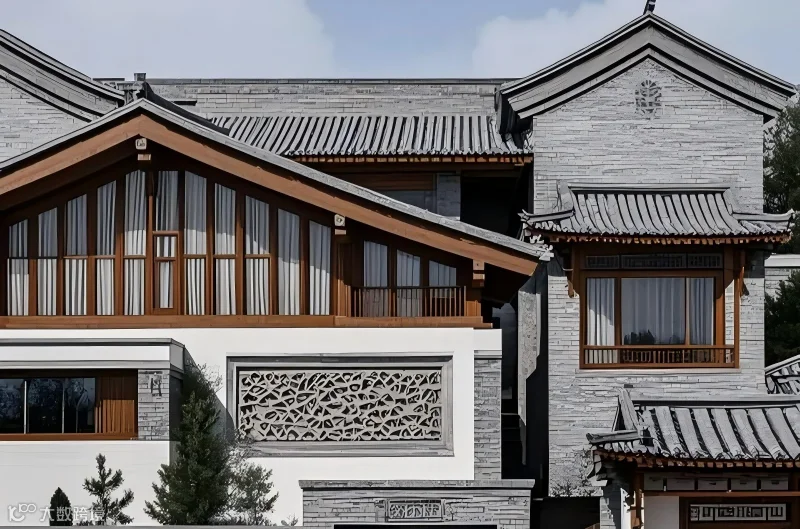
Applications: Historic temples, ancestral halls, traditional-style palaces, and cultural and tourism sites featuring historic architecture
Features: Premium texture and superior water resistance compared to standard small blue tiles; however, the firing process is complex, the tiles are extremely heavy, and they place high demands on the roof’s load-bearing capacity. Installation is challenging and time-consuming.
The premier roofing material for historic architecture, featuring a glossy, fine-textured glazed surface with a rich variety of colors and distinct grades. The craftsmanship reached its peak during the Ming and Qing dynasties. Yellow glazed tiles were reserved exclusively for imperial architecture, while green ones were commonly used for princely mansions and estates; other color variations were suited for gardens and temples.
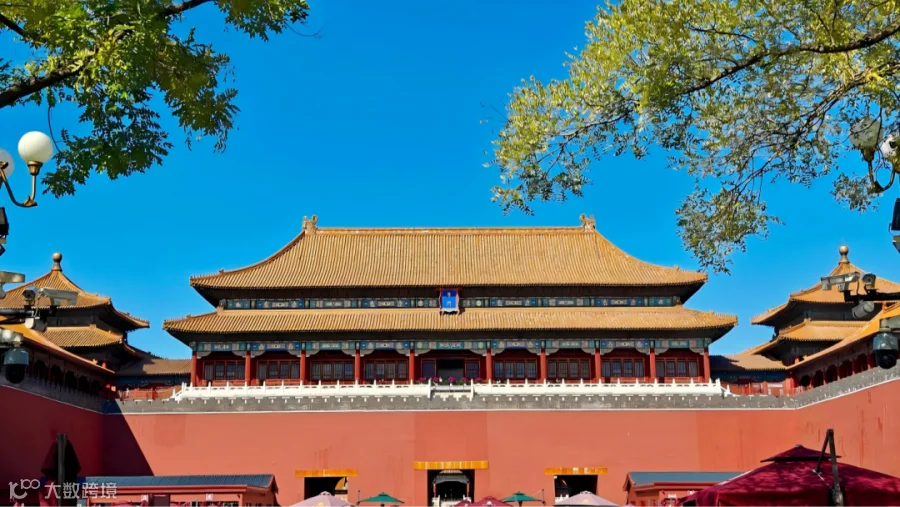
Applications: Royal-style historic buildings, ancient temple halls, and high-end historic-style cultural and tourism architecture
Features: Vibrant colors, excellent water resistance, and a luxurious texture; however, they are expensive, extremely heavy, prone to freezing and cracking in cold weather, have poor impact resistance, and are susceptible to damage in strong winds and hailstorms.
While traditional roof tiles exude a rich sense of history, they present significant challenges when used in modern historic-style construction, the restoration of historic buildings, and the renovation of older homes:
Heavy Weight: Clay-fired roof tiles have a high density, significantly increasing the load on the roof, making them unsuitable for older buildings and lightweight wood-frame structures.
Prone to Damage and Leaks: With high water absorption and susceptibility to temperature fluctuations, they are prone to freezing and cracking, weathering, and detachment, often resulting in chronic leaks and tile loss.
Complex Installation: Installation requires cement mortar and manual leveling, involving complex procedures, extended construction periods, and high labor costs.
Frequent Maintenance: They tend to fade and become damaged within 3–5 years, and the cost of later repairs and replacements is extremely high.
Today, we’d like to introduce a new type of roofing tile for traditional architecture that combines classic aesthetics with top-notch performance—the new polymer-based antique-style tile. It addresses many of the common issues associated with traditional architectural tiles:
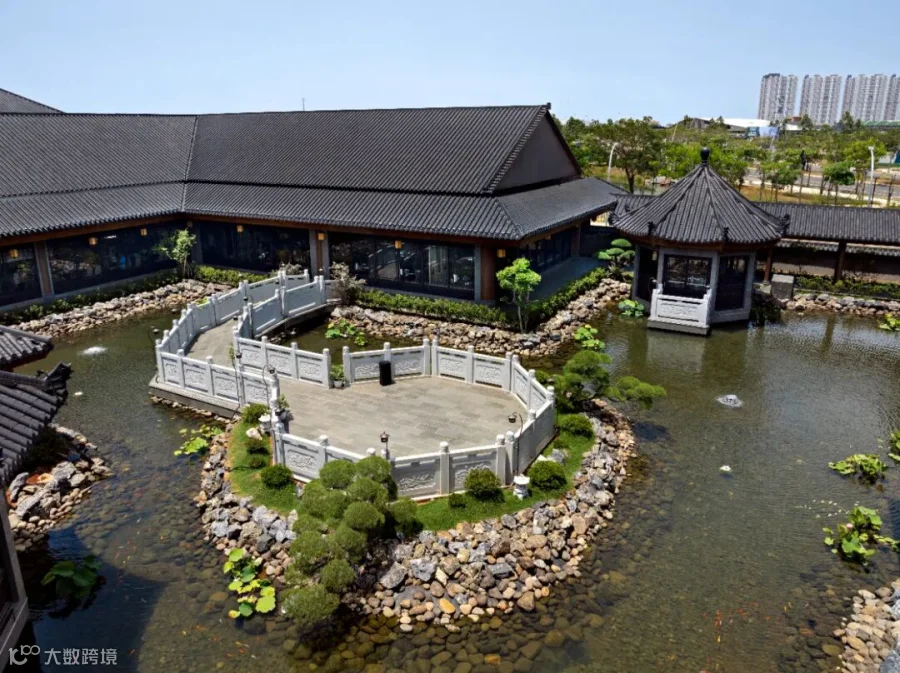
To address the numerous shortcomings of traditional architectural tiles and meet the demands of modern historical-style construction and the restoration of historic buildings, polymer-based historical-style tiles have emerged. Made from modified polymer composite materials and formed through high-temperature molding into a single piece, these tiles faithfully replicate the texture and shape of traditional Qing Tiles and Tong Tiles in a 1:1 scale. They perfectly capture the charm of traditional Chinese architecture while offering the superior performance of modern building materials, making them the leading choice for Chinese-style roofing today.
I. Authentic Aesthetics: Capturing the Essence of Millennia-Old Architecture
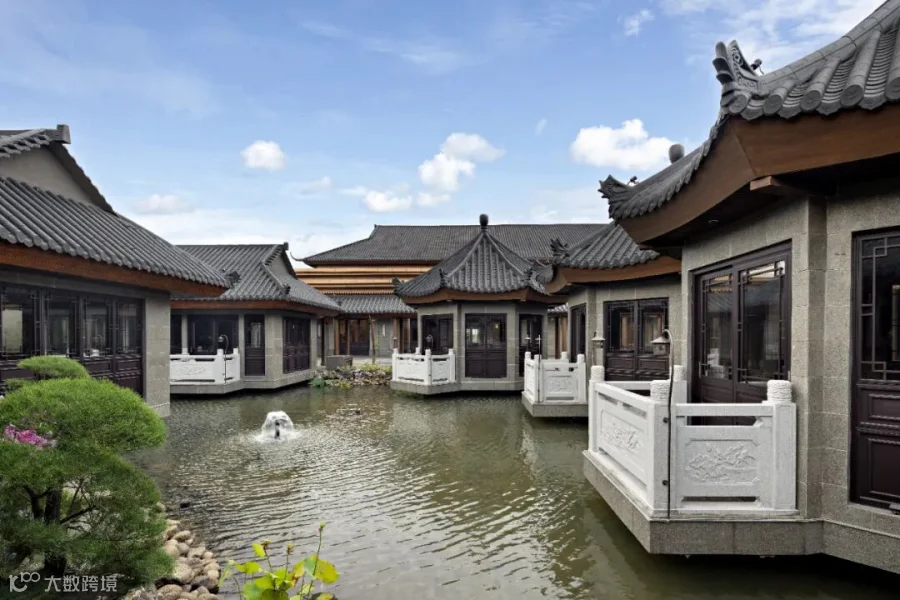
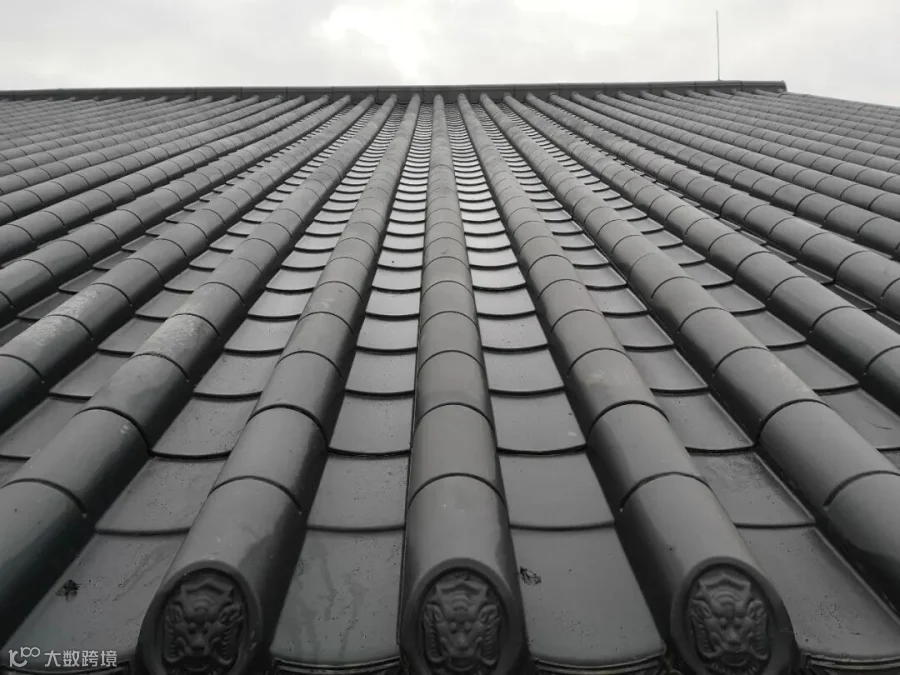
Departing from the stiff, plastic-like feel of traditional imitation-antique building materials, these tiles precisely replicate the curvature, texture, and color of traditional roof tiles. Their elegant, natural matte blue-gray finish, combined with neat ridges and delicate layering, perfectly captures the pure essence of ancient Eastern charm—whether used for historic building restoration, traditional Chinese courtyard homes, antique-style scenic areas, or self-built guesthouses. Visually, they are indistinguishable from traditional antique roof tiles.
II. Weather-Resistant and Durable—Say Goodbye to Frequent Repairs
With a dense material structure and virtually zero water absorption, these tiles completely eliminate the problems of water absorption, freeze-thaw cracking, seepage, and leaks associated with traditional tiles. Enriched with imported UV-resistant additives, these tiles are heat-resistant, cold-resistant, and corrosion-resistant. They can withstand extreme temperature fluctuations, from high heat to freezing cold, and remain stable in coastal saline environments, as well as in areas with heavy rainfall, strong winds, and ice, snow, and frost. They do not fade, crack, or age, and have a service life of up to several decades.
III. Efficient Installation, Cost and Labor Savings
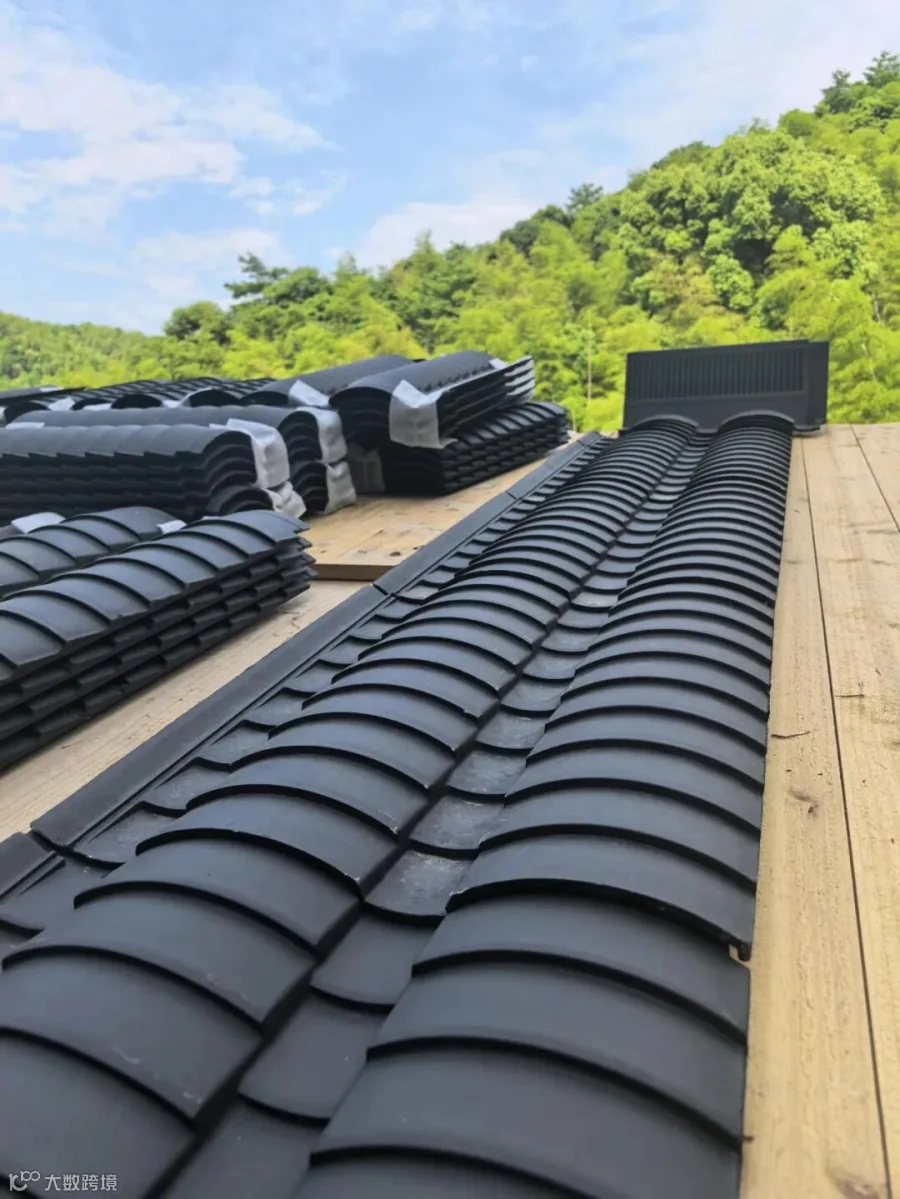
Each sheet covers a large area and is secured with screws, eliminating the need for cement plastering or complex leveling. The installation process is simple and easy to master, cutting the construction timeline by more than half compared to traditional roofing tiles. This results in significant savings on labor, materials, and construction time, making it ideal for both small-scale and large-scale roofing projects.
In addition, these new polymer-based antique-style roof tiles are suitable for a wide range of applications:
▪ Restoration of historic buildings and cultural relics; renovation of ancestral halls and temples
▪ Traditional Chinese courtyard houses, antique-style villas, and rural self-built homes
▪ Cultural and tourism towns, antique-style scenic areas, and landscape architecture
▪ Bed-and-breakfasts, hotels, antique-style walls, and roofed walkways
The beauty of Chinese architecture lies in its enduring historical charm. Traditional roof tiles embody a millennia-old architectural heritage, yet their material limitations make them ill-suited for modern needs.
Polymer antique-style roof tiles infuse tradition with technology, preserving the texture and character of ancient architecture while addressing the shortcomings of traditional building materials.
If you're looking for a Chinese-style antique-look roof that's visually appealing, low-maintenance, and offers great value for money, choose polymer antique-style roof tiles—they're both beautiful and durable!