
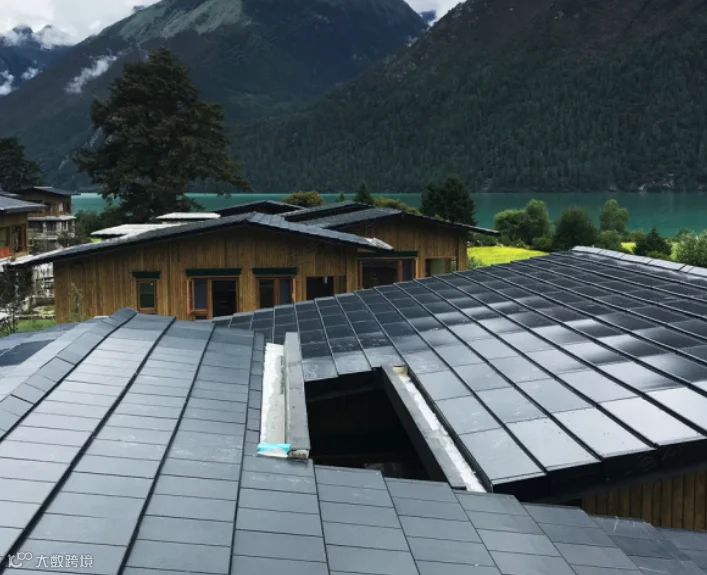
As an important part of the new energy photovoltaic industry, BIPV has the greatest advantage of providing renewable, green, and clean energy. Compared to traditional energy sources such as coal and oil, environmental pollution is extremely serious. BIPV itself utilizes sustainable solar energy as its energy source, which does not generate pollution factors during the process of converting electricity. This has profound significance for global environmental protection and green energy conservation development.
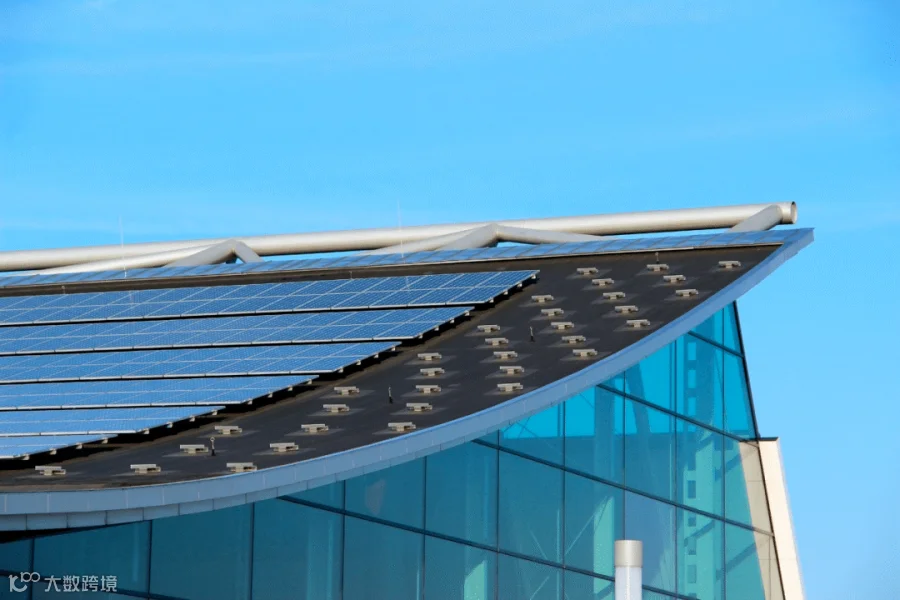
BIPV, simplified as building-integrated photovoltaics, refers to the integration of photovoltaic power generation components and buildings. Compared with BAPV, it does not require a separate installation of solar panels, and photovoltaic modules are combined with building materials such as roof tiles and walls to form a new generation of building technology materials. By absorbing solar energy from building areas such as roofs and facades, the entire building is supplied with electricity, effectively improving space utilization.
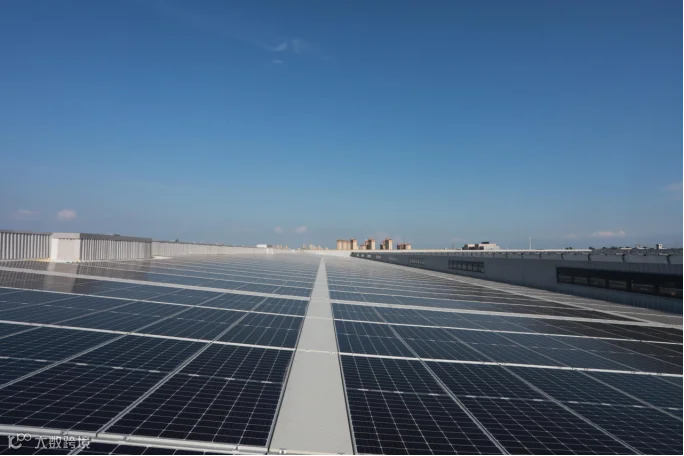
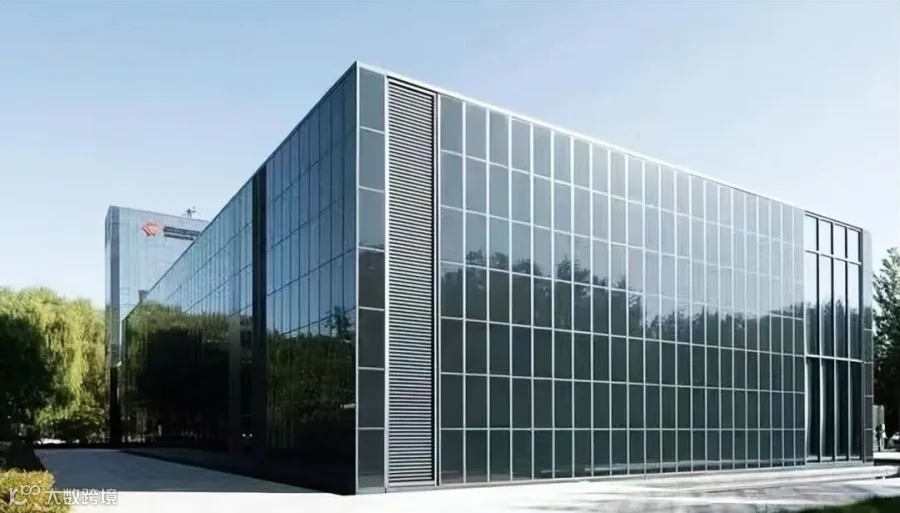
Of course, although the market prospects of BIPV are enormous and considerable, due to the complexity of the photovoltaic system itself and the high installation cost of the system, the overall project cost of BIPV remains high, and it cannot be quickly popularized to ordinary households in a short period of time.
However, with the increasing maturity of BIPV, the cost of project implementation will naturally gradually decrease, which will be accepted by more ordinary families. In addition, local governments are also introducing various measures to promote the rapid implementation and further development of BIPV projects.
Overall, from a long-term perspective, the advantages of BIPV is obvious. As an innovative combination of energy and architecture, its starting point and practical significance are what humans need to pay attention to for long-term survival on Earth. With the continuous accumulation of technology and the decrease in manufacturing costs in the future, it is bound to bring new changes and vitality to roof buildings.