

As global construction shifts toward sustainability, solar roof tiles are revolutionizing energy solutions. It can generate electricity and protect against wind and rain, and is known as the "money printing machine on the roof". However, the installation cost is several times higher and the controversial power generation efficiency makes many people reluctant to buy it. This article will deeply analyze the advantages, disadvantages and costs of solar tiles to reveal its true face.
Solar tiles (BIPV, building-integrated photovoltaics) are innovative products that embed solar cells into traditional roof tiles, combining power generation and building material functions. Unlike the "later installation" model of traditional solar panels (BAPV), solar tiles can directly replace traditional tiles to achieve seamless integration of roofs and power generation systems. The current mainstream technologies include crystalline silicon and thin-film batteries, and the colors can be customized to black, red, etc. to suit different architectural styles.
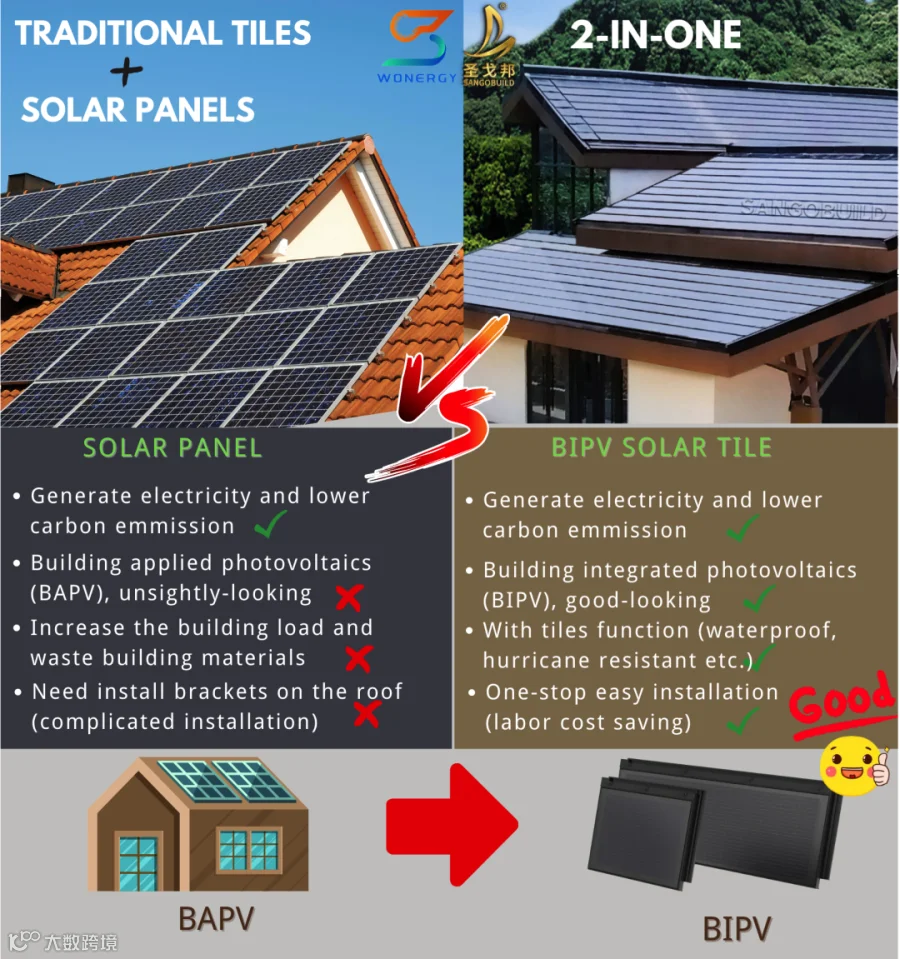
1. Seamless Aesthetics, Zero Compromise
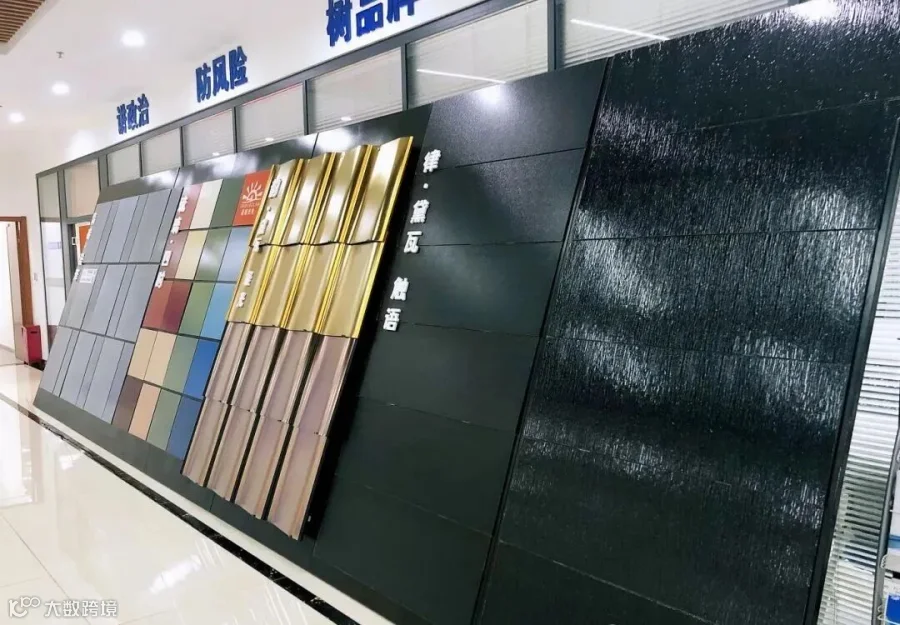
Traditional solar panels are often criticized for their "detrimental impact on building aesthetics" due to their bulky size and monotonous color. In contrast, solar tiles seamlessly integrate into roof designs, offering a variety of color and style options. They are particularly well-suited for scenarios with high aesthetic demands, such as villas and historical buildings.

2. Dual-Layer Value: Protection + Power
The weight is only 1/3 of that of traditional photovoltaic modules, which greatly reduces the pressure on the roof. Wooden roofs and light steel structure roofs can also be installed normally. At the same time, it has waterproof and heat-insulating functions, which can lower the indoor temperature in summer and reduce heat loss in winter.
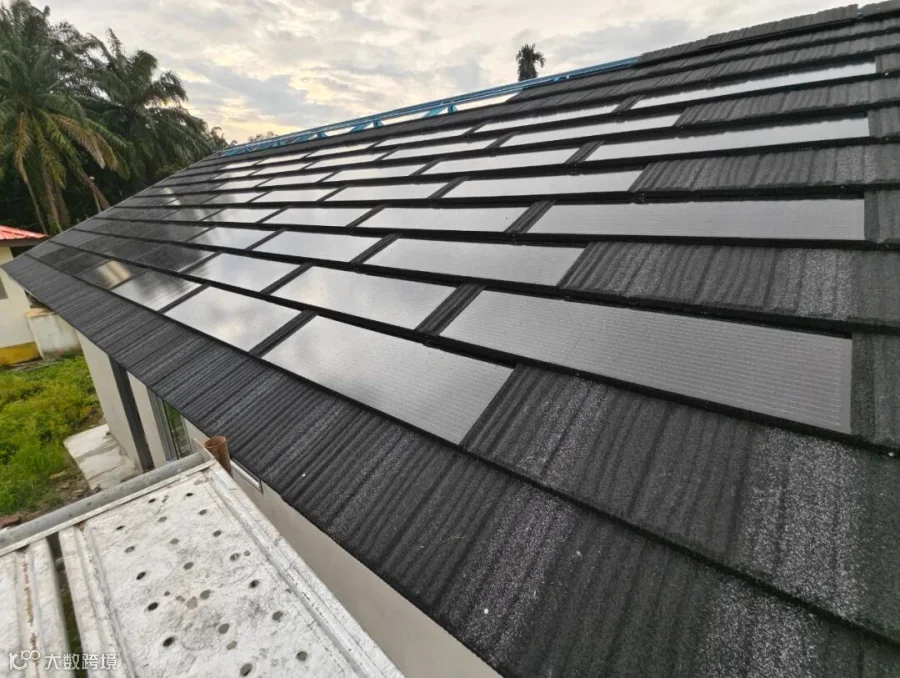
3. Flexible Installation, Not Restricted By Roof
It is suitable for areas that are difficult to cover with traditional photovoltaic panels, such as sloping roofs and special-shaped roofs, and does not require additional brackets, saving space.
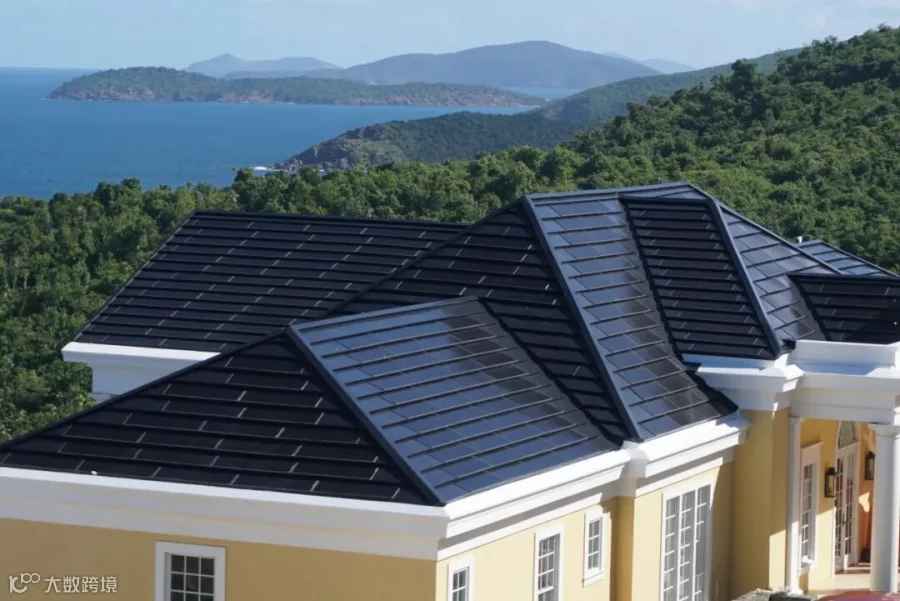
4. Stable Energy Efficiency, Long-term Environmental Benefits
The minimum service life of photovoltaic tiles is 30 years, and the power generation attenuation rate is no more than 20% within 30 years. The power generation effect is more stable and the subsequent maintenance cost is less.
1. Higher Upfront Costs
Traditional Solar Panels: $0.3–0.5/W (roofing excluded)
Solar Tiles: $0.6–0.8/W (integrated system)
However, many countries currently have BIPV subsidy policies.
2. Lower Energy Density
Due to the limitations of tile area and heat dissipation conditions, the power generation per unit area of solar tiles is about 5% lower than that of traditional solar panel modules. For example, a 10-square-meter traditional solar panel generates 15 degrees of electricity per day, while solar tiles only generate 10-12 degrees.
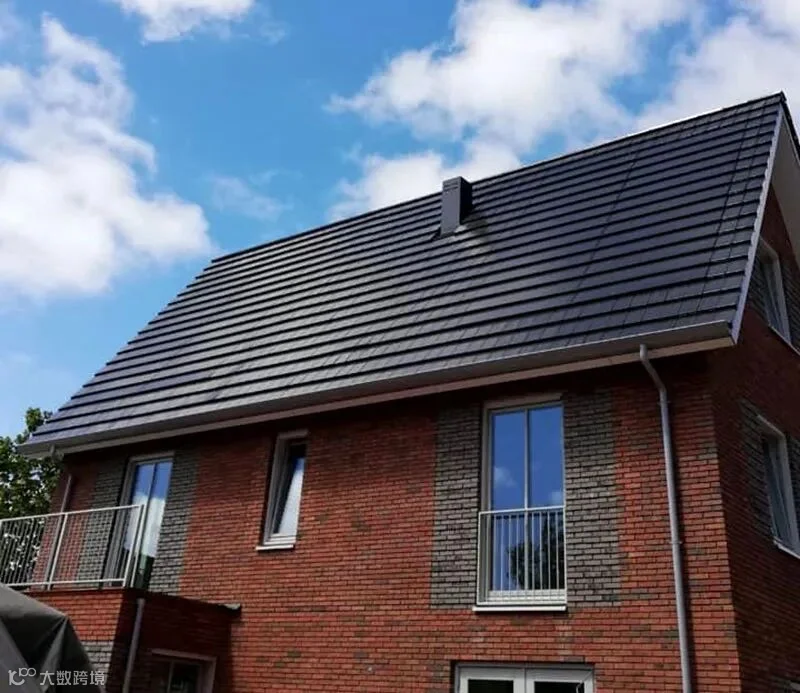
Solar tiles are not universally superior - they redefine value in terms of aesthetics, durability and policy incentives. Solar tiles are the intersection of green buildings and the energy revolution. Although they are not as cost-effective as traditional solar panel modules at this stage, they are still the "choice of the future" for users who pursue aesthetics and environmental protection.