

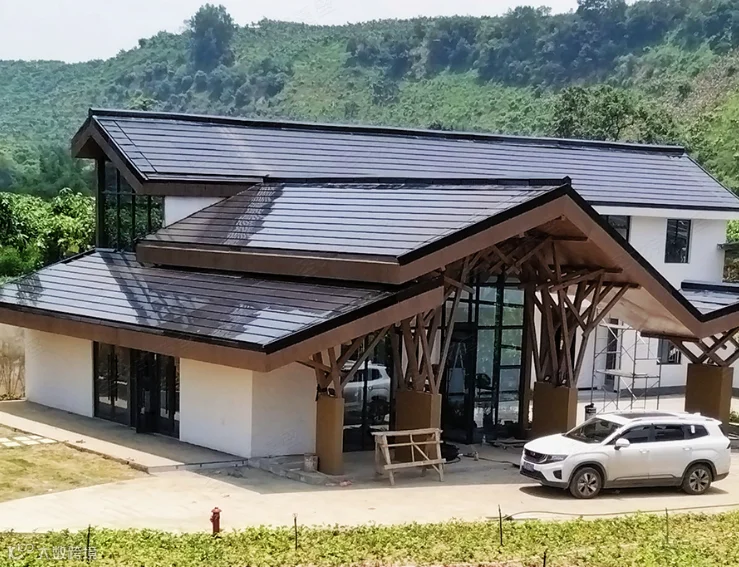
The concept of BIPV is Building Integrated photovoltaic. Next, we will elaborate on the significance of this concept in detail.
The concept of building integrated photovoltaics does not emerge out of thin air. From previously well-known solar water heaters to solar chargers, solar applications have become increasingly mature. However, these applications are relatively simple. Until recent years, the integration of photovoltaic buildings has been put on the agenda, and the concept of BIPV has gradually become familiar to everyone.
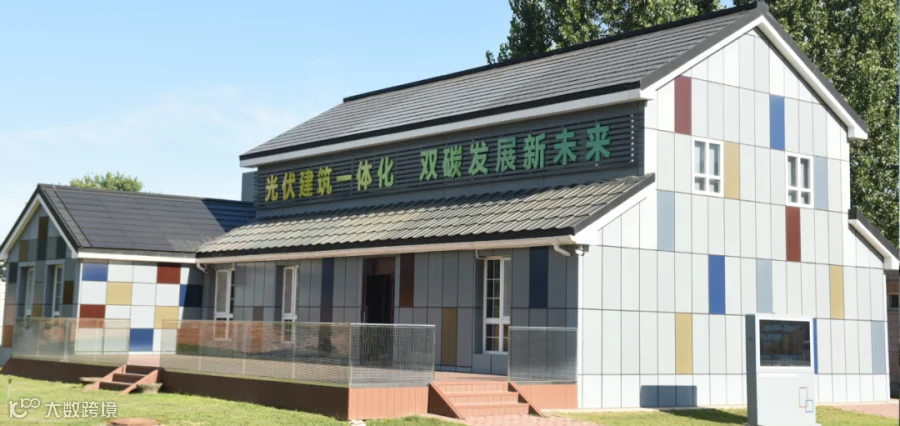
From a narrow perspective, BIPV refers to the integration of solar photovoltaic modules that can generate electricity with building components such as walls, windows, and roofs, in order to achieve photovoltaics, which is functional complementarity. Compared to traditional solar system solutions, photovoltaic power generation components and building bodies are separated from each other. For example, the large-scale photovoltaic power generation base we often see, where individual photovoltaic panels stand tall on buildings or the ground without being integrated with the building, cannot be called BIPV.
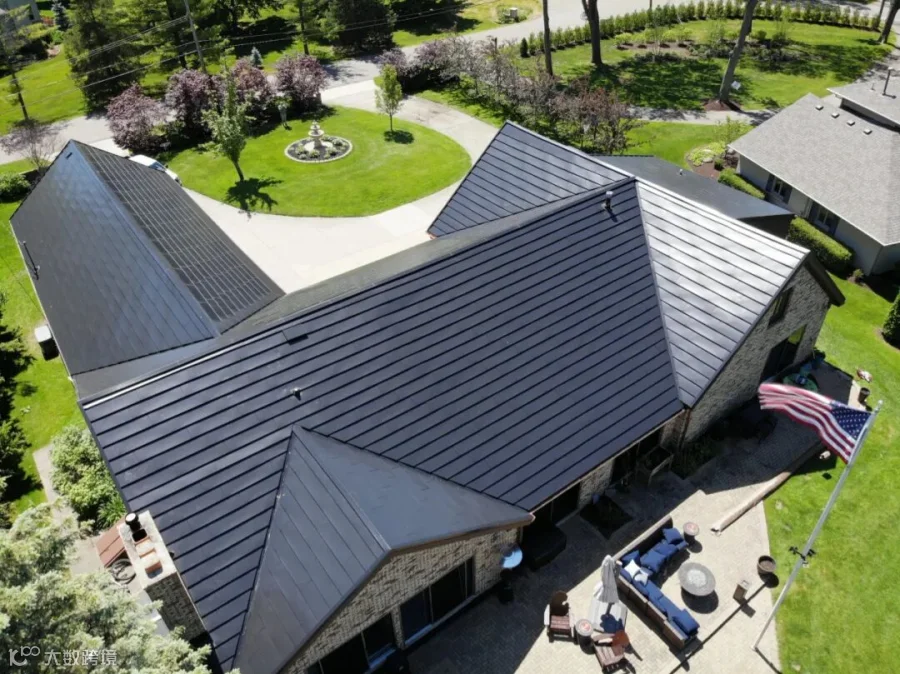
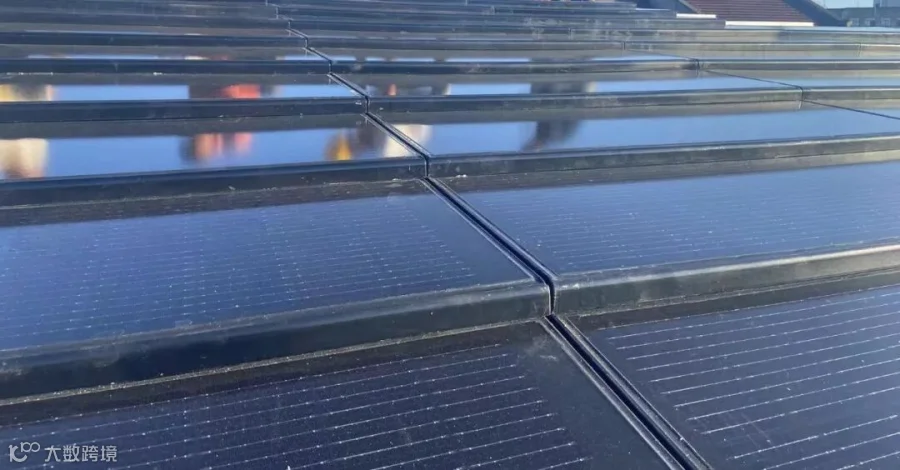
Nowadays, popular types such as photovoltaic roof tiles, photovoltaic exterior walls, and photovoltaic windows fully integrate photovoltaic modules into the main body of the building, becoming a part of the building. This combination method makes the exterior of the building more decorative, while also possessing the practical function of photovoltaic power generation. Photovoltaic materials blend perfectly with the building body like normal building materials, adding a unique sense of fashion and beauty.
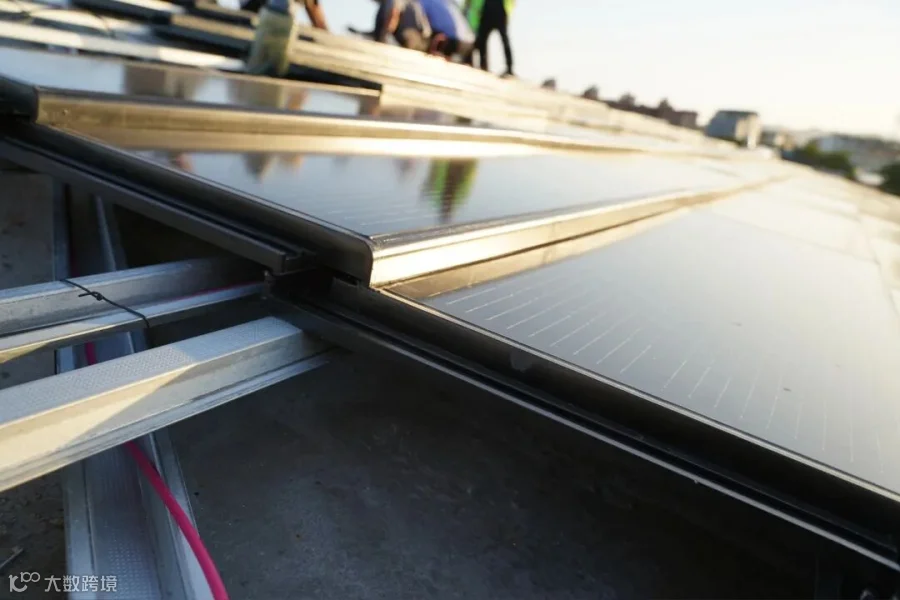
The above is from the perspective of the building and power generation functions of BIPV, and from the perspective of energy conservation and environmental protection, its development potential is even greater. BIPV products directly convert solar energy into electrical energy, which can continuously provide green energy to the building body. Secondly, it also has a certain degree of thermal insulation performance, further reducing the consumption of building materials.
In addition to the advantages of green environmental protection, the development potential of BIPV is evident to all. At present, global energy use is constantly increasing, and countries are constantly exploring new energy growth points. With the in-depth development of photovoltaic technology, its power generation efficiency and performance will also continue to improve.
Relatively speaking, in terms of current development, the high cost of BIPV has prevented its large-scale popularization. In the future, the maturity and development of technology will greatly promote the rapid development of BIPV and provide more possibilities for new energy strategy development.