

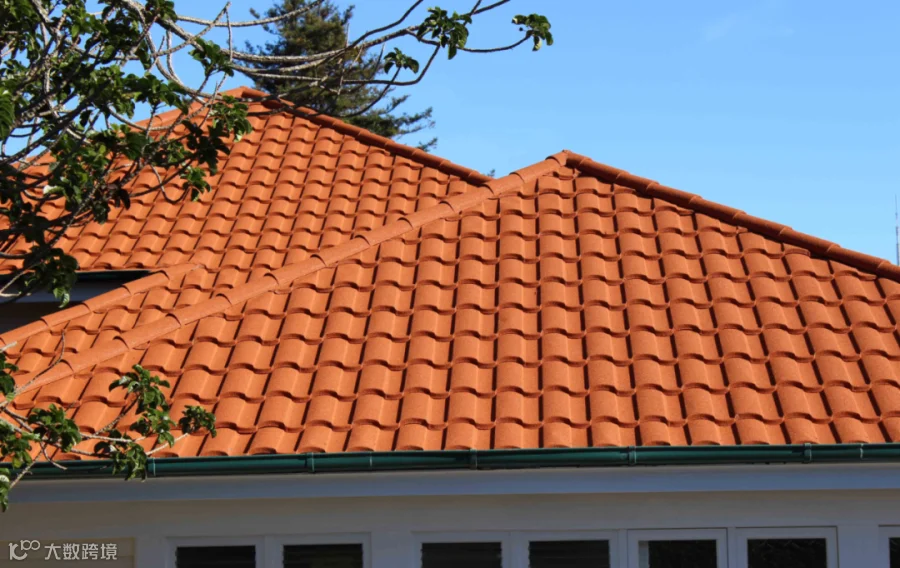
Environmental friendliness is becoming an increasingly popular consideration in the choice of roofing building materials. Stone-coated metal tiles, due to their light weight, long life and recyclability, are recognized as a more environmentally friendly option than traditional tiles (e.g. clay tiles, cement tiles). Here are 3 sets of key data comparisons to show you its environmental advantages!
✅ Stone-coated metal tiles:
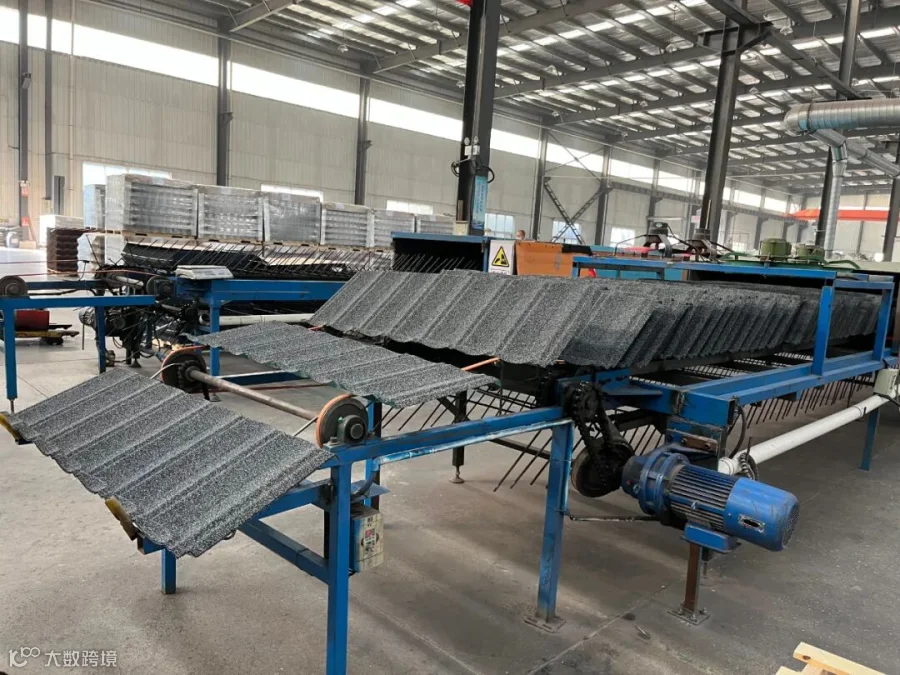
The main substrate is aluminum-zinc-plated steel plate, covered with natural colored sand and environmentally friendly resin, and the production energy consumption is only 30%-40% of traditional tiles.
No need for high-temperature firing (clay tiles need to be sintered at 1200°C), reducing coal/natural gas consumption.
❌ Traditional clay tile/cement tile:
-
Clay tiles need to be mined for clay and sintered at high temperature, consuming about 200-300kg of standard coal per ton of tiles. -
The manufacture of cement in the cement tile production process is a major carbon emitter (8% of global CO₂ emissions).
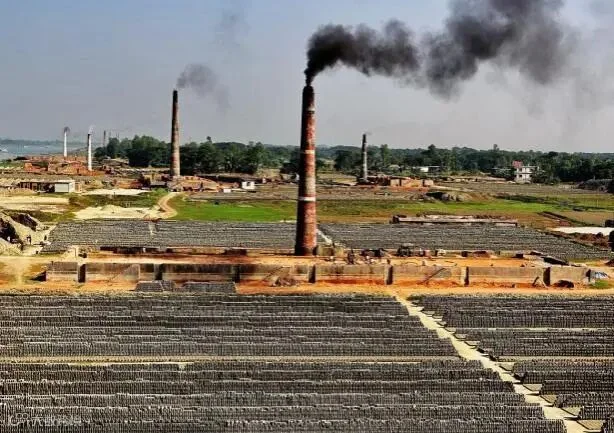
Conclusion:Stone coated metal tiles reduce energy consumption at source and are more in line with the low carbon trend.
✅ Stone-coated metal tiles:
-
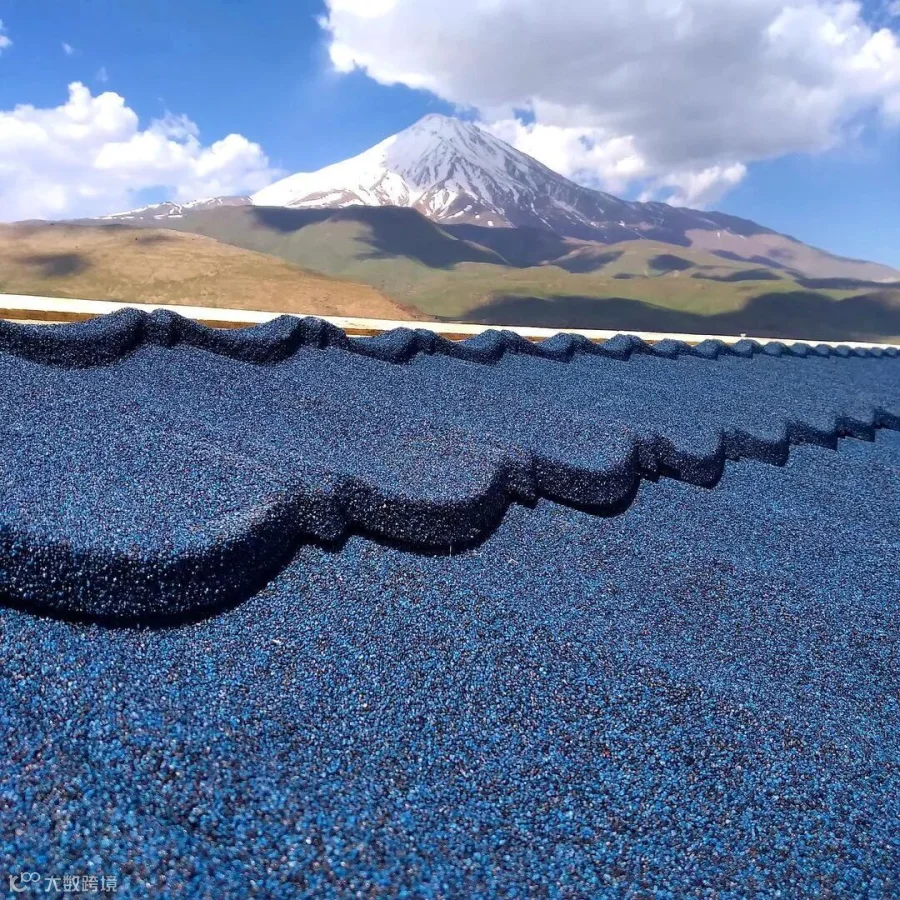
Strong weather resistance, life expectancy of 50+ years (3 times that of asphalt shingles, 2 times that of resin shingles). -
No need for frequent replacement during this period, reducing construction waste.
❌ Traditional tiles:
-
Clay/cement tiles are fragile, need to be renovated in 30 years on average, and broken tiles are difficult to recycle. -
Asphalt shingles have a life span of 15-20 years and are mostly disposed of in landfills (containing asphalt that pollutes the soil).
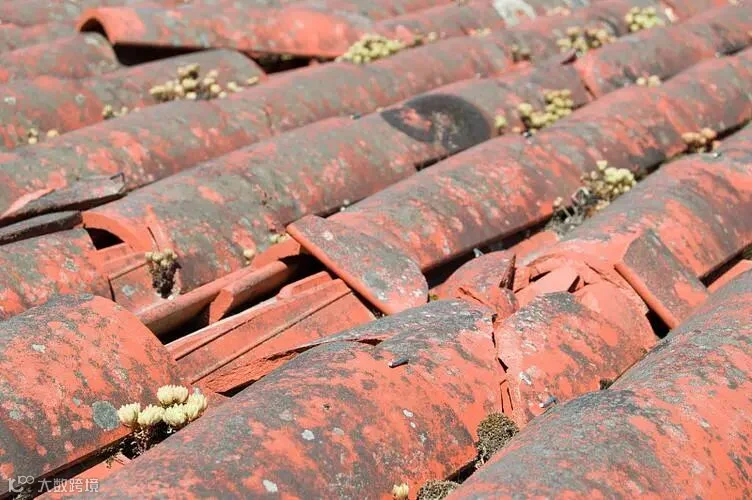
Conclusion:Longer life = less waste of resources and pollution from demolition!
✅ Stone-coated metal tiles:
-
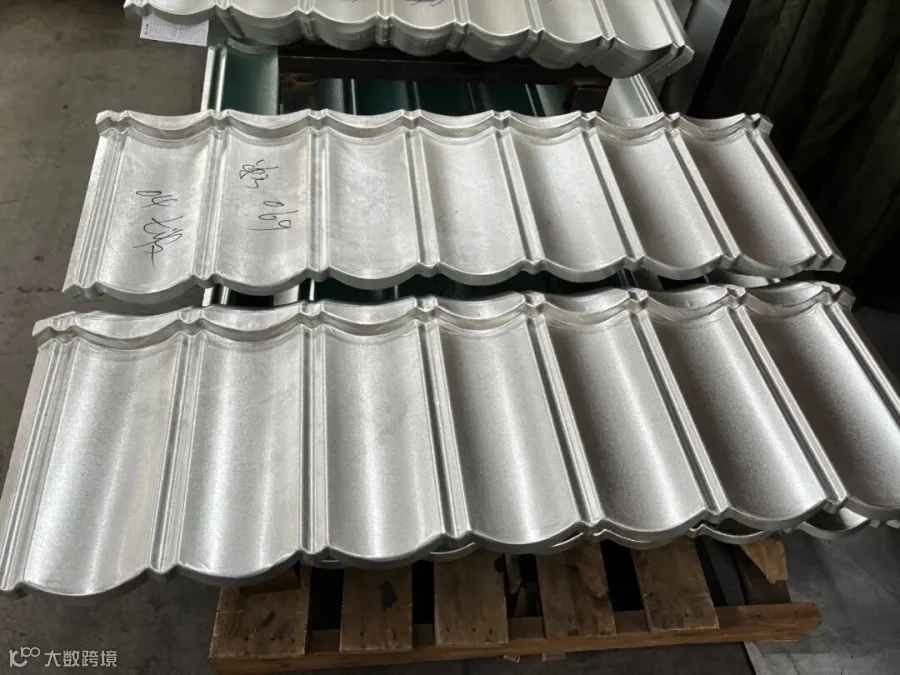
The metal substrate (aluminized zinc steel) can be 100% recycled and the colored sand can be reprocessed. -
No need to mine clay or limestone, protecting arable land and mountains.
❌ Traditional tiles:
-
Clay tiles rely on clay resources and consume about 10 tons of clay per 10,000 tiles produced (destroying arable land). -
Mining of limestone, which is the raw material for cement tiles, leads to destruction of mountains and dust pollution.
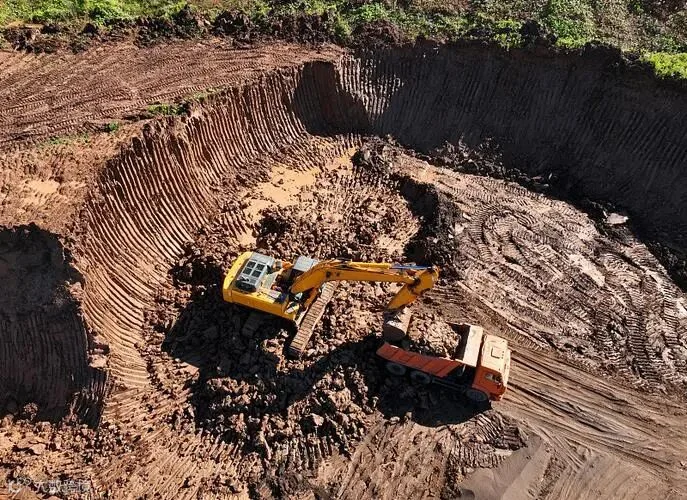
Conclusion: Stone-coated metal tiles close the environmental loop “from roof to recycling”!
✔ Green building projects with low carbon footprint
✔ Typhoons, earthquakes and acid rain prone areas
✔ Modern style houses, villas, scenic spots, hotels, schools, commercial buildings, etc.