
Recently, many places around the world opened the “rain and snow mode”, the temperature plummeted at the same time, many installed solar roof homeowners began to worry:
snow pressure on the solar module will not cause damage? How about rainwater seeping in? Will power generation efficiency be affected?
Today's maintenance guide, from the “prevention, observation, maintenance” three dimensions, teach you to easily handle the rain and snow day solar roof tile maintenance!
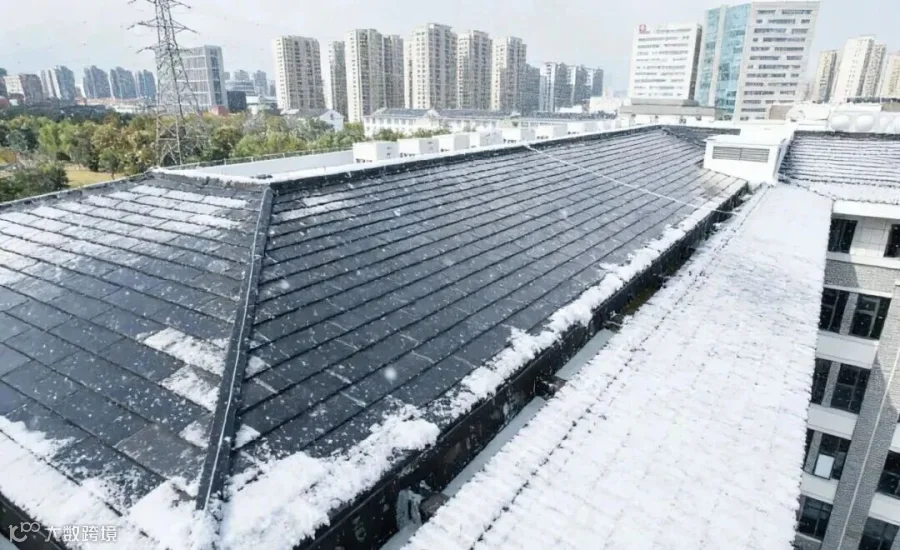
First ,Snow Day Maintenance: Anti-Snow Collapse, Anti-Ice Hazard, Three Steps to Remove Snow
Although the solar modules (especially the solar panels) are designed to resist snow load (up to 2.0kN/m2, equivalent to 20cm thick snow), they still need to be properly maintained in extreme rainy and snowy weather to avoid safety risks and power generation losses:
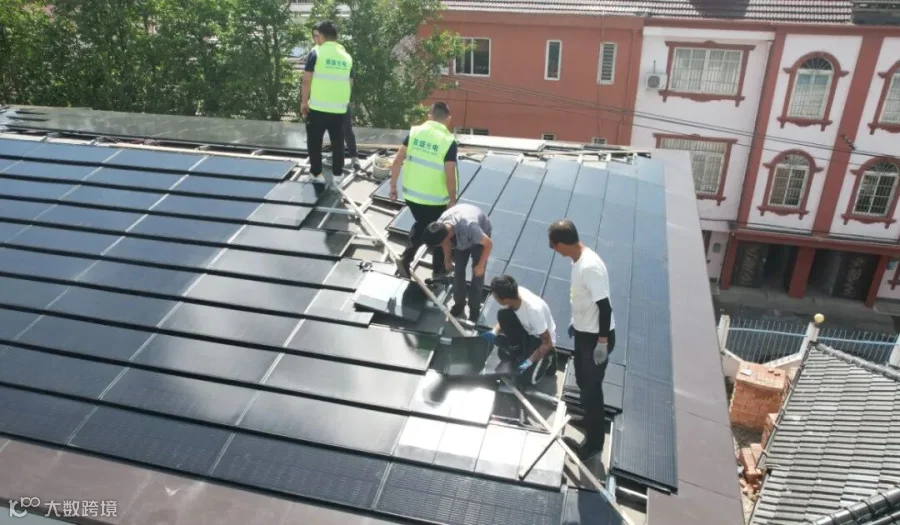
1. Before snowfall: make “preventive preparations” in advance.
- Check the roof load-bearing and fixed parts:
Confirm that there is no loosening of the bracket, keel and fixed screws of solar roof tiles /solar module (solar roof tiles need to focus on checking whether the occlusion structure is solid), and old roofs can be cleaned up of debris in advance, to avoid snow superimposed on debris to increase the load-bearing.
- Close unnecessary DC switches:
If there is a blizzard in the forecast, you can temporarily close the DC side switch of the solar system (without affecting the inverter and the power grid), to avoid the hot spot effect of the solar module caused by the snow cover, which will damage the battery cells.
- Clearing peripheral obstacles:
Remove easy-to-fall objects (e.g., tools, sundries) from the edge of the roof and around the solar modules to prevent the snow from driving the objects to smash and injure people when it slides down.
2. After snowfall: remove snow correctly to avoid damaging solar modules
- Prioritize “natural snow melting”, not blindly removing snow:
If the snow is thin (≤5cm) and the temperature is above 0℃, you can wait for natural melting, and the melted snow water can also clean the dust on the surface of solar modules.
- Manual snow removal:
When the snow is thicker (≥10cm) or affects the passage, manual cleaning is required, and the core principle is “soft tools + safe order”:
Tool selection: use soft scraper (rubber, plastic material), brush, strictly prohibit the use of shovels, steel pipes and other hard metal tools, to avoid scratching the surface of the solar module tempered glass or solar roof tile waterproof coating.
Order of snow removal: clean up from the bottom of the roof upwards (to avoid injuries caused by snow sliding down from above), gently scrape the snow along the border of the solar modules, solar roof tiles need to pay attention to the protection of the sealant between the seams of the tiles, not to be forced to pull.
Special circumstances: when the roof slope is > 30 °, when the snow is too thick (≥ 20cm) or when it is icy,prohibit yourself from climbing the roof to remove the snow, and contact the professional operation and maintenance personnel to clean up the roof using special equipment.
3. Ice treatment: refusing “violent ice-breaking”
- If the surface of the solar module freezes, do not pour hot water on it (the difference in temperature may cause the glass to break), and do not break the ice by knocking on it.
- You can lay a layer of black tarpaulin on the frozen surface (to absorb sunlight and accelerate melting), or wait for the temperature to rise and thaw naturally.
- Avoid touching the component junction box and inverter during the icing period to prevent condensation short circuit.
Second,rainy day maintenance: anti-leakage, anti-short-circuit, 2 major focuses + 1 key check
rainy day on the solar roof of the core test is “waterproof” and “electricity safety”, maintenance focuses on the "post rain inspection Maintenance focuses on “post rain inspection”, checking for hidden dangers in advance:
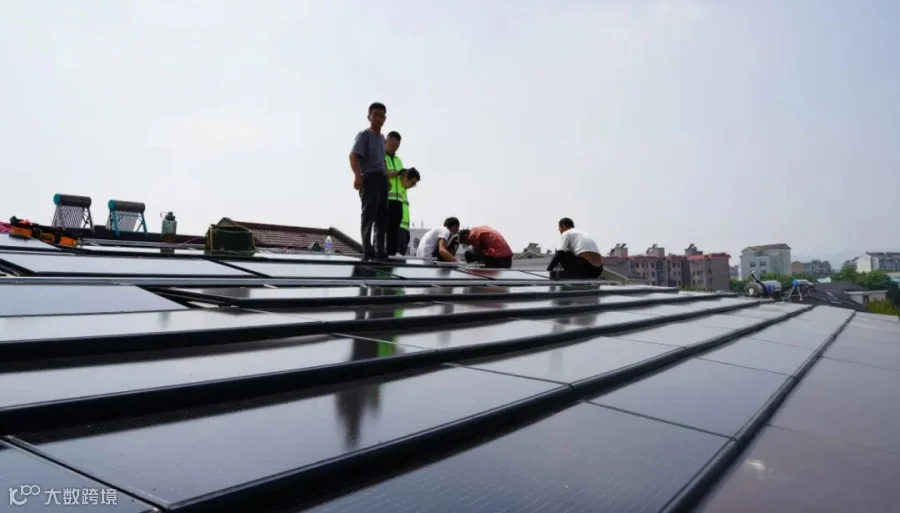
1. Before the rainfall: focus on checking the “waterproof weak points”
- Solar tile roof: check the sealing of tile seams, sloping ridge, leading edge sealing, flashing board, if you find sealant cracking, loose tile body, timely repair with special weatherproof sealant (solar roof tile need to use matching sealant to avoid corrosion of the material).
- Traditional solar panel roofing: Check whether there is any damage to the connection between the bracket and the roof, the waterproof layer, and whether the threading holes are sealed tightly to avoid rainwater seeping into the interior of the roof from the gaps.
-Inverter and distribution box: confirm that the equipment shell is well sealed, the installation position is higher than the ground (to avoid water soaking), and the cable interface is not loose or exposed.
2. After rainfall: timely cleanup + hidden danger investigation
- Clean the surface of solar modules: rain will wash away part of the dust, but may remain bird droppings, leaves and other debris, after the rain can be dried in the solar module with a soft cloth to wipe (solar roof tile surface is smooth, can be directly rinsed with water), prohibit the use of high-pressure water gun directly rushed to the tile seams or interfaces,to avoid damaging the waterproofing.
- Check for leakage: Go under the roof (e.g. attic, engine room), check whether there are traces of water seepage on the ceiling and walls, focus on the seams and threading holes where the solar modules are installed, and if water leakage is found, stop the solar system operation immediately and contact the maintenance personnel to deal with it.
- Examine the safety of the circuit: if you find the inverter alarm and power generation plummeting after the rain, the cable interface may be short-circuited due to water ingress, you need to turn off the power supply and then contact the professionals for testing, and you should not dismantle the equipment by yourself.
3. Special maintenance in the rainy season: mold and corrosion prevention
- In the rainy season in the south, there is a lot of rain and high humidity, so it is necessary to check the ventilation of the solar module junction box and inverter on a regular basis (once a month), so as to avoid the accumulation of condensate, which may lead to the moldy condition of the equipments.
- Coastal areas need to pay attention to salt spray corrosion, after the rain can be on the solar module frame, stent with fresh water to wipe, solar roof tile surface of the anticorrosive coating if there is damage, timely coating.
1. Before all maintenance operations, be sure to turn off the DC switch and grid-connected switch of the solar energy system, and hang the “no-closing” sign to avoid the risk of electric shock.
2. When climbing the roof for maintenance, wear non-slip shoes, tie a safety rope, and absolutely prohibit roof operations in bad weather (windy, rainy, icy).
3. The maintenance of solar modules (including solar roof tiles) requires the use of supporting tools and materials, strong acid and alkali cleaners, hard metal tools, to avoid damage to the solar modules or damage to the waterproof structure.
4. In case of extreme weather (snowstorm, rainstorm, hailstorm), you need to check whether there are cracks in the solar modules, whether the bracket is deformed, whether the waterproofing is ineffective, and contact a third-party testing organization to evaluate the situation if necessary.
5. Before going out for a long period of time, you can turn off the solar system remotely and appoint someone to check the roof regularly.
Fourth, post-maintenance check: ensure that the power generation efficiency is not discounted
After maintenance in rainy and snowy weather, remember to do 2 simple checks to confirm that the system is running normally:
1. Check the power generation: Compare the power generation before and after maintenance through cell phone APP or monitoring platform. If the power generation continues to be low, it may be due to shading of the solar modules, bad wiring or damage of the battery cells;
2. Listen to the sound of the equipment: there is no abnormal noise when the inverter is running (e.g. nuisance sound, explosion sound), and the indicator light shows normal (the green running light is always on), which means that the system is not faulty.
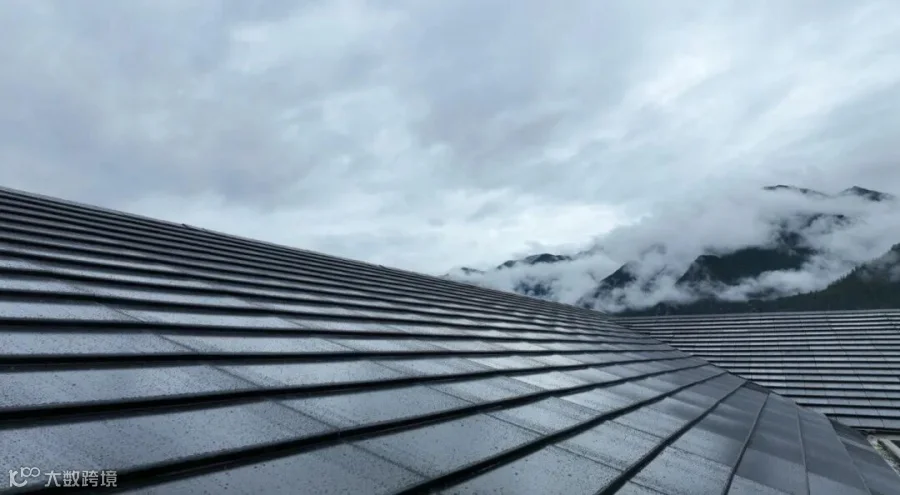
The key to rain and snow maintenance of solar roof is “advance prevention, scientific treatment, safety first”. In fact, high-quality solar roof tiles (e.g. Sangobuild) itself has IP67 level waterproof, wind and snow resistance, as long as you do a good job of daily inspection and regular maintenance, you can protect the roof in rain and snow both to ensure the safety of the roof, and does not affect the power generation revenue.
If you encounter complicated situations (e.g. roof leakage, broken solar modules), don't deal with them on your own, but contact a professional operation and maintenance team in time to avoid small hidden problems from becoming big ones.